

Plasmalogens are specialized ether phospholipids that serve as critical structural components of cell membranes, particularly in the brain, heart, and immune system. Recent research indicates that plasmalogen levels naturally decline with age, but this decline can be accelerated by oxidative stress, inflammation, and metabolic dysfunction. According to recent longevity studies, the reduction of these vital lipids is closely linked to accelerated biological aging and increased risk of neurodegenerative conditions. Understanding the specific signs of low plasmalogen levels and the underlying causes of their decline is essential for maintaining cellular health and longevity.
What Are Plasmalogens?
Plasmalogens are a unique class of phospholipids characterized by a vinyl-ether bond at the sn-1 position of the glycerol backbone. This chemical structure makes them highly susceptible to oxidative damage, which allows them to act as sacrificial antioxidants, protecting other cellular components from free radical injury. Plasmalogens are specialized ether phospholipids found in cell membranes throughout the body. They are especially abundant in tissues with high metabolic demands, such as the brain, heart, and skeletal muscle.
These molecules play a multifaceted role in cellular function. They regulate membrane fluidity, facilitate signal transduction, and support the formation of lipid rafts, which are essential for protein sorting and receptor function. Furthermore, plasmalogens are involved in the biosynthesis of other critical lipids and the regulation of inflammation. Their presence is vital for the integrity of the myelin sheath, which insulates nerve fibers and ensures rapid signal transmission in the nervous system.
When plasmalogen levels are optimal, cells can effectively manage oxidative stress, maintain structural integrity, and communicate efficiently. However, when these levels drop, the consequences can ripple across multiple physiological systems. Understanding the biology of these lipids provides the foundation for recognizing when the body is signaling a deficiency.
Signs of Low Plasmalogen Levels
Because plasmalogens are distributed throughout the body, low levels can manifest in various ways, often overlapping with general symptoms of aging or metabolic decline. Recognizing these signs early can prompt more targeted health interventions.
Cognitive and Neurological Changes
The brain is one of the most plasmalogen-rich organs in the body. A decline in these lipids is often associated with cognitive changes. Individuals may experience brain fog, difficulty concentrating, or memory lapses. These symptoms occur because plasmalogens are crucial for synaptic function and neuronal membrane integrity. How The Synapse Works in the Brain & Body details the critical role of lipid environments in neural communication.
In more severe cases, low plasmalogen levels are linked to neurodegenerative conditions. Research suggests that the loss of plasmalogens in the brain can accelerate the progression of diseases like Alzheimer's and other forms of dementia. The inability to protect neurons from oxidative stress contributes to neuronal damage and loss of function.
Fatigue and Low Energy
Plasmalogens are essential for mitochondrial function. They help maintain the structure of mitochondrial membranes, which are responsible for producing cellular energy (ATP). When plasmalogen levels drop, mitochondrial efficiency can decline, leading to persistent fatigue and low energy levels. This is not just feeling tired after a long day; it is a deep-seated lack of vitality that does not improve with rest.
Additionally, plasmalogens support the transport of fatty acids into mitochondria for energy production. A deficiency can impair this process, further reducing the body's ability to generate energy from fat stores. This metabolic inefficiency can contribute to weight gain and difficulty losing weight, even with diet and exercise.
Skin Aging and Reduced Elasticity
Skin health is closely tied to plasmalogen levels. These lipids help maintain the barrier function of skin cells, protecting against environmental damage and moisture loss. Low plasmalogen levels can lead to premature skin aging, including the formation of wrinkles, loss of elasticity, and dryness.
Furthermore, plasmalogens play a role in wound healing and tissue repair. A deficiency may result in slower healing times and increased susceptibility to skin infections or inflammatory conditions. The skin may appear dull or lack the vibrant glow associated with healthy cellular turnover.
Immune System Dysfunction
Plasmalogens are involved in regulating the immune response. They help modulate inflammation and support the function of immune cells. Low levels can lead to an overactive or underactive immune system, resulting in increased susceptibility to infections, autoimmune reactions, or chronic inflammation.
Chronic low-grade inflammation is a hallmark of many age-related diseases. Plasmalogens help resolve inflammation, but when they are depleted, the body may struggle to return to a balanced state, leading to persistent inflammatory symptoms such as joint pain, stiffness, and swelling.
Muscle and Bone Health Issues
Bones and muscles are deeply affected in certain plasmalogen deficient diseases because the skeletal and muscular systems depend on membrane biology, lipid metabolism, energy production, tissue development, and cellular repair. How Bones & Muscle are Affected in Plasmalogen Deficient Diseases explains the connection between lipid deficiency and structural integrity.
Low plasmalogen levels can contribute to muscle weakness, reduced physical resilience, and joint issues. In severe cases, it can lead to muscle wasting and bone density loss. This is particularly concerning for older adults, as it increases the risk of falls and fractures.
Causes of Plasmalogen Decline
Understanding why plasmalogen levels decline is key to addressing the root cause. While some decline is a natural part of aging, several factors can accelerate this process.
Oxidative Stress
As sacrificial antioxidants, plasmalogens are consumed when they neutralize free radicals. High levels of oxidative stress, caused by factors such as pollution, UV radiation, smoking, and poor diet, can deplete plasmalogen reserves faster than the body can replenish them. The Importance of Advanced Health Measurements in Health and Longevity highlights how oxidative burden impacts cellular resilience.
Inflammation
Chronic inflammation drives the production of reactive oxygen species, which in turn damages plasmalogens. This creates a vicious cycle where low plasmalogen levels lead to more inflammation, which further depletes plasmalogens. Conditions such as metabolic syndrome, autoimmune disorders, and chronic infections can sustain this inflammatory state.
Nutritional Deficiencies
Plasmalogen biosynthesis requires specific nutrients, including choline, ethanolamine, methionine, and vitamins B12 and B6. A diet lacking in these essential nutrients can impair the body's ability to produce plasmalogens. Additionally, deficiencies in antioxidants like vitamin E and selenium can reduce the body's overall capacity to protect existing plasmalogens from oxidative damage.
Aging
As we age, the efficiency of the peroxisomes, the cellular organelles responsible for plasmalogen synthesis, declines. This natural reduction in biosynthetic capacity means that older adults are more susceptible to plasmalogen deficiency. What Happens When Plasmalogen Levels Are Low provides further insight into the age-related decline of these critical lipids.
Genetic Factors
Certain genetic mutations can affect the enzymes involved in plasmalogen biosynthesis, leading to inherited plasmalogen deficiencies. These conditions, while rare, can have severe health implications. Even in the absence of genetic disorders, genetic variations can influence individual susceptibility to plasmalogen decline.
Measurement and Testing
Recognizing the signs of low plasmalogen levels is important, but measuring them provides objective data. Advanced health measurement is changing how health and longevity are understood by looking deeper into lipid biology.
Plasmalogen Biomarkers
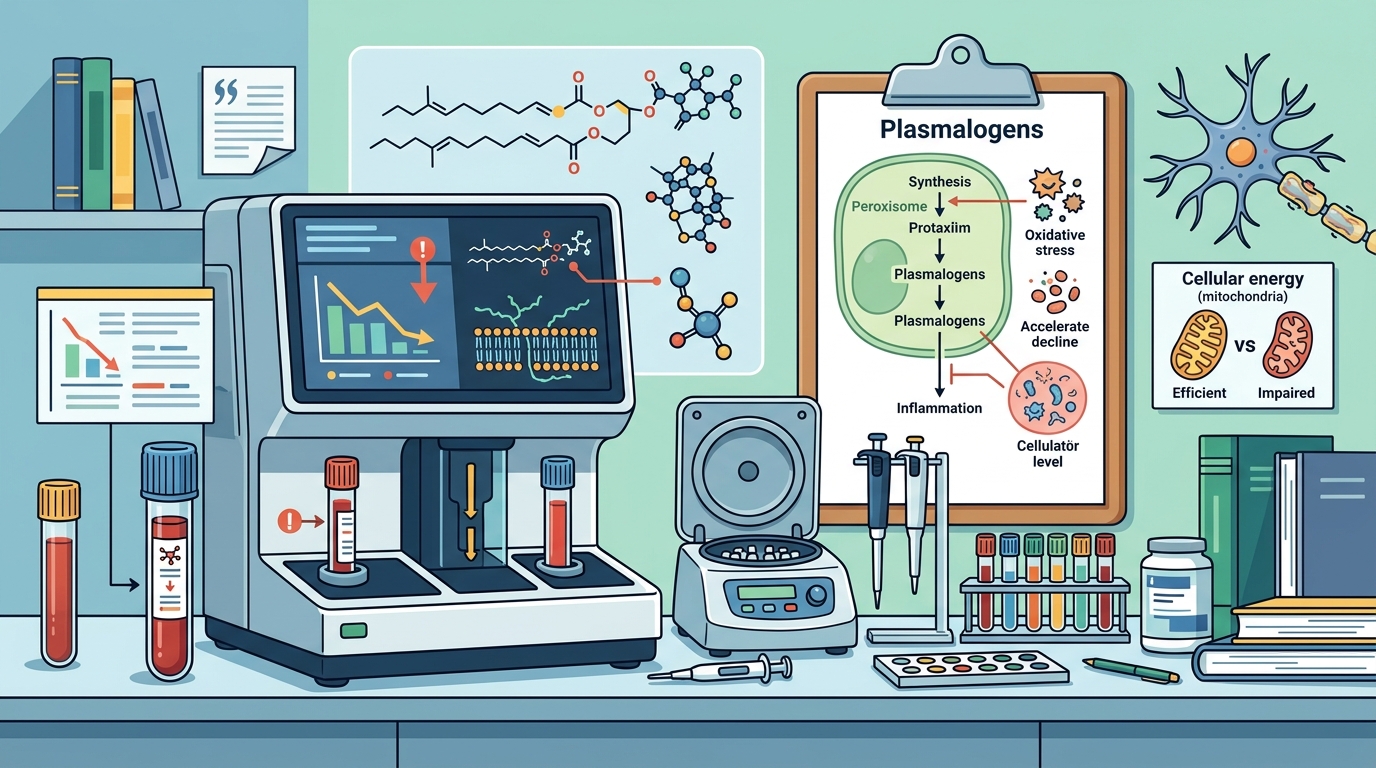
Plasmalogen levels can be measured through blood tests that analyze specific lipid biomarkers. These tests typically measure the concentration of plasmalogens in red blood cell membranes, as these levels reflect long-term status. Plasmalogen Measurement & Biomarkers Overview outlines the technical aspects of these tests.
Interpreting Results
Results are often compared to age-matched reference ranges. A level significantly below the average for one's age group may indicate a deficiency. It is important to interpret these results in the context of overall health, as other factors can influence lipid profiles.
Longitudinal Tracking
Single measurements provide a snapshot, but longitudinal tracking offers a more dynamic view. Monitoring plasmalogen levels over time can help assess the effectiveness of interventions and identify trends in cellular health. The Importance of Advanced Health Measurements in Health and Longevity emphasizes the value of tracking changes over time.
Supporting Cellular Health
While research into plasmalogen supplementation is ongoing, supporting the body's natural biosynthetic pathways is a prudent approach. This includes reducing oxidative stress, managing inflammation, and ensuring adequate nutrient intake.
Dietary Strategies
A diet rich in antioxidants, healthy fats, and essential nutrients can support plasmalogen health. Foods high in choline, such as eggs and liver, are particularly beneficial. Reducing intake of processed foods and sugars can help lower inflammation and oxidative stress.
Lifestyle Modifications
Regular exercise, stress management, and adequate sleep are crucial for maintaining cellular health. Exercise has been shown to reduce oxidative stress and improve mitochondrial function. Stress management techniques, such as meditation and mindfulness, can help lower cortisol levels and reduce inflammation.
Professional Guidance
If you suspect you have low plasmalogen levels, consulting with a healthcare provider is recommended. They can help interpret test results and develop a personalized plan to address any deficiencies. Contact Plasmalogen Science for more information on advanced health measurements.
Key Takeaways
- Plasmalogens are specialized ether phospholipids critical for cell membrane integrity and antioxidant defense.
- Signs of low plasmalogen levels include cognitive decline, fatigue, skin aging, immune dysfunction, and muscle weakness.
- Oxidative stress, chronic inflammation, nutritional deficiencies, and aging are primary causes of plasmalogen decline.
- Advanced blood tests can measure plasmalogen biomarkers to assess cellular health and identify deficiencies.
- Supporting plasmalogen health involves antioxidant-rich diets, lifestyle modifications, and professional medical guidance.
- Plasmalogen levels naturally decrease with age, but lifestyle factors can accelerate or mitigate this decline.
- Understanding the link between plasmalogens and cellular health is key to promoting longevity and resilience.
Frequently Asked Questions
What are the earliest signs of low plasmalogen levels?
Early signs often include subtle cognitive changes like brain fog, persistent fatigue, and mild skin aging. These symptoms can be easily overlooked as normal stress or aging.
Can plasmalogen levels be increased through diet?
While diet can support the body's natural biosynthesis, direct dietary sources of plasmalogens are limited. Focus on nutrients like choline and antioxidants to support production.
How are plasmalogen levels measured?
Plasmalogen levels are measured through blood tests that analyze lipid biomarkers in red blood cell membranes. These tests provide a snapshot of long-term status.
Is plasmalogen deficiency common?
Decline in plasmalogen levels is a natural part of aging, but severe deficiency is less common. However, suboptimal levels are widespread and can impact healthspan.
What is the link between plasmalogens and brain health?
Plasmalogens are crucial for neuronal membrane integrity and synaptic function. Low levels are associated with cognitive decline and neurodegenerative diseases.
Can exercise help maintain plasmalogen levels?
Regular exercise reduces oxidative stress and improves mitochondrial function, which can help preserve plasmalogen levels and support overall cellular health.
When should I consider testing for plasmalogen levels?
Consider testing if you experience unexplained fatigue, cognitive changes, or have a family history of neurodegenerative diseases. It is also useful for monitoring longevity interventions.
Take Control of Your Cellular Health
Understanding the signs of low plasmalogen levels and their causes is the first step toward proactive health management. By prioritizing advanced health measurements and making informed lifestyle choices, you can support your body's resilience and longevity. Contact Plasmalogen Science today to learn more about our resources and how we can help you optimize your cellular health.