

Plasmalogens are specialized ether phospholipids that serve as critical structural components of cell membranes, particularly in the brain, heart, and immune cells. These unique molecules are distinguished by a vinyl-ether bond at the sn-1 position, which provides exceptional protection against oxidative stress and supports cellular signaling. Understanding how the body produces plasmalogens is essential for grasping the mechanisms of healthy aging, cognitive function, and metabolic resilience. This guide explores the intricate biosynthesis pathways, the specific nutrients required to support them, and the clinical implications of plasmalogen deficiency.
What Are Plasmalogens?
Plasmalogens are a subclass of phospholipids found in high concentrations in the myelin sheaths of nerve cells, the mitochondria of cardiac muscle, and the alveolar lining of the lungs. Unlike standard phospholipids, which have an ester bond at the sn-1 position, plasmalogens possess a vinyl-ether bond. This chemical structure is not merely a structural detail; it is a functional necessity. The vinyl-ether bond acts as a sacrificial antioxidant, absorbing free radicals and preventing oxidative damage to the more vulnerable polyunsaturated fatty acids at the sn-2 position.
Plasmalogens are involved in membrane fluidity, protein function, and signal transduction. They are also critical for the formation of lipid rafts, which are microdomains in the cell membrane that organize signaling molecules. Without adequate plasmalogen levels, cellular communication becomes inefficient, and the structural integrity of tissues is compromised. For a deeper understanding of their role in cellular health, explore What Are Plasmalogens.
The Biosynthesis Pathway: Peroxisomes and Mitochondria
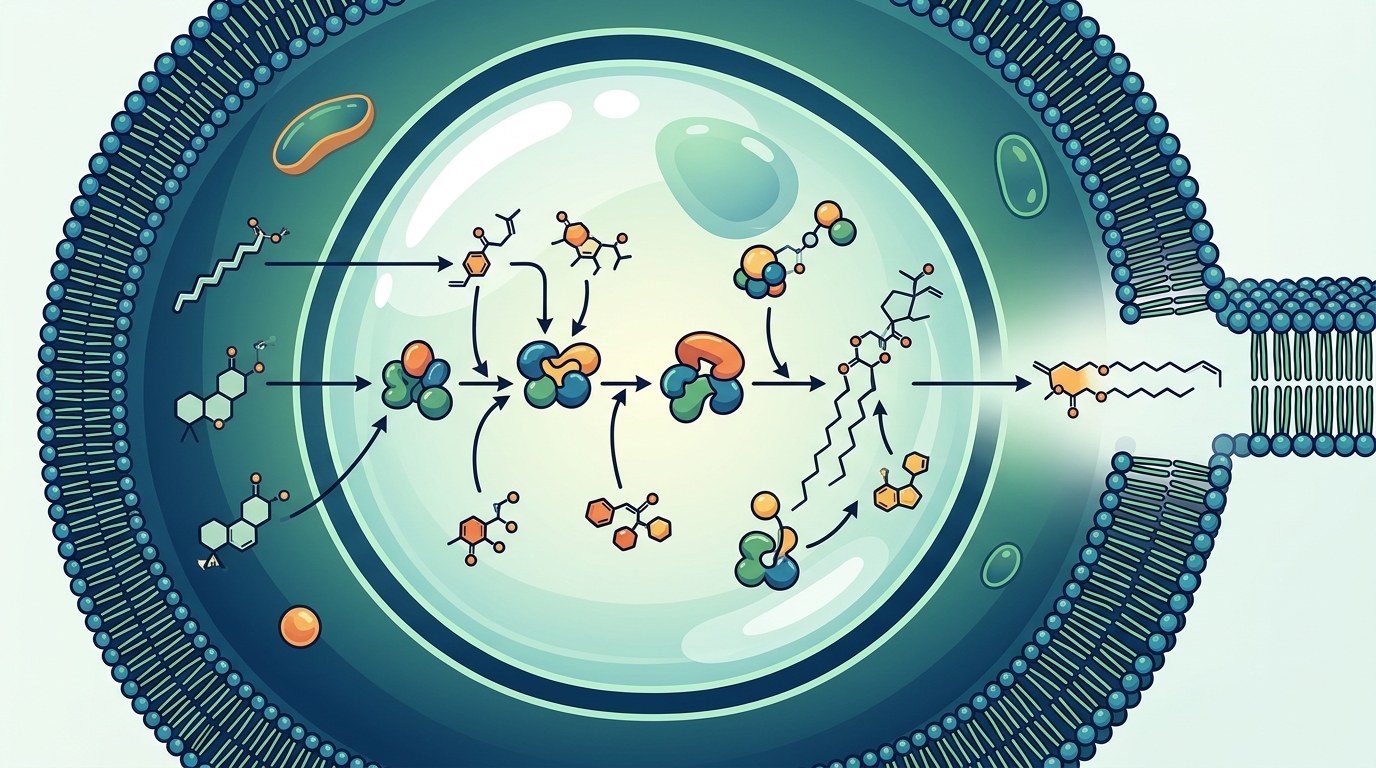
The production of plasmalogens is a complex, multi-step process that requires coordination between two distinct cellular organelles: the peroxisome and the mitochondrion. This dual-organelle requirement makes plasmalogen biosynthesis uniquely vulnerable to disruptions in cellular metabolism.
Step 1: Initiation in the Peroxisome
The process begins in the peroxisome, an organelle responsible for breaking down very long-chain fatty acids and detoxifying harmful substances. The first critical step is the conversion of dihydroxyacetone phosphate (DHAP) to alkyl-dihydroxyacetone phosphate (alkyl-DHAP). This reaction is catalyzed by the enzyme alkyl-DHAP synthase (ADHAPS).
Next, the enzyme alkyl-DHAP reductase reduces alkyl-DHAP to 1-O-alkyl-2-acetyl-DHAP. This step introduces the ether linkage, which is the defining characteristic of plasmalogens. If this step is impaired, the entire biosynthetic pathway halts. This is why peroxisomal disorders, such as Zellweger syndrome, result in a complete absence of plasmalogens. Learn more about the science of plasmalogen biosynthesis.
Step 2: Elongation and Transfer to Mitochondria
Once the ether lipid is formed in the peroxisome, it is transported to the mitochondria. In the mitochondria, the acetyl group at the sn-2 position is removed by an acetylhydrolase enzyme. This creates a lysoplasmalogen intermediate. The mitochondria then attach a fatty acid to this position, creating a diacyl-lysoplasmalogen.
Step 3: Final Desaturation in the Endoplasmic Reticulum
The final step occurs in the endoplasmic reticulum (ER). An enzyme called plasmalogen synthase (also known as desaturase) introduces a double bond at the sn-1 position, creating the vinyl-ether linkage. This final product is then incorporated into cell membranes. The efficiency of this entire pathway depends on the health of the peroxisomes, the availability of specific cofactors, and the integrity of mitochondrial function.
Nutrients That Support Plasmalogen Production
While the body can synthesize plasmalogens endogenously, the efficiency of this process declines with age and is heavily dependent on nutritional status. Supporting the biosynthetic pathway requires specific vitamins, minerals, and dietary fats.
1. Vitamin B12 (Cobalamin)
Vitamin B12 is perhaps the most critical nutrient for plasmalogen synthesis. It serves as a cofactor for the enzyme methionine synthase, which converts homocysteine to methionine. Methionine is then converted to S-adenosylmethionine (SAMe), the universal methyl donor for all methylation reactions in the body.
Methylation is required for the remethylation of homocysteine and for the synthesis of phosphatidylethanolamine, the precursor to plasmalogens. Without adequate B12, the methylation cycle stalls, leading to reduced plasmalogen production and elevated homocysteine levels, which are toxic to neurons. Research indicates that B12 deficiency is strongly correlated with low plasmalogen levels in the brain.
2. Folate (Vitamin B9)
Folate works in tandem with Vitamin B12 in the methylation cycle. It provides the methyl groups necessary for DNA synthesis and repair, as well as for the regeneration of methionine. A deficiency in folate can impair the methylation capacity of the body, indirectly reducing the substrate availability for plasmalogen synthesis. Ensure your diet includes leafy greens, legumes, and fortified grains to maintain optimal folate status.
3. Omega-3 Fatty Acids (DHA and EPA)
Plasmalogens are not just about the ether bond; they also contain polyunsaturated fatty acids at the sn-2 position. Docosahexaenoic acid (DHA) is the most abundant fatty acid in brain plasmalogens. DHA is essential for membrane fluidity and anti-inflammatory signaling. Dietary intake of omega-3s provides the raw materials for these fatty acids. Studies show that DHA-rich diets support higher plasmalogen levels in neural tissues.
4. Choline
Choline is a precursor to phosphatidylcholine, which is involved in the remodeling of membrane lipids. It also supports the production of acetylcholine, a neurotransmitter critical for memory. Adequate choline intake ensures that the membrane lipid pool remains dynamic and capable of incorporating newly synthesized plasmalogens.
5. Magnesium and Zinc
These minerals act as cofactors for numerous enzymes involved in lipid metabolism and methylation. Magnesium is required for ATP production, which fuels the energy-intensive processes of peroxisomal and mitochondrial function. Zinc is essential for the structural integrity of enzymes involved in fatty acid synthesis.
Aging, Deficiency, and Health Implications
Plasmalogen levels naturally decline with age. This decline is not merely a passive consequence of aging but an active driver of age-related diseases. As plasmalogen levels drop, cells become more susceptible to oxidative stress, inflammation, and mitochondrial dysfunction.
Cognitive Decline and Neurodegeneration
The brain is particularly vulnerable to plasmalogen deficiency because it has high metabolic demands and is rich in polyunsaturated fatty acids. Low plasmalogen levels are observed in the brains of individuals with Alzheimer's disease and other forms of dementia. The loss of plasmalogens compromises the myelin sheath, leading to slower nerve conduction and impaired synaptic plasticity. Explore the link between plasmalogens and cognitive health.
Cardiovascular Health
Plasmalogens are abundant in heart tissue. They protect cardiac cells from oxidative damage during ischemia-reperfusion injury. Low plasmalogen levels are associated with increased risk of heart failure and arrhythmias. The anti-inflammatory properties of plasmalogens also help maintain vascular health.
Immune Function
Plasmalogens play a role in the regulation of the immune response. They are involved in the production of eicosanoids, which are signaling molecules that mediate inflammation. Dysregulated plasmalogen metabolism can lead to chronic inflammation, a hallmark of many age-related diseases.
Measurement and Testing
Assessing plasmalogen levels is becoming increasingly important in the field of longevity medicine. Traditional lipid panels do not measure plasmalogens. Advanced testing methods, such as mass spectrometry, are required to quantify specific plasmalogen species in blood or cerebrospinal fluid.
Understanding your plasmalogen status can provide insight into your oxidative stress burden, mitochondrial health, and risk for neurodegenerative conditions. For more on advanced health measurements, review the latest protocols for biomarker analysis.
Key Takeaways
- Plasmalogens are specialized ether phospholipids that protect cell membranes from oxidative damage and support cellular signaling.
- Biosynthesis requires peroxisomes and mitochondria, making it vulnerable to metabolic disruptions and genetic disorders.
- Vitamin B12 and Folate are critical for the methylation cycle, which provides the methyl groups necessary for plasmalogen synthesis.
- DHA and EPA omega-3s are essential structural components of brain plasmalogens.
- Plasmalogen levels decline with age, contributing to cognitive decline, cardiovascular disease, and immune dysfunction.
- Advanced testing is required to measure plasmalogen levels, as standard lipid panels do not include them.
- Supporting plasmalogen production involves optimizing methylation, ensuring adequate omega-3 intake, and maintaining peroxisomal health.
Frequently Asked Questions
What is the primary function of plasmalogens?
Plasmalogens primarily function to protect cell membranes from oxidative damage due to their unique vinyl-ether bond, which acts as a sacrificial antioxidant. They also support membrane fluidity, protein function, and cellular signaling.
Where does plasmalogen synthesis begin?
Plasmalogen synthesis begins in the peroxisome, where the initial ether linkage is formed from dihydroxyacetone phosphate. The process then continues in the mitochondria and is completed in the endoplasmic reticulum.
Can diet increase plasmalogen levels?
While the body synthesizes plasmalogens, diet plays a supportive role. Consuming adequate Vitamin B12, folate, and omega-3 fatty acids provides the necessary cofactors and building blocks for efficient plasmalogen production.
Are plasmalogen supplements effective?
The efficacy of plasmalogen supplements is an area of ongoing research. Some studies suggest potential benefits for cognitive health, but more large-scale clinical trials are needed to establish definitive protocols. Consult plasmalogen health resources for current findings.
How do plasmalogens affect the brain?
Plasmalogens are crucial for brain health as they are abundant in myelin sheaths and neuronal membranes. They support synaptic plasticity, protect against neuroinflammation, and help maintain cognitive function.
What happens if plasmalogen levels are too low?
Low plasmalogen levels are associated with increased oxidative stress, mitochondrial dysfunction, and a higher risk of neurodegenerative diseases such as Alzheimer's. They can also impair immune function and cardiovascular health.
Is there a genetic component to plasmalogen deficiency?
Yes, severe plasmalogen deficiency can be caused by genetic disorders affecting peroxisomal function, such as Zellweger syndrome. These conditions prevent the body from producing plasmalogens entirely.
Take Action for Your Longevity
Understanding how the body produces plasmalogens is the first step in protecting your long-term health. By supporting your methylation cycle, optimizing your omega-3 intake, and monitoring your biomarkers, you can help maintain healthy plasmalogen levels. For personalized guidance on advanced health measurements and longevity strategies, contact Plasmalogen Science today.