

Plasmalogen levels naturally decline as the human body ages, a biological shift that significantly impacts cellular resilience and neurological health. Research indicates that this depletion begins in early adulthood and accelerates during later decades, creating a direct link between lipid metabolism and the aging process. Understanding this trajectory is critical for anyone interested in longevity, cognitive preservation, and cellular repair.
What Are Plasmalogens?
Before understanding how these levels change, it is essential to define what plasmalogens actually are. Plasmalogens are specialized ether phospholipids found in high concentrations in cell membranes, particularly in the brain, heart, and immune cells. Unlike standard phospholipids, they possess a unique vinyl-ether bond at the sn-1 position, which provides distinct chemical properties.
This structure is not accidental. It serves as a sacrificial antioxidant, protecting the rest of the cell membrane from oxidative damage. When oxidative stress occurs, the plasmalogen bond breaks down, neutralizing free radicals before they can damage DNA or proteins. This makes them vital for maintaining membrane integrity and fluidity.
For a deeper understanding of their structure and function, you can explore What Are Plasmalogens? on Plasmalogen Science. Additionally, the Cell Membranes Explained resource provides context on how these lipids integrate into the cellular architecture.
The Aging Trajectory of Plasmalogen Levels
The relationship between age and plasmalogen levels is inverse and progressive. As we age, the body's ability to synthesize these critical lipids diminishes. This decline is not uniform; it varies by tissue type and individual health status, but the overall trend is a consistent reduction in available plasmalogens.
Early Adulthood and Peak Levels
In early adulthood, plasmalogen synthesis is typically at its peak. The body efficiently produces these lipids through the peroxisomal pathway. During this phase, cellular membranes are robust, oxidative stress is managed effectively, and neurological function is optimal. However, even in healthy young adults, subtle declines may begin as metabolic demands increase.
Mid-Life Decline
As individuals move into mid-life, the efficiency of peroxisomal function often decreases. This reduction in biosynthetic capacity means that the body cannot replace plasmalogens as quickly as they are consumed by oxidative stress. Consequently, membrane integrity begins to weaken. This stage is critical because it is often when early signs of metabolic strain or cognitive fog may appear, linked to this underlying lipid deficiency.
Late-Life Depletion
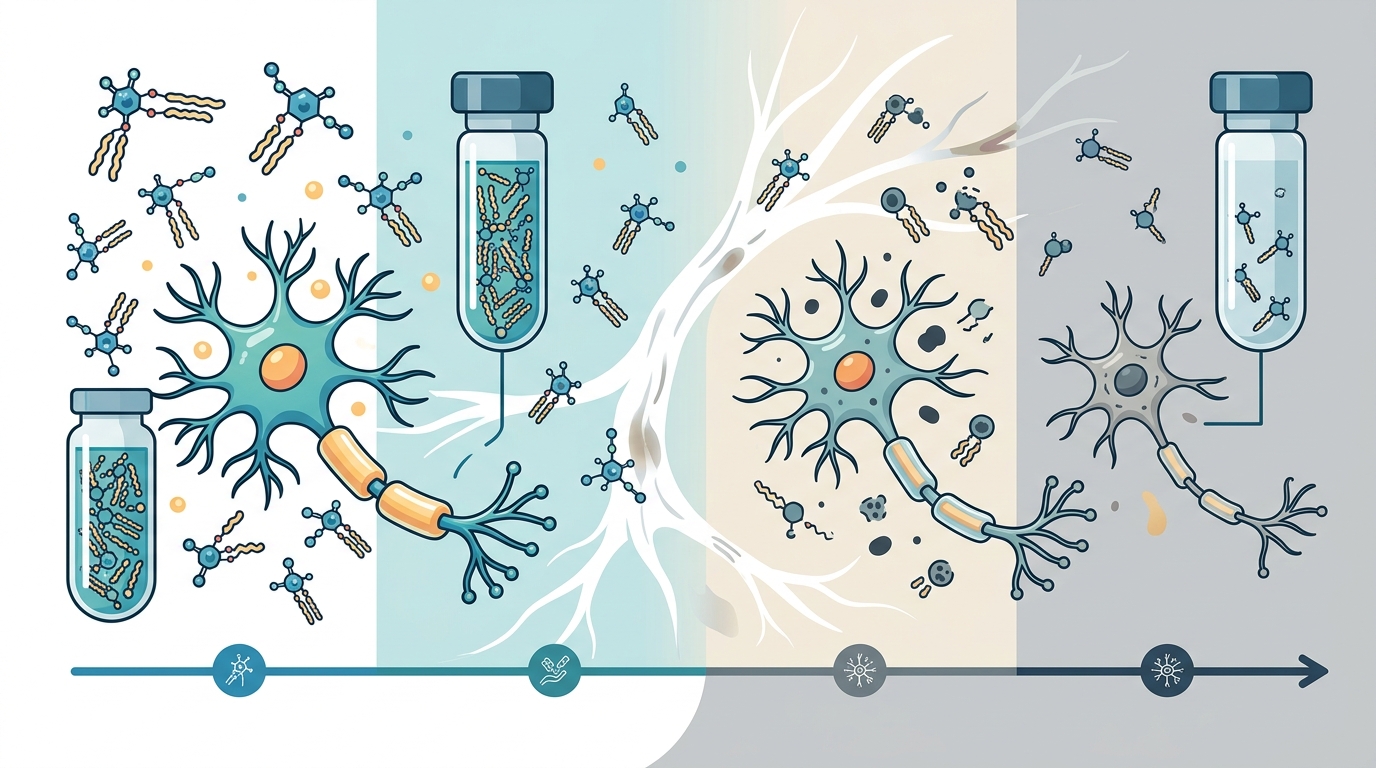
In later decades, the decline becomes more pronounced. Studies on aging populations show significantly lower plasmalogen levels compared to younger cohorts. This depletion is strongly associated with age-related diseases, including neurodegeneration and cardiovascular decline. The How Plasmalogens Influence Aging article details the specific biological pathways affected by this late-stage depletion.
Cellular Mechanisms of Decline
Why do plasmalogen levels drop with age? The answer lies in the complex biology of lipid metabolism and cellular repair.
Peroxisomal Dysfunction
Plasmalogens are synthesized primarily in the peroxisomes, organelles responsible for breaking down fatty acids and synthesizing ether lipids. As we age, peroxisomal function can become impaired due to genetic expression changes, oxidative damage to the organelles themselves, or nutrient deficiencies. When peroxisomes fail to operate efficiently, the production of plasmalogens slows down dramatically.
Oxidative Stress Burden
Another critical factor is the rate of consumption. Plasmalogens act as sacrificial antioxidants. In an aging body, cumulative oxidative stress from environmental factors, inflammation, and metabolic byproducts increases. This higher burden means plasmalogens are broken down faster than they can be replaced. It is a race between synthesis and destruction that the aging body often loses.
Nutrient and Cofactor Availability
The synthesis of plasmalogens requires specific nutrients, including choline, ethanolamine, and fatty acids. Age-related changes in digestion, absorption, and dietary habits can lead to deficiencies in these cofactors. Without adequate building blocks, even a healthy peroxisome cannot produce sufficient plasmalogens. For more on the metabolic system's role, see The Metabolic System’s Role in Plasmalogen Deficient Diseases.
Health Implications of Low Plasmalogens
The decline of plasmalogen levels is not just a biochemical curiosity; it has profound implications for health and longevity.
Cognitive and Neurological Health
The brain is rich in plasmalogens, particularly in the myelin sheaths that insulate nerve fibers. Low plasmalogen levels are associated with impaired synaptic function and reduced neuroplasticity. This is a key factor in age-related cognitive decline and neurodegenerative conditions. The Cognitive & Neurological Systems resource explains how these lipids support brain communication.
Cardiovascular Function
Heart tissue also relies heavily on plasmalogens for membrane stability and energy production. Declining levels can contribute to cardiac stiffness, reduced contractility, and increased susceptibility to oxidative damage in blood vessels. Maintaining healthy plasmalogen levels is therefore crucial for cardiovascular resilience.
Immune System Regulation
Plasmalogens play a role in modulating inflammation. When levels drop, the body may struggle to regulate inflammatory responses effectively, leading to chronic low-grade inflammation, often referred to as "inflammaging." This systemic inflammation accelerates aging and increases the risk of various chronic diseases.
Measurement and Testing
How can you know your plasmalogen status? Traditional blood tests do not typically measure plasmalogens. Advanced health measurement is required to assess these specific lipid levels accurately.
Advanced testing methods, such as lipidomics, can quantify plasmalogen levels in blood or tissue samples. This provides a precise snapshot of your current lipid health and helps identify deficiencies before they manifest as clinical symptoms. Advanced health measurement is changing how health and longevity are understood by revealing these hidden biological patterns.
Understanding your levels allows for targeted interventions. Whether through dietary changes, supplementation, or lifestyle modifications, knowing your baseline is the first step toward optimizing your lipid profile. For an overview of biomarkers, visit Plasmalogen Measurement & Biomarkers Overview.
Key Takeaways
- Plasmalogen levels decline with age: Synthesis decreases and consumption increases, leading to a net loss over time.
- Peroxisomal function is key: The health of peroxisomes directly dictates the body's ability to produce these vital lipids.
- Brain health is dependent: The brain's high concentration of plasmalogens makes it particularly vulnerable to age-related depletion.
- Oxidative stress accelerates loss: Higher oxidative burden in aging bodies consumes plasmalogens faster than they can be replaced.
- Advanced testing is necessary: Standard blood panels do not measure plasmalogens; specialized lipidomics is required.
- Intervention is possible: Lifestyle and nutritional strategies can support plasmalogen synthesis and reduce oxidative damage.
- Longevity link: Maintaining healthy plasmalogen levels is associated with extended healthspan and reduced risk of age-related disease.
Frequently Asked Questions
At what age do plasmalogen levels start to decline?
Plasmalogen levels typically begin to decline in early adulthood, with the rate of decline accelerating in mid-life and later years. The exact timing varies based on genetics, lifestyle, and environmental factors.
Can plasmalogen levels be increased through diet?
While dietary intake of plasmalogens is limited, consuming nutrients that support their synthesis, such as choline and specific fatty acids, can help. However, direct supplementation is often discussed in longevity circles to bypass digestive limitations.
Are plasmalogen levels tested in standard blood work?
No, standard blood panels do not include plasmalogen testing. Specialized lipidomics tests are required to measure these specific ether phospholipids accurately.
How do plasmalogens affect brain aging?
Plasmalogens protect brain cell membranes from oxidative damage and support synaptic function. Low levels are linked to cognitive decline and neurodegenerative diseases due to increased neuronal stress and reduced repair capacity.
What is the role of peroxisomes in plasmalogen production?
Peroxisomes are the primary site of plasmalogen biosynthesis. They initiate the creation of the ether lipid backbone, which is then completed in the endoplasmic reticulum. Impaired peroxisomal function directly reduces plasmalogen output.
Do plasmalogen levels differ between men and women?
Some research suggests differences in lipid metabolism between sexes, but the general trend of age-related decline is observed in both. Hormonal changes, such as menopause, may influence the rate of decline in women.
Can exercise help maintain plasmalogen levels?
Regular exercise reduces oxidative stress and inflammation, which can help preserve existing plasmalogens. It also supports overall metabolic health, which indirectly supports lipid synthesis pathways.
Take Action for Your Health
Understanding how plasmalogen levels change with age is the first step toward proactive health management. By recognizing the importance of these lipids, you can take steps to support your body's natural defenses against aging.
Explore our comprehensive resources on Plasmalogens & Health to learn more about maintaining cellular resilience. For personalized insights or to discuss your health goals, please Contact us today. Visit our About This Project page to learn more about our mission to advance plasmalogen science.