

Plasmalogens are specialized ether phospholipids that serve as the first line of defense for cellular membranes against oxidative damage. Recent research indicates that declining plasmalogen levels are not merely a byproduct of aging but a primary driver of cellular dysfunction. According to data from the National Institutes of Health, oxidative stress is a key factor in the progression of neurodegenerative diseases, where plasmalogen depletion plays a critical role. Understanding these signs and causes is essential for anyone interested in longevity and cellular health.
What Are Plasmalogens?
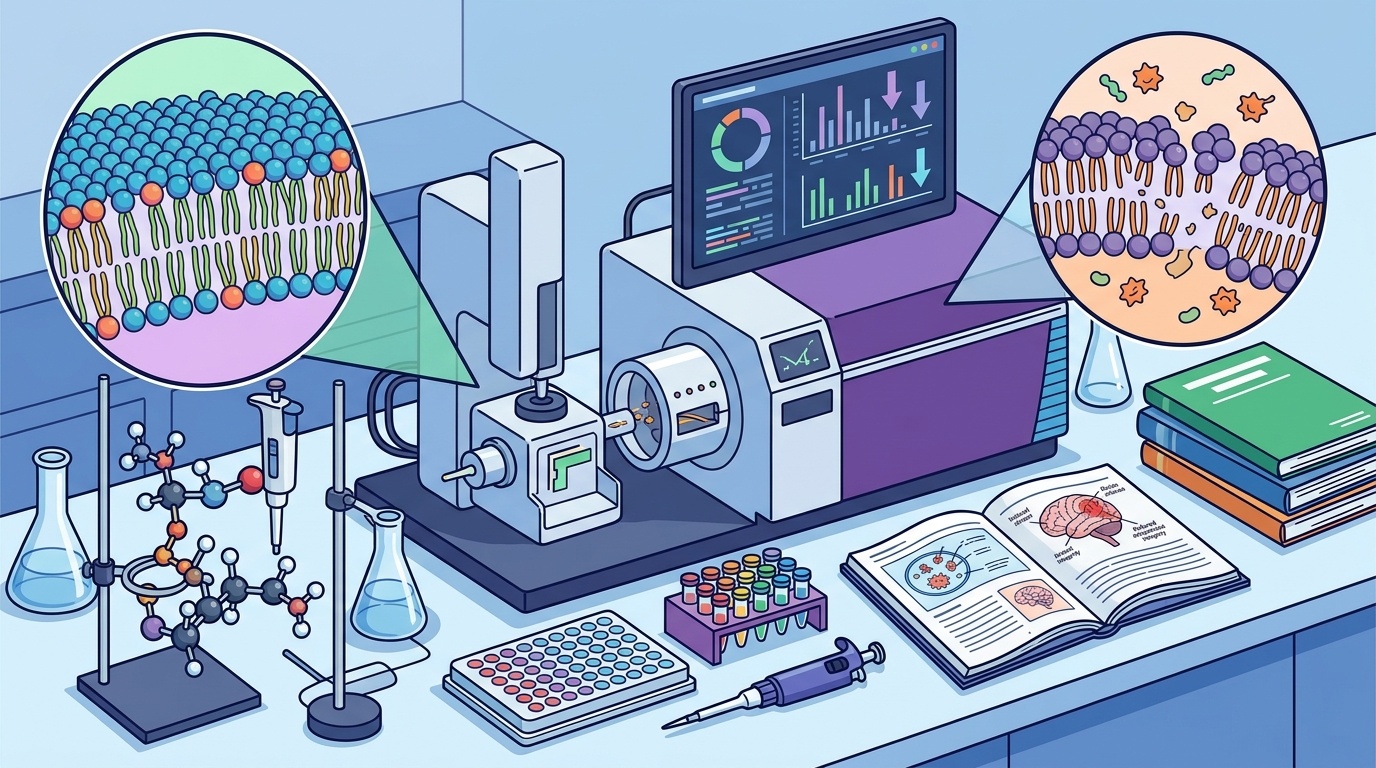
To understand the signs of deficiency, one must first understand the molecule itself. Plasmalogens are a unique class of phospholipids found in high concentrations in the brain, heart, and immune cells. Unlike standard phospholipids, they contain a vinyl-ether bond at the sn-1 position, which gives them unique chemical properties.
Plasmalogens are specialized ether phospholipids that protect cell membranes from oxidative stress and support membrane fluidity. This structure allows them to act as sacrificial antioxidants, absorbing free radicals before they can damage DNA or other critical cellular components. When these levels drop, the body loses a vital protective mechanism, leading to the symptoms described below.
For a deeper dive into the biological structure, you can explore the critical role of plasmalogens in human health. This foundational knowledge helps explain why their absence is so detrimental to overall vitality.
Early Signs of Decline
Plasmalogen deficiency often develops silently. Because the body prioritizes essential functions, early signs may be subtle and easily attributed to stress or normal aging. However, recognizing these early indicators can allow for proactive intervention.
Fatigue and Low Energy
One of the earliest and most common signs is persistent fatigue. Plasmalogens are crucial for mitochondrial function, the energy powerhouses of the cell. When plasmalogen levels drop, mitochondrial efficiency decreases, leading to reduced ATP production. This results in a feeling of exhaustion that does not improve with rest. How plasmalogens influence cellular energy explains the direct link between lipid integrity and metabolic output.
Weakened Immune Response
Plasmalogens play a significant role in immune signaling. They help regulate inflammation and support the function of white blood cells. A decline in these levels may manifest as frequent infections, slower wound healing, or a general feeling of being unwell. The immune system becomes less responsive, allowing pathogens to take hold more easily.
Cognitive and Neurological Symptoms
The brain is one of the most plasmalogen-rich organs in the body. Consequently, cognitive decline is often the most noticeable sign of low plasmalogen levels. The nervous system relies on these lipids for signal transmission and myelin integrity.
Brain Fog and Memory Issues
Patients often report difficulty concentrating, forgetfulness, and "brain fog." These symptoms occur because plasmalogens are essential for the formation and maintenance of myelin, the protective sheath around nerve fibers. Without adequate plasmalogens, nerve signal transmission slows down. How the myelin and white matter work in the brain and body details the structural importance of these lipids in neural communication.
Increased Risk of Neurodegeneration
Chronic low plasmalogen levels are strongly associated with neurodegenerative conditions. Research suggests that the oxidative damage caused by plasmalogen deficiency accelerates the progression of diseases like Alzheimer's. How cognitive and neurological systems are affected in plasmalogen deficient diseases provides a comprehensive overview of these risks.
Physical and Muscular Symptoms
While cognitive issues are prominent, physical symptoms are equally significant. The heart and skeletal muscles require high levels of plasmalogens to function correctly under stress.
Cardiac Irregularities
The heart is constantly exposed to oxidative stress due to its high metabolic rate. Plasmalogens protect cardiac cells from this damage. Low levels may contribute to arrhythmias or reduced cardiac resilience. Why plasmalogens matter highlights the specific benefits for cardiovascular integrity.
Muscle Weakness and Bone Health
Plasmalogen deficiency can lead to muscle wasting and reduced bone density. This is because the signaling pathways that regulate muscle growth and bone remodeling are lipid-dependent. How bones and muscle are affected in plasmalogen deficient diseases outlines the specific mechanisms of this decline.
Causes of Plasmalogen Deficiency
Understanding why plasmalogen levels drop is just as important as recognizing the symptoms. Several factors contribute to this decline.
Aging and Biosynthesis Decline
The primary cause of low plasmalogen levels is aging. The body's ability to synthesize plasmalogens decreases significantly after age 40. This natural decline is due to reduced activity of the enzymes responsible for their production in the peroxisomes. How the body produces plasmalogens explains the complex biosynthesis pathway that becomes less efficient over time.
Genetic Factors
Certain genetic conditions, such as peroxisomal biogenesis disorders, directly impair plasmalogen production. Even in individuals without these severe disorders, genetic variations can lead to lower baseline levels. The metabolic system's role in plasmalogen deficient diseases discusses the genetic underpinnings of these deficiencies.
Lifestyle and Environmental Factors
Diet, stress, and exposure to toxins also play a role. High intake of saturated fats and trans fats can interfere with lipid metabolism. Chronic stress increases oxidative burden, depleting plasmalogen reserves faster than they can be replenished. The importance of advanced health measurements suggests that lifestyle monitoring is key to managing these factors.
Measuring and Monitoring Levels
Traditionally, plasmalogen levels were difficult to measure outside of specialized research settings. However, advancements in lipidomics have made testing more accessible. These tests analyze specific biomarkers in the blood to estimate plasmalogen status.
Regular monitoring can help individuals track the effectiveness of interventions. Measuring plasmalogen levels: biomarkers, testing & health indicators provides details on the current standards for testing and interpretation.
Key Takeaways
- Plasmalogens are specialized ether phospholipids that protect cell membranes from oxidative damage.
- Early signs include fatigue, brain fog, and weakened immunity.
- Cognitive decline is a major symptom due to the brain's high reliance on these lipids.
- Aging is the primary cause of declining plasmalogen biosynthesis.
- Genetic factors can predispose individuals to lower baseline levels.
- Advanced testing is available to monitor plasmalogen status accurately.
- Proactive management through diet and lifestyle can help mitigate decline.
Frequently Asked Questions
What is the main cause of low plasmalogen levels?
The main cause is the natural decline in the body's ability to synthesize plasmalogens as we age, particularly after age 40.
Can low plasmalogen levels be reversed?
While the body's natural synthesis declines, interventions such as dietary changes and specific supplements may help support levels and mitigate deficiency symptoms.
How are plasmalogen levels measured?
Levels are measured through specialized lipidomic blood tests that analyze specific biomarkers associated with plasmalogen status.
What are the symptoms of low plasmalogen levels?
Symptoms include fatigue, brain fog, memory issues, weakened immune response, and increased risk of neurodegenerative diseases.
Why are plasmalogens important for the brain?
Plasmalogens are essential for myelin integrity and neuronal communication, making them critical for cognitive function.
Do genetic factors affect plasmalogen levels?
Yes, genetic variations and peroxisomal disorders can significantly impact the body's ability to produce plasmalogens.
How does oxidative stress relate to plasmalogen deficiency?
Plasmalogens act as antioxidants; when they are depleted, oxidative stress increases, leading to cellular damage.
Take Control of Your Cellular Health
Understanding the signs and causes of low plasmalogen levels is the first step toward better health. By recognizing these indicators and exploring advanced testing options, you can take proactive measures to support your longevity. Visit our contact page to learn more about how we can help you on your journey to optimal cellular resilience.