

What Are Plasmalogens? The Critical Lipids for Brain & Cellular Health
Plasmalogens are specialized ether phospholipids that serve as the foundational building blocks for cell membranes throughout the human body. Unlike standard phospholipids, these unique molecules contain a vinyl-ether bond at the sn-1 position, a structural feature that grants them exceptional antioxidant and anti-inflammatory properties. They are not merely passive components of cellular architecture; they are active participants in signal transduction, mitochondrial function, and neuroprotection. Without adequate plasmalogen levels, the integrity of the blood-brain barrier, the efficiency of nerve impulse transmission, and the resilience of cardiac tissue are all compromised. Understanding these lipids is essential for grasping the biological basis of healthy aging and cognitive longevity.
What Are Plasmalogens?
To understand why these molecules matter, we must first define their biological role. Plasmalogens are specialized ether phospholipids found in high concentrations in the brain, heart, and immune cells. They constitute a significant portion of the phospholipid pool in myelin sheaths, which are the protective coverings around nerves. This high concentration is not accidental; it reflects their critical role in maintaining the fluidity and stability of neural membranes.
These lipids are synthesized in the peroxisomes, specialized organelles within cells responsible for breaking down fatty acids and synthesizing complex lipids. The process requires a coordinated effort between peroxisomes and mitochondria. When this biosynthetic pathway is disrupted, either through genetic defects or age-related decline, the body loses its primary defense against oxidative stress in vital tissues. According to recent research into lipid biology, plasmalogens act as sacrificial antioxidants, meaning they are designed to be oxidized to protect other critical cellular components from damage. This mechanism is vital for preventing the cellular degradation associated with chronic inflammation.
How Plasmalogens Work in the Body
The functionality of plasmalogens extends far beyond structural support. They are dynamic molecules that influence how cells communicate and respond to their environment. One of their primary roles is regulating membrane fluidity. Cell membranes must be flexible enough to allow for the passage of nutrients and the movement of proteins, yet stable enough to maintain cellular integrity. Plasmalogens achieve this balance by influencing the packing density of the lipid bilayer.
Furthermore, they play a crucial role in signal transduction. When a cell receives a signal, such as a hormone or a neurotransmitter, plasmalogens help translate that external cue into an internal response. They interact with G-proteins and other signaling molecules to ensure that cellular responses are timely and appropriate. This signaling capability is particularly important in the immune system, where rapid response to pathogens is necessary for survival.
Another critical function is their involvement in the synthesis of neurotransmitters. The brain relies on a delicate balance of excitatory and inhibitory signals to maintain cognitive function. Plasmalogens provide the necessary lipid environment for the enzymes that produce these neurotransmitters to function correctly. Without this lipid support, neural communication can become sluggish or erratic, leading to cognitive decline and mood disorders. This connection between lipid biology and brain chemistry highlights why plasmalogen levels are a key indicator of neurological health.
Plasmalogens and Cognitive Function
The brain is the most plasmalogen-rich organ in the body. Approximately 20% of the phospholipids in the brain are plasmalogens, with even higher concentrations found in the white matter and myelin sheaths. This distribution is critical because myelin acts as the insulation for nerve fibers, allowing electrical impulses to travel rapidly and efficiently. When plasmalogen levels drop, the integrity of this insulation can be compromised, leading to slower neural processing and reduced cognitive agility.
Research into neurodegenerative conditions has consistently shown a correlation between low plasmalogen levels and cognitive impairment. In conditions such as Alzheimer's disease, the brain's ability to produce and maintain plasmalogens is often significantly reduced. This deficiency is not just a symptom but a contributing factor to the progression of the disease. The loss of plasmalogens leads to increased oxidative stress in neural tissues, which damages neurons and disrupts synaptic connections. This damage accumulates over time, leading to the memory loss and cognitive decline characteristic of aging.
Moreover, plasmalogens are essential for the formation and maintenance of the blood-brain barrier. This barrier protects the brain from harmful substances in the blood while allowing nutrients to pass through. A compromised blood-brain barrier can lead to neuroinflammation, which is a key driver of many neurological disorders. By maintaining the structural integrity of this barrier, plasmalogens help protect the brain from external insults and internal inflammatory processes. This protective role underscores the importance of plasmalogen levels in preserving cognitive function throughout life.
Impact on Cellular Energy and Mitochondria
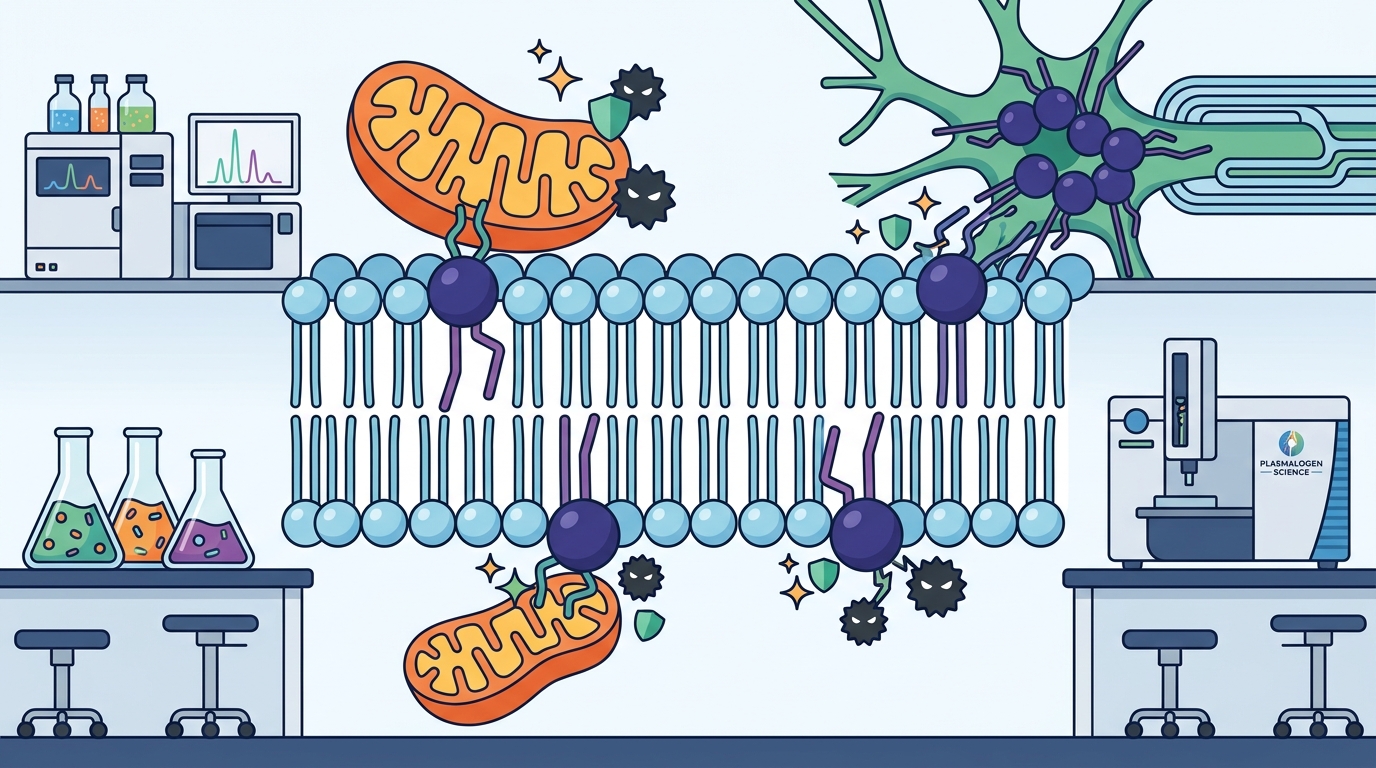
Cellular energy production is another area where plasmalogens play a pivotal role. Mitochondria, the powerhouses of the cell, rely on healthy membranes to generate ATP, the energy currency of the body. Plasmalogens are integral to mitochondrial membrane structure, influencing the efficiency of the electron transport chain. When plasmalogen levels are optimal, mitochondria can produce energy with minimal leakage of reactive oxygen species (ROS).
However, when plasmalogen levels decline, mitochondrial function becomes impaired. This impairment leads to increased oxidative stress, which further damages mitochondria and other cellular components. This cycle of damage and dysfunction is a hallmark of aging and many age-related diseases. By supporting mitochondrial health, plasmalogens help maintain cellular energy levels, which is crucial for tissue repair, immune function, and overall vitality.
Additionally, plasmalogens help regulate inflammation within cells. Chronic inflammation is a major contributor to cellular aging and disease. By neutralizing free radicals and modulating inflammatory pathways, plasmalogens help keep inflammation in check. This anti-inflammatory effect is particularly important in tissues with high metabolic demands, such as the heart and brain. Maintaining healthy plasmalogen levels can therefore help reduce the burden of chronic inflammation on these vital organs.
Measuring Plasmalogen Levels
Understanding your plasmalogen status is becoming an increasingly important aspect of advanced health measurement. Traditional blood tests often do not include specific plasmalogen panels, which means that deficiencies can go undetected until significant damage has occurred. Advanced lipidomics testing offers a more precise view of membrane health by quantifying specific phospholipid classes, including plasmalogens.
Measuring plasmalogen levels involves analyzing the lipid profile of blood samples. This analysis can reveal not only the total amount of plasmalogens but also the specific types present, such as ethanolamine or choline plasmalogens. Each type has distinct functions, and an imbalance between them can indicate specific metabolic issues. For example, low ethanolamine plasmalogens are often associated with neurological issues, while low choline plasmalogens may impact cardiovascular health.
Longitudinal tracking of plasmalogen levels is more informative than a single snapshot. By monitoring changes over time, individuals and healthcare providers can assess the effectiveness of interventions, such as dietary changes or supplementation. This data-driven approach allows for personalized health strategies that target the root causes of cellular decline rather than just treating symptoms. As the field of longevity medicine evolves, plasmalogen measurement is likely to become a standard component of comprehensive health assessments.
Signs of Low Plasmalogens
Recognizing the signs of low plasmalogens can help individuals take proactive steps to protect their health. Because plasmalogens are involved in so many bodily functions, a deficiency can manifest in various ways. One of the most common signs is cognitive decline, including memory loss, brain fog, and difficulty concentrating. These symptoms are often attributed to normal aging but may actually be linked to declining plasmalogen levels.
Another sign is increased susceptibility to infections and slow wound healing. Since plasmalogens are crucial for immune function, low levels can impair the body's ability to fight off pathogens and repair tissue. Individuals may also experience chronic fatigue and low energy levels, which can be attributed to mitochondrial dysfunction. This fatigue is often not relieved by rest, indicating a deeper metabolic issue.
Cardiovascular symptoms may also arise, such as irregular heart rhythms or reduced exercise tolerance. The heart relies heavily on plasmalogens for its structural integrity and energy production. Additionally, joint pain and reduced mobility can be indicators, as plasmalogens play a role in maintaining the health of connective tissues and reducing inflammation. If you experience a combination of these symptoms, it may be worth discussing plasmalogen testing with a healthcare provider.
Key Takeaways
- Plasmalogens are specialized ether phospholipids that serve as the primary antioxidant defense in cell membranes, particularly in the brain and heart.
- They are synthesized in peroxisomes and are essential for maintaining the structural integrity of myelin sheaths and the blood-brain barrier.
- Cognitive decline is closely linked to low plasmalogen levels, as these lipids are critical for neurotransmitter synthesis and neural communication.
- Mitochondrial function depends on healthy plasmalogen membranes to produce energy efficiently and minimize oxidative stress.
- Advanced lipidomics testing is required to accurately measure plasmalogen levels, as standard blood panels do not include these specific markers.
- Signs of deficiency include brain fog, chronic fatigue, increased inflammation, and impaired immune response.
- Longitudinal tracking of plasmalogen levels allows for personalized interventions to support healthy aging and cellular resilience.
Frequently Asked Questions
What exactly are plasmalogens?
Plasmalogens are specialized ether phospholipids found in high concentrations in the brain, heart, and immune cells. They are unique because of their vinyl-ether bond, which provides powerful antioxidant and anti-inflammatory properties.
Why are plasmalogens important for brain health?
The brain contains the highest concentration of plasmalogens in the body. They are essential for maintaining the myelin sheaths that insulate nerves, ensuring fast and efficient signal transmission. They also support the blood-brain barrier and neurotransmitter synthesis.
Can plasmalogen levels decrease with age?
Yes, plasmalogen levels naturally decline with age due to reduced peroxisomal function and increased oxidative stress. This decline is associated with increased risk of neurodegenerative diseases and cognitive impairment.
How are plasmalogen levels measured?
Plasmalogen levels are measured through advanced lipidomics testing, which analyzes specific phospholipid classes in blood samples. Standard metabolic panels do not typically include plasmalogen measurements.
What are the signs of low plasmalogen levels?
Signs include cognitive decline, brain fog, chronic fatigue, increased susceptibility to infections, slow wound healing, and joint pain. These symptoms reflect the broad role of plasmalogens in cellular health.
Can plasmalogen levels be restored?
While the body produces plasmalogens naturally, supporting this process through nutrition and lifestyle changes may help maintain levels. Research is ongoing into potential therapeutic interventions for restoring plasmalogen synthesis.
Do plasmalogens affect heart health?
Yes, the heart has high plasmalogen levels to support its constant energy demands and protect against oxidative stress. Low levels are associated with increased risk of cardiovascular disease and arrhythmias.
What is the role of plasmalogens in inflammation?
Plasmalogens act as sacrificial antioxidants, neutralizing free radicals before they can damage cells. This reduces chronic inflammation, which is a key driver of aging and disease.
Take Action for Your Health
Understanding and optimizing your plasmalogen levels is a critical step toward preserving cognitive function, cellular energy, and overall longevity. At Plasmalogen Science, we are dedicated to providing the latest research and insights into the biology of these essential lipids. We invite you to explore our comprehensive resources on advanced health measurements to learn how you can monitor your biomarkers. Additionally, you can dive deeper into the science of cell membranes and their role in health. For those interested in the neurological aspects, our guide on brain synapse function offers valuable insights. To understand the broader implications of plasmalogen deficiency, read about how bones and muscle are affected. If you have further questions or need personalized guidance, please contact us today to start your journey toward better health.