

Plasmalogens are specialized ether phospholipids that serve as critical structural components of cell membranes, particularly in the brain, heart, and immune system. Recent research indicates that declining plasmalogen levels are a hallmark of aging and neurodegenerative conditions, with some studies showing significant reductions in the brains of individuals with Alzheimer's disease. Understanding the specific signs of low plasmalogen levels and the biological causes behind their decline is essential for proactive health management and longevity.
What Are Plasmalogens?
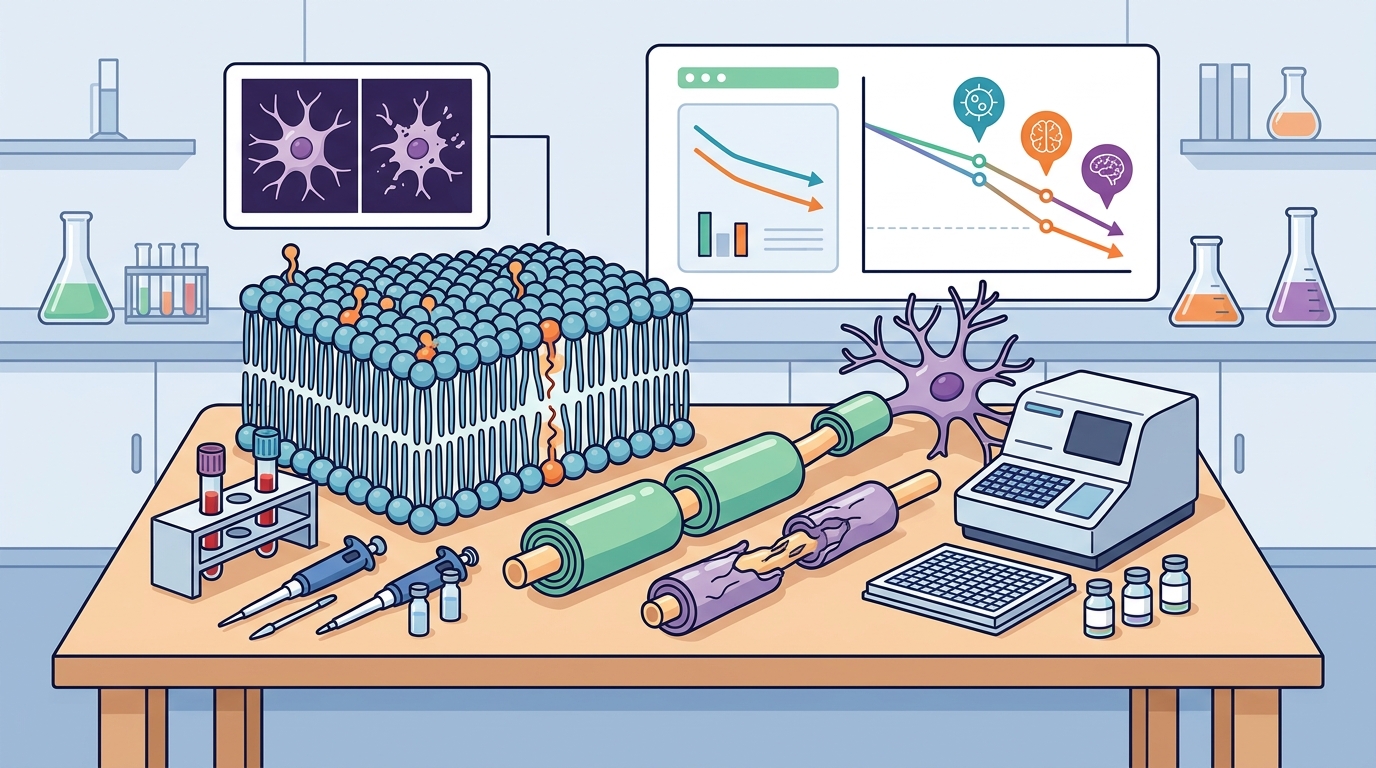
Plasmalogens are a unique class of phospholipids characterized by a vinyl-ether bond at the sn-1 position of the glycerol backbone. This chemical structure makes them highly susceptible to oxidative stress, allowing them to act as sacrificial antioxidants that protect other cellular components from damage. Plasmalogens are essential for maintaining membrane fluidity, facilitating signal transduction, and supporting mitochondrial function.
These molecules are found in high concentrations in the myelin sheaths of nerve cells, which are crucial for rapid nerve impulse transmission. They are also abundant in the heart muscle, where they support energy production and contractility. When plasmalogen levels drop, the integrity of these membranes can be compromised, leading to cellular dysfunction and increased vulnerability to oxidative damage.
For a deeper understanding of their biological role, you can explore What Are Plasmalogens? on Plasmalogen Science.
Signs of Low Plasmalogen Levels
Because plasmalogens are involved in nearly every major organ system, low levels can manifest through a wide range of symptoms. These signs often overlap with general aging or other metabolic conditions, making them easy to overlook without specific testing.
Cognitive and Neurological Changes
The brain is one of the first organs to show signs of plasmalogen deficiency. As plasmalogen levels decline, individuals may experience:
- Memory Loss: Difficulty recalling recent events or learning new information.
- Cognitive Fog: Reduced mental clarity, focus, and processing speed.
- Mood Changes: Increased susceptibility to anxiety, depression, or irritability.
These neurological signs are linked to the disruption of synaptic function and myelin integrity. How The Synapse Works in the Brain & Body explains how plasmalogens support the communication between nerve cells.
Cardiovascular and Metabolic Issues
The heart relies heavily on plasmalogens for energy production and electrical signaling. Low levels may contribute to:
- Reduced Cardiac Efficiency: Fatigue or shortness of breath during physical activity.
- Arrhythmias: Irregular heartbeats due to disrupted ion channel function.
- Metabolic Slowdown: Difficulty regulating blood sugar and lipid metabolism.
Immune and Inflammatory Symptoms
Plasmalogens play a key role in regulating the immune response. When levels are low, the body may struggle to control inflammation, leading to:
- Chronic Inflammation: Persistent low-grade inflammation that damages tissues over time.
- Increased Infection Risk: A weakened immune response to pathogens.
- Autoimmune Tendencies: Misdirected immune attacks on healthy cells.
For more on the immune system's role, see The Metabolic System’s Role in Plasmalogen Deficient Diseases.
Skeletal and Muscular Decline
Bones and muscles are also affected by plasmalogen deficiency. Signs include:
- Muscle Weakness: Reduced strength and endurance.
- Joint Pain: Increased stiffness and discomfort.
- Slow Recovery: Prolonged healing time after injury or exercise.
Learn more about How Bones & Muscle are Affected in Plasmalogen Deficient Diseases.
Causes of Plasmalogen Decline
Plasmalogen levels naturally decline with age, but several factors can accelerate this process. Understanding these causes is critical for developing strategies to maintain healthy levels.
Oxidative Stress
Because plasmalogens act as sacrificial antioxidants, they are consumed during the neutralization of free radicals. Chronic exposure to oxidative stress from pollution, UV radiation, poor diet, and smoking can deplete plasmalogen reserves faster than the body can replenish them.
Peroxisomal Dysfunction
Plasmalogens are synthesized in the peroxisomes, specialized organelles within cells. Any dysfunction in peroxisomal metabolism, whether genetic or acquired, can impair plasmalogen production. How the Body Produces Plasmalogens: The Complete Science of Biosynthesis details this complex biological pathway.
Nutritional Deficiencies
The body requires specific nutrients to synthesize plasmalogens, including choline, ethanolamine, and omega-3 fatty acids. A diet lacking in these essential building blocks can limit plasmalogen production. Additionally, deficiencies in B vitamins can impair the methylation processes required for plasmalogen synthesis.
Inflammation
Chronic inflammation creates a vicious cycle. Inflammatory processes generate free radicals that destroy plasmalogens, and low plasmalogen levels reduce the body's ability to control inflammation. This cycle can accelerate tissue damage and disease progression.
Genetic Factors
Certain genetic variations can affect the enzymes involved in plasmalogen synthesis or breakdown. Individuals with these genetic predispositions may experience a more rapid decline in plasmalogen levels, even with healthy lifestyle habits.
Measurement and Testing
Traditional blood tests often do not measure plasmalogen levels directly. Advanced health measurement techniques are required to assess plasmalogen status accurately. These methods can reveal early biological changes before symptoms become severe.
Advanced Lipidomics
Lipidomics is the large-scale study of lipids within cells, tissues, and organisms. Advanced lipidomic profiling can quantify specific plasmalogen species in the blood, providing a detailed picture of membrane health. This approach is far more sensitive than standard lipid panels.
Read more about The Importance of Advanced Health Measurements in Health and Longevity.
Biomarker Analysis
Other biomarkers, such as markers of oxidative stress and inflammation, can provide indirect evidence of plasmalogen deficiency. Elevated levels of these markers may suggest that plasmalogen reserves are being depleted.
Genetic Testing
Genetic testing can identify variations in genes involved in plasmalogen synthesis, helping to predict an individual's risk for low plasmalogen levels. This information can guide personalized prevention and treatment strategies.
Comparison of Testing Methods
| Testing Method | What It Measures | Accuracy for Plasmalogens | Accessibility |
|---|---|---|---|
| Standard Lipid Panel | Cholesterol and triglycerides | Low | High |
| Advanced Lipidomics | Specific phospholipid species | High | Moderate |
| Oxidative Stress Markers | Free radical damage | Indirect | Moderate |
| Genetic Testing | Enzyme function potential | Predictive | Moderate |
Key Takeaways
- Plasmalogens are critical ether phospholipids that protect cell membranes from oxidative damage.
- Low plasmalogen levels are associated with cognitive decline, cardiovascular issues, and chronic inflammation.
- Oxidative stress, peroxisomal dysfunction, and nutritional deficiencies are primary causes of plasmalogen decline.
- Advanced lipidomic testing is the most accurate way to measure plasmalogen levels.
- Early detection through advanced health measurements can help prevent long-term damage.
- Plasmalogen levels naturally decline with age, but lifestyle factors can accelerate or slow this process.
- Understanding the signs of low plasmalogens is the first step toward proactive health management.
Frequently Asked Questions
What are the earliest signs of low plasmalogen levels?
Early signs often include subtle cognitive changes, such as mild memory lapses or brain fog, and increased fatigue. These symptoms can be easily attributed to stress or aging, making them difficult to recognize without specific testing.
Can plasmalogen levels be restored?
While the body can synthesize plasmalogens, the efficiency of this process declines with age. Dietary interventions, such as increasing intake of choline and omega-3 fatty acids, may support production. However, direct supplementation strategies are still under research.
How is plasmalogen deficiency diagnosed?
Diagnosis typically involves advanced lipidomic profiling to measure specific plasmalogen species in the blood. Standard blood tests do not include plasmalogen measurements, so specialized testing is required.
What is the link between plasmalogens and Alzheimer's disease?
Research has shown significantly lower levels of plasmalogens in the brains of individuals with Alzheimer's disease. This deficiency is thought to contribute to the accumulation of amyloid-beta plaques and tau tangles, key features of the disease.
Do plasmalogens affect heart health?
Yes, plasmalogens are abundant in heart tissue and are essential for cardiac energy production and electrical signaling. Low levels may contribute to heart failure and arrhythmias.
How does oxidative stress deplete plasmalogens?
Plasmalogens act as sacrificial antioxidants, meaning they are consumed when neutralizing free radicals. Chronic oxidative stress leads to a continuous depletion of plasmalogen reserves.
What nutrients are needed to produce plasmalogens?
The body requires choline, ethanolamine, and omega-3 fatty acids to synthesize plasmalogens. Deficiencies in these nutrients can impair production.
Take Control of Your Healthspan
Understanding the signs of low plasmalogen levels and their causes is a powerful step toward proactive health management. By prioritizing advanced health measurements and addressing the root causes of plasmalogen decline, you can support your body's resilience and longevity.
For more information on how plasmalogens influence cellular energy and aging, visit Plasmalogens & Health. To learn about the science behind plasmalogen biosynthesis, explore How the Body Produces Plasmalogens.
Ready to take the next step? Contact Plasmalogen Science today to learn more about advanced testing and personalized health strategies.