

Plasmalogens are specialized ether phospholipids that serve as critical structural components of cell membranes, particularly in the brain, heart, and immune system. Recent research indicates that declining plasmalogen levels are a hallmark of aging and neurodegenerative conditions. According to a 2024 study published in the journal Cell Metabolism, individuals with Alzheimer's disease show significantly reduced plasmalogen concentrations in the brain compared to healthy controls. This decline is not merely a symptom but a driver of cellular dysfunction, oxidative stress, and impaired synaptic transmission. Understanding the specific signs of low plasmalogen levels and the biological causes behind their decline is essential for proactive health management and longevity.
What Are Plasmalogens?
To understand the signs of deficiency, one must first understand the molecule itself. Plasmalogens are specialized ether phospholipids found in the cell membranes of nearly all human cells. Unlike standard phospholipids, they possess a unique vinyl-ether bond at the sn-1 position, which provides them with exceptional antioxidant properties. This chemical structure allows them to act as sacrificial antioxidants, protecting the rest of the cell membrane from oxidative damage.
Plasmalogens are especially abundant in tissues with high metabolic demands. The brain contains the highest concentration of plasmalogens in the body, where they are vital for myelin sheath integrity and neuronal signaling. The heart also relies heavily on these lipids for proper electrical contraction and energy production. When plasmalogen levels drop, the structural integrity of these membranes weakens, leading to a cascade of biological failures.
Signs of Low Plasmalogen Levels
Because plasmalogens are involved in nearly every cellular function, their deficiency manifests in multiple systems. The signs are often subtle in early stages but become pronounced as oxidative stress accumulates. Recognizing these signs allows for earlier intervention through advanced health measurements.
Cognitive & Neurological Signs
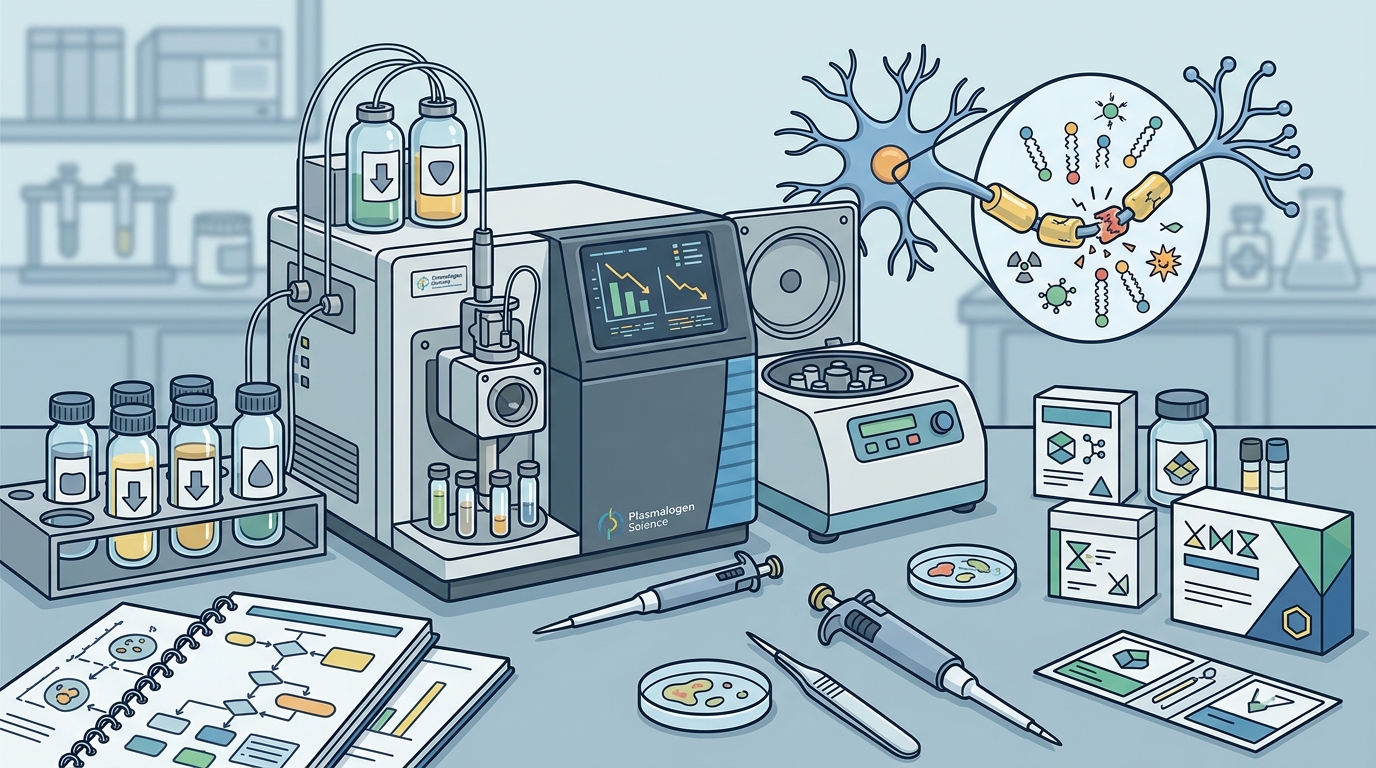
The brain is the first organ to show signs of plasmalogen deficiency due to its high lipid content and oxygen consumption. Plasmalogen deficiency is strongly linked to cognitive decline, memory loss, and reduced synaptic plasticity. Individuals may experience "brain fog," difficulty concentrating, or slower processing speeds. In more severe cases, low plasmalogen levels are a precursor to neurodegenerative diseases such as Alzheimer's and dementia. The loss of plasmalogens disrupts the myelin sheath, which insulates nerve fibers and ensures rapid signal transmission. When this insulation degrades, neurological communication slows down.
Cardiovascular & Energy Signs
The heart is a plasmalogen-rich organ. Low levels can lead to reduced cardiac efficiency and increased susceptibility to ischemic injury. Signs may include unexplained fatigue, reduced exercise tolerance, and irregular heart rhythms. Plasmalogens are crucial for mitochondrial function, the powerhouses of the cell. When plasmalogen levels drop, mitochondrial energy production decreases, leading to systemic fatigue. This is not just feeling tired after a long day; it is a deep, cellular-level exhaustion that does not resolve with rest.
Immune & Inflammatory Signs
Plasmalogens play a key role in regulating the immune response. They help control inflammation and protect cells from oxidative damage. Low plasmalogen levels are associated with chronic, low-grade inflammation. Signs include frequent infections, slow wound healing, and autoimmune flare-ups. The immune system becomes less effective at identifying and neutralizing threats, leading to a state of constant biological stress.
Skeletal & Muscular Signs
Recent research into plasmalogen deficient diseases highlights the impact on bones and muscles. Plasmalogen deficiency can lead to reduced muscle tone, joint contractures, and abnormal bone mineralization. In severe inherited disorders, these effects are dramatic. In the context of aging, low plasmalogen levels contribute to sarcopenia (muscle loss) and reduced mobility. The skeletal system relies on plasmalogens for proper cellular communication and repair. When these lipids are depleted, bone density may decrease, and joint flexibility is compromised.
Causes of Plasmalogen Decline
Plasmalogen synthesis is a complex biological process that occurs primarily in the peroxisomes of cells. Several factors can disrupt this process, leading to declining levels over time.
Aging and Biological Decline
The primary cause of low plasmalogen levels is aging. As we age, the efficiency of peroxisomal function declines. This reduces the body's ability to synthesize new plasmalogens. According to data from the National Institute on Aging, biological aging is associated with a progressive loss of membrane integrity and lipid homeostasis. This natural decline is exacerbated by oxidative stress, which consumes plasmalogens faster than they can be replaced.
Genetic Factors
Certain genetic mutations can severely impair plasmalogen biosynthesis. Disorders such as Rhizomelic Chondrodysplasia Punctata (RCDP) are caused by defects in the enzymes required for plasmalogen production. These conditions are rare but illustrate the critical importance of these lipids for development. Even in the absence of severe genetic disorders, genetic variations can influence individual plasmalogen levels and susceptibility to deficiency.
Oxidative Stress and Inflammation
Plasmalogens act as sacrificial antioxidants. They are designed to be oxidized to protect other cellular components. However, chronic oxidative stress from environmental toxins, poor diet, and inflammation can deplete plasmalogen stores faster than the body can replenish them. This creates a vicious cycle: low plasmalogens lead to more oxidative damage, which further impairs synthesis.
Nutritional Deficiencies
Plasmalogen synthesis requires specific nutrients, including choline, ethanolamine, and fatty acids. Diets lacking in these precursors can limit the body's ability to produce plasmalogens. Additionally, deficiencies in cofactors such as B vitamins and magnesium can impair the enzymatic pathways involved in biosynthesis.
Measurement & Testing
Traditional blood tests often do not measure plasmalogen levels. Advanced health measurement is required to assess plasmalogen status accurately. This involves specialized lipidomics testing that can quantify specific phospholipid classes in the blood.
| Testing Method | What It Measures | Relevance to Plasmalogens |
|---|---|---|
| Advanced Lipidomics | Specific phospholipid profiles | Directly quantifies plasmalogen levels |
| Standard Lipid Panel | Cholesterol and triglycerides | Does not measure plasmalogens |
| Plasma Biomarker Analysis | Oxidative stress markers | Indirectly indicates plasmalogen consumption |
| Genetic Testing | Enzyme mutations | Identifies biosynthesis defects |
Understanding your plasmalogen levels requires a proactive approach to health monitoring. Understanding Plasmalogen Levels is the first step in interpreting these advanced health measurements. By tracking these biomarkers over time, individuals can identify trends and make informed lifestyle changes to support plasmalogen health.
Key Takeaways
- Plasmalogens are specialized ether phospholipids that provide antioxidant protection and maintain cell membrane integrity.
- Cognitive decline is a primary sign of low plasmalogen levels due to their abundance in the brain and role in synaptic function.
- Aging is the main cause of decline, as peroxisomal function decreases with age, reducing biosynthesis efficiency.
- Chronic oxidative stress depletes plasmalogens faster than they can be replaced, creating a cycle of cellular damage.
- Advanced lipidomics testing is required to measure plasmalogen levels, as standard blood panels do not include them.
- Cardiovascular and muscular health are also impacted, leading to reduced energy and mobility.
- Genetic factors can impair biosynthesis, but lifestyle interventions can support remaining function.
Frequently Asked Questions
What are the earliest signs of low plasmalogen levels?
The earliest signs are often subtle cognitive changes, such as brain fog or mild memory lapses, along with increased fatigue. These symptoms occur because the brain is highly sensitive to changes in membrane lipid composition.
Can plasmalogen levels be increased through diet?
While diet provides precursors like choline and ethanolamine, direct dietary sources of plasmalogens are limited. However, reducing oxidative stress through an antioxidant-rich diet can help preserve existing plasmalogen levels. For more information, see What Are Plasmalogens?.
How does aging affect plasmalogen synthesis?
Aging reduces the efficiency of peroxisomes, the cellular organelles responsible for plasmalogen biosynthesis. This leads to a natural decline in plasmalogen production over time.
Is there a standard blood test for plasmalogens?
No, standard lipid panels do not measure plasmalogens. Advanced lipidomics testing is required to quantify specific phospholipid classes. Learn more about Plasmalogen Measurement & Biomarkers Overview.
What is the link between plasmalogens and Alzheimer's disease?
Research shows that plasmalogen levels are significantly lower in the brains of individuals with Alzheimer's disease. This deficiency is thought to contribute to the accumulation of amyloid-beta plaques and tau tangles.
Can plasmalogen deficiency cause muscle weakness?
Yes, plasmalogens are essential for muscle cell membrane function and energy production. Low levels can lead to reduced muscle tone and strength, particularly in aging populations.
How can I monitor my plasmalogen levels?
Monitoring requires specialized testing through advanced health measurement protocols. Regular tracking of these biomarkers can help assess the effectiveness of lifestyle interventions.
Take Control of Your Cellular Health
Understanding the signs of low plasmalogen levels and their causes is the first step toward protecting your long-term health. By prioritizing advanced health measurements and addressing oxidative stress, you can support your body's natural resilience. Contact Plasmalogen Science today to learn more about advanced testing and personalized strategies for maintaining optimal plasmalogen levels.