

Plasmalogens are specialized ether phospholipids that serve as critical structural components of cell membranes, particularly in the brain, heart, and immune system. Recent research indicates that declining plasmalogen levels are a hallmark of aging and neurodegenerative conditions, with some studies suggesting that levels can drop significantly in the brains of individuals with Alzheimer's disease. Understanding the specific signs of low plasmalogen levels and the biological causes behind their decline is essential for anyone focused on longevity, cognitive health, and cellular resilience.
What Are Plasmalogens?
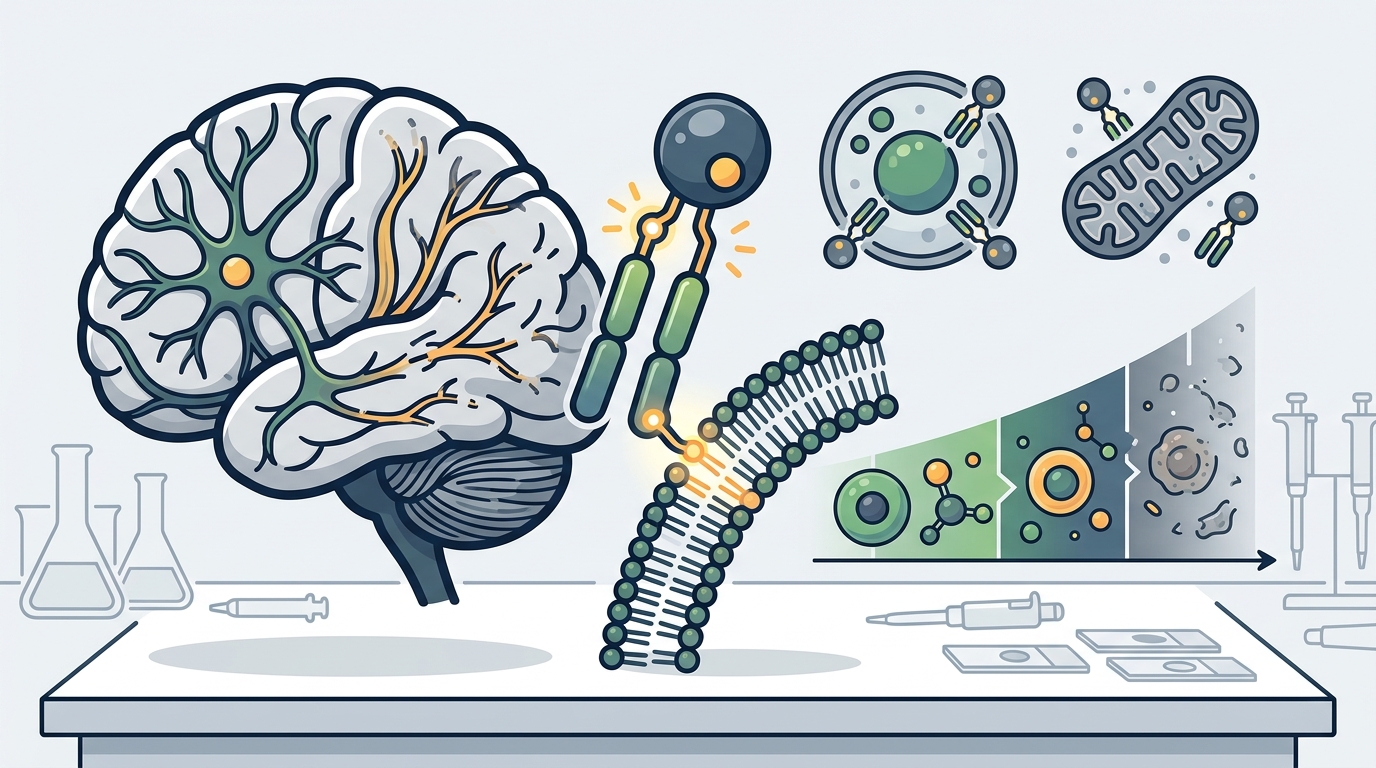
To understand the signs of low plasmalogen levels, we must first define what these molecules are. Plasmalogens are a unique class of ether phospholipids found in high concentrations in the myelin sheath of nerve cells and in the membranes of mitochondria. Unlike standard phospholipids, plasmalogens possess a vinyl-ether bond at the sn-1 position, which makes them highly susceptible to oxidative stress. This chemical structure allows them to act as sacrificial antioxidants, protecting the rest of the cell membrane from damage.
Plasmalogens are not just structural bricks; they are dynamic regulators of cellular function. They influence membrane fluidity, protein function, and signal transduction. Because they are so abundant in the brain and heart, any disruption in their production or maintenance can have profound effects on cognitive clarity, cardiac rhythm, and immune response.
For a deeper dive into the fundamental biology, you can explore the science of cellular health to understand how these lipids are synthesized and why they are vital for life.
Signs of Low Plasmalogen Levels
Plasmalogen deficiency does not always present with immediate, obvious symptoms. Often, the decline is gradual, mirroring the aging process itself. However, as levels drop, specific biological systems begin to show signs of stress. Recognizing these signs can help individuals take proactive steps toward health optimization.
Cognitive and Neurological Changes
The brain is the most plasmalogen-rich organ in the body. When levels decline, the integrity of the myelin sheath can be compromised. This may lead to:
- Brain Fog: Difficulty concentrating or recalling information.
- Memory Lapses: Increased frequency of forgetting names or recent events.
- Neuroinflammation: Chronic low-grade inflammation in neural tissues.
Research into cognitive and neurological systems shows that plasmalogen deficiency is closely linked to the progression of neurodegenerative diseases, including Alzheimer's and Parkinson's.
Cardiovascular and Metabolic Indicators
The heart relies heavily on plasmalogens for electrical stability and energy production. Low levels may contribute to:
- Arrhythmias: Irregular heartbeats due to compromised membrane potential.
- Reduced Exercise Tolerance: Early fatigue during physical activity.
- Metabolic Sluggishness: Difficulty regulating blood sugar or lipid metabolism.
Immune and Inflammatory Signs
Plasmalogens play a crucial role in regulating the immune response. When they are low, the body may struggle to control inflammation, leading to:
- Chronic Fatigue: Persistent tiredness not relieved by rest.
- Skin Aging: Loss of elasticity and increased oxidative damage to the skin.
- Increased Susceptibility to Infection: A weakened first line of defense.
Causes of Plasmalogen Decline
Understanding why plasmalogen levels drop is just as important as recognizing the signs. The decline is rarely due to a single factor but rather a combination of genetic, environmental, and lifestyle influences.
Aging and Peroxisomal Dysfunction
The primary cause of declining plasmalogen levels is the natural aging process. Plasmalogens are synthesized in the peroxisomes, specialized organelles within cells. As we age, peroxisomal function naturally declines. Peroxisomes are cellular organelles responsible for the initial steps of plasmalogen biosynthesis. When these organelles become less efficient, the production of new plasmalogens slows down, leading to a net deficit.
Oxidative Stress and Inflammation
Because plasmalogens act as sacrificial antioxidants, they are consumed during the process of neutralizing free radicals. In environments with high oxidative stress, such as chronic inflammation, pollution exposure, or poor diet, plasmalogens are depleted faster than they can be replaced. This creates a vicious cycle where low plasmalogen levels lead to more oxidative damage, which further depletes the remaining plasmalogens.
Nutritional Deficiencies
The body requires specific precursors to build plasmalogens, including choline, ethanolamine, and long-chain fatty acids. Diets lacking in these essential nutrients can impair synthesis. Additionally, deficiencies in B vitamins, particularly B12 and folate, can disrupt the methylation cycles required for plasmalogen production.
For more information on how diet and lifestyle impact these levels, read how plasmalogens influence cellular energy and overall metabolic health.
Genetic Factors
Certain genetic mutations can directly affect the enzymes involved in plasmalogen synthesis. While severe genetic disorders like Rhizomelic Chondrodysplasia Punctata (RCDP) cause profound deficiency, more common genetic variations can lead to subtle, age-related declines that still impact healthspan.
Measurement & Testing
One of the challenges with plasmalogen deficiency is that standard blood tests do not typically measure plasmalogen levels. This is why advanced health measurement is critical for early detection.
| Testing Method | What It Measures | Relevance to Plasmalogens |
|---|---|---|
| Advanced Lipidomics | Specific lipid species in blood plasma | Directly quantifies plasmalogen concentrations |
| Standard Lipid Panel | Cholesterol and triglycerides | Indirect; may show metabolic strain but not plasmalogen levels |
| Inflammatory Markers | CRP, IL-6 | Indicates oxidative stress that depletes plasmalogens |
| Neuroimaging | Brain structure and function | Can show atrophy associated with long-term deficiency |
Advanced testing allows for a more precise view of healthspan. By tracking plasmalogen levels over time, individuals can see how lifestyle interventions impact their cellular resilience. Learn more about understanding plasmalogen levels and what they reveal about your biological age.
Key Takeaways
- Plasmalogens are vital for membrane integrity: They protect cells from oxidative stress and support neural communication.
- Cognitive decline is a primary sign: Brain fog, memory issues, and neuroinflammation often precede other symptoms.
- Aging is the main driver: Peroxisomal dysfunction leads to reduced synthesis as we get older.
- Oxidative stress accelerates depletion: Chronic inflammation consumes plasmalogens faster than they can be replaced.
- Standard tests miss deficiency: Advanced lipidomics is required to accurately measure plasmalogen levels.
- Nutrition matters: Adequate intake of choline, ethanolamine, and B vitamins supports synthesis.
- Early intervention is key: Addressing plasmalogen levels can support longevity and cognitive health.
Frequently Asked Questions
What is the primary function of plasmalogens in the body?
Plasmalogens serve as critical structural components of cell membranes and act as potent antioxidants, protecting cells from oxidative damage and supporting proper signaling.
How do plasmalogen levels change with age?
Plasmalogen levels naturally decline with age due to reduced peroxisomal function and increased oxidative stress, which can contribute to age-related cognitive and physical decline.
Can low plasmalogen levels cause heart problems?
Yes, plasmalogens are abundant in heart tissue. Low levels may contribute to arrhythmias and reduced cardiac efficiency due to compromised membrane stability.
How are plasmalogen levels measured?
Plasmalogen levels are measured through advanced lipidomics testing, which analyzes specific lipid species in the blood, rather than through standard cholesterol panels.
What nutrients support plasmalogen production?
Choline, ethanolamine, and long-chain fatty acids are essential precursors for plasmalogen synthesis, along with B vitamins that support the methylation cycles involved.
Are plasmalogens only important for the brain?
No, while the brain has the highest concentration, plasmalogens are also critical for heart health, immune function, and skin integrity.
What is the link between plasmalogens and Alzheimer's disease?
Research shows that plasmalogen levels are significantly lower in the brains of individuals with Alzheimer's disease, suggesting a role in the disease's progression.
Take Control of Your Cellular Health
Understanding the signs of low plasmalogen levels and their causes is the first step toward proactive health management. By prioritizing advanced measurement and addressing the root causes of decline, you can support your body's resilience and longevity.
Ready to learn more about how plasmalogens impact your health? Visit Plasmalogen Science to explore our comprehensive resources on cellular health, biosynthesis, and advanced testing.