

Plasmalogens are specialized ether phospholipids that serve as critical structural components of cell membranes, particularly in the brain, heart, and immune system. Recent research indicates that declining plasmalogen levels are a hallmark of aging and neurodegenerative conditions, with some studies suggesting that these lipids decrease significantly in the brains of individuals with Alzheimer's disease. Understanding the specific signs of low plasmalogen levels and the biological causes behind their decline is essential for proactive health management and longevity. (About This Project Plasmalogen)
What Are Plasmalogens?
Plasmalogens are a unique class of phospholipids characterized by a vinyl-ether linkage at the sn-1 position of the glycerol backbone. This chemical structure is rare in nature and provides plasmalogens with distinct antioxidant properties. Unlike standard phospholipids, plasmalogens can sacrifice their vinyl-ether bond to neutralize free radicals, thereby protecting the rest of the cell membrane from oxidative damage. (How Bones amp Muscle)
These molecules are abundant in the myelin sheath of nerve cells, which is essential for rapid signal transmission. They are also critical in the mitochondria, where they support energy production and cellular respiration. Because of their role in maintaining membrane fluidity and integrity, plasmalogens are vital for cellular communication and immune response. When plasmalogen levels drop, the structural integrity of these membranes can be compromised, leading to cellular dysfunction.
Signs of Low Plasmalogen Levels
Because plasmalogens are involved in nearly every major organ system, low levels can manifest through a wide range of symptoms. These signs often overlap with general aging or other metabolic conditions, making them difficult to identify without specific testing. However, recognizing these patterns can provide early indicators of biological stress.
Cognitive and Neurological Changes
The brain is one of the most plasmalogen-rich organs in the body. Declines in these lipids are strongly associated with cognitive impairment. Early signs may include subtle memory lapses, difficulty concentrating, or slower processing speeds. In more advanced stages, low plasmalogen levels are linked to neurodegenerative diseases such as Alzheimer's and dementia. The loss of plasmalogens in the myelin sheath can disrupt neural communication, leading to cognitive decline.
Cardiovascular Issues
The heart relies heavily on plasmalogens for proper function. Low levels are associated with an increased risk of heart failure and arrhythmias. Plasmalogens help regulate calcium signaling in cardiac cells, which is crucial for maintaining a steady heartbeat. When these levels drop, the heart muscle may become less efficient, leading to fatigue and reduced exercise tolerance.
Immune System Dysfunction
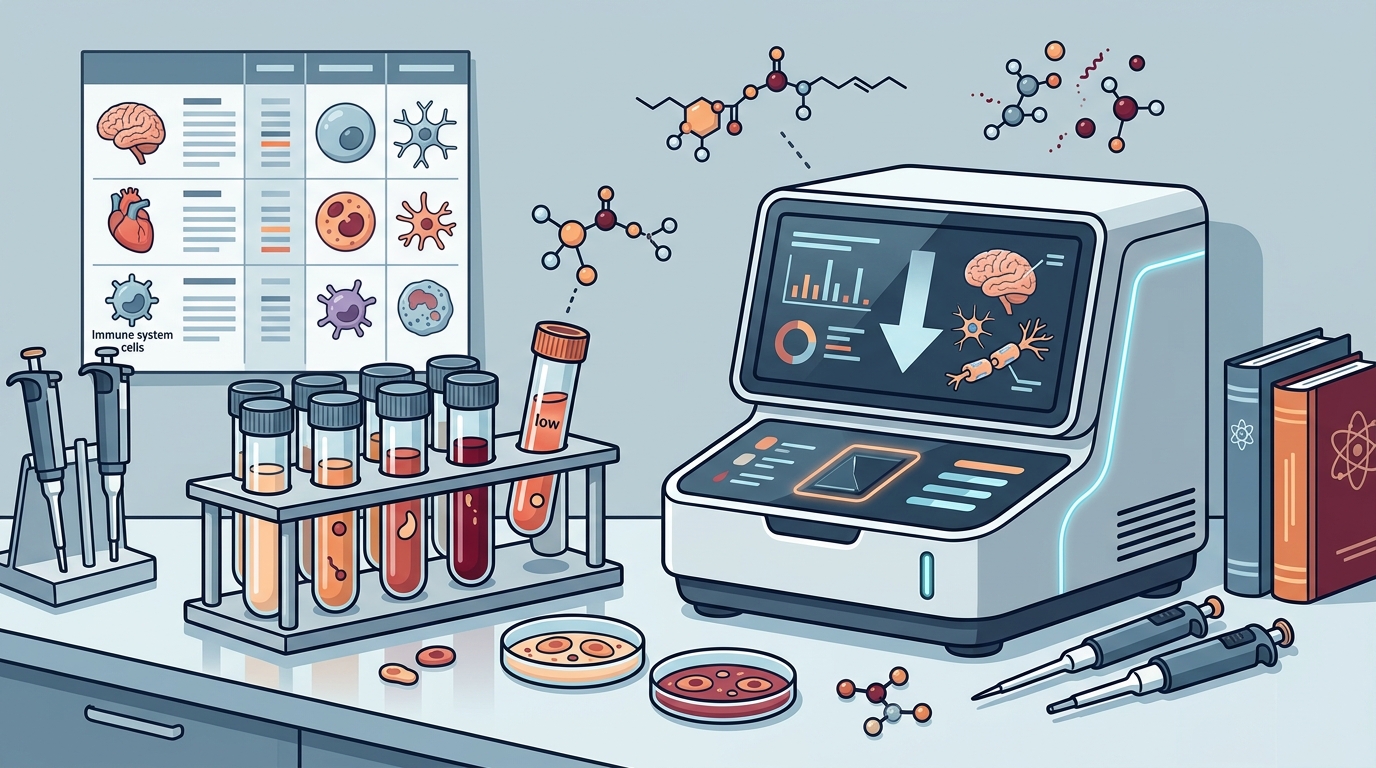
Plasmalogens play a key role in modulating the immune response. Low levels can lead to chronic inflammation and a weakened ability to fight off infections. This may manifest as frequent illnesses, slow wound healing, or autoimmune-like symptoms. The immune cells themselves require plasmalogens for proper signaling and function, so a deficiency can impair the body's overall defense mechanisms.
Skeletal and Muscular Problems
Bones and muscles are also affected by plasmalogen deficiency. Signs may include reduced bone density, joint pain, and muscle weakness. In severe cases, such as in certain inherited plasmalogen deficient diseases, skeletal abnormalities and motor delays can occur. Even in aging individuals, low plasmalogen levels can contribute to sarcopenia (muscle loss) and osteoporosis.
Causes of Plasmalogen Decline
Several factors contribute to the decline of plasmalogen levels in the body. Understanding these causes is crucial for developing strategies to maintain or restore healthy levels.
Aging
Aging is the primary driver of plasmalogen decline. As we age, the body's ability to synthesize plasmalogens decreases. This is partly due to reduced activity of the enzymes involved in plasmalogen biosynthesis, particularly those located in the peroxisomes. The decline in plasmalogen levels is a natural part of the aging process, but it can be accelerated by other lifestyle and environmental factors.
Oxidative Stress
Because plasmalogens act as sacrificial antioxidants, they are consumed during the neutralization of free radicals. High levels of oxidative stress, caused by factors such as pollution, UV radiation, and poor diet, can deplete plasmalogen stores faster than the body can replenish them. This creates a vicious cycle where low plasmalogen levels lead to increased oxidative damage, which further depletes plasmalogens.
Genetic Factors
Certain genetic mutations can impair the body's ability to produce plasmalogens. Disorders such as Rhizomelic Chondrodysplasia Punctata (RCDP) are caused by defects in the peroxisomal pathways responsible for plasmalogen synthesis. While these are rare, they highlight the genetic basis of plasmalogen production. More common genetic variations may also influence individual susceptibility to plasmalogen decline.
Diet and Lifestyle
Diet plays a significant role in plasmalogen levels. A diet high in saturated fats and low in essential nutrients can impair plasmalogen synthesis. Conversely, a diet rich in omega-3 fatty acids and antioxidants may support plasmalogen health. Lifestyle factors such as chronic stress, lack of sleep, and sedentary behavior can also contribute to oxidative stress and inflammation, accelerating plasmalogen decline. (Plasmalogen levels in)
Measurement & Testing
Traditional blood tests do not typically measure plasmalogen levels. Advanced health measurements are required to assess plasmalogen status accurately. This includes specialized lipidomics testing, which can quantify specific phospholipid classes in the blood.
Advanced health measurement looks deeper than standard markers. It examines patterns in metabolism, inflammation, cellular energy, and lipid biology. By analyzing these patterns, healthcare providers can identify early biological changes that may not yet be apparent through routine testing. This approach allows for more precise interventions and personalized health strategies.
Comparing Testing Methods
| Testing Method | What It Measures | Relevance to Plasmalogens |
|---|---|---|
| Standard Lipid Panel | Cholesterol and triglycerides | Low relevance; does not measure phospholipids |
| Advanced Lipidomics | Specific phospholipid classes | High relevance; directly quantifies plasmalogens |
| Inflammatory Markers | C-reactive protein, etc. | Indirect relevance; indicates oxidative stress |
| Genetic Testing | Gene mutations | High relevance; identifies biosynthesis defects |
Key Takeaways
- Plasmalogens are specialized ether phospholipids essential for cell membrane integrity and antioxidant defense.
- Low plasmalogen levels are associated with cognitive decline, cardiovascular issues, immune dysfunction, and skeletal problems.
- Aging is the primary cause of plasmalogen decline, driven by reduced enzyme activity in peroxisomes.
- Oxidative stress depletes plasmalogens as they act as sacrificial antioxidants.
- Advanced lipidomics testing is required to accurately measure plasmalogen levels.
- Genetic factors can impair plasmalogen biosynthesis, leading to severe deficiency disorders.
- Diet and lifestyle choices significantly impact plasmalogen health and longevity.
Frequently Asked Questions
What are the earliest signs of low plasmalogen levels?
Early signs often include subtle cognitive changes, such as memory lapses or difficulty concentrating, as well as increased fatigue and reduced exercise tolerance.
Can plasmalogen levels be restored?
While the body can synthesize plasmalogens, this ability declines with age. Dietary interventions and lifestyle changes may support plasmalogen health, but direct supplementation is an area of ongoing research.
How is plasmalogen deficiency diagnosed?
Diagnosis typically involves advanced lipidomics testing to measure specific phospholipid classes in the blood, as standard blood tests do not detect plasmalogen levels.
What is the role of plasmalogens in the brain?
Plasmalogens are crucial for the integrity of the myelin sheath, which insulates nerve fibers and ensures rapid signal transmission. They also protect brain cells from oxidative damage.
Are plasmalogen deficiencies genetic?
Yes, certain genetic mutations can impair the body's ability to produce plasmalogens. However, age-related decline is the most common cause of low levels in the general population.
How does oxidative stress affect plasmalogens?
Plasmalogens act as sacrificial antioxidants, meaning they are consumed when neutralizing free radicals. High oxidative stress can deplete plasmalogen stores faster than the body can replenish them.
What lifestyle changes can support plasmalogen health?
A diet rich in omega-3 fatty acids and antioxidants, regular exercise, stress management, and adequate sleep can help reduce oxidative stress and support plasmalogen synthesis.
Next Steps
Understanding your plasmalogen levels is a critical step in proactive health management. If you are concerned about cognitive decline, cardiovascular health, or aging, consider exploring advanced health measurements to gain deeper insights into your biological status. For more information on plasmalogen science and how to support your healthspan, visit our home page or learn more about advanced health measurements. To discuss your specific health goals, contact us today.