

Plasmalogens are specialized ether phospholipids that serve as critical structural and functional components of cell membranes, particularly in the brain and nervous system. Recent scientific inquiry has established a profound connection between declining plasmalogen levels and the progression of neurodegenerative conditions. These molecules are not merely passive structural elements; they are active participants in cellular defense, signaling, and repair. When plasmalogen biosynthesis falters, neurons lose their ability to withstand oxidative stress and maintain synaptic integrity, creating a biological environment where diseases like Alzheimer's and Parkinson's can take root and advance.
What Are Plasmalogens?
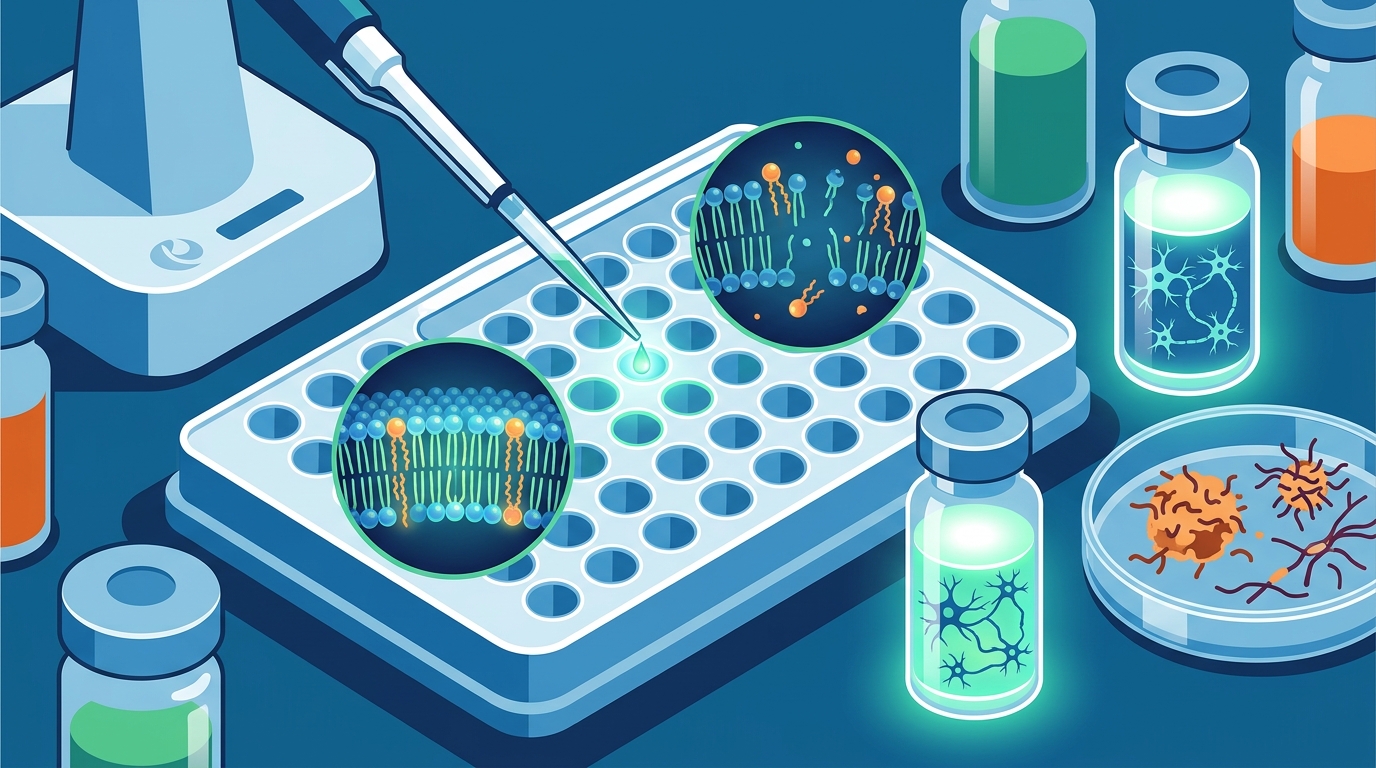
To understand the link to neurodegeneration, one must first understand the molecule itself. Plasmalogens are specialized ether phospholipids found in cell membranes throughout the body. Unlike most other phospholipids, they possess a unique vinyl-ether bond at the sn-1 position. This chemical structure is not accidental; it is the key to their biological function.
These lipids are especially abundant in tissues with high metabolic demands and rapid signaling requirements. The brain is one such tissue. The heart, lungs, and immune system also rely heavily on plasmalogens for proper function. In the context of the nervous system, plasmalogens are integral to the myelin sheath, which insulates nerve fibers and ensures rapid signal transmission.
The production of plasmalogens occurs primarily in peroxisomes, specialized organelles within cells responsible for breaking down very long-chain fatty acids and synthesizing ether lipids. This process is complex and requires precise coordination between peroxisomes and mitochondria. When this biosynthetic pathway is disrupted, whether by genetic factors, aging, or environmental stressors, plasmalogen levels drop. This drop is not just a biomarker; it is a driver of cellular dysfunction.
Synaptic Integrity and Neurodegeneration
The brain is a network of billions of neurons connected by synapses. A synapse is the communication site where one nerve cell passes information to another cell. This communication is the basis of thought, memory, movement, and sensation. For synapses to function, they require a highly specialized lipid environment that allows for membrane fluidity, vesicle fusion, and receptor mobility.
Plasmalogens are critical for maintaining this environment. They help regulate the fluidity of the synaptic membrane, ensuring that neurotransmitter receptors can move and interact efficiently. They also play a role in the formation and maintenance of the myelin sheath. Myelin is the fatty insulation around nerve fibers that allows electrical impulses to travel quickly. Without adequate plasmalogens, myelin integrity can be compromised, leading to slower signal transmission and increased vulnerability to damage.
When plasmalogen levels decline, the synaptic membrane becomes less stable. This instability can lead to impaired neurotransmitter release, reduced receptor sensitivity, and increased susceptibility to excitotoxicity, a process where nerve cells are damaged by excessive stimulation. These changes are early indicators of synaptic failure, a hallmark of neurodegenerative diseases.
Oxidative Stress and Membrane Protection
One of the most significant roles of plasmalogens is their function as antioxidants. The brain consumes a disproportionate amount of oxygen, making it highly susceptible to oxidative stress. Reactive oxygen species (ROS) are produced as byproducts of metabolism and can damage cellular components, including lipids, proteins, and DNA.
Plasmalogens act as sacrificial antioxidants. The vinyl-ether bond in plasmalogens is highly reactive to ROS. When an ROS molecule encounters a plasmalogen, the bond absorbs the attack, neutralizing the threat and protecting the more critical structural components of the cell membrane. This process prevents lipid peroxidation, a chain reaction that can destroy cell membranes and lead to cell death.
In neurodegenerative conditions, the balance between oxidative stress and antioxidant defense is often tipped toward damage. If plasmalogen levels are low, the brain loses its primary lipid-based defense mechanism. This leaves neurons vulnerable to cumulative oxidative damage, which accelerates aging and disease progression. Research indicates that oxidative stress is not just a consequence of neurodegeneration but a contributing cause.
Plasmalogens and Alzheimer's Disease
Alzheimer's disease is characterized by the accumulation of amyloid-beta plaques and tau tangles in the brain. However, recent research suggests that lipid metabolism dysfunction, specifically plasmalogen deficiency, may precede or exacerbate these pathological features.
Studies have shown that individuals with Alzheimer's disease have significantly lower levels of plasmalogens in their brains and cerebrospinal fluid compared to healthy controls. This deficiency is not uniform; it affects specific types of plasmalogens, particularly those containing docosahexaenoic acid (DHA), a fatty acid critical for brain health.
The link between plasmalogens and Alzheimer's is multifaceted. First, the lack of plasmalogens increases oxidative stress, which can promote the aggregation of amyloid-beta. Second, plasmalogens are involved in the clearance of amyloid-beta. When plasmalogen levels are low, this clearance mechanism is impaired, allowing toxic proteins to accumulate. Third, the synaptic dysfunction caused by plasmalogen deficiency contributes to the cognitive decline observed in Alzheimer's patients.
Furthermore, the biosynthesis of plasmalogens declines with age. This age-related decline may explain why Alzheimer's disease is more common in older adults. The loss of plasmalogen-mediated protection creates a permissive environment for neurodegeneration to take hold.
Plasmalogens and Parkinson's Disease
Parkinson's disease is primarily known for the loss of dopamine-producing neurons in the substantia nigra. However, like Alzheimer's, it is also associated with widespread lipid metabolism abnormalities. Plasmalogens play a crucial role in protecting these neurons from oxidative damage.
Dopamine metabolism itself produces reactive oxygen species. Therefore, dopamine-producing neurons are inherently vulnerable to oxidative stress. Plasmalogens provide a critical shield against this self-inflicted damage. When plasmalogen levels are insufficient, these neurons are more likely to undergo apoptosis, or programmed cell death.
Additionally, plasmalogens are involved in mitochondrial function. Mitochondria are the powerhouses of the cell, and their dysfunction is a key feature of Parkinson's disease. Plasmalogens help maintain mitochondrial membrane integrity and support energy production. A deficiency in plasmalogens can lead to mitochondrial failure, further compromising neuronal health.
Recent animal studies have demonstrated that restoring plasmalogen levels can protect against Parkinsonian symptoms. These findings suggest that plasmalogen biology is not just a bystander in Parkinson's disease but a potential therapeutic target. Understanding this link opens new avenues for intervention and prevention.
Measurement and Testing
Given the importance of plasmalogens in brain health, measuring their levels has become a priority in advanced health diagnostics. Traditional testing often misses these specific lipid profiles. Advanced health measurement looks deeper into lipidomics to reveal early biological patterns.
Plasmalogen measurement involves specialized blood tests that quantify the levels of different plasmalogen species. These tests can identify deficiencies before clinical symptoms appear. Early detection is crucial because it allows for interventions that may slow or prevent the progression of neurodegenerative conditions.
Longitudinal tracking of plasmalogen levels provides valuable insights into an individual's brain health trajectory. By monitoring changes over time, healthcare providers can assess the effectiveness of lifestyle interventions or therapeutic strategies. This approach aligns with the broader goal of healthspan, focusing on maintaining function and resilience rather than just treating disease.
| Condition | Plasmalogen Status | Primary Mechanism of Impact | Key Biological Marker |
|---|---|---|---|
| Alzheimer's Disease | Significantly Reduced | Impaired Amyloid Clearance | Low DHA-Plasmalogens |
| Parkinson's Disease | Reduced in Substantia Nigra | Increased Oxidative Stress | Mitochondrial Dysfunction |
| Healthy Aging | Gradual Decline | Age-Related Biosynthesis Drop | Baseline Lipidomics |
| Plasmalogen Deficient Diseases | Critically Low | Genetic Biosynthesis Failure | Peroxisomal Markers |
Key Takeaways
- Plasmalogens are specialized ether phospholipids essential for brain membrane integrity and function.
- They act as sacrificial antioxidants, protecting neurons from oxidative stress, a key driver of neurodegeneration.
- Alzheimer's disease is associated with significantly lower levels of plasmalogens, particularly those containing DHA.
- Parkinson's disease involves the loss of dopamine-producing neurons, which are highly vulnerable to oxidative damage without adequate plasmalogens.
- Plasmalogen biosynthesis declines with age, contributing to the increased risk of neurodegenerative conditions in older adults.
- Advanced lipidomics testing can detect plasmalogen deficiencies before clinical symptoms manifest.
- Restoring plasmalogen levels has shown protective effects in animal models of Parkinson's disease.
Frequently Asked Questions
What exactly are plasmalogens?
Plasmalogens are specialized ether phospholipids found in cell membranes, particularly in the brain and heart. They play a critical role in membrane structure, signaling, and protection against oxidative stress.
How do plasmalogens protect the brain?
Plasmalogens protect the brain by acting as antioxidants. Their unique chemical structure allows them to neutralize reactive oxygen species, preventing damage to neuronal membranes and mitochondria.
Is there a link between plasmalogens and Alzheimer's?
Yes, research shows that individuals with Alzheimer's disease have lower levels of plasmalogens. This deficiency may contribute to the accumulation of toxic proteins and synaptic dysfunction.
Can plasmalogen levels be measured?
Yes, advanced health measurements include specialized lipidomics tests that can quantify plasmalogen levels in the blood. This allows for early detection of deficiencies.
Why are plasmalogens important for Parkinson's?
Dopamine-producing neurons are highly susceptible to oxidative stress. Plasmalogens provide essential protection for these neurons, and their deficiency may accelerate neuronal loss in Parkinson's disease.
Do plasmalogen levels decrease with age?
Yes, plasmalogen biosynthesis naturally declines with age. This age-related drop is a significant factor in the increased risk of neurodegenerative diseases in older populations.
Can plasmalogen deficiency be reversed?
While genetic deficiencies are challenging to reverse, lifestyle interventions and targeted supplementation may help support plasmalogen levels and brain health in age-related decline.
What is the role of peroxisomes in plasmalogen production?
Peroxisomes are the cellular organelles responsible for the initial steps of plasmalogen biosynthesis. Dysfunction in peroxisomes can lead to severe plasmalogen deficiencies.
Take Action for Your Brain Health
Understanding the link between plasmalogens and neurodegeneration is the first step toward proactive brain health. If you are concerned about your risk for Alzheimer's or Parkinson's, or if you want to optimize your cognitive resilience, advanced measurement is essential. Visit Advanced Health Measurements to learn more about testing options. For a deeper understanding of the science, explore our What Are Plasmalogens resource. To discuss your specific health goals, Contact our team today.