

What Are Plasmalogens and Why Are They Important for Human Health?
Plasmalogens are specialized ether phospholipids that serve as critical structural components of cell membranes throughout the human body. Unlike standard phospholipids, they possess a unique vinyl-ether bond that provides exceptional protection against oxidative stress and supports cellular signaling. Recent research into advanced health measurements indicates that plasmalogen levels decline significantly with age, linking them directly to longevity, cognitive function, and metabolic resilience. Understanding these molecules is essential for grasping how the body maintains cellular integrity and prevents degenerative disease. (About This Project Plasmalogen)
What Are Plasmalogens?
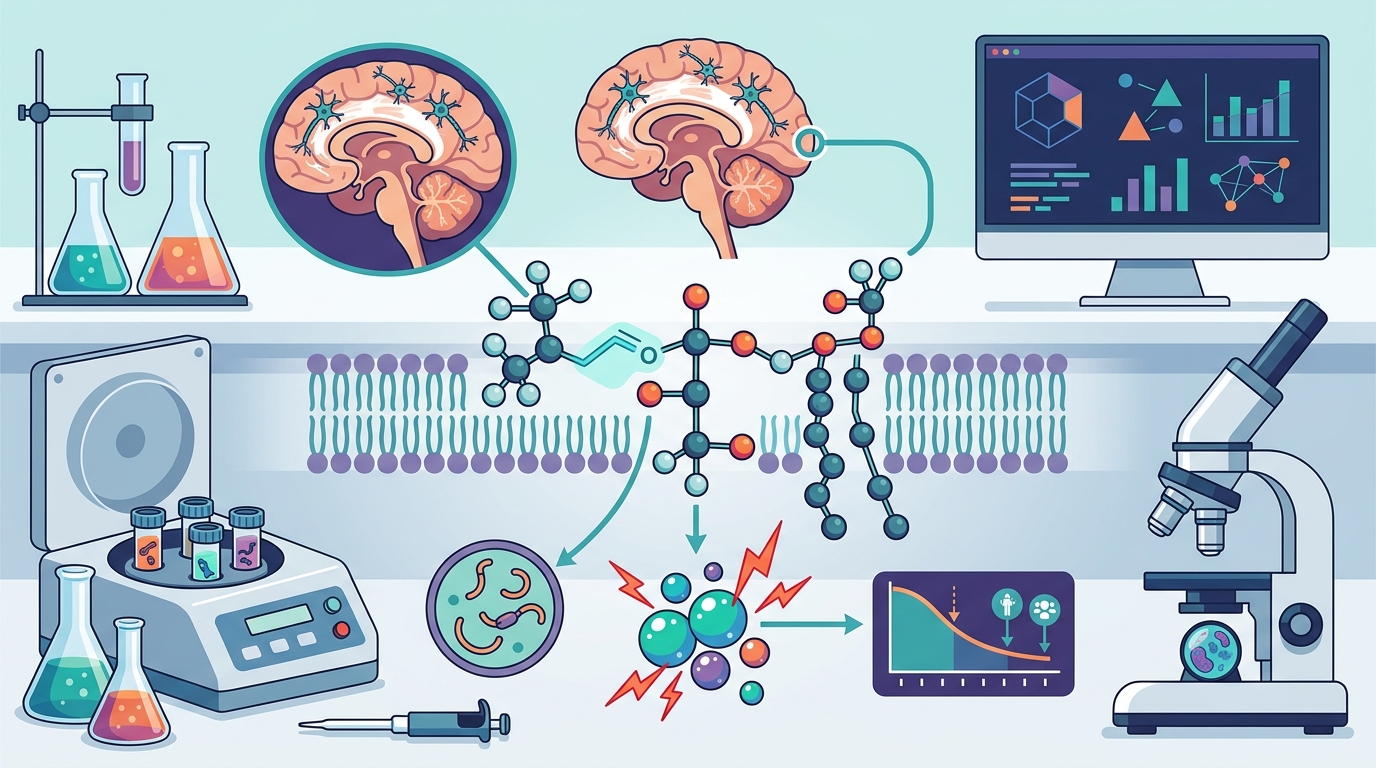
Plasmalogens are a specific class of phospholipids found in high concentrations in the brain, heart, and immune cells. They are distinct because of their ether linkage at the sn-1 position of the glycerol backbone, which makes them highly resistant to oxidative damage. This structural uniqueness allows them to act as sacrificial antioxidants, protecting other cellular components from free radical injury.
These molecules are not merely passive structural elements. They play active roles in membrane fluidity, protein function, and signal transduction. The body produces plasmalogens through a complex biosynthetic pathway that requires peroxisomes, specialized organelles responsible for breaking down fatty acids and synthesizing ether lipids. When this pathway is disrupted, the consequences for cellular health can be severe.
Plasmalogens are essential for the formation of the myelin sheath, the protective covering of nerve fibers. Without adequate plasmalogen levels, nerve signal transmission slows, leading to cognitive and motor deficits. This highlights why plasmalogens are often referred to as the "guardians of the membrane."
How Plasmalogens Work in the Body
The function of plasmalogens extends far beyond simple membrane structure. They are integral to the efficiency of cellular energy production and the regulation of inflammation. By maintaining the integrity of the cell membrane, they ensure that nutrients enter cells and waste products exit efficiently.
Cellular Energy and Mitochondrial Support
Plasmalogens are crucial for mitochondrial function. They help maintain the optimal environment for electron transport chain proteins, which are responsible for generating ATP, the body's primary energy currency. When plasmalogen levels drop, mitochondrial efficiency declines, leading to reduced energy output and increased production of reactive oxygen species.
This creates a vicious cycle where oxidative stress further damages plasmalogen synthesis, leading to even lower levels. Breaking this cycle is a key focus of longevity research and advanced health measurement protocols.
Neurotransmission and Synaptic Function
In the brain, plasmalogens are vital for the health of synapses, the junctions where nerve cells communicate. They influence the release of neurotransmitters and the sensitivity of receptors. Adequate plasmalogen levels support neuroplasticity, the brain's ability to adapt and form new connections, which is essential for learning and memory.
Research into the synapse shows that plasmalogens help stabilize the synaptic membrane, ensuring that signals are transmitted quickly and accurately. This is particularly important in the hippocampus, a region critical for memory formation.
Plasmalogens and Human Health
The importance of plasmalogens becomes most apparent when their levels are compromised. Low plasmalogen levels are associated with a wide range of health issues, from cognitive decline to cardiovascular disease. Understanding these connections helps explain why maintaining plasmalogen health is a priority for long-term wellness.
Cognitive and Neurological Health
One of the most significant roles of plasmalogens is in protecting the brain from neurodegenerative diseases. Studies have shown that individuals with Alzheimer's disease and other forms of dementia often have significantly lower levels of plasmalogens in their brain tissue. This deficiency is thought to contribute to the accumulation of amyloid plaques and tau tangles, hallmarks of these conditions.
By reducing oxidative stress and supporting membrane integrity, plasmalogens help preserve cognitive function. They also play a role in regulating inflammation in the brain, which is a key driver of neurodegeneration.
Cardiovascular and Immune Function
Plasmalogens are abundant in heart tissue, where they protect cardiac cells from oxidative damage during periods of high metabolic demand. They also influence the function of immune cells, helping to regulate the inflammatory response. An imbalance in plasmalogen levels can lead to chronic inflammation, which is a root cause of many modern diseases.
Furthermore, plasmalogens are involved in the metabolism of lipids. They help transport cholesterol and other fats through the bloodstream, influencing cardiovascular health. Disruptions in this process can contribute to atherosclerosis and other vascular conditions.
Measuring Plasmalogen Levels
Traditionally, plasmalogens have been difficult to measure in clinical settings. Standard lipid panels do not include plasmalogen levels, which means that many people may have low levels without knowing it. Advanced health measurements are changing this landscape by providing more detailed insights into lipid biology.
Advanced Lipidomics
Advanced lipidomics allows for the precise quantification of specific phospholipid classes, including plasmalogens. This technology can detect subtle changes in plasmalogen levels that may indicate early metabolic dysfunction or oxidative stress. It provides a more comprehensive view of health than traditional testing alone.
By tracking plasmalogen levels over time, individuals and healthcare providers can monitor the effectiveness of interventions aimed at improving cellular health. This longitudinal approach is more powerful than one-time testing because it reveals trends and patterns in biological aging.
Why Standard Testing Misses the Mark
Standard blood tests focus on broad categories like cholesterol and triglycerides. They do not examine the specific composition of cell membranes or the status of ether lipids. As a result, a person can have "normal" cholesterol levels while still suffering from significant plasmalogen deficiency.
This gap in traditional testing highlights the need for advanced biomarkers. Plasmalogen measurement belongs in advanced health testing because it reveals the underlying state of cellular resilience and membrane integrity.
Signs of Low Plasmalogens
Plasmalogen levels naturally decline with age, but this decline can be accelerated by factors such as poor diet, chronic stress, and environmental toxins. Recognizing the signs of low plasmalogens can help individuals take proactive steps to support their health.
Cognitive and Physical Symptoms
Common signs of low plasmalogens include brain fog, memory lapses, and difficulty concentrating. Physically, individuals may experience fatigue, muscle weakness, and joint pain. These symptoms are often non-specific and can be attributed to other causes, making them easy to overlook.
However, when these symptoms persist, they may indicate a deeper issue with cellular health. Addressing plasmalogen deficiency through lifestyle changes and targeted supplementation may help alleviate these symptoms.
Impact on Aging and Longevity
Low plasmalogen levels are a marker of accelerated biological aging. They are associated with reduced lifespan and healthspan in various animal models. Maintaining healthy plasmalogen levels is therefore a key strategy for promoting longevity and healthy aging.
Research into plasmalogens in animals has shown that supplementation can improve mobility, recovery, and overall vitality. These findings suggest similar benefits may be possible for humans.
Key Takeaways
- Plasmalogens are specialized ether phospholipids that protect cell membranes from oxidative stress and support cellular signaling.
- They are critical for brain health, particularly in the formation of the myelin sheath and the function of synapses.
- Plasmalogen levels decline with age, contributing to cognitive decline and increased risk of neurodegenerative diseases.
- Standard lipid panels do not measure plasmalogens, making advanced health measurements necessary for accurate assessment.
- Low plasmalogen levels are linked to cardiovascular disease, immune dysfunction, and accelerated biological aging.
- Advanced lipidomics provides a precise way to monitor plasmalogen levels and track changes over time.
- Supporting plasmalogen health through diet, lifestyle, and potentially supplementation is a key strategy for longevity.
Frequently Asked Questions
What exactly are plasmalogens?
Plasmalogens are a type of phospholipid found in cell membranes that contain a unique vinyl-ether bond, providing antioxidant protection and supporting membrane fluidity.
Why are plasmalogens important for the brain?
Plasmalogens are essential for the integrity of the myelin sheath and synaptic function, which are critical for nerve signal transmission, memory, and cognitive health.
Can plasmalogen levels be tested?
Yes, but not through standard blood tests. Advanced health measurements and specialized lipidomics are required to accurately quantify plasmalogen levels.
What causes low plasmalogen levels?
Plasmalogen levels naturally decline with age, but factors like oxidative stress, inflammation, and genetic factors related to peroxisomal function can accelerate this decline.
How do plasmalogens affect aging?
Low plasmalogen levels are associated with accelerated biological aging, reduced cellular resilience, and an increased risk of age-related diseases such as Alzheimer's and cardiovascular disease.
Are plasmalogens found in animals?
Yes, plasmalogens are found in the tissues of many animals, including horses and pets, where they play similar roles in cellular health and mobility.
What is the role of peroxisomes in plasmalogen production?
Peroxisomes are organelles responsible for the initial steps of plasmalogen biosynthesis. Defects in peroxisomal function can lead to severe plasmalogen deficiency.
Next Steps for Your Health
Understanding plasmalogens is the first step toward optimizing your cellular health and longevity. If you are interested in learning more about how these molecules influence your well-being, explore our comprehensive resources on what plasmalogens are and how they work.
For those seeking to assess their current health status, we recommend reviewing our guide on advanced health measurements to understand the value of specialized biomarkers. You can also dive deeper into the science of plasmalogen levels and their impact on aging.
To stay informed about the latest research and insights, visit our research and science hub. For any questions or to connect with our team, please contact us directly. Take control of your healthspan by understanding the fundamental building blocks of your cells.