

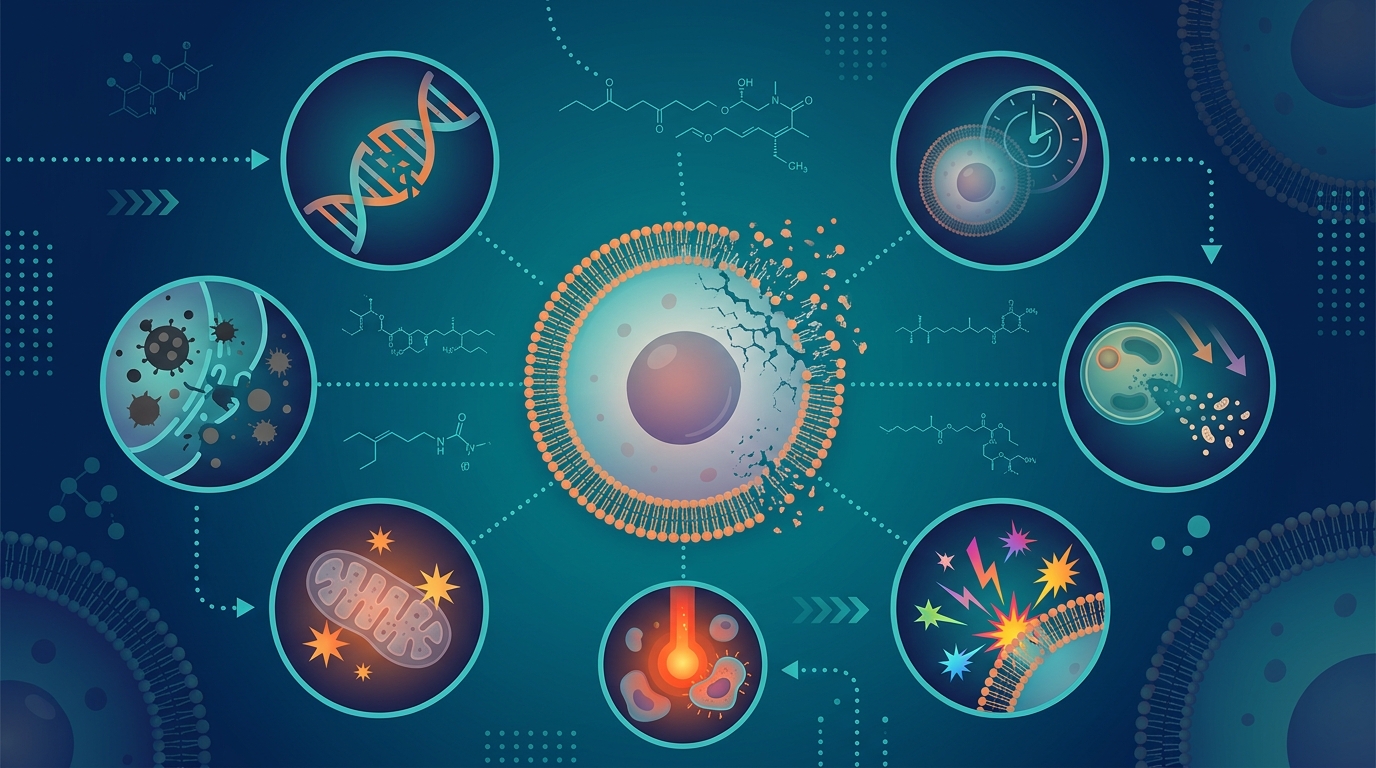
Plasmalogen deficiency is a complex biological state that ranges from rare genetic mutations to gradual age-related decline. Understanding the specific drivers of low plasmalogen levels is essential for interpreting advanced lipidomic data and supporting cellular resilience. Plasmalogen Science provides detailed educational resources on how these specialized ether phospholipids function within the body and what impacts their production.
1. Rhizomelic Chondrodysplasia Punctata (RCDP)
RCDP is a severe peroxisomal disorder that halts the initial steps of plasmalogen biosynthesis. This rare genetic condition involves mutations in the PEX7 or GNPAT genes, which are critical for the transport of precursors into the peroxisome. Without these functional proteins, the body cannot initiate the synthesis of ether lipids. The result is a profound deficiency that affects skeletal development, neurological function, and overall cellular integrity.
2. Zellweger Spectrum Disorders
Zellweger spectrum disorders are a group of peroxisomal biogenesis defects that severely limit plasmalogen production. These conditions arise from mutations in PEX genes that prevent the proper assembly of peroxisomes. Since plasmalogen synthesis begins inside these organelles, defective peroxisomes lead to a near-total absence of these lipids. This deficiency contributes to the severe neurological and developmental challenges associated with the spectrum.
3. Age-Related Peroxisomal Decline
Advanced age is a primary driver of reduced plasmalogen levels due to declining peroxisomal efficiency. As the body ages, the capacity of peroxisomes to synthesize ether lipids naturally diminishes. This decline is compounded by increased oxidative stress, which consumes existing plasmalogens faster than they can be replaced. The resulting shift in membrane lipid composition is a hallmark of biological aging and cellular senescence.
4. Chronic Oxidative Stress
Chronic oxidative stress accelerates the degradation of plasmalogens, outpacing their natural regeneration. Plasmalogens act as sacrificial antioxidants, protecting cell membranes from lipid peroxidation. When the body faces persistent inflammatory or environmental stress, these lipids are consumed rapidly. This depletion weakens membrane integrity and impairs the signaling functions that depend on healthy lipid environments.
5. Neurodegenerative Disease Progression
Neurodegenerative conditions are frequently associated with significant reductions in brain plasmalogen levels. The brain is one of the most lipid-rich organs in the body, and its membranes rely heavily on plasmalogens for synaptic function and myelin maintenance. In conditions such as Alzheimer's and Parkinson's disease, altered lipid metabolism leads to a measurable drop in these specialized phospholipids. This decline correlates with cognitive impairment and neuronal loss.
6. Cardiovascular and Metabolic Dysfunction
Metabolic disorders and cardiovascular disease are linked to altered plasmalogen profiles in blood and tissue. Conditions such as type 2 diabetes and atherosclerosis involve systemic inflammation and lipid dysregulation. These states can impair the transport and incorporation of plasmalogens into cell membranes. The resulting changes in membrane fluidity and signaling contribute to the vascular and metabolic complications seen in these diseases.
7. Inherited Peroxisomal Enzyme Defects
Specific enzyme deficiencies can disrupt the later stages of plasmalogen maturation. While RCDP and Zellweger spectrum affect early synthesis, other rare genetic conditions impact the enzymes required to complete the plasmalogen structure. These defects may lead to an accumulation of immature ether lipids and a shortage of mature plasmalogens. This imbalance affects the functional properties of cell membranes in tissues with high metabolic demand.
Choosing the Right Interpretation Framework
When evaluating plasmalogen levels, it is crucial to distinguish between acute genetic deficiencies and gradual age-related decline. Genetic disorders typically present with severe, systemic symptoms, while age-related changes are often subtle and progressive. Plasmalogen Science offers comprehensive guides on how to interpret these patterns within the context of broader lipidomic data. By understanding the specific cause of a deficiency, clinicians and researchers can better tailor their approach to supporting cellular health and membrane integrity.
Frequently Asked Questions
What is the most common cause of plasmalogen deficiency?
The most common cause in the general population is age-related decline in peroxisomal function. As individuals age, the body's ability to synthesize new plasmalogens decreases, while oxidative stress increases their consumption. This gradual process is distinct from the severe, rare genetic disorders that cause profound deficiency from birth.
How does rhizomelic chondrodysplasia punctata affect plasmalogens?
Rhizomelic chondrodysplasia punctata (RCDP) is a severe genetic disorder that prevents the body from producing plasmalogens. It is caused by mutations in genes required for the first steps of ether lipid synthesis in the peroxisome. This leads to a critical shortage of these lipids, resulting in significant skeletal and neurological abnormalities.
Can oxidative stress lower plasmalogen levels?
Yes, oxidative stress significantly lowers plasmalogen levels. Plasmalogens are highly sensitive to oxidation and act as antioxidants to protect cell membranes. When the body is under chronic oxidative stress, plasmalogens are consumed faster than they can be replaced, leading to a net decrease in their concentration.
Are plasmalogen levels lower in neurodegenerative diseases?
Research consistently shows that plasmalogen levels are lower in the brains of individuals with neurodegenerative diseases. The brain relies on plasmalogens for synaptic communication and myelin integrity. A decline in these lipids is associated with the cognitive and structural changes seen in conditions like Alzheimer's disease.
How can I measure my plasmalogen levels?
Plasmalogen levels can be measured through advanced lipidomic testing, often using blood samples. These tests can quantify total plasmalogens as well as specific species. It is important to interpret these results in the context of other lipid markers and clinical history to understand their biological significance. Learn more: Contact Plasmalogen Science.