

Rhizomelic chondrodysplasia punctata (RCDP) is a rare autosomal recessive peroxisomal disorder that severely impairs the body's ability to produce plasmalogens. This deficiency disrupts cellular membranes, leading to profound skeletal, neurological, and metabolic complications. Plasmalogen Science explores how this specific lipid deficit alters human biology at the cellular level.
Skeletal Development and Bone Structure
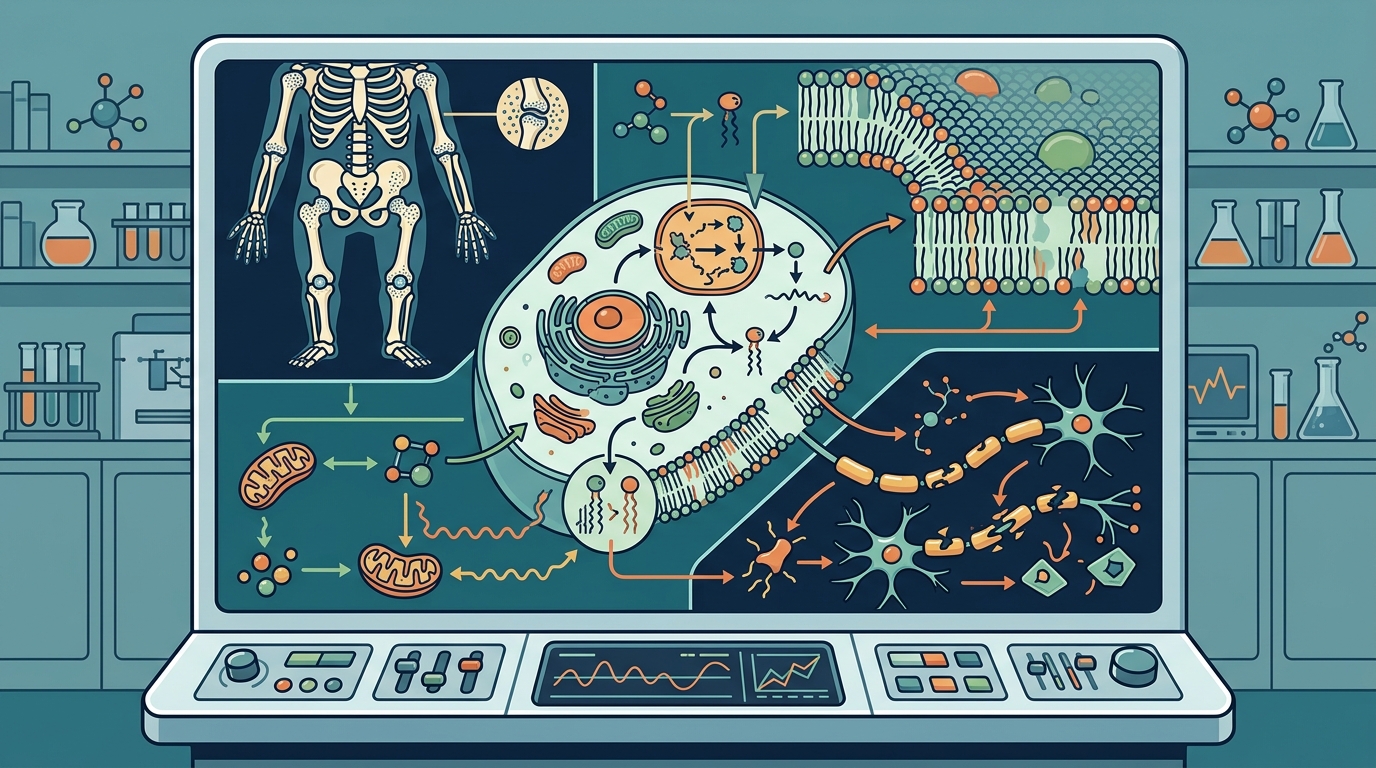
The most visible hallmark of RCDP is the disproportionate shortening of the limbs, particularly the upper arms and thighs. This condition is known as rhizomelia. The underlying cause is a failure in the proper formation of cartilage and bone tissue during fetal development. Because plasmalogens are essential for the structural integrity of cell membranes in developing tissues, their absence leads to abnormal bone mineralization.
Medical imaging often reveals punctate calcifications in the epiphyses of long bones, a feature that gives the disease its name. These calcifications are not just cosmetic; they indicate a fundamental disruption in how bone cells communicate and organize. The result is a skeletal framework that is fragile and structurally compromised from birth.
Neurological and Cognitive Impairment
The brain is one of the most lipid-rich organs in the human body, and it depends heavily on plasmalogens for proper function. In individuals with RCDP, the lack of these ether phospholipids leads to severe neurological deficits. These often include intellectual disability, seizures, and a lack of motor milestones. The nervous system requires highly organized membranes to transmit electrical signals efficiently, and plasmalogen deficiency disrupts this process.
Furthermore, the myelin sheath, which insulates nerve fibers, is significantly affected. Myelin is rich in specific lipids, and its integrity is compromised when plasmalogen levels are critically low. This leads to slower nerve conduction and impaired sensory processing. The cognitive impact is profound, as the brain's ability to form and maintain synaptic connections is hindered by the altered membrane environment.
Metabolic and Peroxisomal Dysfunction
RCDP is fundamentally a disorder of peroxisomal function. Peroxisomes are cellular organelles responsible for several critical metabolic processes, including the breakdown of very long-chain fatty acids. When the proteins required for peroxisomal biogenesis are defective, the organelles cannot function correctly. This leads to a buildup of toxic lipid intermediates within the cell.
The production of plasmalogens is a multi-step process that begins in the peroxisome. If this pathway is blocked, the body cannot generate the necessary ether lipids for membrane stability. This metabolic bottleneck affects not only the brain and bones but also the liver and kidneys. The resulting metabolic stress can lead to systemic inflammation and oxidative damage, further exacerbating the clinical symptoms of the disease.
Ocular and Sensory Complications
Eye abnormalities are a common and often early sign of RCDP. Congenital cataracts are present in a significant majority of patients, typically appearing as bilateral and symmetrical opacities in the lens. These cataracts can severely impair vision from infancy. In addition to cataracts, patients may experience other ocular issues such as nystagmus and optic atrophy.
The retina also contains high concentrations of plasmalogens, particularly those containing docosahexaenoic acid (DHA). The deficiency of these lipids can affect the structural and functional integrity of retinal cells. This contributes to the broader sensory deficits seen in RCDP, where the brain's ability to process visual and auditory information is compromised by both peripheral and central nervous system involvement.
Clinical Significance and Prognosis
RCDP is a severe condition with a generally poor prognosis. Most individuals do not survive beyond early childhood, although some may live into their teens or twenties. The severity of the disease is often correlated with the specific genetic mutation involved. Type 1 RCDP, caused by mutations in the PEX7 gene, is typically more severe than Type 2, which involves the PEX1 gene.
Understanding the role of plasmalogens in this disease has shifted the focus from purely skeletal symptoms to a broader view of cellular health. It highlights how a single lipid class can influence multiple organ systems simultaneously. For researchers and clinicians, this underscores the importance of advanced lipidomics in diagnosing and understanding peroxisomal disorders. according to Rhizomelic chondrodysplasia punctata
Key Takeaways
- RCDP is a rare peroxisomal disorder that prevents the proper synthesis of plasmalogens.
- The condition causes severe skeletal abnormalities, including short limbs and punctate calcifications.
- Neurological deficits are prominent due to the brain's high dependence on plasmalogens for membrane function.
- Peroxisomal dysfunction leads to a buildup of toxic fatty acids and systemic metabolic stress.
- Ocular issues, such as congenital cataracts, are a frequent and early clinical sign.
- The disease highlights the critical role of ether lipids in maintaining cellular and tissue integrity.
Frequently Asked Questions
What is the primary cause of rhizomelic chondrodysplasia punctata?
RCDP is caused by genetic mutations that impair the function of peroxisomes, specifically affecting the import of proteins required for plasmalogen biosynthesis.
How does plasmalogen deficiency affect the brain?
Plasmalogens are essential for the structure of neuronal membranes and myelin. Their deficiency leads to impaired nerve signaling, seizures, and intellectual disability.
Is rhizomelic chondrodysplasia punctata inherited?
Yes, it is an autosomal recessive disorder, meaning a child must inherit two defective copies of the gene, one from each parent, to develop the condition.
What are the most common physical signs of RCDP?
Can plasmalogen levels be measured in RCDP patients?
Yes, advanced lipidomics and specific biochemical tests can measure plasmalogen levels in blood samples, which are typically significantly reduced in RCDP patients.