

Plasmalogens are specialized ether phospholipids that serve as the first line of defense against oxidative stress in the body. As we age, the natural production of these critical molecules declines significantly, leading to cellular vulnerability and accelerated aging. Recent research indicates that this decline is not merely a side effect of aging but a primary driver of age-related diseases, including neurodegeneration and metabolic dysfunction. Understanding this biological shift is essential for anyone seeking to maintain cognitive sharpness, physical resilience, and long-term health.
What Are Plasmalogens?
To understand the impact of aging, we must first define the molecule itself. Plasmalogens are specialized ether phospholipids found in high concentrations in the brain, heart, and immune cells. Unlike standard phospholipids, they possess a unique vinyl-ether bond at the sn-1 position, which makes them exceptionally effective at neutralizing free radicals and protecting cell membranes from oxidative damage.
These molecules are not just structural components; they are functional regulators. They influence membrane fluidity, signal transduction, and mitochondrial function. Without adequate plasmalogen levels, cells become rigid, less responsive to signals, and more susceptible to damage. This is why they are often described as the body's "antioxidant shield." For a deeper dive into their structure and function, explore our guide on What Are Plasmalogens.
The Aging Connection
The decline of plasmalogens is a hallmark of the aging process. Biosynthesis of these lipids occurs primarily in the peroxisomes, organelles responsible for breaking down fatty acids and synthesizing ether lipids. As we age, peroxisomal function naturally diminishes, leading to a reduction in plasmalogen production.
This decline is not uniform across all tissues. The brain, which relies heavily on plasmalogens for neuronal membrane integrity, is particularly vulnerable. Studies suggest that plasmalogen levels can drop by up to 50% or more in certain brain regions by the time significant cognitive decline becomes apparent. This loss creates a vicious cycle: lower plasmalogens lead to increased oxidative stress, which further damages peroxisomes and reduces plasmalogen synthesis.
For more information on the biological mechanisms of aging, read How Plasmalogens Influence Aging.
Cognitive and Neurological Impact
The brain is the most plasmalogen-rich organ in the body. These lipids are critical for the formation and maintenance of myelin, the protective sheath around nerve fibers that ensures rapid signal transmission. When plasmalogen levels drop, myelin integrity is compromised, leading to slower neural communication and cognitive deficits.
Research has linked low plasmalogen levels to several age-related neurological conditions. In Alzheimer's disease, for example, plasmalogen levels in the brain are significantly lower than in healthy controls. This deficiency is thought to contribute to the accumulation of amyloid-beta plaques and tau tangles, key pathological features of the disease. Furthermore, synaptic function, which is essential for memory and learning, relies on plasmalogen-mediated membrane fluidity. For a detailed look at how synapses work, see How The Synapse Works in the Brain & Body.
Additionally, oxidative stress plays a major role in neurodegeneration. Plasmalogens protect neurons from this stress by sacrificing their vinyl-ether bond to neutralize reactive oxygen species. When this shield is depleted, neurons become more vulnerable to damage and death. Learn more about the metabolic system's role in Plasmalogen Deficient Diseases.
Physical Health and Mobility
While the brain often gets the most attention, plasmalogen decline also affects physical health. The heart and skeletal muscles rely on plasmalogens for energy production and structural integrity. In the heart, plasmalogens help protect against oxidative damage that can lead to arrhythmias and heart failure. In muscles, they support mitochondrial function, which is crucial for endurance and strength.
As plasmalogen levels drop, individuals may experience reduced physical resilience, slower recovery from exercise, and increased muscle fatigue. This is particularly relevant for older adults who are already at risk for sarcopenia (age-related muscle loss). For insights into how bones and muscles are affected, check out How Bones & Muscle are Affected in Plasmalogen Deficient Diseases.
Furthermore, immune function declines with age, a process known as immunosenescence. Plasmalogens play a role in regulating immune cell signaling and inflammation. Low levels can lead to chronic, low-grade inflammation, which is a key driver of many age-related diseases. Understanding these connections is vital for holistic health strategies.
Measurement and Testing
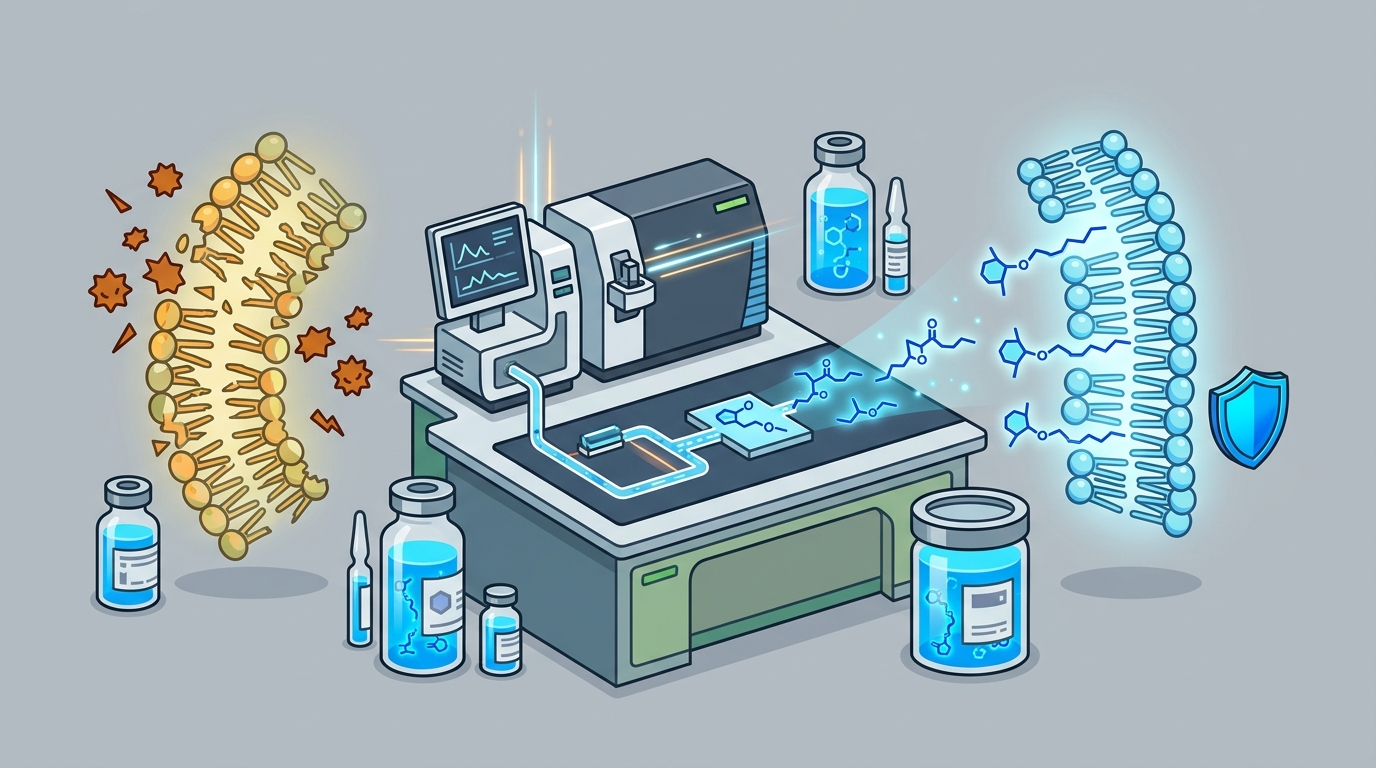
One of the challenges in addressing plasmalogen decline is that standard blood tests do not typically measure plasmalogen levels. Advanced health measurement is required to assess these specific lipid biomarkers. This involves specialized lipidomics testing that can quantify different classes of phospholipids, including plasmalogens.
By tracking plasmalogen levels over time, individuals can gain insight into their biological aging trajectory. This data can inform personalized interventions, such as dietary changes, supplementation, and lifestyle modifications. For a comprehensive overview of advanced health measurements, visit The Importance of Advanced Health Measurements in Health and Longevity.
It is important to note that plasmalogen levels can be influenced by genetics, diet, and environmental factors. Therefore, a one-size-fits-all approach to supplementation may not be effective. Personalized testing allows for a more precise understanding of individual needs. For more on biomarkers, see Plasmalogen Measurement & Biomarkers Overview.
Key Takeaways
- Plasmalogens are specialized ether phospholipids that protect cell membranes from oxidative stress.
- Plasmalogen levels decline with age due to reduced peroxisomal function and biosynthesis.
- Low plasmalogen levels are linked to neurodegenerative diseases like Alzheimer's and Parkinson's.
- Advanced lipidomics testing is required to measure plasmalogen levels accurately.
- Physical resilience and immune function are also impacted by plasmalogen decline.
- Personalized interventions based on testing can help mitigate age-related decline.
- Early detection of plasmalogen deficiency can inform proactive health strategies.
Frequently Asked Questions
What are plasmalogens and why are they important?
Plasmalogens are specialized ether phospholipids found in high concentrations in the brain and heart. They are important because they protect cell membranes from oxidative damage and support neuronal communication.
How do plasmalogen levels change with age?
Plasmalogen levels naturally decline with age due to reduced peroxisomal function. This decline can lead to increased oxidative stress and cellular damage in tissues like the brain and heart.
Can plasmalogen deficiency cause cognitive decline?
Yes, low plasmalogen levels are associated with cognitive decline and neurodegenerative diseases like Alzheimer's. They play a critical role in maintaining myelin integrity and synaptic function.
How can I measure my plasmalogen levels?
Standard blood tests do not measure plasmalogens. Advanced lipidomics testing is required to quantify these specific biomarkers. Consult a healthcare provider for specialized testing.
What lifestyle factors affect plasmalogen levels?
Diet, genetics, and environmental factors can influence plasmalogen levels. A diet rich in omega-3 fatty acids and antioxidants may support plasmalogen synthesis.
Are there supplements that increase plasmalogen levels?
Some supplements, such as DHA and specific precursors, may support plasmalogen synthesis. However, the effectiveness varies by individual. Consult a healthcare professional for personalized advice.
How do plasmalogens support immune function?
Plasmalogens regulate immune cell signaling and inflammation. Low levels can lead to chronic inflammation and impaired immune response, which are common in aging.
What is the role of peroxisomes in plasmalogen synthesis?
Peroxisomes are organelles where the initial steps of plasmalogen biosynthesis occur. As peroxisomal function declines with age, plasmalogen production decreases.
Take Action
Understanding your plasmalogen levels is the first step toward proactive health management. Don't wait for symptoms to appear. Schedule a consultation with a healthcare provider to discuss advanced lipidomics testing and personalized strategies for maintaining your healthspan. Visit our Contact page to learn more about how we can help you on your journey to longevity.