

Plasmalogens: The Critical Lipid for Cellular Health and Longevity
Plasmalogens are specialized ether phospholipids that serve as the primary antioxidant defense in cell membranes, particularly within the brain and heart. Research indicates that plasmalogen levels decline significantly with age, correlating with increased oxidative stress and neurodegenerative risk. Understanding these molecules is essential for anyone interested in advanced health measurement and longevity strategies.
What Are Plasmalogens?
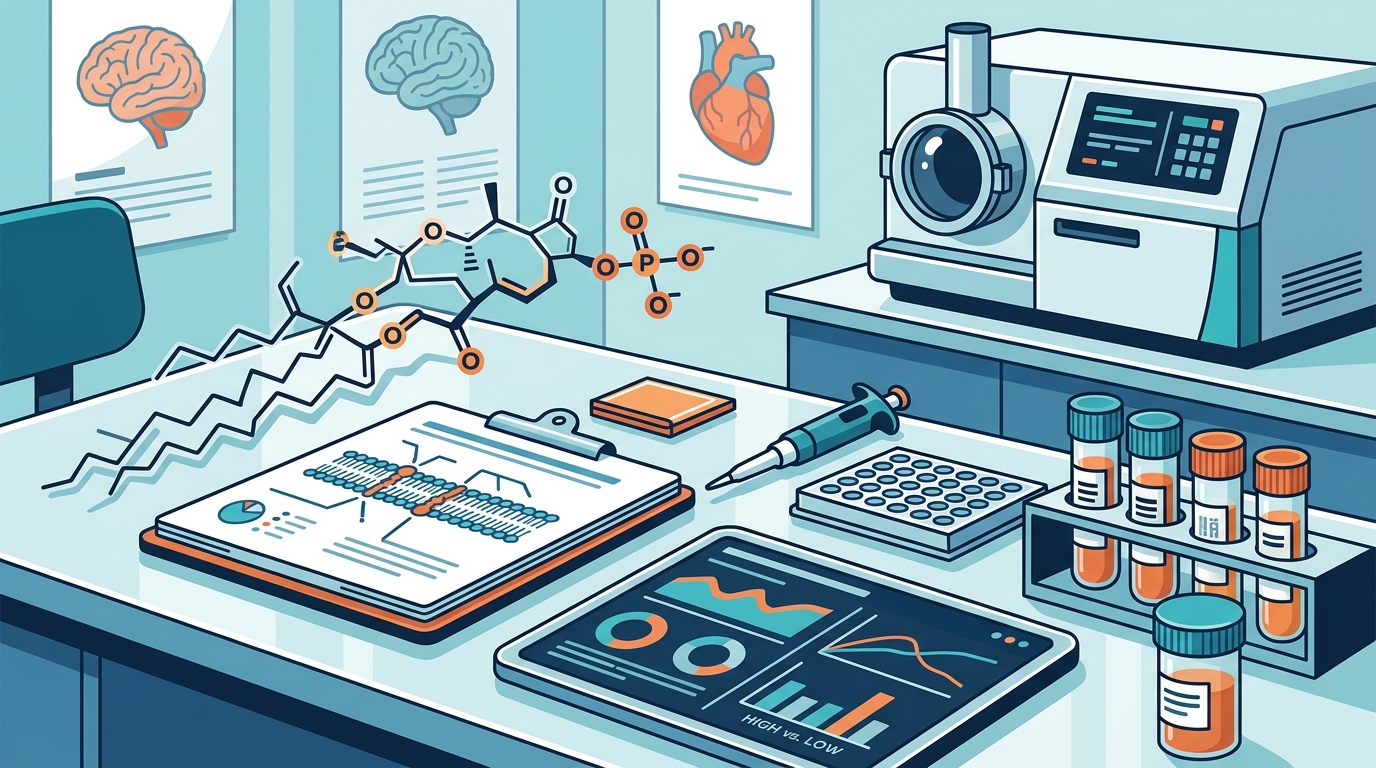
Plasmalogens are a unique class of phospholipids found in the cell membranes of nearly all human cells. Unlike standard phospholipids, plasmalogens contain a vinyl ether bond at the sn-1 position. This chemical structure is rare in nature and provides distinct biological advantages. Plasmalogens are specialized ether phospholipids that protect cell membranes from oxidative damage.
These molecules are not just structural components. They play active roles in signal transduction, membrane fluidity, and protein function. The brain and heart contain the highest concentrations of plasmalogens in the body. This distribution highlights their critical role in high-energy, high-oxygen environments.
When plasmalogen levels drop, cell membranes become more vulnerable to free radical attack. This vulnerability can lead to cellular dysfunction, inflammation, and accelerated aging. Understanding the basics of plasmalogen biology is the first step toward optimizing long-term health.
How Plasmalogens Protect Cellular Integrity
The primary function of plasmalogens is to act as sacrificial antioxidants. When free radicals attack a cell membrane, plasmalogens absorb the damage. They sacrifice their vinyl ether bond to neutralize reactive oxygen species. This process protects the more critical polyunsaturated fatty acids in the membrane from peroxidation.
Membrane Fluidity and Function
Beyond antioxidant protection, plasmalogens regulate membrane fluidity. Proper fluidity is essential for ion channels, receptors, and transporters to function correctly. If membranes become too rigid or too disordered, cellular communication fails. Plasmalogens help maintain the optimal balance for cellular efficiency.
Neurological Protection
The brain consumes a disproportionate amount of oxygen, making it highly susceptible to oxidative stress. Plasmalogens are abundant in myelin sheaths, which insulate nerve fibers. Myelin is a protective sheath that surrounds nerve fibers to speed up signal transmission. When plasmalogens support myelin integrity, cognitive function and neural communication remain robust.
The Science of Plasmalogen Biosynthesis
The body produces plasmalogens through a complex metabolic pathway. This process begins in the peroxisomes, specialized organelles responsible for breaking down fatty acids. The pathway involves several enzymatic steps that convert dihydroxyacetone phosphate into plasmalogen precursors.
Once the initial steps are completed in the peroxisome, the process moves to the endoplasmic reticulum. Here, the final modifications occur, resulting in mature plasmalogens. These mature molecules are then transported to various cell membranes throughout the body.
Genetic and Environmental Factors
Biosynthesis can be impaired by genetic mutations affecting peroxisomal function. Conditions like Zellweger syndrome severely disrupt plasmalogen production. However, even in healthy individuals, biosynthesis declines with age. Oxidative stress, inflammation, and nutrient deficiencies can further hinder the body's ability to produce these critical lipids.
Understanding this biosynthetic pathway explains why plasmalogen levels drop over time. It also highlights the importance of supporting the underlying metabolic machinery that creates these molecules.
Plasmalogens and Systemic Health
Plasmalogen deficiency is linked to a wide range of health issues. Because these lipids are vital for cell membrane integrity, their absence affects nearly every organ system. The impact is most pronounced in tissues with high metabolic demands.
Cognitive Decline and Neurodegeneration
Research has consistently shown lower plasmalogen levels in the brains of individuals with Alzheimer's disease and other dementias. The loss of plasmalogens in the brain correlates with increased amyloid-beta accumulation and tau pathology. Alzheimer's disease is a progressive neurodegenerative disorder that causes memory loss and cognitive decline. Supporting plasmalogen levels may help mitigate some of these pathological processes.
Cardiovascular Health
The heart relies heavily on plasmalogens for energy production and protection against oxidative stress. Low plasmalogen levels are associated with heart failure and ischemic heart disease. These lipids help maintain the structural integrity of cardiac cell membranes, ensuring efficient electrical signaling and contraction.
Bone and Muscle Health
Recent studies indicate that plasmalogens also play a role in skeletal and muscular health. In plasmalogen deficient diseases, bone mineralization and muscle tone can be severely affected. Maintaining adequate plasmalogen levels supports tissue remodeling and repair in bones and muscles.
Measuring Plasmalogen Levels
Traditional health panels do not measure plasmalogens. Standard lipid panels focus on cholesterol and triglycerides, missing the nuanced picture of membrane health. Advanced health measurement is required to assess plasmalogen status accurately.
Biomarkers and Testing
Advanced lipidomics can quantify specific plasmalogen species in blood or cerebrospinal fluid. These measurements provide insight into cellular resilience and oxidative stress burden. Tracking these levels over time can reveal trends in biological aging and healthspan.
Interpreting the Data
Low plasmalogen levels do not always indicate disease. They may reflect early metabolic strain or nutritional gaps. However, significantly low levels warrant investigation. Combining plasmalogen data with other biomarkers like inflammation markers and oxidative stress indicators provides a comprehensive view of health.
| Health Metric | Standard Testing | Advanced Plasmalogen Testing |
|---|---|---|
| Oxidative Stress | Indirect markers | Direct membrane protection capacity |
| Neurological Health | Cognitive assessments | Myelin integrity biomarkers |
| Cardiac Function | ECG and enzymes | Membrane lipid composition |
| Metabolic Health | Glucose and insulin | Lipid metabolism efficiency |
Key Takeaways
- Plasmalogens are specialized ether phospholipids that serve as the primary antioxidant defense in cell membranes.
- The brain and heart contain the highest concentrations of plasmalogens due to their high oxygen and energy demands.
- Plasmalogen biosynthesis begins in the peroxisomes and moves to the endoplasmic reticulum for final maturation.
- Low plasmalogen levels are strongly correlated with Alzheimer's disease and other neurodegenerative conditions.
- Standard lipid panels do not measure plasmalogens; advanced lipidomics is required for accurate assessment.
- Plasmalogens support bone and muscle health by facilitating tissue remodeling and cellular repair.
- Age-related decline in plasmalogen production contributes to increased oxidative stress and accelerated biological aging.
Frequently Asked Questions
What exactly are plasmalogens?
Plasmalogens are a unique class of phospholipids found in cell membranes that contain a vinyl ether bond, providing superior antioxidant protection compared to standard phospholipids.
Why are plasmalogens important for brain health?
Plasmalogens are abundant in the myelin sheaths of the brain, protecting nerve fibers from oxidative damage and supporting efficient neural communication.
How does plasmalogen deficiency affect the body?
Deficiency can lead to increased oxidative stress, impaired cellular communication, and higher risk of neurodegenerative diseases, heart failure, and metabolic dysfunction.
Can plasmalogen levels be measured in a standard blood test?
No, standard blood tests do not measure plasmalogens. Advanced lipidomics testing is required to quantify specific plasmalogen species in the blood.
Do plasmalogens decline with age?
Yes, plasmalogen levels naturally decline as we age, which is associated with increased vulnerability to cellular damage and chronic disease.
How are plasmalogens produced in the body?
The body produces plasmalogens through a complex pathway that starts in the peroxisomes and continues in the endoplasmic reticulum, requiring specific enzymes and nutrients.
What is the role of plasmalogens in bone and muscle health?
Plasmalogens support the structural integrity and repair mechanisms of bone and muscle cells, influencing mobility and tissue resilience.
Are there supplements that increase plasmalogen levels?
While direct plasmalogen supplements exist, supporting the body's natural biosynthesis through proper nutrition and reducing oxidative stress is also a key strategy.
Take the Next Step
Understanding your plasmalogen status is a powerful step toward optimizing your healthspan. At Plasmalogen Science, we provide the advanced insights and resources you need to navigate this complex biological landscape. Visit our home page to explore our comprehensive guides on plasmalogen biology. Learn more about advanced health measurements to see how you can track your cellular resilience. Explore the connection between plasmalogens and cognitive health to protect your brain. Discover how plasmalogens support bone and muscle integrity for lifelong mobility. Contact us today to start your journey toward better cellular health.