

Plasmalogens are specialized ether phospholipids that serve as critical structural components of cell membranes, particularly in the brain, heart, and immune system. Recent research indicates that these molecules play a pivotal role in cellular resilience, oxidative stress defense, and neurological function. As the field of longevity science advances, understanding the real-world implications of plasmalogen biology has become essential for both clinical practitioners and health-conscious individuals seeking to optimize their healthspan.
What Are Plasmalogens?
Plasmalogens are a unique class of phospholipids characterized by a vinyl-ether linkage at the sn-1 position of the glycerol backbone. This chemical structure distinguishes them from other phospholipids and grants them specific functional properties. Plasmalogens are specialized ether phospholipids found in cell membranes throughout the body. They are especially abundant in tissues with high metabolic demands, such as the brain, heart, and skeletal muscle.
These molecules are not merely structural; they are dynamic participants in cellular signaling and protection. The vinyl-ether bond is highly susceptible to oxidation, which allows plasmalogens to act as sacrificial antioxidants. By absorbing oxidative damage, they protect other critical cellular components, including DNA and other lipids, from harm. This protective mechanism is vital for maintaining cellular integrity over time.
Research into plasmalogen biology has revealed their importance in various physiological processes. They are involved in membrane fluidity, protein function, and signal transduction. Understanding their role provides insight into how cells maintain stability in the face of environmental and metabolic stress. For more details on their basic structure, explore What Are Plasmalogens.
How Plasmalogens Work in the Body
The function of plasmalogens extends far beyond simple membrane structure. They are integral to the communication networks within the nervous system and the energy production systems within cells. A synapse is the communication site where one nerve cell passes information to another cell. Plasmalogens are crucial for the proper formation and function of these synapses, ensuring that neural signals are transmitted efficiently.
Cell Membrane Integrity
Cell membranes are not static barriers; they are fluid mosaics of lipids and proteins. Cell membranes are dynamic structures that regulate the movement of substances in and out of cells. Plasmalogens contribute to this fluidity, allowing membranes to remain flexible and responsive. This flexibility is essential for processes like endocytosis and exocytosis, which are critical for nutrient uptake and waste removal.
Energy Production
Plasmalogens also influence cellular energy. They are found in high concentrations in mitochondria, the powerhouses of the cell. By supporting mitochondrial function, plasmalogens help maintain the energy levels required for cellular repair and regeneration. How Plasmalogens Influence Cellular Energy provides a deeper look into this metabolic connection.
Oxidative Stress Defense
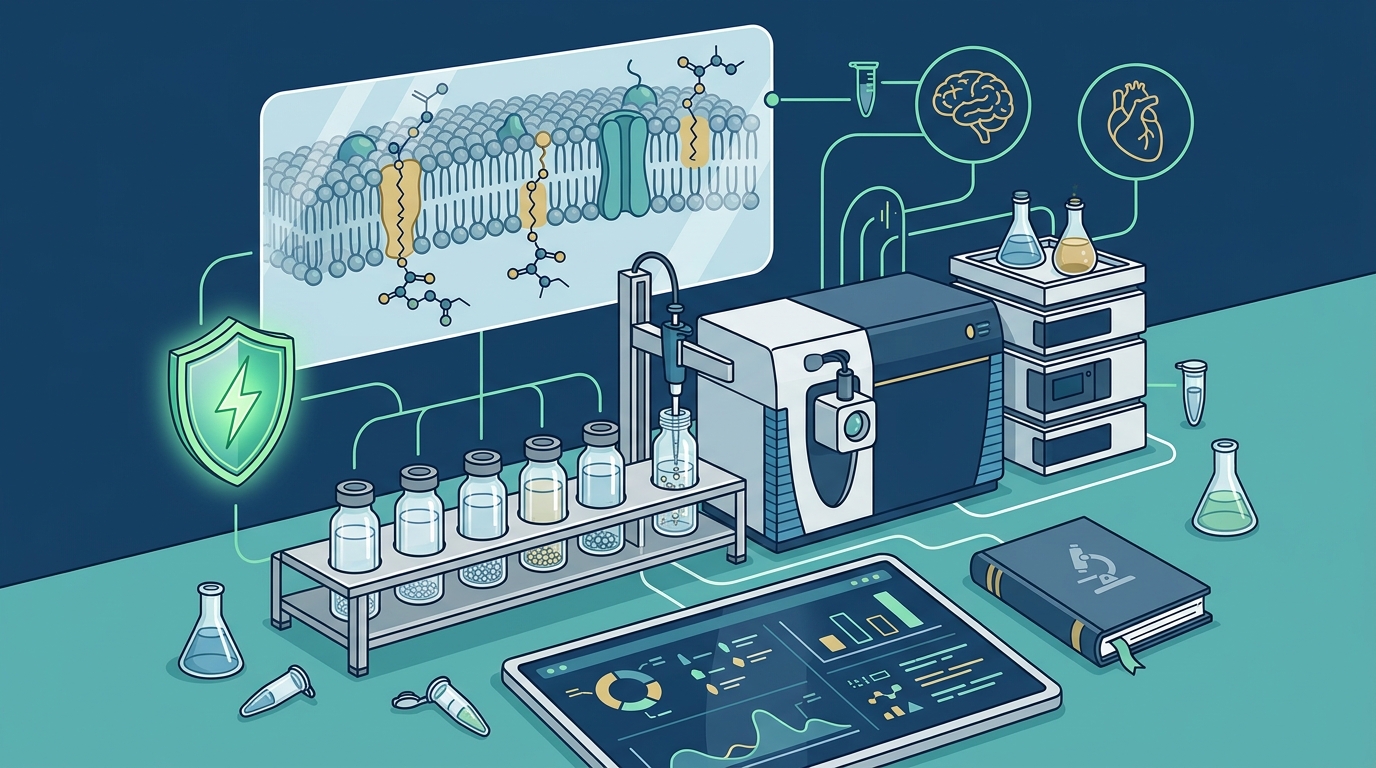
One of the most significant roles of plasmalogens is their ability to combat oxidative stress. The vinyl-ether bond acts as a "sacrificial" target for free radicals. When free radicals attack, they oxidize the plasmalogen rather than the cell's DNA or other vital proteins. This process generates aldehydes that can signal cellular repair mechanisms, effectively turning a threat into a protective signal.
Plasmalogens and Health Implications
The levels of plasmalogens in the body change with age. Studies have shown that plasmalogen levels tend to decline as individuals grow older. This decline is associated with various age-related conditions, including cognitive impairment and cardiovascular disease. How Plasmalogens Influence Aging explores the relationship between plasmalogen levels and the aging process.
Neurological Health
The brain is particularly vulnerable to plasmalogen deficiency. Neurons rely heavily on plasmalogens for membrane stability and synaptic function. Low plasmalogen levels have been linked to neurodegenerative diseases such as Alzheimer's disease. In these conditions, the loss of plasmalogens may contribute to the accumulation of toxic proteins and the breakdown of neural networks.
Cardiovascular Function
Heart tissue also contains high levels of plasmalogens. These molecules help protect the heart from oxidative damage and support its electrical stability. Disruptions in plasmalogen metabolism can lead to cardiac dysfunction and increased risk of heart disease. Maintaining healthy plasmalogen levels is therefore important for cardiovascular resilience.
Immune System Support
Plasmalogens play a role in immune regulation. They help modulate inflammatory responses and support the function of immune cells. By reducing chronic inflammation, plasmalogens may help prevent the tissue damage associated with autoimmune disorders and other inflammatory conditions.
Measurement and Testing Protocols
Measuring plasmalogen levels is a key component of advanced health assessment. Traditional blood tests often do not include plasmalogen analysis, which means many individuals may have low levels without knowing it. Understanding Plasmalogen Levels explains the importance of specific testing.
Advanced Health Measurements
Advanced health measurement looks deeper than standard markers. It examines patterns in metabolism, inflammation, and lipid biology. The Importance of Advanced Health Measurements in Health and Longevity discusses how these deeper insights can reveal early biological stress before it becomes a clinical problem.
Biomarkers and Lipidomics
Lipidomics is the large-scale study of lipids within cells and organisms. Plasmalogen measurement is a part of this field. By analyzing specific lipid profiles, clinicians can identify deficiencies and tailor interventions. Plasmalogen Measurement & Biomarkers Overview provides a technical look at these biomarkers.
Longitudinal Tracking
One-time testing provides a snapshot, but longitudinal tracking shows trends. Monitoring plasmalogen levels over time can help assess the effectiveness of interventions and the progression of age-related changes. This approach allows for more precise health management.
Plasmalogens in Disease States
Plasmalogen deficiency is not just a feature of aging; it is a hallmark of certain genetic disorders. These conditions provide critical insights into the essential nature of plasmalogens for human health.
Plasmalogen Deficient Diseases
Severe inherited disorders involving ether lipid or peroxisomal pathways can lead to profound plasmalogen deficiency. These conditions affect multiple systems, including the brain, bones, and muscles. The Metabolic System’s Role in Plasmalogen Deficient Diseases details the systemic impact of these disorders.
Skeletal and Muscular Effects
Bones and muscles are deeply affected in plasmalogen deficient diseases. The skeletal and muscular systems depend on membrane biology, lipid metabolism, and energy production. How Bones & Muscle are Affected in Plasmalogen Deficient Diseases outlines the specific clinical findings in these tissues.
Cognitive and Neurological Impact
The cognitive and neurological systems are often the most severely affected. Symptoms can include developmental delays, seizures, and progressive neurological decline. How Cognitive & Neurological Systems Are Affected in Plasmalogen Deficient Diseases describes these neurological manifestations.
Insights from Animal Research
Animal models have been instrumental in understanding plasmalogen biology. Research on horses, pets, and other animals has revealed how plasmalogens support mobility, recovery, and healthy aging in non-human species. These findings often parallel human health outcomes, providing valuable comparative data.
Animal Research Findings
What Animal Research Reveals About Plasmalogens and Disease Biology highlights key discoveries from animal studies. These studies help bridge the gap between basic science and clinical application.
Mobility and Recovery
In active animals, plasmalogens support joint health and muscle recovery. Plasmalogens, Mobility, and Recovery in Horses and Active Animals explores this specific area of interest.
Pet Health
For pets, plasmalogens play a role in cognitive function and overall vitality. How Plasmalogens Support Healthy Aging and Cellular Resilience in Pets discusses the benefits for companion animals.
Key Takeaways
- Plasmalogens are specialized ether phospholipids critical for cell membrane integrity and oxidative stress defense.
- They are abundant in the brain, heart, and immune system, supporting neurological and cardiovascular health.
- Plasmalogen levels naturally decline with age, which is associated with increased risk of neurodegenerative and cardiovascular diseases.
- Advanced health measurement and lipidomics are essential for detecting plasmalogen deficiencies before clinical symptoms appear.
- Severe plasmalogen deficient diseases affect bones, muscles, and cognitive function, highlighting their systemic importance.
- Animal research provides valuable insights into the role of plasmalogens in mobility, recovery, and healthy aging.
- Maintaining healthy plasmalogen levels may be a key strategy for extending healthspan and improving quality of life.
Frequently Asked Questions
What are plasmalogens and why are they important?
Plasmalogens are a unique type of phospholipid found in cell membranes. They are important because they protect cells from oxidative damage, support membrane fluidity, and are essential for proper brain and heart function.
How do plasmalogens influence aging?
Plasmalogen levels tend to decrease as we age. This decline is linked to increased oxidative stress and cellular dysfunction, which can contribute to age-related diseases such as Alzheimer's and heart disease.
Can plasmalogen levels be measured through blood tests?
Standard blood tests do not typically include plasmalogen analysis. Advanced health measurements and specialized lipidomics testing are required to accurately assess plasmalogen levels.
What are plasmalogen deficient diseases?
Plasmalogen deficient diseases are a group of rare genetic disorders caused by defects in the pathways that produce plasmalogens. These conditions affect multiple body systems, including the brain, bones, and muscles.
Do plasmalogens play a role in animal health?
Yes, plasmalogens are crucial for animal health as well. Research shows they support mobility, recovery, and cognitive function in horses, pets, and other animals.
How can I support my plasmalogen levels?
Supporting plasmalogen levels involves a combination of diet, lifestyle, and potentially targeted supplementation. Understanding your current levels through advanced testing is the first step in creating an effective plan.
What is the link between plasmalogens and the synapse?
Plasmalogens are vital for the structure and function of synapses, the communication points between nerve cells. They help ensure efficient neural signaling, which is essential for memory and learning.
Next Steps for Your Health
Understanding plasmalogen biology is the first step toward optimizing your healthspan. By recognizing the importance of these molecules, you can take proactive measures to support your cellular resilience and neurological function. Whether you are interested in advanced testing, exploring the latest research, or learning more about the science behind plasmalogens, Plasmalogen Science is here to help.
Visit our About This Project page to learn more about our mission. For direct inquiries, please contact us via our Contact page. Start your journey toward better health today by exploring our comprehensive resources on What Are Plasmalogens and How They Work.