

Plasmalogens are specialized ether phospholipids that serve as critical structural and functional components of cell membranes throughout the human body. Recent research into advanced health measurements indicates that these molecules are not merely passive structural elements but active regulators of cellular resilience, oxidative stress defense, and mitochondrial efficiency. As the scientific community shifts focus from treating symptoms to optimizing biological aging, plasmalogens have emerged as a central pillar in understanding how cells maintain integrity under metabolic stress. This guide explores the biological mechanisms, health implications, and measurement standards surrounding plasmalogens to provide a clear framework for understanding their role in longevity and disease prevention.
What Are Plasmalogens?
To understand the impact of plasmalogens on health, one must first define their biological nature. Plasmalogens are a specific class of ether phospholipids found in high concentrations in cell membranes, particularly in the brain, heart, and immune cells. Unlike standard phospholipids that contain ester bonds, plasmalogens possess a unique vinyl-ether bond at the sn-1 position of the glycerol backbone. This chemical structure is not accidental; it provides a sacrificial mechanism that protects the cell from oxidative damage. (Global Health Tourism)
The body produces plasmalogens through a complex biosynthetic pathway that occurs primarily in peroxisomes and the endoplasmic reticulum. This process requires specific nutrients, including choline, ethanolamine, and fatty acids, to synthesize the precursor molecules. When this biosynthetic pathway is disrupted, either through genetic factors or nutritional deficiencies, the body's ability to maintain healthy cell membranes is compromised. Understanding this production process is essential for anyone interested in the science of healthy aging and cellular function.
For a deeper dive into the structural biology of these molecules, you can explore the detailed breakdown of what plasmalogens are and their fundamental role in lipid biology. Additionally, the critical nutrients and standards for optimal plasmalogen synthesis provide insight into the dietary and metabolic requirements needed to support this pathway.
How Plasmalogens Work in the Body
The functionality of plasmalogens extends far beyond simple membrane structure. They act as dynamic regulators of cellular communication and energy production. One of their primary roles is to protect cellular components from oxidative stress. Because the vinyl-ether bond is highly susceptible to oxidation, plasmalogens can "sacrifice" themselves by reacting with free radicals before these reactive molecules can damage DNA, proteins, or other essential lipids within the cell.
Furthermore, plasmalogens are crucial for the formation and function of the myelin sheath, the protective covering of nerve fibers. The myelin sheath is a fatty insulating layer that surrounds nerve axons, enabling rapid transmission of electrical signals throughout the nervous system. Without adequate plasmalogen levels, the integrity of this sheath can be compromised, leading to slowed neural communication and potential neurological decline. This connection highlights why plasmalogens are often discussed in the context of brain health and cognitive resilience.
In the heart and skeletal muscle, plasmalogens support mitochondrial function. Mitochondria are the powerhouses of the cell, and their membranes require specific lipid compositions to generate energy efficiently. Research into how plasmalogens influence cellular energy demonstrates that these lipids help maintain the fluidity and stability of mitochondrial membranes, ensuring that cells have the fuel they need to perform daily tasks.
For a comprehensive look at the biological mechanisms, review the guide on how the body produces plasmalogens and the detailed explanation of cell membranes and their lipid composition.
Plasmalogens and Health Outcomes
The health implications of plasmalogen levels are vast, affecting everything from cognitive function to immune response. When plasmalogen levels are optimal, cells are better equipped to handle environmental stressors, inflammation, and metabolic challenges. Conversely, declining levels are associated with a range of age-related conditions.
Cognitive and Neurological Health
The brain is one of the most metabolically active organs and relies heavily on plasmalogens for membrane integrity and synaptic function. Synapses are the junctions between nerve cells where chemical signals are transmitted, enabling thought, memory, and movement. As we age, the natural decline in plasmalogen synthesis can lead to reduced synaptic plasticity, which is the brain's ability to adapt and form new connections. This decline is often an early indicator of cognitive impairment.
Studies on how the synapse works in the brain and body reveal that plasmalogens are essential for maintaining the structural integrity of these junctions. Furthermore, the impact on cognitive and neurological systems in plasmalogen-deficient states underscores the critical link between lipid biology and mental acuity.
Immune System and Inflammation
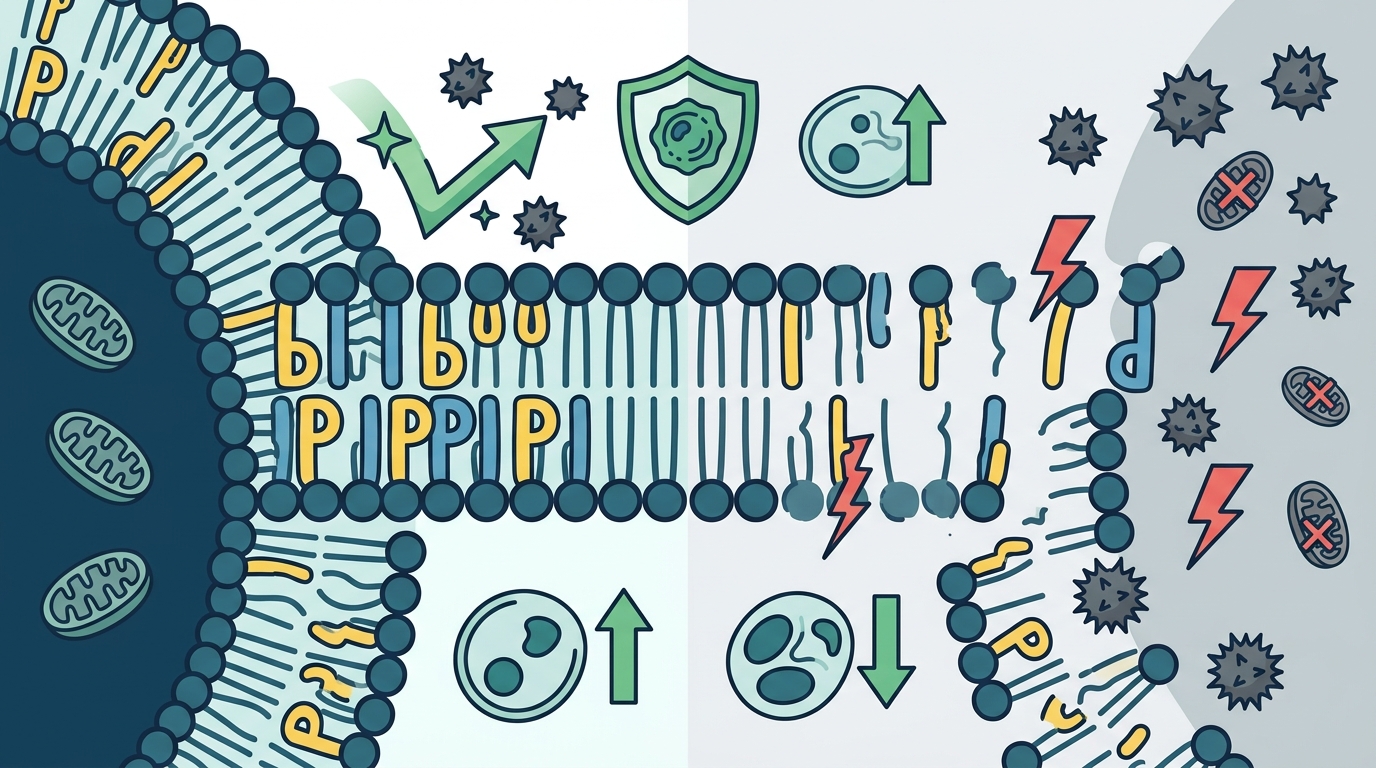
Plasmalogens play a significant role in immune regulation. They help modulate the inflammatory response, preventing it from becoming chronic or excessive. Chronic inflammation is a root cause of many modern diseases, including cardiovascular disease and metabolic syndrome. By supporting healthy immune function, plasmalogens contribute to overall systemic resilience.
Cardiovascular and Musculoskeletal Health
The heart and muscles are rich in plasmalogens due to their high energy demands. In plasmalogen deficient diseases, bone and muscle health is often compromised, leading to reduced mobility and strength. This highlights the importance of plasmalogens not just for brain health, but for physical vitality and structural integrity.
For more on the broader health context, read about how plasmalogens influence aging and the metabolic system's role in plasmalogen deficient diseases.
Measuring Plasmalogen Levels
One of the most significant advancements in longevity science is the ability to measure plasmalogen levels directly. Traditional blood tests often miss these specific lipid markers because they are not part of standard metabolic panels. Advanced health measurement techniques, such as lipidomics, allow for a precise analysis of plasmalogen subclasses in the blood.
Understanding these levels is crucial because they serve as biomarkers for biological age and cellular health. Biomarkers are measurable indicators of a biological state, such as a specific molecule in the blood, that can reveal information about health, disease risk, or response to treatment. By tracking plasmalogen levels over time, individuals and healthcare providers can identify trends before clinical symptoms appear.
The guide to understanding plasmalogen levels explains the different subclasses and what they indicate. Additionally, the plasmalogen measurement and biomarkers overview provides a technical look at how these tests are conducted and interpreted.
Signs of Low Plasmalogens
While plasmalogen levels naturally decline with age, certain factors can accelerate this process. These include chronic inflammation, oxidative stress, poor diet, and genetic predispositions. Recognizing the signs of low plasmalogens can help in taking proactive steps to support health.
Common indicators may include cognitive fog, reduced physical endurance, slower recovery from exercise, and increased susceptibility to infections. However, these symptoms are non-specific and can be caused by many other factors. This is why objective measurement is so valuable. The article on signs of low plasmalogens details the clinical and subjective markers to watch for.
It is also important to understand what happens when levels are high. The piece on what happens when plasmalogen levels are high offers a balanced view of lipid metabolism, while what happens when plasmalogen levels are low explores the pathological consequences of deficiency.
Key Takeaways
- Structural Role: Plasmalogens are ether phospholipids essential for cell membrane integrity, particularly in the brain and heart.
- Oxidative Defense: They act as sacrificial antioxidants, protecting DNA and proteins from free radical damage.
- Neurological Health: Adequate levels are critical for myelin sheath formation and synaptic plasticity, supporting cognitive function.
- Measurement: Standard blood tests do not detect plasmalogens; advanced lipidomics is required for accurate assessment.
- Aging Link: Declining plasmalogen levels are a hallmark of biological aging and are linked to increased disease risk.
- Biosynthesis: The body produces plasmalogens via peroxisomal pathways, requiring specific nutrients for optimal function.
- Proactive Health: Monitoring plasmalogen levels allows for early intervention in metabolic and neurological health.
Frequently Asked Questions
What exactly are plasmalogens?
Plasmalogens are a specific type of phospholipid found in cell membranes that contain a unique vinyl-ether bond, which provides antioxidant protection and structural stability to cells.
Why are plasmalogens important for brain health?
Plasmalogens are highly concentrated in the brain and are essential for maintaining the myelin sheath around nerves and the integrity of synapses, which are critical for memory and cognitive function.
How can I measure my plasmalogen levels?
Plasmalogen levels are measured through advanced lipidomics testing, which analyzes specific lipid subclasses in the blood, rather than through standard routine blood work.
Do plasmalogen levels decrease with age?
Yes, plasmalogen levels naturally decline as we age, which is associated with increased oxidative stress and a higher risk of age-related diseases.
Can diet affect plasmalogen production?
Yes, the body requires specific nutrients, such as choline and certain fatty acids, to synthesize plasmalogens. A diet lacking these precursors can impair biosynthesis.
What is the difference between plasmalogens and other phospholipids?
The key difference is the chemical bond at the sn-1 position; plasmalogens have an ether bond, while most other phospholipids have an ester bond, making plasmalogens more resistant to oxidation.
Are there diseases associated with low plasmalogens?
Severe genetic disorders can cause plasmalogen deficiency, but lower levels are also observed in conditions like Alzheimer's disease, cardiovascular disease, and metabolic syndrome.
How does plasmalogen deficiency affect muscles and bones?
Plasmalogen deficiency can lead to reduced muscle tone, joint contractures, and impaired bone mineralization due to the role of these lipids in tissue development and repair.
Next Steps for Your Health
Understanding plasmalogens is the first step toward optimizing your biological resilience. By recognizing their role in cellular health, you can make informed decisions about your diet, lifestyle, and health monitoring. If you are interested in exploring how plasmalogens fit into your personal health strategy, we invite you to learn more about our comprehensive resources.
Visit our About This Project page to learn more about the science behind our work. For detailed insights into measurement and testing, explore our advanced health measurements guide. To connect with our team or ask specific questions, please visit our Contact page.