

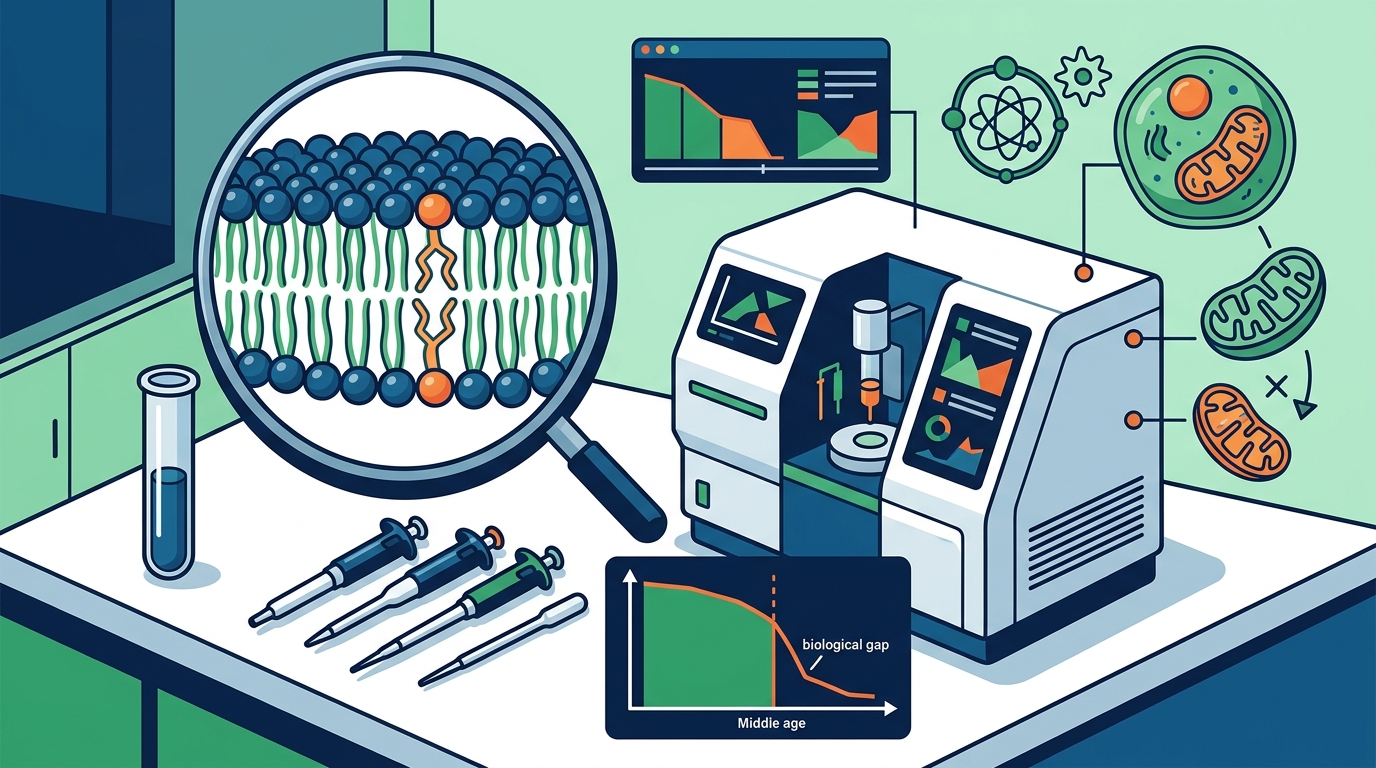
Plasmalogens are specialized ether phospholipids that serve as critical structural components of cell membranes, particularly in the brain, heart, and immune system. Recent research indicates that declining plasmalogen levels are not merely a byproduct of aging but a driver of cellular dysfunction. According to advanced health measurement studies, the body's natural production of these vital lipids begins to drop significantly in middle age, creating a biological gap that standard blood tests often miss. This decline is linked to increased oxidative stress, reduced membrane fluidity, and impaired cellular communication. Understanding the specific signs of this deficiency is essential for early intervention and long-term healthspan preservation.
What Are Plasmalogens and Why Do They Matter?
To understand the signs of deficiency, one must first understand the molecule itself. Plasmalogens are specialized ether phospholipids found in high concentrations in the myelin sheath of nerve cells and the membranes of mitochondria. Unlike standard phospholipids, plasmalogens possess a unique vinyl-ether bond at the sn-1 position, which makes them exceptionally effective at protecting cells from oxidative damage.
They act as the body's first line of defense against free radicals. When plasmalogen levels are optimal, cell membranes remain flexible, allowing for efficient nutrient transport and waste removal. They are also crucial for signal transduction, enabling cells to communicate with hormones and neurotransmitters. Without adequate plasmalogens, this communication breaks down, leading to the systemic issues detailed below.
For a deeper dive into the biological structure, explore What Are Plasmalogens on Plasmalogen Science.
Key Signs of Low Plasmalogen Levels
Because plasmalogens are distributed throughout the body, low levels manifest in multiple systems. The signs are often subtle in early stages but become pronounced as cellular resilience wanes.
Cognitive and Neurological Changes
The brain is the most plasmalogen-rich organ in the body. When levels drop, the myelin sheath that insulates nerve fibers can become compromised. This leads to slower signal transmission. Common signs include:
- Brain Fog: Difficulty concentrating or recalling words.
- Memory Lapses: Forgetting recent events or names more frequently.
- Neurological Fatigue: Mental exhaustion after tasks that previously required little effort.
Research into Cognitive & Neurological Systems shows that plasmalogen deficiency is closely tied to neurodegenerative processes.
Physical and Musculoskeletal Symptoms
Plasmalogens are vital for muscle function and bone health. A decline can lead to:
- Reduced Muscle Tone: Noticeable loss of strength or endurance.
- Joint Stiffness: Increased inflammation and reduced mobility in joints.
- Slow Recovery: Prolonged soreness after physical activity due to impaired tissue repair.
For details on skeletal impact, review How Bones & Muscle are Affected.
Metabolic and Energy Decline
Since plasmalogens support mitochondrial function, low levels often result in:
- Chronic Fatigue: Persistent lack of energy despite adequate sleep.
- Metabolic Sluggishness: Difficulty regulating blood sugar or weight.
- Reduced Exercise Capacity: Early onset of breathlessness or muscle burn.
Primary Causes of Plasmalogen Decline
Plasmalogen levels do not drop randomly. They are influenced by genetics, age, and environmental factors. Understanding these causes is key to prevention.
Aging and Biological Decline
The most significant factor is natural aging. The body's ability to synthesize plasmalogens decreases over time. Plasmalogen biosynthesis is a complex process occurring in the peroxisomes and mitochondria, and its efficiency declines with age. Studies suggest that plasmalogen levels can drop by up to 50% in the brain by the time a person reaches their 70s. This natural decline is a primary driver of age-related cognitive and physical issues.
Learn more about the biological process in How the Body Produces Plasmalogens.
Oxidative Stress and Inflammation
Because plasmalogens act as sacrificial antioxidants, they are consumed during periods of high oxidative stress. Chronic inflammation from poor diet, pollution, or stress depletes these reserves faster than the body can replace them. This creates a vicious cycle: low plasmalogens lead to more oxidative damage, which further depletes plasmalogen stores.
Nutritional Deficiencies
The body requires specific nutrients to build plasmalogens, including choline, ethanolamine, and omega-3 fatty acids. Diets lacking in these precursors can limit synthesis. Additionally, gut health plays a role, as nutrient absorption is critical for providing the raw materials needed for lipid production.
How to Measure Plasmalogen Levels
Standard blood panels do not measure plasmalogen levels. This is why deficiency often goes undetected until significant damage has occurred. Advanced health measurement techniques are required.
Advanced Lipidomics
Lipidomics is the large-scale study of lipids within cells, tissues, and organisms. Advanced lipidomic testing can quantify specific phospholipid classes, including plasmalogens. This provides a precise snapshot of membrane health and oxidative stress burden.
For more on diagnostic methods, see Understanding Plasmalogen Levels.
Biomarker Correlation
While direct measurement is ideal, clinicians often look at correlated biomarkers such as inflammatory markers (CRP), oxidative stress indicators, and mitochondrial function tests. These provide indirect evidence of plasmalogen status.
Explore the importance of these metrics in Advanced Health Measurements.
Plasmalogen Deficiency vs. Standard Aging
It is important to distinguish between normal aging and pathological plasmalogen deficiency. While some decline is natural, excessive depletion accelerates disease processes.
| Feature | Normal Aging | Plasmalogen Deficiency |
|---|---|---|
| Cognitive Function | Mild slowing of processing speed | Significant memory loss, brain fog, neurodegeneration risk |
| Cellular Health | Gradual reduction in repair capacity | High oxidative stress, membrane instability, inflammation |
| Physical Resilience | Gradual loss of muscle mass | Rapid decline in strength, joint pain, slow recovery |
| Diagnostic Detection | Often within normal lab ranges | Requires advanced lipidomics to detect |
Key Takeaways
- Plasmalogens are specialized ether phospholipids that protect cell membranes from oxidative damage and support nerve function.
- Signs of deficiency include brain fog, memory lapses, muscle weakness, joint stiffness, and chronic fatigue.
- Aging is the primary cause of decline, as the body's biosynthesis capacity decreases over time.
- Oxidative stress consumes plasmalogens faster than they can be replaced, creating a depletion cycle.
- Standard blood tests do not measure plasmalogen levels; advanced lipidomics is required for accurate assessment.
- Nutritional support with choline, ethanolamine, and omega-3s is essential for maintaining synthesis.
- Early intervention through measurement and lifestyle changes can help preserve healthspan and cognitive function.
Frequently Asked Questions
What is the main cause of low plasmalogen levels?
The primary cause is natural aging, which reduces the body's ability to synthesize these lipids. Secondary causes include high oxidative stress, chronic inflammation, and nutritional deficiencies.
Can low plasmalogen levels be reversed?
While the body's natural synthesis declines with age, levels can be supported through targeted nutrition, lifestyle changes, and potentially supplementation. Advanced measurement can track progress.
How are plasmalogen levels measured?
Plasmalogen levels are measured through advanced lipidomic testing, which analyzes the specific lipid composition of blood or tissue samples. Standard metabolic panels do not include this data.
What are the early signs of plasmalogen deficiency?
Early signs often include subtle cognitive changes like brain fog, mild fatigue, and reduced exercise tolerance before more severe symptoms appear.
Are plasmalogens only important for the brain?
No. Plasmalogens are critical for the heart, immune system, muscles, and bones. They support membrane integrity and cellular communication throughout the entire body.
Does diet affect plasmalogen levels?
Yes. The body requires specific precursors like choline and ethanolamine to produce plasmalogens. A diet lacking these nutrients can impair synthesis.
Is plasmalogen deficiency a disease?
Severe inherited plasmalogen deficiency is a genetic disorder. However, acquired low levels due to aging and lifestyle are a risk factor for various age-related conditions, not a disease itself.
Take Control of Your Cellular Health
Understanding the signs of low plasmalogen levels is the first step toward preserving your healthspan. By recognizing the symptoms and utilizing advanced measurement tools, you can take proactive steps to support your cellular resilience. Visit Plasmalogen Science to learn more about advanced testing and strategies for maintaining optimal plasmalogen levels.