

Plasmalogens are specialized ether phospholipids that serve as critical structural and functional components of cell membranes, particularly in the brain and nervous system. Recent scientific inquiry has highlighted their profound role in protecting neural tissue from oxidative damage and maintaining synaptic integrity. As research into lipid biology advances, the connection between declining plasmalogen levels and the progression of neurodegenerative conditions has become a focal point for longevity and neurological health experts.
What Are Plasmalogens?
To understand the link to neurodegeneration, one must first define the molecule itself. Plasmalogens are specialized ether phospholipids found in high concentrations in the myelin sheath and cell membranes of the brain and heart. Unlike common fatty acids, they possess a unique vinyl-ether bond at the sn-1 position, which grants them exceptional antioxidant properties. This chemical structure allows them to act as sacrificial antioxidants, absorbing free radicals that would otherwise damage cellular DNA and lipid membranes.
The body produces plasmalogens through a complex biosynthetic pathway that occurs primarily in the peroxisomes. This process requires specific enzymes and cofactors. When this pathway is disrupted, either by genetic factors or age-related decline, plasmalogen levels drop. This decline is not merely a symptom but a driver of cellular dysfunction. The brain, being rich in lipids and highly susceptible to oxidative stress, is particularly vulnerable to this depletion.
Understanding the biology of these lipids provides the foundation for exploring their role in disease. The science of plasmalogens reveals a molecule that is essential for membrane fluidity, signal transduction, and protection against oxidative injury. Without adequate levels, the structural integrity of neurons begins to compromise.
Synaptic Integrity and Brain Function
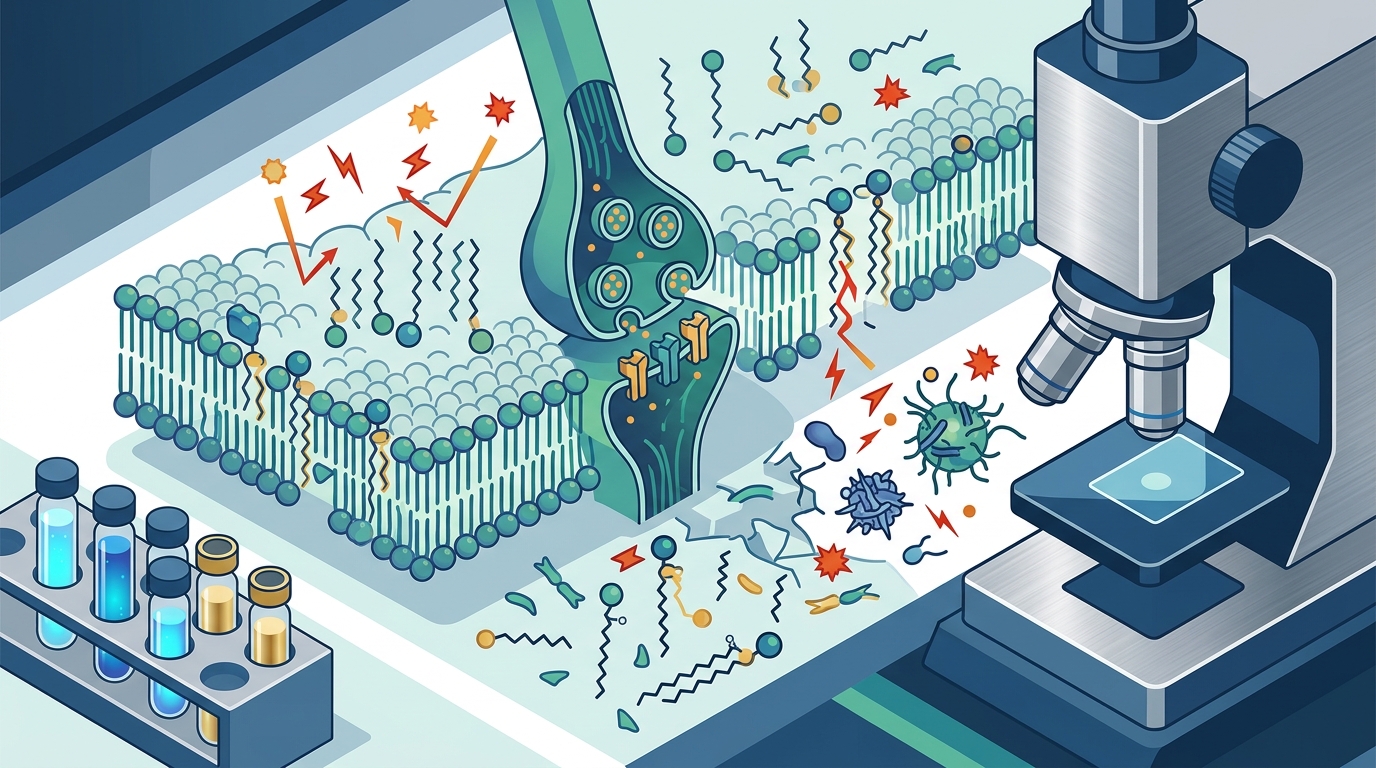
The brain operates on a network of billions of synapses, the junctions where neurons communicate. A synapse is the communication site where one nerve cell passes information to another cell. This process relies heavily on the physical properties of the cell membrane. Plasmalogens are critical for maintaining the fluidity and stability of these membranes, ensuring that neurotransmitter receptors can function correctly.
When plasmalogen levels are optimal, synaptic transmission is efficient. Memory formation, learning, and cognitive processing depend on this precision. However, as plasmalogens degrade, the membrane becomes rigid and less responsive. This rigidity impairs the ability of neurons to communicate, leading to cognitive decline. The function of the synapse is thus directly tied to the lipid environment in which it resides.
Furthermore, plasmalogens are concentrated in the myelin sheath, the protective covering of nerve fibers. Myelin ensures that electrical signals travel quickly and efficiently throughout the nervous system. A deficiency in plasmalogens can lead to demyelination or impaired remyelination, slowing neural communication and contributing to neurological symptoms. This structural role underscores why the brain is one of the first organs to show signs of plasmalogen deficiency.
The Alzheimer's Connection
Alzheimer's disease is characterized by the accumulation of amyloid-beta plaques and tau tangles. However, emerging research suggests that lipid metabolism dysfunction precedes these visible markers. Plasmalogens play a crucial role in regulating amyloid precursor protein (APP) processing. When plasmalogen levels are low, the processing of APP shifts toward the production of amyloid-beta, a toxic peptide that aggregates in the brain.
Studies have shown that individuals with Alzheimer's disease often have significantly lower levels of plasmalogens in their brain tissue and cerebrospinal fluid compared to healthy controls. This deficiency is not just a consequence of the disease but a contributing factor to its progression. The lack of antioxidant protection allows oxidative stress to damage neurons, accelerating cell death. The impact of plasmalogens on health and disease is evident in this metabolic disruption.
Additionally, plasmalogens help maintain the integrity of the blood-brain barrier. A compromised barrier allows inflammatory molecules to enter the brain, exacerbating neuroinflammation. By supporting barrier function and reducing oxidative stress, plasmalogens may help slow the inflammatory cascade associated with Alzheimer's. Understanding this link is vital for developing new therapeutic strategies that target lipid biology rather than just protein aggregation.
Parkinson's and Motor System Degeneration
Parkinson's disease involves the degeneration of dopamine-producing neurons in the substantia nigra, a region of the brain responsible for movement control. While the mechanisms are complex, oxidative stress is a key driver of this neuronal death. Plasmalogens, with their unique antioxidant capacity, are essential for protecting these vulnerable neurons.
Research indicates that plasmalogen levels are reduced in the brains of Parkinson's patients. This deficiency may leave dopamine neurons exposed to excessive oxidative damage, leading to their premature death. The effects on bones and muscle in plasmalogen-deficient states also highlight the broader systemic impact, including motor control and neuromuscular junction integrity.
Furthermore, plasmalogens are involved in mitochondrial function. Mitochondria are the powerhouses of the cell, and their dysfunction is a hallmark of Parkinson's disease. By supporting mitochondrial membrane integrity and reducing oxidative stress within the organelle, plasmalogens help maintain cellular energy production. A failure in this system leads to neuronal death and the motor symptoms characteristic of the disease. The influence of plasmalogens on cellular energy is therefore critical for neuronal survival.
Measurement and Biomarkers
Identifying plasmalogen deficiency is a critical step in understanding an individual's risk for neurodegenerative conditions. Traditional blood tests often do not measure plasmalogens specifically. Advanced health measurement techniques, such as lipidomics, are required to assess these specialized lipids accurately. Advanced health measurements provide a deeper look into metabolic and lipid health.
| Condition | Plasmalogen Status | Primary Mechanism of Impact | Key Biomarker Focus |
|---|---|---|---|
| Alzheimer's Disease | Significantly Reduced | Increased Amyloid-Beta Production | Plasmalogen-to-Phospholipid Ratio |
| Parkinson's Disease | Reduced in Substantia Nigra | Oxidative Stress on Dopamine Neurons | Antioxidant Capacity Markers |
| General Cognitive Decline | Moderately Reduced | Synaptic Membrane Rigidity | Lipid Profile Analysis |
| Healthy Aging | Maintained Levels | Optimal Membrane Fluidity | Longitudinal Tracking |
Monitoring these levels over time allows for early intervention. Longitudinal tracking is more powerful than one-time testing because it reveals trends in biological aging and metabolic health. By identifying a decline in plasmalogens before symptoms appear, individuals can take proactive steps to support their brain health.
Key Takeaways
- Plasmalogens are specialized ether phospholipids that provide critical antioxidant protection to brain cell membranes.
- Low plasmalogen levels are associated with increased amyloid-beta production, a key factor in Alzheimer's disease.
- Parkinson's disease involves the degeneration of dopamine neurons, which are highly susceptible to oxidative stress mitigated by plasmalogens.
- Plasmalogens are essential for maintaining synaptic integrity and efficient neural communication.
- Advanced lipidomics testing is required to accurately measure plasmalogen levels in the body.
- The biosynthesis of plasmalogens occurs in the peroxisomes, linking peroxisomal function to brain health.
- Supporting plasmalogen levels may help preserve cognitive function and slow neurodegenerative progression.
Frequently Asked Questions
What exactly are plasmalogens?
Plasmalogens are a type of phospholipid characterized by a vinyl-ether bond. They are found in high concentrations in the brain, heart, and immune cells, where they play a vital role in membrane structure and antioxidant defense.
How do plasmalogens relate to Alzheimer's disease?
Plasmalogens help regulate the processing of amyloid precursor protein. Low levels can lead to increased production of amyloid-beta plaques, which are toxic to neurons and a hallmark of Alzheimer's disease.
Can plasmalogen deficiency cause Parkinson's disease?
While plasmalogen deficiency does not directly cause Parkinson's, it contributes to the oxidative stress that damages dopamine-producing neurons. This damage accelerates the degeneration of the motor control systems.
How are plasmalogen levels measured?
Standard blood tests do not measure plasmalogens. Specialized lipidomics testing is required to quantify these specific lipids and assess their ratio to other phospholipids in the body.
Do plasmalogens decrease with age?
Yes, plasmalogen levels naturally decline as part of the aging process. This decline is linked to reduced peroxisomal function and increased oxidative stress, contributing to age-related cognitive decline.
What is the role of plasmalogens in the myelin sheath?
Plasmalogens are a major component of the myelin sheath, which insulates nerve fibers. They help maintain the integrity and speed of electrical signal transmission throughout the nervous system.
Can supplementing with plasmalogens help?
Research is ongoing into the therapeutic potential of plasmalogen supplementation. While promising for supporting brain health, it is essential to consult with a healthcare provider for personalized advice.
Take Action for Brain Health
Understanding the link between plasmalogens and neurodegenerative conditions is the first step toward proactive brain health. By monitoring your lipid profile and supporting your body's natural defenses, you can help protect your cognitive function and longevity. Explore our comprehensive resources on plasmalogens and health to learn more about how you can support your brain's lipid biology. Contact our team to discuss advanced health measurements and personalized strategies for maintaining optimal plasmalogen levels.