

Plasmalogens are specialized ether phospholipids that serve as the primary antioxidant defense in the brain's cell membranes. Research indicates that plasmalogen levels drop significantly in the brains of individuals with Alzheimer's disease, often preceding clinical symptoms by years. This decline is not merely a side effect of the disease but a critical driver of neuronal vulnerability, oxidative stress, and synaptic failure. Understanding this biological link is essential for grasping the future of neuroprotection and cellular resilience.
What Are Plasmalogens?
To understand the link to neurodegeneration, we must first define the molecule itself. Plasmalogens are specialized ether phospholipids found in high concentrations in the brain and heart. Unlike standard phospholipids, they possess a unique vinyl-ether bond at the sn-1 position of the glycerol backbone. This chemical structure is not accidental. It is designed to act as a sacrificial antioxidant, absorbing free radicals and preventing oxidative damage to the more critical polyunsaturated fatty acids in the cell membrane.
These molecules are synthesized in the peroxisomes, a cellular organelle responsible for breaking down very long-chain fatty acids. Once synthesized, they are transported to the endoplasmic reticulum for final assembly. This process is highly energy-intensive and tightly regulated. When peroxisomal function declines, plasmalogen production drops. This is why conditions affecting peroxisomal health often present with severe neurological deficits early in life.
The brain is particularly dependent on plasmalogens because it consumes twenty percent of the body's oxygen while generating significant oxidative byproducts. Without adequate plasmalogen reserves, neuronal membranes become rigid, leaky, and susceptible to inflammatory attacks. This loss of membrane fluidity disrupts ion channels, impairs neurotransmitter release, and ultimately compromises cognitive function.
Synaptic Health and Membrane Integrity
Neurodegeneration is fundamentally a disease of synaptic failure. The synapse is the communication site where one nerve cell passes information to another cell. This process relies entirely on the structural integrity of the pre-synaptic and post-synaptic membranes. A synapse is the communication site where one nerve cell passes information to another cell. When plasmalogen levels are optimal, these membranes remain fluid and resilient, allowing for rapid signal transmission.
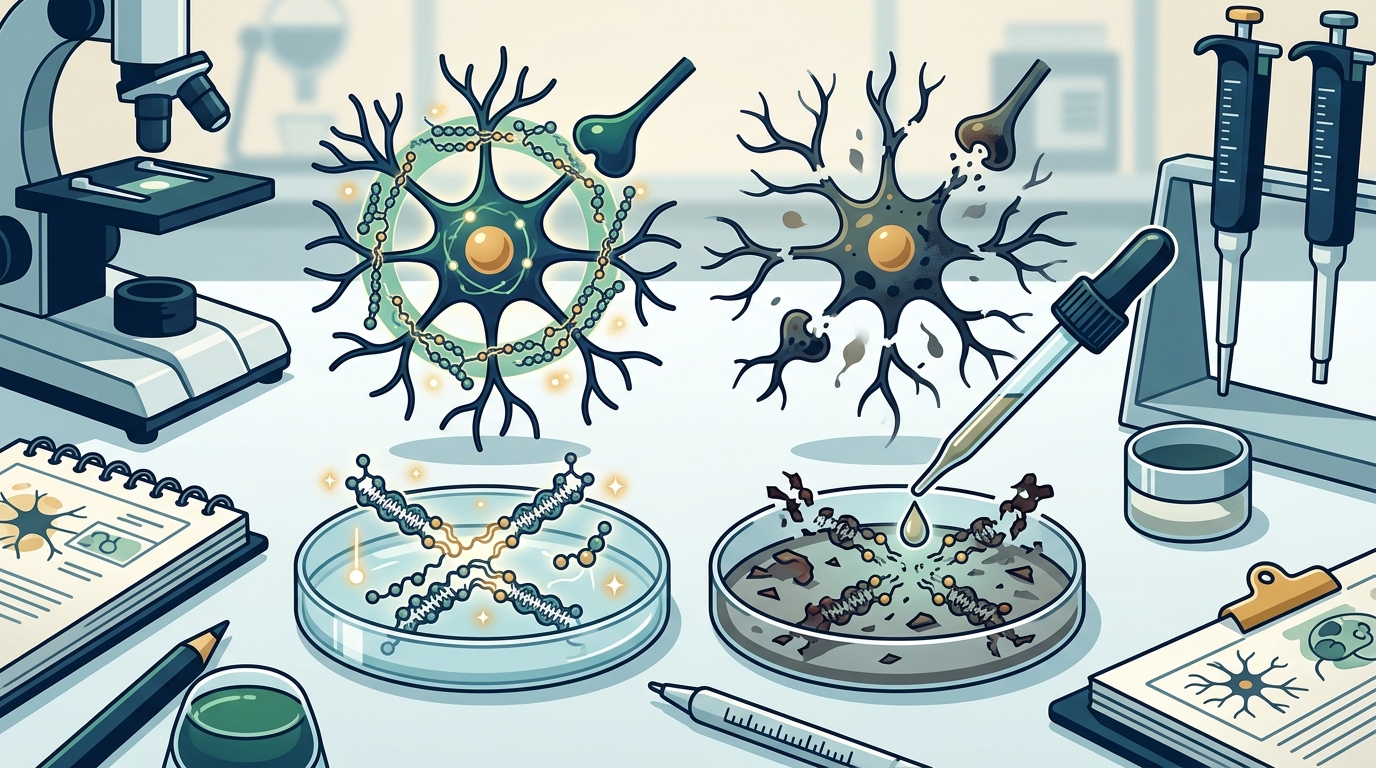
However, when plasmalogen levels decline, the membrane environment changes. The lack of antioxidant protection leads to lipid peroxidation, a chain reaction where free radicals steal electrons from membrane lipids. This damages the membrane structure, making it less able to support the proteins responsible for neurotransmitter transport. Consequently, synaptic communication slows down or fails entirely.
This degradation is not uniform across the brain. Regions with high metabolic demand, such as the hippocampus and the prefrontal cortex, are often the first to show signs of plasmalogen deficiency. The result is a progressive decline in memory, executive function, and emotional regulation. By maintaining plasmalogen levels, the brain preserves the physical substrate required for thought and memory.
The Alzheimer's Connection
The link between plasmalogens and Alzheimer's disease is one of the most significant findings in modern lipidomics. Studies have consistently shown that plasmalogen levels are significantly lower in the brains of Alzheimer's patients compared to healthy controls. This reduction is observed in both the hippocampus and the frontal cortex, areas critical for memory and cognition.
Why does this matter? Plasmalogens play a direct role in the metabolism of amyloid-beta, the protein that forms plaques in Alzheimer's brains. Adequate plasmalogen levels help regulate the enzymes that process amyloid-beta, preventing the formation of toxic aggregates. When plasmalogen levels drop, this regulatory mechanism fails, leading to increased plaque accumulation and neuroinflammation.
Furthermore, the oxidative stress caused by plasmalogen deficiency exacerbates tau protein tangles. Tau proteins stabilize microtubules in neurons, but when oxidized, they detach and clump together, disrupting cellular transport. This dual assault on amyloid-beta and tau pathways accelerates neuronal death. Understanding this mechanism highlights why plasmalogen preservation is not just supportive care but a potential therapeutic target.
Parkinson's Disease and Motor Neurons
While Alzheimer's affects memory, Parkinson's disease targets the motor system. The link here is equally profound. Parkinson's is characterized by the loss of dopamine-producing neurons in the substantia nigra. These neurons are particularly vulnerable to oxidative stress due to their high metabolic activity and the byproducts of dopamine synthesis.
Plasmalogens protect these neurons by neutralizing reactive oxygen species before they can damage mitochondrial DNA. When plasmalogen levels are low, mitochondria fail to produce energy efficiently, leading to cellular death. This is why plasmalogen deficiency is often observed in the brains of Parkinson's patients as well.
Additionally, plasmalogens influence the health of glial cells, the support cells of the nervous system. In Parkinson's, glial cells can become overactive, releasing inflammatory cytokines that harm nearby neurons. Plasmalogens help modulate this inflammatory response, keeping it in check. Without this modulation, the inflammatory cascade accelerates neurodegeneration, worsening motor symptoms and cognitive decline.
Measurement and Biomarkers
Traditional healthcare often focuses on symptoms, diagnosis, and treatment after problems become obvious. That approach is essential in acute care, but it does not always capture the earlier biological changes that may occur long before a condition is formally identified. Advanced health measurement looks deeper. It examines patterns in metabolism, inflammation, cellular energy, lipid biology, oxidative stress, cardiovascular function, hormone signaling, nutrient status, immune activity, organ function, and biological aging.
Standard lipid panels do not measure plasmalogens. They focus on cholesterol and triglycerides. To assess plasmalogen status, specialized testing is required. This includes measuring specific biomarkers like plasmenylethanolamine and plasmenylcholine in the blood. These biomarkers reflect the body's overall plasmalogen pool and can indicate early declines in membrane health.
Longitudinal tracking is more powerful than one-time testing. By monitoring plasmalogen levels over time, individuals can identify trends and intervene before significant neurological damage occurs. This proactive approach aligns with the goals of healthspan, which refers to the years of life lived with strong function, mobility, cognition, metabolic stability, immune resilience, and independence.
Key Takeaways
- Plasmalogens are specialized ether phospholipids that act as the brain's primary antioxidant defense against oxidative stress.
- Significant drops in plasmalogen levels are observed in the brains of Alzheimer's patients, often preceding clinical symptoms by years.
- Synaptic failure is driven by membrane rigidity and lipid peroxidation when plasmalogen reserves are depleted.
- Parkinson's disease involves the loss of dopamine neurons, which are highly vulnerable to the oxidative damage that plasmalogens normally prevent.
- Standard lipid panels do not measure plasmalogens; specialized biomarker testing is required for accurate assessment.
- Peroxisomal health is critical for plasmalogen synthesis, linking cellular organelle function to neurological resilience.
- Longitudinal tracking of plasmalogen levels offers a proactive path to preserving cognitive and motor health.
Frequently Asked Questions
What exactly are plasmalogens?
Plasmalogens are specialized ether phospholipids found in high concentrations in the brain and heart. They serve as the primary antioxidant defense in cell membranes, protecting against oxidative damage.
How do plasmalogens relate to Alzheimer's disease?
Plasmalogen levels are significantly lower in the brains of Alzheimer's patients. This deficiency impairs the brain's ability to clear amyloid-beta plaques and increases oxidative stress, accelerating neuronal death.
Can plasmalogen deficiency cause Parkinson's?
While plasmalogen deficiency does not directly cause Parkinson's, it exacerbates the loss of dopamine-producing neurons by increasing oxidative stress and mitochondrial dysfunction in vulnerable brain regions.
How are plasmalogens measured?
Plasmalogens are measured through specialized blood tests that analyze specific biomarkers like plasmenylethanolamine. Standard cholesterol panels do not include these measurements.
Why are plasmalogens important for synaptic health?
Plasmalogens maintain membrane fluidity and protect synaptic structures from lipid peroxidation. This ensures efficient neurotransmitter release and signal transmission between neurons.
What role do peroxisomes play in plasmalogen production?
Peroxisomes are the cellular organelles where the initial steps of plasmalogen synthesis occur. Dysfunction in peroxisomes leads to reduced plasmalogen levels and increased neurological risk.
Is plasmalogen testing available to the public?
Yes, advanced health measurement services offer plasmalogen biomarker testing. These tests provide insights into membrane health and oxidative stress levels that standard labs cannot detect.
How does oxidative stress affect the brain?
Oxidative stress damages neuronal membranes, mitochondria, and DNA. Plasmalogens neutralize free radicals, preventing this damage and preserving cognitive function.
Explore Advanced Health Measurements
Understanding the link between plasmalogens and neurodegeneration is the first step toward proactive brain health. By monitoring your plasmalogen levels and supporting your peroxisomal function, you can preserve synaptic integrity and cognitive resilience. Visit our Advanced Health Measurements page to learn more about testing options. For a deeper dive into the science, explore our What Are Plasmalogens guide. To understand the cellular mechanisms, read Cell Membranes Explained. Discover how The Synapse Works in the brain. Learn about Plasmalogen Levels and their impact on health. Contact us at Contact for personalized guidance.