

Plasmalogens are specialized ether phospholipids that serve as the first line of defense for cellular membranes in the brain and body. Recent scientific inquiry has established a critical link between declining plasmalogen levels and the progression of neurodegenerative conditions like Alzheimer's and Parkinson's disease. These molecules are not merely structural components; they are active participants in protecting neurons from oxidative stress and maintaining synaptic integrity. When plasmalogen biosynthesis falters, the brain loses its ability to repair itself, leading to the cellular damage that characterizes these devastating diseases. (About This Project Plasmalogen)
What Are Plasmalogens?
To understand the link to neurodegeneration, we must first define the molecule itself. Plasmalogens are a unique class of ether phospholipids found in high concentrations in the brain, heart, and skeletal muscle. Unlike standard phospholipids, they possess a vinyl-ether bond at the sn-1 position, which makes them exceptionally susceptible to oxidation. This chemical property is double-edged. It allows them to act as sacrificial antioxidants, neutralizing free radicals before they can damage DNA or proteins. However, it also means they are consumed rapidly during periods of high oxidative stress.
These lipids are synthesized in the peroxisomes, a cellular organelle responsible for breaking down fatty acids and managing oxidative processes. The process requires a complex series of enzymatic steps. When peroxisomal function declines, plasmalogen production drops. This decline is not just a symptom of aging; it is a driver of cellular dysfunction. The brain, which consumes twenty percent of the body's energy, relies heavily on these lipids to maintain the fluidity and stability of neuronal membranes.
For a deeper understanding of their biological role, you can explore what plasmalogens are and how they differ from other lipids. Understanding their structure is key to understanding their function in the brain.
Plasmalogens and Alzheimer's Disease
Alzheimer's disease is characterized by the accumulation of amyloid-beta plaques and tau tangles. However, emerging research suggests that plasmalogen deficiency may precede these physical markers. Studies indicate that individuals with mild cognitive impairment and Alzheimer's disease have significantly lower levels of plasmalogens in their cerebrospinal fluid and brain tissue compared to healthy controls. This deficiency is not random; it correlates with the severity of cognitive decline.
The link between plasmalogens and Alzheimer's is rooted in oxidative stress. The brain is highly vulnerable to lipid peroxidation because it is rich in polyunsaturated fatty acids. Plasmalogens protect these fatty acids from being destroyed by reactive oxygen species. When plasmalogen levels drop, the brain's antioxidant capacity collapses. This leads to increased inflammation, mitochondrial dysfunction, and ultimately, neuronal death.
Furthermore, plasmalogens play a role in the processing of amyloid precursor protein. Some research suggests that adequate plasmalogen levels may help regulate the production of amyloid-beta, preventing the formation of toxic plaques. Without this regulation, the brain becomes overwhelmed by debris, leading to the synaptic loss that defines Alzheimer's. For more details on how these lipids influence aging, review how plasmalogens influence aging.
Plasmalogens and Parkinson's Disease
Parkinson's disease involves the degeneration of dopamine-producing neurons in the substantia nigra. Like Alzheimer's, oxidative stress is a central player in its pathology. Dopamine metabolism itself generates reactive oxygen species, creating a toxic environment for neurons. Plasmalogens are crucial in this context because they protect dopaminergic neurons from this self-inflicted oxidative damage.
Research has shown that plasmalogen levels are reduced in the brains of individuals with Parkinson's disease. This reduction is not limited to the brain; it is also observed in the blood, suggesting that systemic plasmalogen deficiency may be a biomarker for neurodegeneration. The loss of plasmalogens compromises the integrity of neuronal membranes, making them more susceptible to apoptosis, or programmed cell death.
Additionally, plasmalogens are involved in the regulation of inflammation. Chronic neuroinflammation is a hallmark of Parkinson's disease. By modulating inflammatory responses, plasmalogens help prevent the collateral damage that spreads the disease to adjacent brain regions. Understanding the impact of plasmalogens on aging provides context for why this protective mechanism fails over time.
Cellular Mechanisms of Neuroprotection
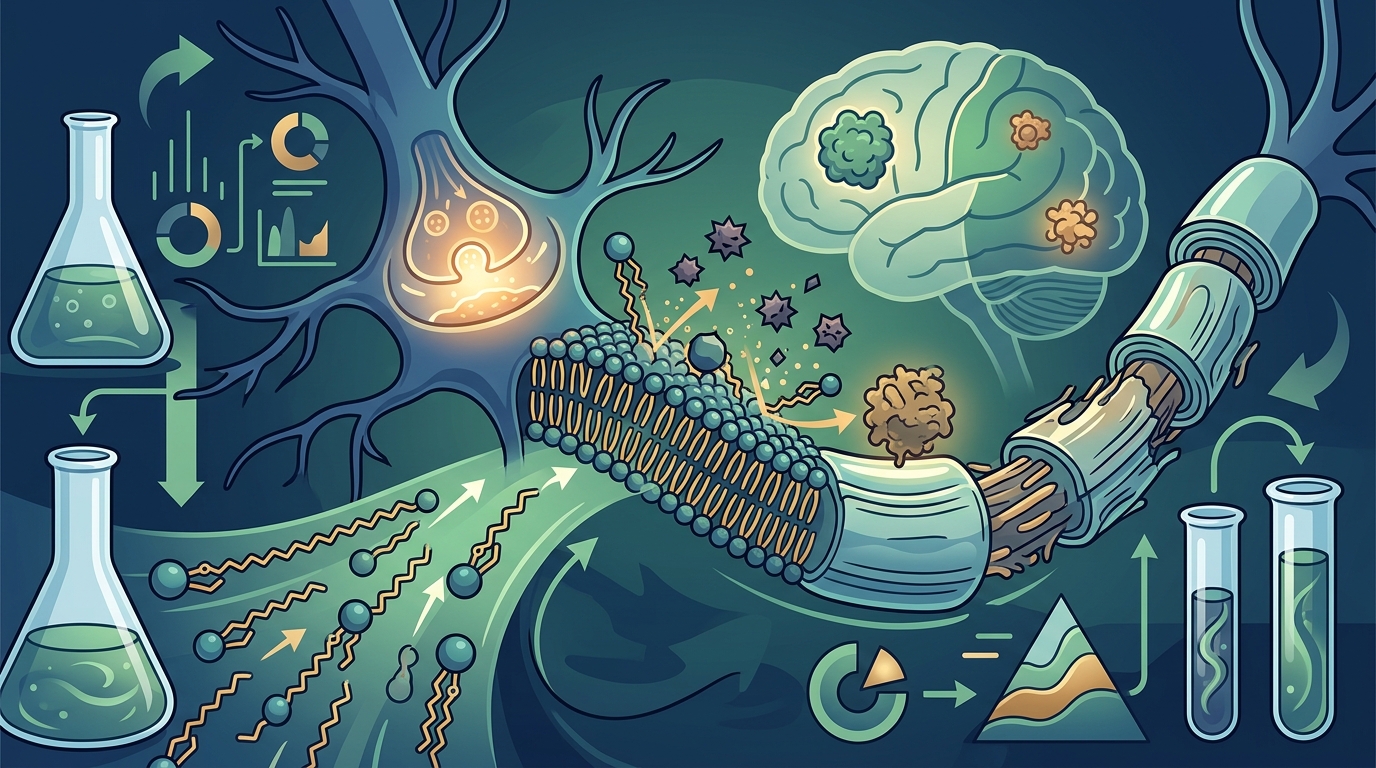
The connection between plasmalogens and neurodegeneration is not just correlational; it is mechanistic. To understand how these lipids protect the brain, we must look at the cellular level. Cell membranes are the barriers that define the cell and regulate what enters and exits. Plasmalogens are integral to the structure and function of these membranes.
One of the primary mechanisms is antioxidant defense. Plasmalogens can be oxidized in place of other critical lipids. This sacrificial oxidation prevents damage to the cell's DNA and proteins. In the brain, where DNA repair mechanisms are less efficient, this protection is vital. When plasmalogen levels are low, the brain becomes vulnerable to oxidative damage, which accelerates neurodegeneration.
Another mechanism is the regulation of synaptic function. Synapses are the junctions where neurons communicate. The efficiency of this communication depends on the fluidity and stability of the synaptic membrane. Plasmalogens help maintain this fluidity, ensuring that neurotransmitters can be released and received effectively. When plasmalogen levels drop, synaptic transmission becomes impaired, leading to cognitive decline and motor dysfunction.
For a detailed explanation of how these lipids support cellular energy, explore how plasmalogens influence cellular energy. This energy connection is critical for neurons, which have high metabolic demands.
Measurement and Testing
Given the critical role of plasmalogens in neurodegeneration, measuring their levels has become a priority in advanced health testing. Traditional blood tests do not typically include plasmalogen analysis. However, specialized lipidomics testing can quantify plasmalogen levels in the blood. These levels often reflect the status of plasmalogens in the brain, providing a non-invasive window into neurological health.
Advanced health measurement is changing how we understand longevity and disease prevention. By monitoring plasmalogen levels, individuals can identify potential risks before symptoms appear. This early detection allows for proactive interventions, such as lifestyle changes or targeted supplementation, to support plasmalogen biosynthesis.
For more information on the importance of these measurements, read the importance of advanced health measurements. This guide outlines how lipidomics provides insights that standard testing misses.
Key Takeaways
- Plasmalogens are specialized ether phospholipids that serve as the brain's primary antioxidant defense system.
- Alzheimer's disease is linked to significant reductions in plasmalogen levels, which exacerbate oxidative stress and amyloid-beta accumulation.
- Parkinson's disease involves the degeneration of dopamine neurons, a process accelerated by plasmalogen deficiency and subsequent lipid peroxidation.
- Peroxisomal function is essential for plasmalogen biosynthesis; its decline is a key factor in age-related neurodegeneration.
- Advanced lipidomics testing can measure plasmalogen levels in the blood, offering a biomarker for neurological health.
- Synaptic integrity depends on plasmalogens to maintain membrane fluidity and efficient neurotransmitter communication.
- Early intervention through lifestyle and nutritional support may help preserve plasmalogen levels and slow neurodegenerative processes.
Frequently Asked Questions
What are plasmalogens and why are they important for the brain?
Plasmalogens are a unique class of ether phospholipids found in high concentrations in the brain. They are important because they protect neuronal membranes from oxidative damage and support synaptic function, which is critical for cognitive health.
How do plasmalogens relate to Alzheimer's disease?
Plasmalogen levels are significantly lower in individuals with Alzheimer's disease. This deficiency contributes to increased oxidative stress and inflammation, which accelerate the accumulation of amyloid-beta plaques and tau tangles.
Can plasmalogen deficiency cause Parkinson's disease?
While plasmalogen deficiency does not directly cause Parkinson's, it exacerbates the degeneration of dopamine-producing neurons. Low levels reduce the brain's ability to handle oxidative stress, leading to increased neuronal death.
How are plasmalogens measured?
Plasmalogens are measured through specialized lipidomics testing, which quantifies their levels in the blood. This testing is part of advanced health measurements that go beyond standard blood panels.
Can plasmalogen levels be increased?
Plasmalogen levels can be supported through lifestyle changes, such as reducing oxidative stress and supporting peroxisomal function. Some research suggests that specific nutrients may help, but consultation with a healthcare provider is recommended.
What is the role of peroxisomes in plasmalogen production?
Peroxisomes are cellular organelles where the initial steps of plasmalogen biosynthesis occur. If peroxisomal function declines, plasmalogen production decreases, leading to lower levels in the brain and body.
Why is oxidative stress a key factor in neurodegeneration?
Oxidative stress damages cellular components, including DNA, proteins, and lipids. In the brain, this damage leads to neuronal death and cognitive decline. Plasmalogens protect against this damage by acting as sacrificial antioxidants.
What is the difference between plasmalogens and other phospholipids?
Plasmalogens have a vinyl-ether bond at the sn-1 position, which makes them more susceptible to oxidation than other phospholipids. This property allows them to act as antioxidants, protecting other lipids from damage.
Take Action
Understanding the link between plasmalogens and neurodegeneration is the first step toward protecting your brain health. If you are concerned about your cognitive health or want to explore advanced testing options, we encourage you to learn more about our resources. Visit plasmalogenscience.com to access comprehensive guides on plasmalogen science, measurement, and health. For personalized advice, please contact us to discuss your health goals.