

Plasmalogens are specialized ether phospholipids that serve as critical structural components of cell membranes, particularly in the brain, heart, and immune system. Recent research indicates that declining plasmalogen levels are a hallmark of aging and neurodegenerative conditions, with some studies suggesting that these lipids drop significantly in the early stages of cognitive decline. Understanding the biological drivers of this depletion is essential for maintaining cellular resilience and long-term neurological health. (About This Project Plasmalogen)
What Are Plasmalogens?
Plasmalogens are a unique class of phospholipids characterized by a vinyl-ether bond at the sn-1 position of the glycerol backbone. This chemical structure makes them highly susceptible to oxidative stress, allowing them to act as sacrificial antioxidants that protect other cellular components from damage. Plasmalogens are specialized ether phospholipids found in cell membranes throughout the body. They are especially concentrated in tissues with high metabolic demands, such as the brain, heart, and skeletal muscle. (Home Plasmalogen Science)
These molecules are not merely structural; they play active roles in cell signaling, membrane fluidity, and the regulation of ion channels. Without adequate plasmalogen levels, cell membranes become less flexible and more prone to oxidative damage, which can impair cellular function and accelerate aging processes. (How Bones amp Muscle)
Signs of Low Plasmalogen Levels
Because plasmalogens are vital for neurological and cardiovascular health, their deficiency often manifests in specific physiological and cognitive symptoms. While standard blood tests do not typically measure plasmalogen levels, clinical observations and advanced biomarker studies have identified several key indicators of depletion.
Cognitive and Neurological Symptoms
The brain is one of the most plasmalogen-rich organs in the body. When levels drop, the integrity of neuronal membranes and synapses can be compromised. Common signs include:
- Memory lapses: Difficulty recalling recent events or learning new information.
- Brain fog: Reduced mental clarity, focus, and processing speed.
- Mood changes: Increased susceptibility to anxiety or depression, linked to altered neurotransmitter signaling.
Research into neurodegenerative diseases, such as Alzheimer's, has shown that plasmalogen levels are significantly lower in affected individuals compared to healthy controls. This suggests that cognitive decline may be an early sign of broader lipid metabolism issues.
Physical and Metabolic Indicators
Beyond the brain, low plasmalogen levels can affect physical resilience and energy production. Signs include:
- Fatigue: Reduced mitochondrial efficiency leads to lower cellular energy (ATP) production.
- Joint stiffness: Plasmalogens are crucial for joint health; their deficiency can contribute to inflammation and reduced mobility.
- Slow recovery: Impaired tissue repair and increased oxidative stress can prolong recovery after physical exertion or injury.
Causes of Plasmalogen Decline
Plasmalogen biosynthesis is a complex process that occurs primarily in the peroxisomes of cells. Several factors can disrupt this process, leading to declining levels over time.
Aging and Biological Decline
The most significant driver of plasmalogen depletion is natural aging. As we age, peroxisomal function declines, reducing the body's ability to synthesize new plasmalogens. Plasmalogens are specialized ether phospholipids found in cell membranes throughout the body. Their levels naturally peak in early adulthood and gradually decrease thereafter. This decline is associated with increased oxidative stress and reduced cellular repair capacity.
Oxidative Stress and Inflammation
Because plasmalogens act as antioxidants, they are consumed during the neutralization of free radicals. Chronic exposure to environmental toxins, poor diet, and chronic inflammation can deplete plasmalogen reserves faster than the body can replenish them. This creates a vicious cycle where low plasmalogen levels lead to more oxidative damage, which further inhibits biosynthesis.
Genetic and Metabolic Factors
Certain genetic conditions, such as peroxisomal biogenesis disorders, can severely impair plasmalogen production from birth. Even in individuals without these rare disorders, metabolic conditions like insulin resistance or mitochondrial dysfunction can indirectly affect lipid metabolism and plasmalogen synthesis.
Measurement & Testing
Traditional healthcare often focuses on symptoms, diagnosis, and treatment after problems become obvious. That approach is essential in acute care, but it does not always capture the earlier biological changes that may occur long before a condition is formally identified. Advanced health measurement looks deeper, examining patterns in metabolism, inflammation, and lipid biology.
Advanced Lipidomics
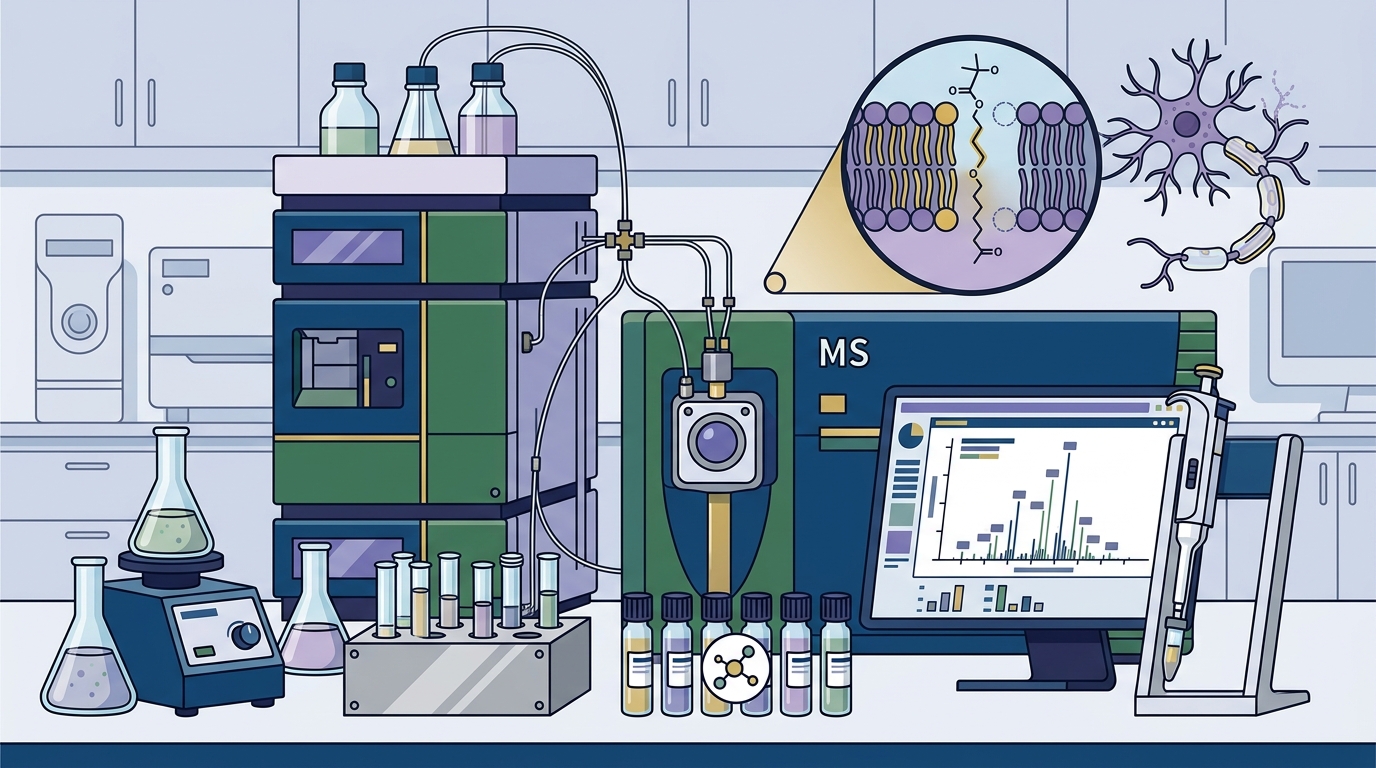
Standard lipid panels do not measure plasmalogens. Advanced lipidomics testing is required to quantify specific phospholipid classes. These tests can provide a detailed profile of membrane health and oxidative stress markers.
Neuroimaging and Biomarkers
In clinical settings, neuroimaging techniques such as MRI can detect structural changes in the brain associated with low plasmalogen levels, such as hippocampal atrophy. Additionally, cerebrospinal fluid analysis can provide direct insights into central nervous system lipid metabolism.
Longitudinal Tracking
Because plasmalogen levels change gradually, a single test may not provide the full picture. Longitudinal tracking allows healthcare providers to monitor trends in lipid metabolism and adjust interventions accordingly.
Key Takeaways
- Plasmalogens are specialized ether phospholipids found in cell membranes throughout the body. They are critical for neurological and cardiovascular health.
- Signs of low plasmalogen levels include cognitive decline, memory lapses, fatigue, and joint stiffness.
- Aging is the primary cause of plasmalogen decline, as peroxisomal function decreases over time.
- Oxidative stress consumes plasmalogens, creating a cycle of depletion and cellular damage.
- Advanced lipidomics testing is required to measure plasmalogen levels, as standard blood tests do not include them.
- Genetic disorders like peroxisomal biogenesis diseases can severely impair plasmalogen synthesis.
- Early intervention through lifestyle changes and targeted supplementation may help mitigate decline.
Frequently Asked Questions
What are the earliest signs of low plasmalogen levels?
The earliest signs are often subtle cognitive changes, such as mild memory lapses or brain fog, before more severe neurological symptoms appear.
Can plasmalogen levels be increased through diet?
While certain foods contain precursors to plasmalogen synthesis, the body's ability to produce them depends heavily on peroxisomal function, which may require targeted supplementation or medical intervention.
How is plasmalogen deficiency diagnosed?
Diagnosis typically involves advanced lipidomics testing to measure specific phospholipid levels in the blood or cerebrospinal fluid, rather than standard blood work.
Are plasmalogens only important for brain health?
No, plasmalogens are also crucial for heart health, immune function, and skeletal muscle integrity, as they are found in cell membranes throughout the body.
What is the role of peroxisomes in plasmalogen production?
Peroxisomes are the cellular organelles where the initial steps of plasmalogen biosynthesis occur. Dysfunction in peroxisomes can lead to significantly reduced plasmalogen levels.
Can oxidative stress cause low plasmalogen levels?
Yes, oxidative stress consumes plasmalogens as they act as sacrificial antioxidants, leading to depletion if the rate of consumption exceeds synthesis.
Is plasmalogen deficiency linked to Alzheimer's disease?
Research has shown that plasmalogen levels are significantly lower in individuals with Alzheimer's disease, suggesting a strong link between lipid metabolism and neurodegeneration.
How does aging affect plasmalogen synthesis?
Aging reduces peroxisomal function and enzyme activity, leading to a natural decline in the body's ability to produce new plasmalogens.
Next Steps
Understanding the signs of low plasmalogen levels is the first step toward protecting your long-term health. If you are experiencing cognitive decline, fatigue, or other symptoms associated with lipid metabolism issues, consider consulting with a healthcare provider about advanced testing options.
For more information on how plasmalogens influence cellular energy and aging, visit our Plasmalogens & Health section. To learn about the science behind how the body produces plasmalogens, explore our Complete Science of Biosynthesis guide. You can also contact us for personalized insights into advanced health measurements and longevity strategies.