

Plasmalogens are specialized ether phospholipids that serve as critical structural and functional components of cell membranes, particularly in the brain. Recent scientific inquiry has established a profound link between declining plasmalogen levels and the progression of neurodegenerative conditions. Research indicates that these molecules are not merely passive structural elements but active participants in protecting neurons from oxidative stress and maintaining synaptic integrity. As the brain ages, the natural biosynthesis of plasmalogens decreases, creating a vulnerability that may accelerate neurodegenerative pathways. Understanding this connection is essential for advancing our knowledge of brain health and developing targeted interventions for conditions like Alzheimer's and Parkinson's disease.
What Are Plasmalogens?
To understand the link to neurodegeneration, we must first define the molecule itself. Plasmalogens are a unique class of ether phospholipids found in high concentrations in the brain and heart. Unlike common dietary fats, they are synthesized through a complex process involving peroxisomes, which are cellular organelles responsible for breaking down fatty acids and building specialized lipids.
These molecules are distinct because they contain a vinyl-ether bond at the sn-1 position of the glycerol backbone. This chemical structure makes them highly susceptible to oxidation, which serves a protective purpose. By acting as sacrificial antioxidants, plasmalogens absorb free radicals and reactive oxygen species before they can damage critical cellular components like DNA, proteins, and other lipids. This antioxidant capacity is vital in the brain, which consumes a disproportionate amount of oxygen and is therefore highly vulnerable to oxidative stress.
The body produces plasmalogens through a tightly regulated biosynthetic pathway. When this pathway is disrupted, either by genetic factors or age-related decline, the resulting deficiency can compromise membrane fluidity, signal transduction, and cellular resilience. For a deeper dive into the biological mechanisms, you can explore how the body produces plasmalogens through detailed scientific resources.
Synaptic Function and Plasmalogen Deficiency
The brain is composed of billions of neurons that communicate via synapses. A synapse is the communication site where one nerve cell passes information to another cell. This process relies heavily on the physical properties of the cell membrane. Plasmalogens are concentrated in the myelin sheath and synaptic membranes, where they regulate membrane fluidity and protein function.
When plasmalogen levels are adequate, synaptic membranes remain flexible, allowing neurotransmitter receptors to function optimally. This flexibility is crucial for synaptic plasticity, the brain's ability to strengthen or weaken connections over time, which is the basis of learning and memory. However, when plasmalogen levels drop, membranes can become rigid or disorganized. This rigidity impairs the release and reuptake of neurotransmitters, leading to cognitive decline and impaired motor control.
Furthermore, the lack of plasmalogens leaves synaptic structures exposed to oxidative damage. Without this protective shield, reactive oxygen species can degrade synaptic proteins and lipids, leading to synaptic loss. Synaptic loss is often the earliest predictor of cognitive decline, preceding the visible accumulation of plaques or tangles in the brain. For more on how these structures work, review how the synapse works in the brain to understand the mechanical basis of neural communication.
The Alzheimer's Connection
Alzheimer's disease is the most common form of dementia, characterized by the accumulation of amyloid-beta plaques and tau tangles. However, emerging research suggests that plasmalogen deficiency may be a primary driver of these pathological changes, rather than just a secondary effect.
Studies have shown that individuals with Alzheimer's disease have significantly lower levels of plasmalogens in their brain tissue and cerebrospinal fluid compared to healthy controls. This deficiency is not uniform; it varies by brain region, with areas critical for memory and cognition showing the most severe depletion. The loss of plasmalogens exacerbates the disease process in several ways:
- Oxidative Stress: Without sufficient plasmalogens, neurons are more susceptible to oxidative damage, which accelerates cell death.
- Inflammation: Plasmalogen deficiency is linked to increased neuroinflammation, as microglia (the brain's immune cells) become overactive in response to membrane damage.
- Amyloid Production: Some evidence suggests that altered lipid metabolism due to low plasmalogens may influence the production and clearance of amyloid-beta.
This relationship highlights the importance of maintaining plasmalogen levels as a potential strategy for slowing disease progression. For a comprehensive overview of the disease biology, see how cognitive and neurological systems are affected in plasmalogen-deficient states.
Parkinson's Disease and Motor Control
Parkinson's disease is a neurodegenerative disorder that primarily affects movement, caused by the loss of dopamine-producing neurons in the substantia nigra. While less discussed than in Alzheimer's, plasmalogen deficiency also plays a significant role in Parkinson's pathology.
The substantia nigra is particularly vulnerable to oxidative stress due to its high metabolic activity and iron content. Plasmalogens, with their antioxidant properties, are essential for protecting these neurons. When plasmalogen levels decline, the neurons in this region are left exposed to damage, leading to their degeneration and the subsequent loss of motor control.
Additionally, plasmalogens are involved in the regulation of dopamine signaling. They help maintain the integrity of dopamine receptors and the efficiency of dopamine transport. A deficiency can disrupt these processes, leading to the motor symptoms characteristic of Parkinson's, such as tremors, rigidity, and bradykinesia. Understanding the broader impact on the body, including how bones and muscle are affected, provides a holistic view of the systemic nature of these deficiencies.
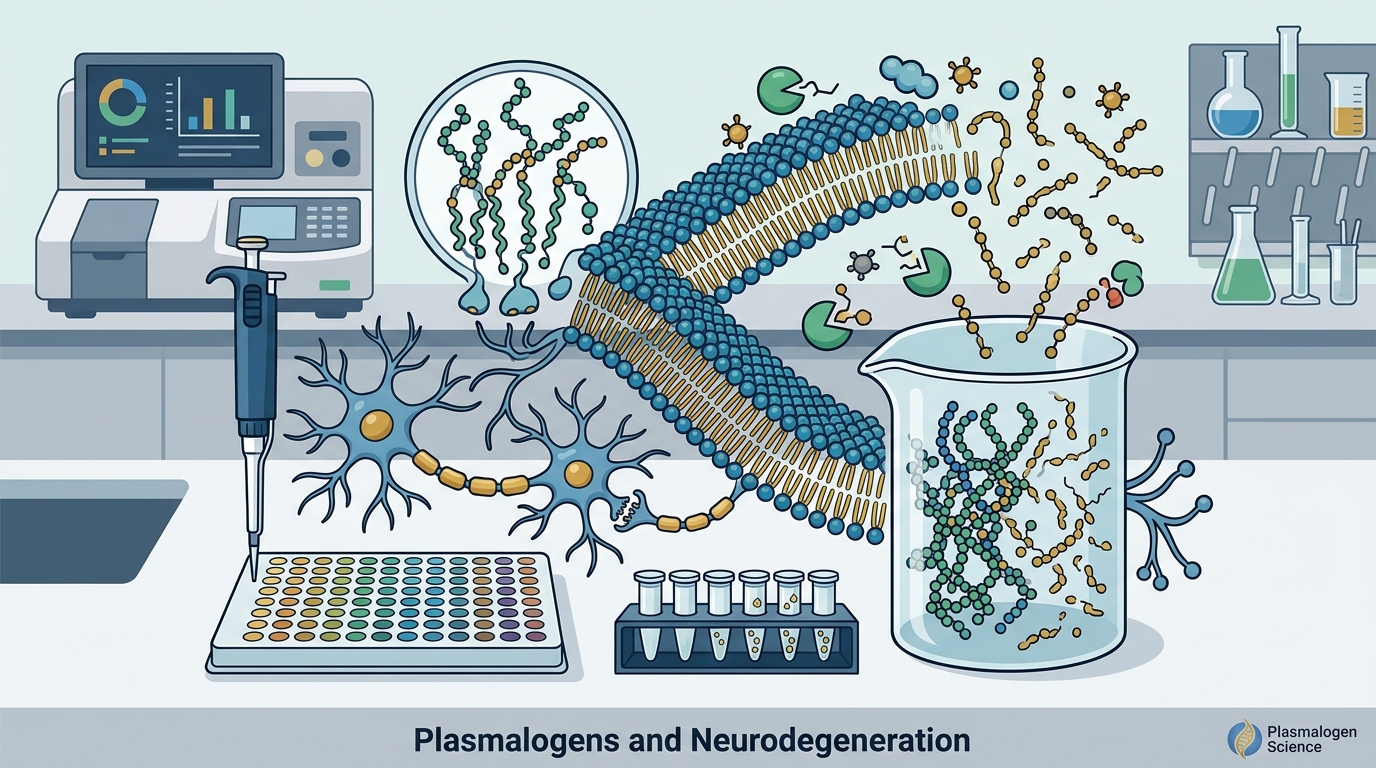
Measurement and Biomarkers
Recognizing the link between plasmalogens and neurodegeneration has led to a greater interest in measuring these lipids as biomarkers. Traditional brain imaging and cognitive tests often detect damage only after significant neuronal loss has occurred. Advanced health measurement offers a more proactive approach.
Plasmalogen levels can be measured in blood plasma, providing a non-invasive window into brain lipid status. These measurements can reveal early signs of metabolic dysfunction and oxidative stress before clinical symptoms appear. By tracking these levels over time, clinicians can monitor the effectiveness of interventions and adjust treatment plans accordingly.
For those interested in the technical aspects of these assessments, advanced health measurements provide insight into how biomarkers reveal early biological patterns. This data is crucial for distinguishing between normal aging and pathological decline.
Key Takeaways
- Plasmalogens are specialized ether phospholipids that protect brain cells from oxidative stress.
- Low plasmalogen levels are consistently found in the brains of individuals with Alzheimer's and Parkinson's disease.
- Plasmalogens are essential for maintaining synaptic plasticity, which is critical for memory and learning.
- The biosynthesis of plasmalogens occurs in peroxisomes, and defects in this pathway can lead to severe neurological disorders.
- Measuring plasmalogen levels in blood can serve as an early biomarker for neurodegenerative risk.
- Antioxidant protection provided by plasmalogens helps prevent the accumulation of toxic proteins like amyloid-beta.
- Supporting plasmalogen health may be a viable strategy for preserving cognitive and motor function in aging.
Frequently Asked Questions
What exactly are plasmalogens?
Plasmalogens are a unique class of ether phospholipids found in high concentrations in the brain, heart, and other vital organs. They play a critical role in cell membrane structure and function, particularly in protecting cells from oxidative damage.
How do plasmalogens affect Alzheimer's disease?
Plasmalogen deficiency is linked to increased oxidative stress and inflammation in the brain, which are key drivers of Alzheimer's pathology. Low levels may accelerate the accumulation of amyloid-beta plaques and tau tangles.
Can plasmalogen levels be measured in the blood?
Yes, plasmalogen levels can be measured in blood plasma. These measurements provide insight into the lipid status of the brain and can serve as a biomarker for neurodegenerative risk.
Why are plasmalogens important for Parkinson's disease?
Plasmalogens protect dopamine-producing neurons in the substantia nigra from oxidative stress. Their deficiency may contribute to the degeneration of these neurons, leading to motor symptoms.
How does the body produce plasmalogens?
The body produces plasmalogens through a complex biosynthetic pathway that involves peroxisomes. This process requires specific enzymes and nutrients to create the unique vinyl-ether bond characteristic of these lipids.
What is the role of plasmalogens in synaptic function?
Plasmalogens regulate membrane fluidity and protein function in synaptic membranes. This regulation is essential for neurotransmitter release and reception, which underpins learning and memory.
Are there treatments that increase plasmalogen levels?
Research is ongoing into therapies that can boost plasmalogen levels, including dietary interventions and potential supplements. However, current medical approaches focus on managing symptoms and slowing disease progression.
Take the Next Step
Understanding the role of plasmalogens in neurodegeneration is the first step toward proactive brain health. Whether you are concerned about Alzheimer's, Parkinson's, or general cognitive aging, staying informed is crucial. For more information on how to support your brain health, visit our home page to explore our latest research and resources. If you have specific questions about plasmalogen science, please contact us directly. We are dedicated to providing accurate, science-based information to help you navigate the complexities of brain health.