

Plasmalogen levels naturally decline as we age, a biological shift that significantly impacts cellular resilience and long-term health. Research indicates that this decline begins as early as middle age and accelerates in later decades, creating a critical window for intervention. Understanding this trajectory is essential for anyone focused on healthy aging, cognitive preservation, and metabolic stability.
What Are Plasmalogens?
Before understanding how these levels change, it is vital to define what plasmalogens actually are. Plasmalogens are specialized ether phospholipids found in cell membranes throughout the body. They are not just structural components; they play active roles in cellular signaling, antioxidant defense, and membrane fluidity.
Unlike standard phospholipids, plasmalogens contain a unique vinyl-ether bond at the sn-1 position. This chemical structure makes them highly susceptible to oxidative damage, which serves a protective function. When free radicals attack the body, plasmalogens sacrifice themselves to neutralize the threat, thereby protecting more critical cellular structures like DNA and proteins from damage.
Because of this sacrificial role, plasmalogens are abundant in tissues with high metabolic activity and oxidative stress, such as the brain, heart, and immune cells. Their presence is a key indicator of cellular health and resilience.
The Connection Between Aging and Plasmalogen Decline
The relationship between aging and plasmalogen levels is inverse and well-documented. As the body ages, the efficiency of the biosynthetic pathways that create plasmalogens decreases. This decline is not merely a side effect of aging; it is a driver of many age-related functional declines.
The Mechanism of Decline
Plasmalogen biosynthesis occurs primarily in the peroxisomes, specialized organelles within cells. The process requires a complex series of enzymatic steps. Over time, peroxisomal function can diminish due to genetic factors, oxidative stress, and nutrient deficiencies. When peroxisomal efficiency drops, the production of new plasmalogens slows significantly.
Simultaneously, the rate of plasmalogen consumption may increase due to higher cumulative oxidative stress in older tissues. This double effect, reduced production and increased consumption, leads to a net deficit in cellular plasmalogen stores.
Timeline of Decline
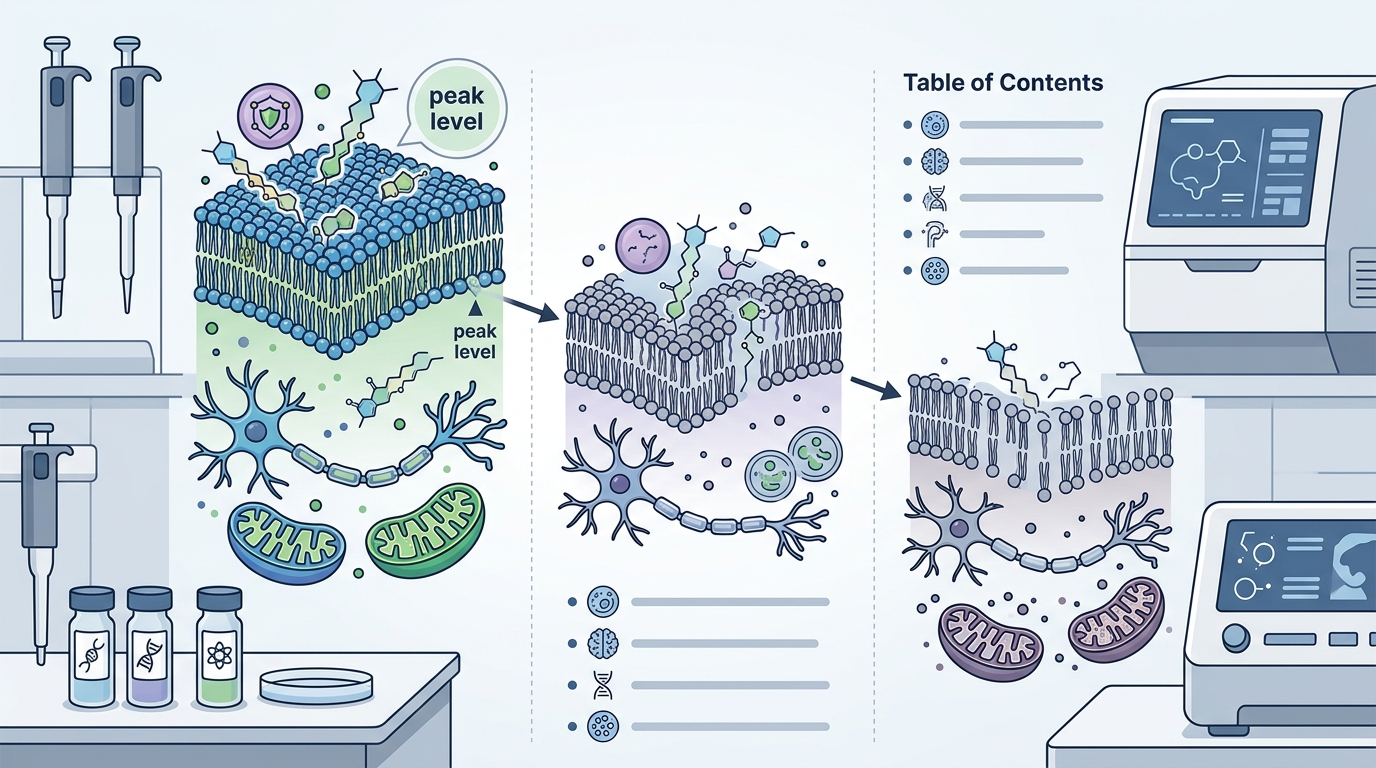
Studies suggest that plasmalogen levels begin to drop in mid-life, often before any noticeable symptoms appear. By the time cognitive or physical symptoms manifest, the deficit may already be substantial. This early decline is a critical period for monitoring and intervention.
According to data on lipid metabolism in aging, the reduction in plasmalogen content can be observed in both white and gray matter of the brain, as well as in cardiac tissue. This widespread decline underscores the systemic nature of the issue.
Measurement and Testing for Plasmalogen Levels
Because plasmalogen deficiency often occurs silently, advanced health measurement is becoming increasingly important for proactive longevity strategies. Traditional blood tests do not typically include plasmalogen analysis, which is why specialized testing is required.
Advanced Lipidomics
Advanced lipidomics allows for the precise quantification of specific lipid classes, including plasmalogens. This testing provides a detailed snapshot of membrane health and oxidative stress burden. It can reveal imbalances before they manifest as clinical disease.
For more information on the importance of these measurements, see our guide on Advanced Health Measurements.
Interpreting Results
When reviewing plasmalogen test results, it is important to look at the ratio of plasmalogens to other phospholipids. A low ratio indicates a higher oxidative burden and reduced membrane stability. This data can help healthcare providers tailor interventions to restore lipid balance.
Health Implications of Low Plasmalogen Levels
The decline in plasmalogen levels with age is linked to several major health concerns. Understanding these links helps clarify why maintaining plasmalogen health is a priority for longevity.
Cognitive and Neurological Health
The brain is particularly rich in plasmalogens, which are essential for synaptic function and myelin integrity. Plasmalogens are critical for maintaining the fluidity and integrity of neuronal membranes. When levels drop, synaptic communication can become less efficient, potentially contributing to cognitive decline.
Research has shown associations between low plasmalogen levels and neurodegenerative conditions. The loss of plasmalogens in the brain is linked to increased oxidative damage and inflammation, which are hallmarks of aging-related cognitive impairment.
For a deeper dive into brain function, explore our resource on How The Synapse Works in the Brain & Body.
Cardiovascular and Muscular Health
Plasmalogens are also abundant in heart tissue and muscle cells. Their decline can affect the heart's ability to handle oxidative stress during metabolic demands. In muscles, reduced plasmalogen levels may contribute to decreased repair capacity and increased fatigue.
Bones and muscles are deeply affected in certain plasmalogen deficient diseases because the skeletal and muscular systems depend on membrane biology. See our analysis on How Bones & Muscle are Affected in Plasmalogen Deficient Diseases for more details.
Immune Function
Immune cells rely on plasmalogens for proper signaling and response to pathogens. Low levels may impair the immune system's ability to regulate inflammation, leading to chronic, low-grade inflammation often seen in aging.
Supporting Plasmalogen Health Through Lifestyle
While genetics play a role in plasmalogen levels, lifestyle factors significantly influence their maintenance. Several strategies can help support healthy plasmalogen levels as you age.
Nutritional Support
Certain nutrients are cofactors in plasmalogen biosynthesis. These include choline, ethanolamine, and specific fatty acids. Diets rich in these nutrients may support the body's natural production pathways. However, dietary plasmalogens are rare, so the focus is often on providing the building blocks for endogenous synthesis.
Reducing Oxidative Stress
Since plasmalogens act as antioxidants, reducing the overall oxidative burden on the body can help preserve existing levels. This includes managing stress, ensuring adequate sleep, and engaging in regular physical activity.
Advanced Interventions
Emerging research is exploring direct supplementation and other interventions to restore plasmalogen levels. For those interested in the science behind these approaches, our article on How the Body Produces Plasmalogens provides a comprehensive overview of the biosynthetic process.
Key Takeaways
- Plasmalogen levels naturally decline with age, starting in mid-life and accelerating in later decades.
- Plasmalogens are specialized ether phospholipids that protect cell membranes from oxidative damage.
- Peroxisomal function is critical for plasmalogen biosynthesis, and this function can diminish with age.
- Low plasmalogen levels are linked to cognitive decline, cardiovascular issues, and reduced immune function.
- Advanced lipidomics testing can detect plasmalogen deficits before clinical symptoms appear.
- Lifestyle interventions such as nutrient-dense diets and stress management can help support plasmalogen health.
- Early monitoring of plasmalogen levels offers a proactive approach to healthy aging and longevity.
Frequently Asked Questions
When do plasmalogen levels start to decline?
Plasmalogen levels typically begin to decline in mid-life, often before any noticeable symptoms of aging appear. This early drop is a key factor in the development of age-related health issues.
Can plasmalogen levels be tested?
Yes, plasmalogen levels can be measured through advanced lipidomics testing. This specialized analysis provides detailed insights into membrane health and oxidative stress burden.
What are plasmalogens?
Plasmalogens are specialized ether phospholipids found in cell membranes. They play a crucial role in protecting cells from oxidative damage and maintaining membrane fluidity.
How does aging affect plasmalogen biosynthesis?
Aging can reduce the efficiency of peroxisomes, the organelles responsible for plasmalogen production. This leads to decreased synthesis and lower overall levels in the body.
Are plasmalogens important for brain health?
Yes, plasmalogens are abundant in the brain and are essential for synaptic function and myelin integrity. Low levels are associated with cognitive decline and neurodegenerative conditions.
Can lifestyle changes increase plasmalogen levels?
While direct supplementation is an area of active research, lifestyle changes such as reducing oxidative stress and ensuring adequate nutrient intake can support the body's natural plasmalogen production.
What is the role of plasmalogens in immune function?
Plasmalogens are important for immune cell signaling and regulation. Low levels may impair the immune system's ability to manage inflammation and respond to pathogens.
Take the Next Step in Your Health Journey
Understanding how plasmalogen levels change with age is the first step toward proactive health management. By monitoring these levels and adopting strategies to support them, you can enhance your resilience and longevity.
For personalized guidance on advanced health measurements and plasmalogen optimization, contact our team today. We are dedicated to helping you navigate the science of healthy aging with clarity and confidence.