

Plasmalogens are specialized ether phospholipids that serve as critical structural components of cell membranes, particularly in the brain, heart, and immune system. Recent research indicates that declining plasmalogen levels are a hallmark of aging and are closely linked to neurodegenerative conditions. According to data from the National Institute on Aging, oxidative stress and mitochondrial dysfunction are primary drivers of this decline, affecting millions of individuals as they age. Understanding these signs and causes is essential for proactive health management and longevity.
What Are Plasmalogens?
Plasmalogens are a unique class of phospholipids characterized by a vinyl-ether linkage at the sn-1 position of the glycerol backbone. This chemical structure makes them highly susceptible to oxidative damage, which is why they act as sacrificial antioxidants, protecting other cellular components from free radical injury. Plasmalogens are specialized ether phospholipids found in cell membranes throughout the body. They are especially important in tissues with high structural, metabolic, and signaling demands.
These molecules are not merely structural; they play active roles in cell signaling, membrane fluidity, and protein function. They are particularly abundant in the myelin sheaths of nerve cells, where they ensure rapid signal transmission. Without adequate plasmalogen levels, the integrity of these membranes can be compromised, leading to cellular dysfunction. For a deeper understanding of their role in cellular health, explore What Are Plasmalogens? on our learning hub.
Signs of Low Plasmalogen Levels
Because plasmalogens are concentrated in the brain and heart, low levels often manifest first in cognitive and cardiovascular function. The signs are subtle initially but can progress to significant clinical issues if left unaddressed. Recognizing these early indicators is crucial for intervention.
Cognitive and Neurological Changes
The brain is one of the most metabolically active organs, requiring robust membrane integrity for synaptic function. When plasmalogen levels drop, the following signs may emerge:
- Memory lapses: Difficulty recalling recent events or names.
- Brain fog: A feeling of mental cloudiness or lack of clarity.
- Slowed processing speed: Taking longer to understand or respond to information.
- Mood changes: Increased susceptibility to anxiety or depression.
These symptoms are often linked to the disruption of the synapse, the communication site where nerve cells pass information. How The Synapse Works in the Brain & Body explains how lipid environments are critical for this communication. As plasmalogen levels decline, the efficiency of these synapses diminishes, leading to the cognitive signs described above.
Cardiovascular and Physical Symptoms
Plasmalogens are also vital for heart health. Low levels are associated with increased risk of heart failure and arrhythmias. Physical signs may include:
- Fatigue: Persistent tiredness despite adequate rest.
- Reduced exercise tolerance: Shortness of breath or weakness during physical activity.
- Immune dysfunction: Frequent infections or slow recovery from illness.
Research suggests that plasmalogens help regulate inflammation and oxidative stress in the cardiovascular system. Plasmalogens & Health provides further insight into how these lipids support systemic resilience.
Causes of Plasmalogen Decline
The decline of plasmalogen levels is not random; it is driven by specific biological and environmental factors. Understanding these causes allows for targeted prevention strategies.
Aging and Biological Aging
Aging is the most significant factor in plasmalogen decline. As the body ages, the efficiency of peroxisomes, the organelles responsible for plasmalogen biosynthesis, decreases. How Plasmalogens Influence Aging details the mechanisms by which this decline accelerates cellular senescence. Studies show that plasmalogen levels can drop by up to 50% in the brains of elderly individuals compared to younger adults.
Oxidative Stress and Inflammation
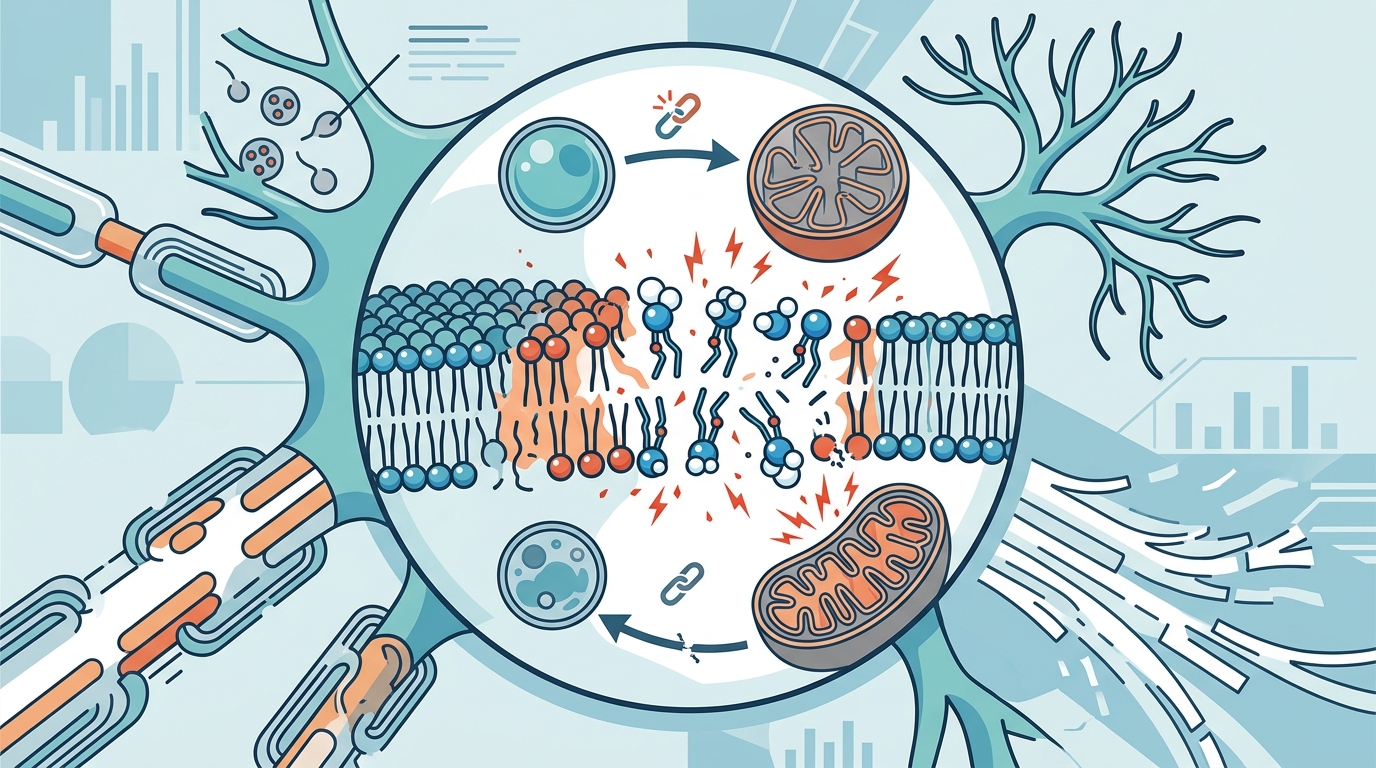
Because plasmalogens act as antioxidants, they are consumed during periods of high oxidative stress. Chronic inflammation, caused by factors such as poor diet, pollution, or chronic disease, depletes these protective lipids faster than the body can replace them. This creates a vicious cycle where low plasmalogen levels lead to more oxidative damage, further inhibiting biosynthesis.
Genetic and Metabolic Factors
Certain genetic conditions, such as peroxisomal biogenesis disorders, directly impair the body's ability to produce plasmalogens. Even in the absence of rare genetic diseases, metabolic issues like insulin resistance can disrupt the pathways required for ether lipid synthesis. The Metabolic System’s Role in Plasmalogen Deficient Diseases explores how metabolic health intersects with lipid biology.
Dietary Deficiencies
The body requires specific precursors, such as choline and ethanolamine, to synthesize plasmalogens. Diets low in these nutrients, or high in processed foods that promote inflammation, can contribute to lower levels. Additionally, the synthesis process requires adequate levels of B vitamins and antioxidants to support the enzymatic reactions involved.
Measurement and Testing
Traditional blood tests often do not include plasmalogen levels, making them difficult to detect without specialized testing. Advanced health measurement is changing how health and longevity are understood by looking deeper into lipidomics and cellular function.
| Testing Method | What It Measures | Relevance to Plasmalogens |
|---|---|---|
| Advanced Lipidomics | Specific phospholipid classes in the blood | Directly quantifies plasmalogen levels and ratios |
| Standard Lipid Panel | Cholesterol and triglycerides | Does not measure plasmalogens; may miss underlying issues |
| Neuroimaging | Brain structure and function | Indirectly assesses damage from low plasmalogen levels |
| Inflammatory Markers | C-reactive protein, cytokines | Indicates oxidative stress burden that depletes plasmalogens |
For more information on how to interpret these results, visit Understanding Plasmalogen Levels to learn about biomarkers and their clinical significance.
Key Takeaways
- Plasmalogens are specialized ether phospholipids that protect cell membranes from oxidative damage.
- Cognitive decline, including memory loss and brain fog, is a primary sign of low plasmalogen levels.
- Aging is the most significant driver of plasmalogen decline due to reduced peroxisomal function.
- Oxidative stress consumes plasmalogens faster than they can be synthesized, creating a deficit.
- Standard blood tests often miss plasmalogen levels; specialized lipidomics testing is required.
- Cardiovascular health is closely linked to plasmalogen status, with low levels increasing heart disease risk.
- Diet and lifestyle factors, such as nutrient intake and inflammation control, can influence plasmalogen levels.
Frequently Asked Questions
What is the primary function of plasmalogens?
Plasmalogens serve as critical antioxidants and structural components of cell membranes, particularly in the brain and heart, protecting cells from oxidative damage.
How do plasmalogen levels change with age?
Plasmalogen levels naturally decline with age due to decreased peroxisomal function and increased oxidative stress, which can accelerate biological aging.
Can low plasmalogen levels cause heart problems?
Yes, low plasmalogen levels are associated with increased risk of heart failure and arrhythmias due to their role in maintaining cardiac cell membrane integrity.
How are plasmalogen levels measured?
Plasmalogen levels are measured through specialized lipidomics testing, which analyzes specific phospholipid classes in the blood, rather than standard lipid panels.
What causes plasmalogen deficiency?
Causes include aging, chronic oxidative stress, genetic disorders affecting peroxisomes, and dietary deficiencies in essential precursors like choline.
Are there treatments for low plasmalogen levels?
Current research focuses on lifestyle interventions, antioxidant support, and potential supplementation strategies to help maintain or restore plasmalogen levels.
How do plasmalogens affect the brain?
Plasmalogens are essential for synaptic function and myelin integrity, supporting cognitive health and rapid nerve signal transmission.
Take Control of Your Cellular Health
Understanding the signs of low plasmalogen levels and their causes is the first step toward proactive health management. By addressing oxidative stress and supporting your body's natural biosynthesis pathways, you can help preserve cognitive and cardiovascular function. For personalized guidance on advanced health measurements and longevity strategies, contact our team today to schedule a consultation.