

How Plasmalogens Support Brain Function, Cell Membranes, and Myelin
Plasmalogens are specialized ether phospholipids that serve as critical structural and functional components in human biology. These unique molecules are found in high concentrations within cell membranes, particularly in the brain, heart, and immune cells. They play a vital role in maintaining membrane integrity, protecting against oxidative stress, and facilitating cellular communication. Without adequate plasmalogen levels, cellular resilience declines, leading to impaired function in vital organs and accelerated aging processes.
What Are Plasmalogens?
Plasmalogens are a specific class of phospholipids characterized by a unique vinyl-ether linkage at the sn-1 position of the glycerol backbone. This chemical structure distinguishes them from other common phospholipids like phosphatidylcholine or phosphatidylethanolamine. The vinyl-ether bond makes plasmalogens highly susceptible to oxidation, which allows them to act as sacrificial antioxidants. When free radicals attack the body, plasmalogens often take the hit, protecting more critical cellular components from damage.
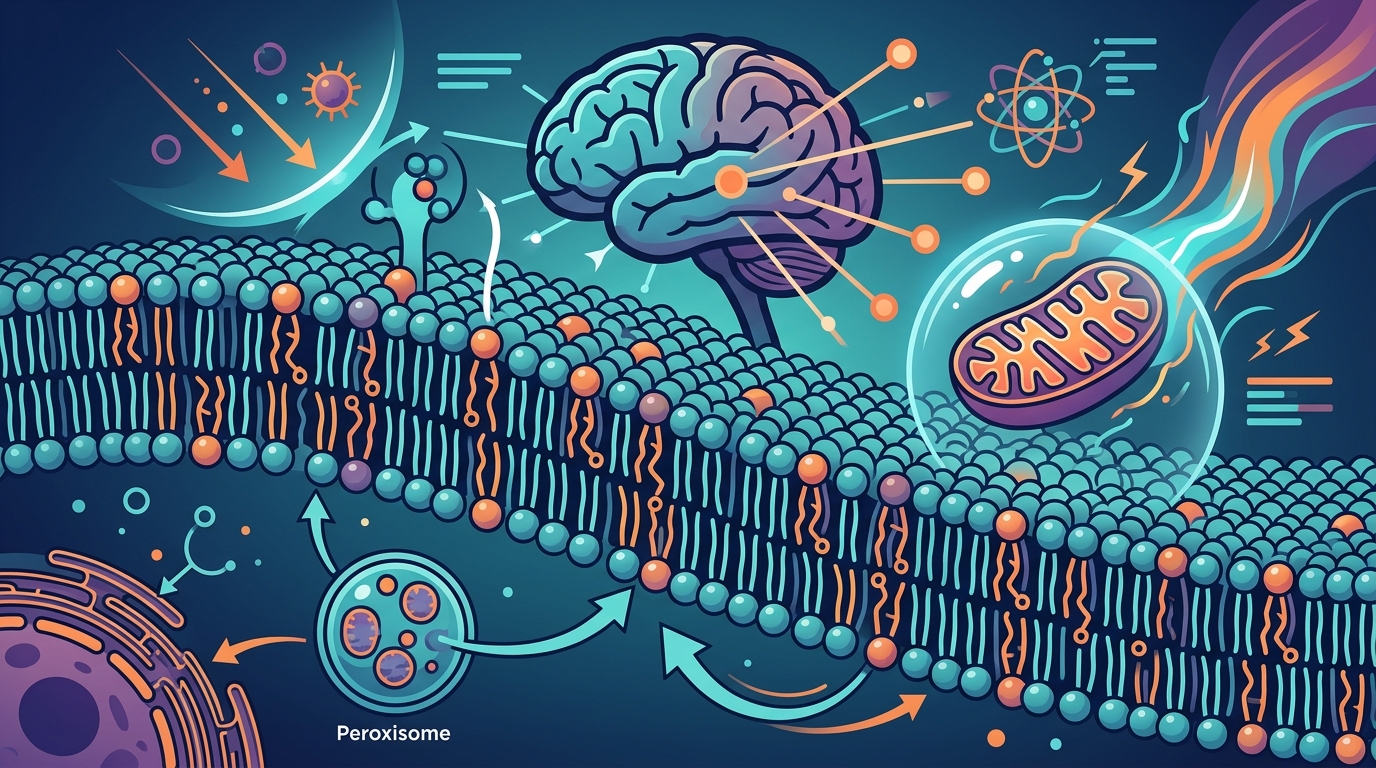
These molecules are synthesized in the peroxisomes and mitochondria of cells. This complex biosynthetic pathway requires several cofactors, including zinc, copper, and specific vitamins. Because the synthesis process is intricate, disruptions in peroxisomal function can lead to severe plasmalogen deficiencies. Understanding the basics of plasmalogen biology is essential for grasping their impact on overall health.
For a deeper dive into the chemical structure and classification, explore our guide on What Are Plasmalogens. This resource details the specific lipid classes and their distribution across different tissues in the human body.
Cell Membrane Integrity and Fluidity
Cell membranes are not static barriers. They are dynamic, fluid structures that regulate what enters and exits the cell. Plasmalogens contribute significantly to this fluidity. By influencing the packing density of lipids in the membrane, they ensure that the membrane remains flexible enough to allow for protein movement and signal transduction, yet stable enough to maintain cellular boundaries.
When plasmalogen levels drop, membranes can become rigid or leaky. This loss of integrity affects ion gradients, nutrient transport, and waste removal. In the context of aging, the decline in plasmalogen synthesis is a key factor in the loss of membrane resilience. This decline is often linked to increased oxidative stress and inflammation, creating a vicious cycle of cellular damage.
Advanced health measurement techniques are increasingly used to assess lipid profiles and membrane health. These measurements provide insights into how well the body is maintaining its cellular structures. You can learn more about the importance of these metrics in our article on Advanced Health Measurements.
Myelin and White Matter Protection
The brain is composed of gray matter and white matter. White matter consists largely of nerve fibers covered by myelin, a fatty sheath that insulates axons and speeds up electrical signal transmission. Plasmalogens are exceptionally abundant in myelin. They are crucial for the formation, maintenance, and repair of this protective layer.
Without sufficient plasmalogens, myelin integrity can be compromised. This can lead to slower nerve conduction, cognitive decline, and neurological symptoms. Research into plasmalogen deficient diseases highlights the severe impact on white matter structure. These conditions often result in significant neurological impairment due to the breakdown of myelin.
Understanding the relationship between lipids and nerve health is critical. Our detailed analysis of How The Myelin & White Matter Work In The Brain And Body explains the biological mechanisms that support neural insulation and signal speed.
Synaptic Communication and Brain Function
Brain function relies on the precise communication between neurons. This communication occurs at the synapse, the junction where one neuron sends a signal to another. Plasmalogens are concentrated in synaptic membranes, where they facilitate the release and reuptake of neurotransmitters. They also protect synapses from oxidative damage, which is a major contributor to neurodegenerative conditions.
When synaptic plasmalogen levels are optimal, cognitive functions such as memory, learning, and focus are supported. Conversely, low levels are associated with impaired synaptic plasticity, which is the brain's ability to adapt and form new connections. This impairment is often an early sign of cognitive decline.
The synapse is a highly organized biological interface. It depends on membranes, vesicles, neurotransmitters, and specialized lipid environments to function correctly. For a comprehensive explanation of this process, read our guide on How The Synapse Works in the Brain & Body.
Measurement and Testing
Assessing plasmalogen levels requires specialized testing. Standard blood panels do not typically include plasmalogen measurements. Advanced lipidomics and biomarker testing are necessary to evaluate these specific lipids. These tests can reveal early signs of metabolic dysfunction, oxidative stress, and neurological risk before symptoms become apparent.
Longitudinal tracking of plasmalogen levels can provide valuable insights into an individual's healthspan. By monitoring these biomarkers over time, healthcare providers can tailor interventions to support plasmalogen synthesis and protect cellular health. This proactive approach is central to the field of longevity medicine.
For more information on how to interpret these biomarkers, visit our section on Plasmalogen Measurement & Biomarkers Overview.
Key Takeaways
- Plasmalogens are specialized ether phospholipids found in high concentrations in the brain and heart.
- They play a critical role in maintaining cell membrane fluidity and integrity.
- Plasmalogens are essential for the formation and maintenance of myelin sheaths in white matter.
- They act as sacrificial antioxidants, protecting cells from oxidative stress.
- Synaptic function and neurotransmitter release depend on adequate plasmalogen levels.
- Low plasmalogen levels are associated with cognitive decline and neurological disorders.
- Advanced lipidomics testing is required to accurately measure plasmalogen status.
Frequently Asked Questions
What is the primary function of plasmalogens in the brain?
Plasmalogens protect brain cells from oxidative stress and support the structure of myelin sheaths, which are essential for fast nerve signal transmission.
How do plasmalogens affect cell membranes?
They regulate membrane fluidity and stability, ensuring that cells can communicate effectively and maintain their internal environment.
Can plasmalogen levels be tested?
Yes, through specialized lipidomics and biomarker testing, though they are not included in standard blood panels.
What happens when plasmalogen levels are low?
Low levels can lead to increased oxidative damage, reduced membrane integrity, and impaired cognitive and neurological function.
How are plasmalogens synthesized in the body?
They are synthesized in the peroxisomes and mitochondria through a complex pathway requiring specific cofactors and enzymes.
Are plasmalogens important for aging?
Yes, declining plasmalogen levels are a hallmark of aging and are linked to age-related diseases and reduced healthspan.
What is myelin and why is it important?
Myelin is a fatty sheath that insulates nerve fibers, allowing for rapid electrical signal transmission throughout the nervous system.
Contact Plasmalogen Science
Understanding your plasmalogen status is a powerful step toward optimizing your health and longevity. If you have questions about testing, supplementation, or the science behind plasmalogens, our team is here to help. We provide evidence-based information and resources to support your journey.
For more information or to connect with our experts, please visit our Contact page or learn more about About This Project.