

Plasmalogens are specialized ether phospholipids that serve as critical structural and functional components in the human body. These unique molecules are found in high concentrations within cell membranes, particularly in the brain, heart, and skeletal muscle. They play a vital role in maintaining membrane integrity, protecting against oxidative stress, and supporting cellular communication. Without adequate plasmalogen levels, the body's ability to maintain healthy tissue function and resist age-related decline is significantly compromised.
What Are Plasmalogens?
Plasmalogens are a specific class of phospholipids characterized by a unique vinyl-ether linkage at the sn-1 position of the glycerol backbone. This chemical structure distinguishes them from other common phospholipids like phosphatidylcholine or phosphatidylethanolamine, which have ester linkages at that position. This vinyl-ether bond is highly susceptible to oxidation, which gives plasmalogens their powerful antioxidant properties. They act as sacrificial antioxidants, protecting other critical cellular components from damage.
These molecules are synthesized in the peroxisomes and completed in the endoplasmic reticulum. The process requires several enzymes, including alkyl-dihydroxyacetone phosphate synthase (ALKDHPAS). Defects in this biosynthetic pathway can lead to severe disorders, highlighting the essential nature of plasmalogens for life. In healthy adults, plasmalogens make up a significant portion of the phospholipids in the brain, particularly in the white matter.
Understanding what plasmalogens are helps clarify why they are so important for longevity. They are not just structural bricks; they are dynamic regulators of cellular health. As we age, plasmalogen levels naturally decline. This decline is associated with increased oxidative stress, inflammation, and a higher risk of neurodegenerative conditions. Maintaining healthy plasmalogen levels is therefore a key strategy for preserving cognitive function and overall vitality.
Cell Membrane Integrity and Fluidity
Cell membranes are the protective barriers that surround every cell in the body. They regulate what enters and exits the cell, facilitating communication with the environment. Plasmalogens are integral to the structure and function of these membranes. They contribute to membrane fluidity, which is essential for the proper functioning of membrane proteins, including receptors and ion channels.
Membrane fluidity allows cells to adapt to changes in temperature and stress. It also enables the membrane to fuse with other membranes, a process critical for neurotransmitter release and cellular repair. Plasmalogens help maintain this fluidity by influencing the packing density of lipid molecules. When plasmalogen levels are low, membranes can become too rigid or too disordered, impairing cellular function.
Furthermore, plasmalogens protect the membrane from oxidative damage. The vinyl-ether bond acts as a sink for free radicals, preventing them from damaging the polyunsaturated fatty acids in the membrane. This protection is crucial for cells in high-oxygen environments, such as the brain and heart. By preserving membrane integrity, plasmalogens ensure that cells can continue to function efficiently over time.
Myelin and White Matter Support
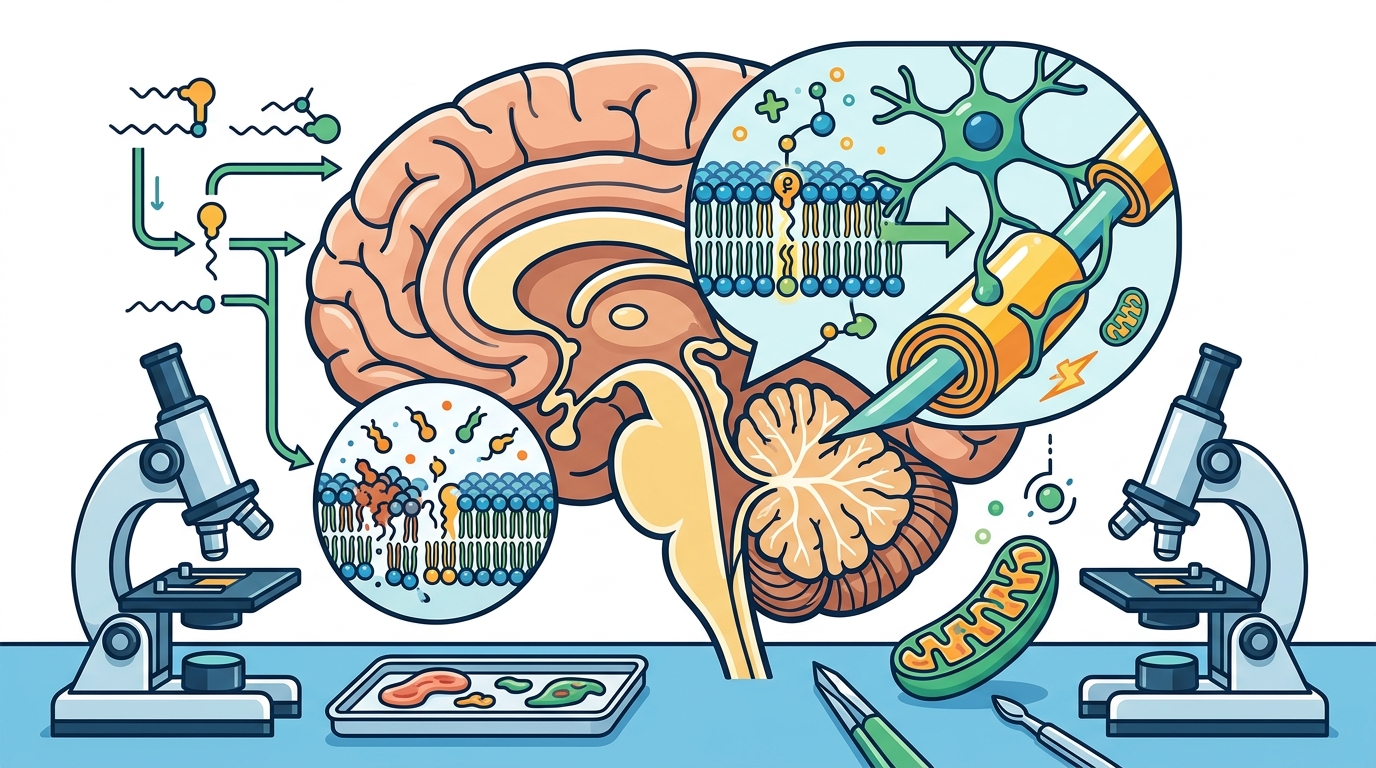
Myelin is a fatty substance that forms a sheath around nerve fibers, known as axons. This sheath acts as an insulator, allowing electrical impulses to travel quickly and efficiently along the nerve. White matter in the brain consists largely of these myelinated axons. Plasmalogens are highly concentrated in myelin, where they play a critical role in its formation and maintenance.
Research indicates that plasmalogens are essential for the proper development of the myelin sheath. They help stabilize the lipid structure of myelin, ensuring that it remains intact and functional. Without adequate plasmalogens, myelin can become damaged or fail to form correctly, leading to impaired nerve conduction. This can result in neurological symptoms such as slowed reflexes, cognitive deficits, and motor dysfunction.
The relationship between plasmalogens and myelin is particularly important in aging. As plasmalogen levels decline, the integrity of white matter can be compromised. This may contribute to the cognitive decline observed in older adults. Supporting plasmalogen levels may help preserve white matter health and maintain neural connectivity. This is a key area of interest in the field of longevity and brain health.
Synaptic Communication and Brain Function
The brain relies on billions of synapses to process information. A synapse is the junction between two nerve cells where signals are transmitted. Plasmalogens are found in high concentrations in synaptic membranes. They influence the release of neurotransmitters, the binding of receptors, and the overall efficiency of synaptic transmission.
Neurotransmitters are chemical messengers that carry signals across the synapse. The release of these messengers depends on the fusion of vesicles with the presynaptic membrane. Plasmalogens facilitate this fusion process by modulating membrane curvature and fluidity. They also protect the synaptic membrane from the oxidative stress generated during neurotransmitter release.
Impaired synaptic function is a hallmark of many neurodegenerative diseases, including Alzheimer's disease. Studies have shown that plasmalogen levels are significantly lower in the brains of individuals with Alzheimer's compared to healthy controls. This suggests that plasmalogen deficiency may contribute to the progression of the disease. By supporting plasmalogen levels, it may be possible to enhance synaptic function and protect against cognitive decline.
Measurement and Testing
Advanced health measurement is changing how health and longevity are understood. Traditional healthcare often focuses on symptoms, diagnosis, and treatment after problems become obvious. That approach is essential in acute care, but it does not always capture the earlier biological changes that may occur long before a condition is formally identified. Advanced health measurement looks deeper. It examines patterns in metabolism, inflammation, cellular energy, lipid biology, oxidative stress, cardiovascular function, hormone signaling, nutrient status, immune activity, organ function, and biological aging.
Measuring plasmalogen levels directly can provide valuable insights into an individual's health status. Specialized lipidomics tests can quantify the different types of plasmalogens in the blood. These tests can reveal deficiencies that may not be apparent through standard blood work. Early detection of low plasmalogen levels allows for proactive interventions to restore balance.
Longitudinal tracking of plasmalogen levels can also be informative. Monitoring changes over time can help assess the effectiveness of lifestyle interventions or supplements. It can also provide a window into the body's aging process. As plasmalogen levels decline with age, tracking them can help identify individuals who may benefit from targeted support.
| Aspect | Impact of Plasmalogens | Consequence of Deficiency |
|---|---|---|
| Cell Membranes | Maintains fluidity and integrity | Rigid or disordered membranes |
| Myelin | Supports formation and stability | Impaired nerve conduction |
| Synapses | Facilitates neurotransmitter release | Cognitive decline |
| Oxidative Stress | Acts as a sacrificial antioxidant | Increased cellular damage |
Key Takeaways
- Plasmalogens are specialized ether phospholipids with a unique vinyl-ether bond that provides antioxidant protection.
- They are highly concentrated in the brain, particularly in white matter and synaptic membranes.
- Plasmalogens are essential for maintaining cell membrane fluidity, which is critical for cellular communication.
- Deficiency in plasmalogens is linked to impaired myelin formation and synaptic dysfunction.
- Advanced lipidomics testing can measure plasmalogen levels to assess health and aging.
- Plasmalogen levels naturally decline with age, contributing to increased oxidative stress.
- Supporting plasmalogen levels may help preserve cognitive function and overall vitality.
Frequently Asked Questions
What is the primary function of plasmalogens in the brain?
Plasmalogens play a critical role in maintaining the structure and function of cell membranes in the brain. They support myelin formation, facilitate synaptic communication, and protect neurons from oxidative stress.
How do plasmalogens support myelin?
Plasmalogens are highly concentrated in myelin, the fatty sheath around nerve fibers. They help stabilize the lipid structure of myelin, ensuring that it remains intact and functional for efficient nerve conduction.
What happens when plasmalogen levels are low?
Low plasmalogen levels are associated with increased oxidative stress, inflammation, and impaired cellular function. In the brain, this can lead to cognitive decline, memory loss, and an increased risk of neurodegenerative diseases.
Can plasmalogen levels be measured?
Yes, specialized lipidomics tests can quantify plasmalogen levels in the blood. These tests provide valuable insights into an individual's health status and aging process.
Why are plasmalogens considered antioxidants?
The vinyl-ether bond in plasmalogens is highly susceptible to oxidation. This allows them to act as sacrificial antioxidants, protecting other critical cellular components from damage by free radicals.
How does aging affect plasmalogen levels?
Plasmalogen levels naturally decline with age. This decline is associated with increased oxidative stress and a higher risk of age-related diseases, including Alzheimer's disease.
What is the difference between plasmalogens and other phospholipids?
Plasmalogens have a unique vinyl-ether linkage at the sn-1 position of the glycerol backbone, whereas other common phospholipids have ester linkages. This structural difference gives plasmalogens their distinct antioxidant properties.
Take the Next Step
Understanding the role of plasmalogens in brain health and cellular function is the first step toward optimizing your longevity. If you are interested in learning more about how plasmalogens support your health, we invite you to explore our resources. Visit our home page to discover more about the science of plasmalogens. You can also read our guide on advanced health measurements to learn how to monitor your biomarkers. For more information on cell membranes, check our dedicated section. Learn about synaptic function and cognitive health to deepen your understanding. Contact us at Plasmalogen Science for more information.