

Measuring Plasmalogen Levels: Biomarkers, Testing & Health Indicators
Plasmalogen levels are critical indicators of cellular health, yet they remain largely invisible to standard medical screening. Recent research highlights that these specialized lipids play a pivotal role in protecting cell membranes from oxidative damage and supporting mitochondrial function. As the scientific community shifts focus toward preventative longevity, understanding how to measure these biomarkers has become essential for identifying early signs of metabolic and neurological decline. (About This Project Plasmalogen)
What Are Plasmalogens?
To understand measurement, one must first understand the target. Plasmalogens are a unique class of ether phospholipids found in high concentrations in cell membranes, particularly in the brain, heart, and immune cells. Unlike standard fats, they possess a vinyl-ether bond that acts as a sacrificial antioxidant, protecting vital cellular structures from free radical damage.
Plasmalogens are specialized ether phospholipids that serve as primary antioxidants in cell membranes. This structural uniqueness makes them difficult to measure using traditional lipid panels. Standard cholesterol tests do not capture the specific ether-linked fatty acids that define plasmalogen health. Consequently, advanced lipidomics and specialized mass spectrometry are required to quantify these biomarkers accurately.
The body produces plasmalogens through a complex biosynthetic pathway involving peroxisomes and the endoplasmic reticulum. When this process is disrupted by aging, genetic factors, or environmental stress, plasmalogen levels drop. This decline is not merely a symptom but a driver of cellular dysfunction, affecting everything from nerve signal transmission to muscle repair.
Measurement Methods & Biomarkers
Measuring plasmalogen levels requires moving beyond standard blood work. Advanced health measurement is changing how health and longevity are understood by focusing on these deeper biological patterns. The primary biomarker used in clinical and research settings is the measurement of specific ether phospholipids in plasma or serum.
Plasma Ether Phospholipids
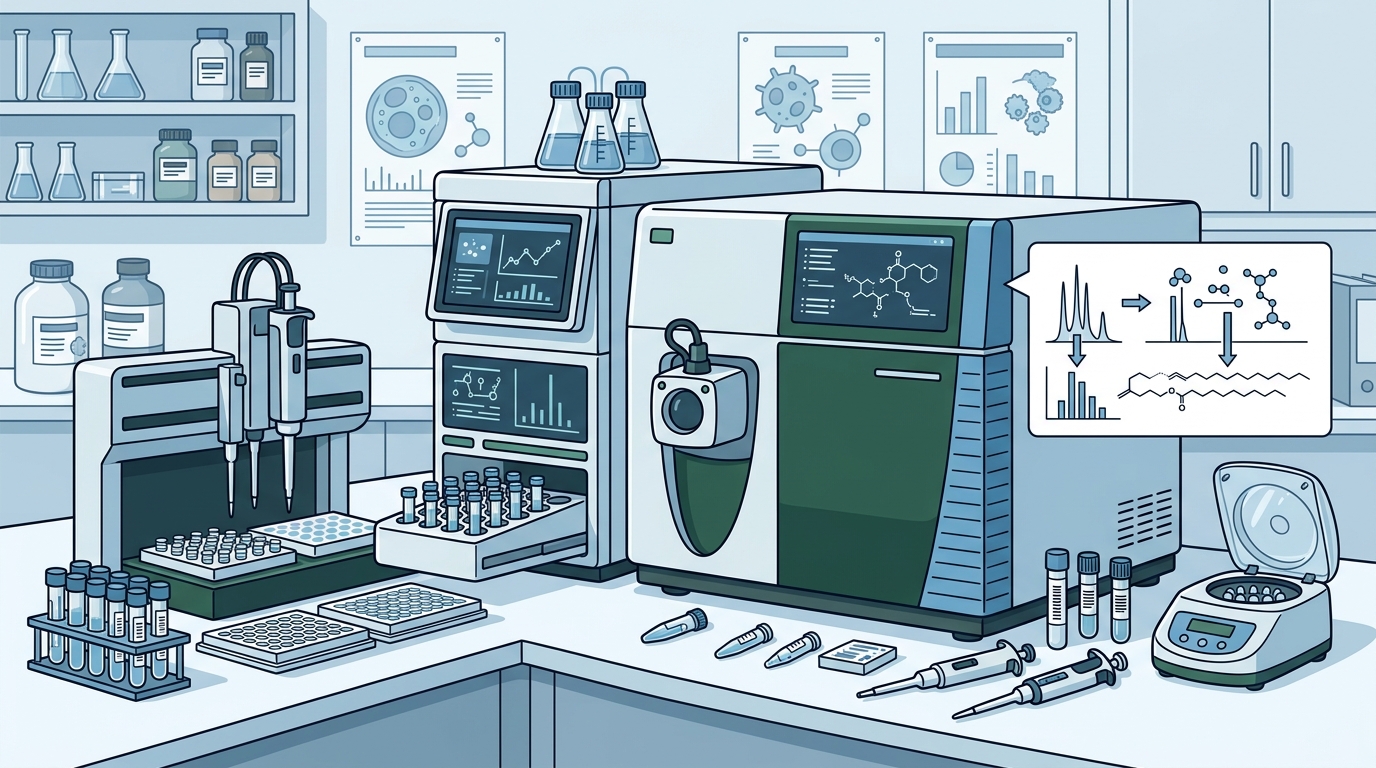
The most common biomarker is the concentration of plasmenyl- and plasmanyl-ethanolamine and plasmenyl- and plasmanyl-choline in the blood. These molecules are extracted and analyzed using liquid chromatography-tandem mass spectrometry (LC-MS/MS). This method provides a precise quantification of the total plasmalogen pool.
According to recent studies in lipidomics, the ratio of plasmalogens to other phospholipids can indicate the oxidative stress burden on the body. A lower ratio often suggests that the body is consuming plasmalogens faster than it can produce them to neutralize free radicals.
Advanced Health Measurements
Advanced health measurement looks deeper than standard markers. It examines patterns in metabolism, inflammation, cellular energy, lipid biology, and oxidative stress. When evaluating plasmalogen health, clinicians look for correlations between low plasmalogen levels and elevated inflammatory markers such as C-reactive protein (CRP) or interleukin-6 (IL-6).
This holistic approach reveals how lipid biology interacts with systemic inflammation. For instance, low plasmalogen levels are frequently observed in individuals with chronic inflammatory conditions, suggesting a bidirectional relationship where inflammation depletes plasmalogens, and low plasmalogens fail to curb inflammation.
Neurological Biomarkers
Because plasmalogens are abundant in the brain, their levels in the cerebrospinal fluid (CSF) are also studied. However, blood plasma levels are generally considered a reliable proxy for overall body status. The brain's reliance on these lipids for myelin sheath integrity means that neurological decline often parallels the drop in measurable plasmalogen biomarkers.
Signs of Low Plasmalogen Levels
Identifying low plasmalogen levels is challenging because symptoms often overlap with general aging or other metabolic disorders. However, specific patterns emerge when these biomarkers are critically low. Understanding these signs helps bridge the gap between laboratory data and clinical observation.
Cognitive and Neurological Signs
The brain is highly susceptible to plasmalogen deficiency. As plasmalogen levels drop, individuals may experience subtle cognitive changes. These can include memory lapses, reduced mental clarity, and slower processing speeds. In severe cases, such as in certain inherited metabolic disorders, the deficiency leads to profound neurological impairment.
Plasmalogen deficiency is linked to impaired synaptic function and reduced neuronal resilience. The synapse is the communication site where one nerve cell passes information to another. Without adequate plasmalogens to protect the membrane, this communication becomes inefficient, leading to the cognitive symptoms associated with aging and neurodegenerative diseases.
Physical and Muscular Signs
Bones and muscles are deeply affected in certain plasmalogen deficient diseases because the skeletal and muscular systems depend on membrane biology. Symptoms may include reduced muscle tone, motor delay, and joint contractures. In animal models, low plasmalogen levels have been correlated with reduced mobility and slower recovery from physical stress.
For the general population, this might manifest as persistent fatigue, slower recovery from exercise, or early onset of age-related muscle loss. The heart, which has one of the highest concentrations of plasmalogens in the body, may also show signs of stress, such as reduced cardiac efficiency.
Metabolic and Immune Signs
Plasmalogens play a crucial role in immune cell function. Low levels can lead to a weakened immune response, making the body more susceptible to infections and slower to heal. Additionally, metabolic flexibility may decline, leading to difficulties in regulating blood sugar and energy production.
Health Implications of Imbalance
The implications of low plasmalogen levels extend across multiple organ systems. This is not just about one lipid class being low; it is about the broader impact on cellular resilience and repair capacity.
Neurodegenerative Risk
Research indicates a strong correlation between low plasmalogen levels and neurodegenerative conditions. The brain's high oxygen consumption makes it particularly vulnerable to oxidative stress. Plasmalogens act as a first line of defense. When they are depleted, neurons are exposed to greater damage, accelerating the aging process of the brain.
According to scientific literature, the decline in plasmalogen biosynthesis is a hallmark of aging. This decline is not inevitable but can be influenced by lifestyle, genetics, and environmental factors. Monitoring these levels provides a window into the brain's aging trajectory.
Cardiovascular Health
The heart relies on plasmalogens for membrane stability and signal transduction. Low levels are associated with increased risk of cardiovascular disease. The lipid composition of heart cell membranes affects how they contract and relax. Disruption in this composition can lead to arrhythmias and reduced cardiac output.
Immune System Function
Plasmalogens are involved in the signaling pathways of immune cells. They help regulate the production of cytokines, which are proteins that control the intensity and duration of immune responses. An imbalance can lead to either an overactive immune system (autoimmunity) or an underactive one (susceptibility to infection).
Testing Options Comparison
Choosing the right testing method depends on the level of detail required. Below is a comparison of common approaches to assessing plasmalogen health.
| Testing Method | What It Measures | Accuracy & Depth | Best For |
|---|---|---|---|
| Standard Lipid Panel | Cholesterol, Triglycerides | Low for plasmalogens | General heart health screening |
| Advanced Lipidomics (LC-MS/MS) | Specific Ether Phospholipids | High precision | Detailed plasmalogen quantification |
| Inflammatory Markers (CRP, IL-6) | Systemic Inflammation | Indirect indicator | Assessing oxidative stress burden |
| Neurological Assessment | Cognitive Function | Functional impact | Evaluating brain health correlation |
While standard panels are widely available, they do not provide the specific data needed to assess plasmalogen health. Advanced lipidomics testing, often available through specialized longevity clinics or research institutions, offers the most accurate picture. Combining this with inflammatory markers provides a comprehensive view of cellular stress.
Key Takeaways
- Plasmalogens are specialized ether phospholipids that serve as critical antioxidants in cell membranes, particularly in the brain and heart.
- Standard blood tests do not measure plasmalogens. Advanced lipidomics using mass spectrometry is required for accurate quantification.
- Low plasmalogen levels are linked to oxidative stress. They act as a sacrificial shield, and their depletion indicates high cellular damage.
- Cognitive decline is a primary risk. The brain's high concentration of plasmalogens means their loss directly impacts synaptic function and memory.
- Muscle and bone health are affected. Plasmalogen deficiency can lead to reduced mobility, muscle tone abnormalities, and impaired repair.
- Longitudinal tracking is powerful. Monitoring levels over time is more informative than a single snapshot, revealing trends in biological aging.
- Early detection enables intervention. Identifying low levels allows for targeted lifestyle or therapeutic strategies to support cellular resilience.
Frequently Asked Questions
Can standard cholesterol tests detect low plasmalogen levels?
No. Standard lipid panels measure cholesterol and triglycerides but do not analyze ether phospholipids. Plasmalogens require specialized advanced lipidomics testing to be detected and quantified accurately.
What is the primary biomarker for plasmalogen health?
The primary biomarker is the concentration of plasmenyl- and plasmanyl-ethanolamine and choline in plasma. These specific ether phospholipids are measured using liquid chromatography-tandem mass spectrometry (LC-MS/MS).
How do plasmalogen levels change with age?
Plasmalogen levels naturally decline with age due to reduced biosynthesis and increased oxidative consumption. This decline is a key factor in the increased susceptibility to neurodegenerative and metabolic diseases in older adults.
What are the signs of low plasmalogen levels in the brain?
Signs include memory lapses, reduced mental clarity, and slower cognitive processing. In severe cases, it can lead to significant neurological impairment and impaired synaptic communication.
Is plasmalogen deficiency a disease?
Severe inherited plasmalogen deficiency is a rare genetic disorder. However, low plasmalogen levels in the general population are considered a risk factor for various age-related conditions, including heart disease and cognitive decline.
How can I improve my plasmalogen levels?
Strategies include reducing oxidative stress through diet and lifestyle, supporting peroxisomal function with specific nutrients, and potentially using plasmalogen supplementation under medical guidance. Consultation with a healthcare provider is essential.
Why is advanced health measurement important for plasmalogens?
Advanced health measurement looks deeper than standard markers to reveal early biological changes. It helps identify plasmalogen depletion before it leads to obvious symptoms, allowing for proactive intervention.
Next Steps for Your Health
Understanding your plasmalogen levels is a powerful step toward optimizing your healthspan. By moving beyond standard testing and embracing advanced measurement, you can gain insight into your cellular resilience and neurological health. If you are interested in learning more about how plasmalogens influence your body, explore our comprehensive resources on advanced health measurements and cognitive neurological health.
For a deeper dive into the science of these vital lipids, read our guide on what are plasmalogens and how they work at the cellular level. To discuss your specific health goals and testing options, please contact us today.