

Plasmalogen levels drop significantly as humans age, a biological shift that directly impacts cellular resilience and cognitive health. Research indicates that plasmalogen concentrations in the brain decline by approximately 20 to 30 percent between the ages of 20 and 80. This reduction is not merely a side effect of aging but a critical driver of cellular stress, membrane instability, and neurodegenerative risk. Understanding this trajectory is essential for anyone interested in longevity, brain health, and metabolic resilience.
What Are Plasmalogens?
Before understanding how these levels change, it is vital to define what plasmalogens actually are. Plasmalogens are specialized ether phospholipids found in high concentrations in cell membranes, particularly in the brain, heart, and immune cells. Unlike standard phospholipids, they possess a unique vinyl-ether bond at the sn-1 position, which grants them extraordinary antioxidant properties.
These molecules are not just structural components. They act as primary antioxidants in the membrane, protecting cellular DNA and proteins from oxidative damage. They also facilitate signal transduction, membrane fusion, and protein function. When plasmalogen levels are optimal, cells are resilient. When they drop, cells become vulnerable to stress, inflammation, and dysfunction.
For a deeper dive into the structural biology, explore our guide on Cell Membranes Explained.
The Aging Trajectory of Plasmalogen Levels
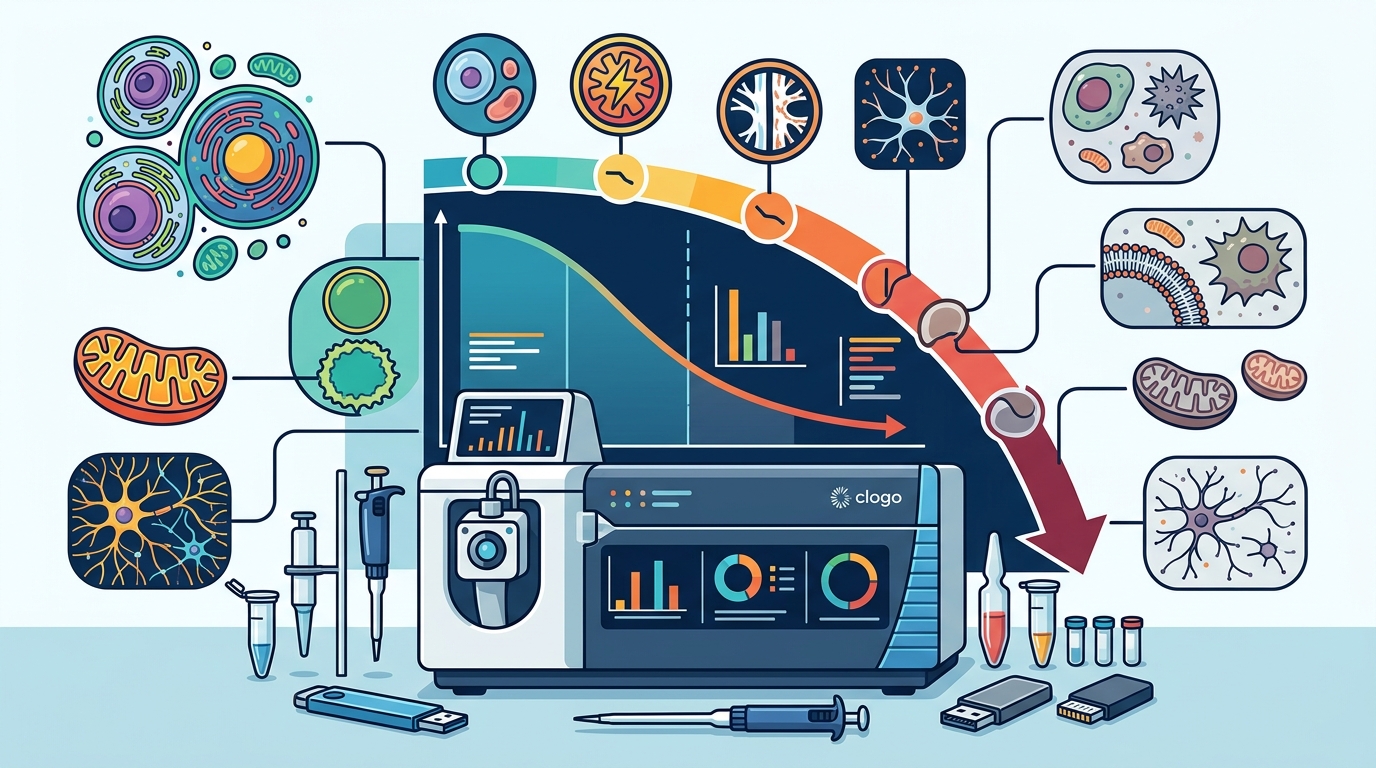
The decline of plasmalogens is one of the most consistent findings in aging biology. This is not a sudden drop but a gradual erosion that accelerates in later decades. The relationship between age and plasmalogen levels is inverse: as chronological age increases, plasmalogen concentrations decrease.
Early Life and Peak Levels
In early life, plasmalogen synthesis is robust. These lipids are critical for myelination, the process of forming the protective sheath around nerve fibers. During childhood and young adulthood, the body maintains high levels to support rapid neural development and repair. However, even in young adults, subtle declines can begin if lifestyle factors such as chronic stress, poor diet, or environmental toxins increase oxidative burden.
The Mid-Life Shift
By middle age, the rate of decline often becomes more apparent. Studies show that plasmalogen levels in the brain and blood start to correlate with markers of metabolic stress. This is the period where many individuals begin to experience subtle cognitive fog, reduced recovery times, or early signs of metabolic syndrome. The body's ability to repair membrane damage slows down, leading to a cumulative deficit.
Advanced Age and Neurodegeneration
In older adults, the drop is steep. Plasmalogen deficiency is strongly linked to age-related neurodegenerative diseases. Research published in journals such as the Nature Scientific Reports has demonstrated that individuals with Alzheimer's disease have significantly lower levels of specific plasmalogens compared to healthy controls. This suggests that the decline is not just a marker of aging but a contributor to disease pathology.
For more on the connection between lipids and aging, read How Plasmalogens Influence Aging.
Why Biosynthesis Declines With Age
The body produces plasmalogens through a complex process called biosynthesis. This process occurs primarily in peroxisomes, specialized organelles within cells. As we age, the efficiency of this machinery declines due to several biological factors.
Peroxisomal Dysfunction
Peroxisomes are essential for the initial steps of plasmalogen synthesis. With age, peroxisomal function often deteriorates. This dysfunction can be caused by genetic factors, oxidative damage to the peroxisomes themselves, or nutrient deficiencies. When peroxisomes fail to operate efficiently, the production of the precursor molecules for plasmalogens drops, leading to lower overall levels.
Oxidative Stress and Consumption
Plasmalogens are sacrificial antioxidants. They neutralize free radicals by having their vinyl-ether bond broken. This process protects the rest of the cell. However, as we age, cumulative oxidative stress increases. The body consumes plasmalogens faster than it can replace them. This creates a negative feedback loop where lower plasmalogen levels lead to higher oxidative damage, which further depletes remaining plasmalogens.
Nutrient Deficiencies
The synthesis of plasmalogens requires specific nutrients, including choline, ethanolamine, and various B vitamins. Older adults often have reduced absorption of these nutrients due to changes in gut health and dietary intake. Without these raw materials, the body cannot sustain plasmalogen production even if the enzymatic machinery is still functional.
Learn more about the metabolic system's role in this process by visiting The Metabolic System’s Role in Plasmalogen Deficient Diseases.
Impact on Cognitive and Neurological Health
The brain is the most plasmalogen-rich organ in the body. It contains up to 20 percent of the body's total plasmalogen content. This high concentration is necessary for maintaining the integrity of neuronal membranes and synaptic function.
Synaptic Plasticity and Memory
Plasmalogens are critical for synaptic plasticity, the brain's ability to form new connections and adapt to new information. When plasmalogen levels drop, synaptic communication becomes less efficient. This can manifest as slower processing speed, difficulty recalling memories, or reduced learning capacity. The synapse is the communication site where one nerve cell passes information to another. A synapse is the communication site where one nerve cell passes information to another cell. When the lipid environment of the synapse is compromised by low plasmalogens, this transmission is disrupted.
For details on neural communication, see How The Synapse Works in the Brain & Body.
Neuroinflammation
Low plasmalogen levels are associated with increased neuroinflammation. Without sufficient antioxidant protection, microglia (the brain's immune cells) become overactive and release inflammatory cytokines. This chronic inflammation damages neurons and accelerates cognitive decline. This is a key mechanism in diseases like Alzheimer's and Parkinson's.
Myelin Integrity
Myelin is the fatty sheath that insulates nerve fibers. Plasmalogens are a major component of myelin. As levels drop, myelin can become fragile or demyelinated. This slows down nerve signal transmission, leading to cognitive slowing, motor coordination issues, and increased risk of neurological disorders.
Explore the role of white matter in How The Myelin & White Matter Work In The Brain And Body.
Measurement and Biomarkers
Understanding how plasmalogen levels change with age requires accurate measurement. Traditional blood tests do not typically include plasmalogen panels. Advanced health measurement is changing how health and longevity are understood by including lipidomics.
Advanced Lipidomics
Lipidomics is the large-scale study of lipids within cells, tissues, and organisms. Advanced lipidomic testing can quantify specific plasmalogen species, such as PE-P and PC-P plasmalogens. This provides a precise snapshot of an individual's plasmalogen status relative to their age group.
For more on testing methodologies, check out Understanding Plasmalogen Levels.
Longitudinal Tracking
One-time testing is less informative than longitudinal tracking. Monitoring plasmalogen levels over time allows individuals to see the impact of lifestyle interventions, such as dietary changes, supplementation, or stress reduction. This data-driven approach is central to personalized longevity strategies.
Read about the importance of tracking in The Importance of Advanced Health Measurements in Health and Longevity.
Key Takeaways
- Significant Decline: Plasmalogen levels drop by 20-30% between ages 20 and 80, accelerating in later decades.
- Peroxisomal Role: Age-related peroxisomal dysfunction is a primary cause of reduced plasmalogen biosynthesis.
- Antioxidant Consumption: Cumulative oxidative stress consumes plasmalogens faster than the aging body can replace them.
- Neurodegeneration Link: Low plasmalogen levels are a strong biomarker for Alzheimer's and other cognitive disorders.
- Synaptic Health: Plasmalogens are essential for maintaining the lipid environment required for effective synaptic communication.
- Measurement Gap: Standard blood panels do not measure plasmalogens; advanced lipidomics is required for accurate assessment.
- Intervention Potential: Lifestyle and nutritional interventions may help slow the decline and support plasmalogen levels.
Frequently Asked Questions
Do plasmalogen levels decrease with age?
Yes, plasmalogen levels consistently decrease with age. This decline is observed in both blood plasma and brain tissue, with the rate of decline often accelerating after middle age.
Why do plasmalogen levels drop as we get older?
The drop is caused by a combination of reduced biosynthesis due to peroxisomal dysfunction, increased consumption due to oxidative stress, and potential nutrient deficiencies that limit the raw materials needed for production.
Are plasmalogen levels linked to Alzheimer's disease?
Yes, research shows that individuals with Alzheimer's disease have significantly lower levels of specific plasmalogens compared to healthy controls. The deficiency is thought to contribute to the disease's progression through increased oxidative stress and inflammation.
Can plasmalogen levels be measured in a standard blood test?
No, standard blood tests do not typically include plasmalogen panels. Advanced lipidomic testing is required to quantify specific plasmalogen species accurately.
Does plasmalogen deficiency affect memory?
Yes, plasmalogens are critical for synaptic plasticity and myelin integrity. Low levels can lead to impaired memory formation, slower cognitive processing, and increased risk of neurodegenerative conditions.
How does oxidative stress impact plasmalogen levels?
Plasmalogens act as sacrificial antioxidants. They neutralize free radicals by having their vinyl-ether bond broken. High oxidative stress consumes plasmalogens faster than the body can produce them, leading to depletion.
Can lifestyle changes increase plasmalogen levels?
While the body naturally produces plasmalogens, lifestyle factors such as diet, stress management, and nutrient intake can influence the rate of decline. Some interventions may help support levels, but direct supplementation strategies are still under active research.
Take Action for Your Longevity
Understanding how plasmalogen levels change with age is the first step in protecting your cognitive and cellular health. By recognizing the signs of decline and exploring advanced measurement options, you can take proactive steps toward longevity.
For more information on plasmalogen science and health, visit our About This Project page or Contact us to learn more about our research initiatives.