

How Plasmalogens Support Brain Function, Cell Membranes, and Myelin
Plasmalogens are specialized ether phospholipids that serve as the foundational building blocks for healthy cell membranes, particularly within the nervous system. Recent research into lipid biology indicates that these unique molecules are critical for maintaining the structural integrity of neurons and the protective myelin sheaths that surround them. Without adequate plasmalogen levels, cellular communication slows, oxidative stress increases, and neurological resilience declines. This guide explores the precise mechanisms by which plasmalogens support brain health, membrane fluidity, and myelin stability.
What Are Plasmalogens?
To understand how plasmalogens support brain function, we must first define what they are. Plasmalogens are a specific class of ether phospholipids found in high concentrations in cell membranes, especially in the brain and heart. Unlike standard phospholipids that use ester bonds, plasmalogens contain a vinyl ether bond at the sn-1 position of the glycerol backbone. This unique chemical structure makes them highly reactive to oxidative stress, allowing them to act as sacrificial antioxidants that protect other critical cellular components.
These molecules are synthesized in the peroxisomes of cells, a process that requires specific nutrients and enzymatic pathways. The body produces plasmalogens naturally, but production declines with age, stress, and certain metabolic conditions. This decline is significant because plasmalogens are not merely structural; they are dynamic regulators of cellular health.
For a deeper understanding of their biological role, you can explore what plasmalogens are and their fundamental properties. Additionally, learning how the body produces plasmalogens provides insight into the metabolic demands required to maintain healthy levels.
Cell Membrane Integrity and Fluidity
Cell membranes are not static barriers; they are dynamic, fluid structures that regulate what enters and exits the cell. Cell membranes are the semi-permeable boundaries that surround all cells, controlling nutrient uptake and waste removal. Plasmalogens play a pivotal role in maintaining the fluidity and stability of these membranes.
The vinyl ether bond in plasmalogens allows them to pack differently with other lipids, influencing membrane curvature and flexibility. This fluidity is essential for neurons, which must constantly reshape their membranes to form new connections and transmit signals. When plasmalogen levels are optimal, membranes remain flexible and responsive. When levels drop, membranes can become rigid, impairing cellular communication and nutrient transport.
Furthermore, plasmalogens help anchor proteins within the membrane, ensuring that receptors and ion channels function correctly. This structural support is vital for the nervous system, where precise signaling depends on the proper orientation and mobility of membrane proteins. For more details on the structural role of these lipids, review the plasmalogen levels overview to understand how concentration impacts membrane health.
Supporting Myelin and White Matter
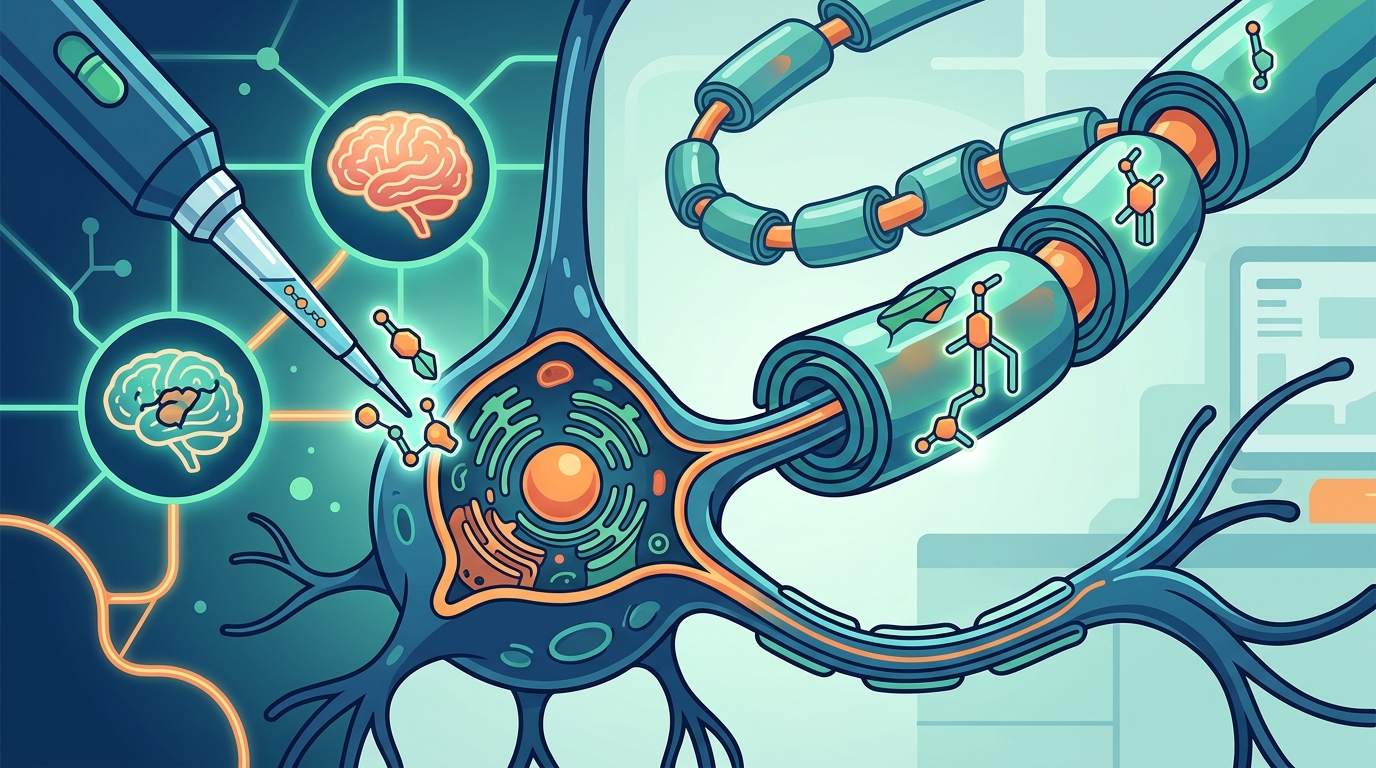
Myelin is the fatty insulating layer that wraps around nerve fibers, allowing electrical impulses to travel quickly and efficiently. Myelin is the protective sheath that surrounds nerve fibers, enabling rapid transmission of electrical signals in the nervous system. Plasmalogens are abundant in myelin, where they contribute to its stability and resistance to degradation.
Research into how the myelin and white matter work in the brain and body highlights the critical connection between lipid biology and neurological speed. Plasmalogens help maintain the compact structure of myelin, preventing leaks in insulation that could slow signal transmission or cause neurological dysfunction.
In conditions where plasmalogen synthesis is impaired, myelin integrity can be compromised. This can lead to slower nerve conduction, cognitive decline, and motor deficits. By supporting the lipid composition of myelin, plasmalogens help preserve the speed and accuracy of neural communication. Understanding how plasmalogens influence aging reveals why maintaining myelin health is crucial for long-term cognitive resilience.
Synaptic Function and Brain Communication
The brain operates through trillions of synapses, the junctions where neurons communicate. Synapses are the communication sites where one nerve cell passes information to another cell. Plasmalogens are concentrated in synaptic membranes, where they facilitate the release and reuptake of neurotransmitters.
Neurotransmitters like dopamine, serotonin, and glutamate rely on the proper functioning of synaptic vesicles, which are membrane-bound structures. Plasmalogens help maintain the curvature and fusion capabilities of these vesicles, ensuring that neurotransmitters are released efficiently. This process is essential for memory formation, learning, and mood regulation.
When plasmalogen levels are low, synaptic efficiency can decline. This may manifest as brain fog, memory lapses, or difficulty concentrating. By supporting synaptic structure and function, plasmalogens help maintain cognitive clarity and mental agility. For a detailed look at this process, explore how the synapse works in the brain and body.
Oxidative Stress and Cellular Defense
The brain is highly susceptible to oxidative stress due to its high oxygen consumption and lipid-rich environment. Oxidative stress is the imbalance between free radicals and antioxidants in the body, leading to cellular damage. Plasmalogens act as a first line of defense by absorbing oxidative damage that would otherwise harm DNA, proteins, and other lipids.
When plasmalogens neutralize free radicals, they are consumed in the process. This sacrificial role protects the more critical components of the cell. However, it also means that plasmalogen levels can drop rapidly during periods of high oxidative stress, such as inflammation or metabolic dysfunction. This creates a vicious cycle where low plasmalogens lead to more damage, which further depletes plasmalogen stores.
Advanced health measurement can help identify this oxidative burden before it leads to significant neurological decline. Understanding advanced health measurements allows for proactive management of oxidative stress and preservation of plasmalogen reserves.
Measuring Plasmalogen Levels
Because plasmalogens are not part of standard lipid panels, their levels are often unknown until significant damage has occurred. Biomarkers are measurable indicators of biological processes that can reveal health status. Specialized testing, such as lipidomics, can quantify plasmalogen levels and provide insight into membrane health.
Monitoring plasmalogen levels can help identify individuals at risk for cognitive decline, neurodegenerative conditions, or metabolic disorders. Early detection allows for targeted interventions, including dietary changes, nutrient supplementation, and lifestyle modifications, to support plasmalogen synthesis and reduce oxidative stress.
| Testing Method | What It Measures | Relevance to Plasmalogens |
|---|---|---|
| Lipidomics Profiling | Specific lipid species concentrations | Directly quantifies plasmalogen levels |
| Standard Lipid Panel | Cholesterol and triglycerides | Does not measure plasmalogens |
| Inflammatory Markers | C-Reactive Protein (CRP) | Indirectly indicates oxidative stress burden |
| Metabolic Panels | Glucose and insulin levels | Assesses metabolic health impacting synthesis |
Key Takeaways
- Plasmalogens are specialized ether phospholipids essential for cell membrane structure and function.
- They are critical for maintaining the integrity of myelin, the insulating sheath around nerve fibers.
- Plasmalogens support synaptic function, enabling efficient neurotransmitter release and brain communication.
- As sacrificial antioxidants, they protect brain cells from oxidative stress and damage.
- Standard blood tests do not measure plasmalogen levels; specialized lipidomics is required.
- Plasmalogen production declines with age, increasing the risk of neurological decline.
- Maintaining healthy plasmalogen levels is linked to better cognitive resilience and long-term brain health.
Frequently Asked Questions
What is the primary function of plasmalogens in the brain?
Plasmalogens primarily support cell membrane integrity, myelin stability, and synaptic function, enabling efficient neural communication and protection against oxidative stress.
How do plasmalogens support myelin?
Plasmalogens are abundant in myelin and help maintain its compact structure, preventing insulation leaks and ensuring rapid signal transmission along nerve fibers.
Can plasmalogen levels be tested in a standard blood draw?
No, plasmalogens are not included in standard lipid panels. Specialized testing, such as lipidomics, is required to measure their specific concentrations.
Why do plasmalogen levels decline with age?
Plasmalogen synthesis depends on peroxisomal function and specific nutrients, both of which can become less efficient with age, stress, and metabolic changes.
What happens when plasmalogen levels are low?
Low plasmalogen levels can lead to rigid cell membranes, impaired synaptic function, increased oxidative damage, and potential cognitive decline.
How does oxidative stress affect plasmalogens?
Plasmalogens act as sacrificial antioxidants, absorbing free radicals to protect other cellular components, which can deplete their levels during high oxidative stress.
Are plasmalogens important for memory?
Yes, by supporting synaptic function and neurotransmitter release, plasmalogens play a crucial role in memory formation and cognitive clarity.
What nutrients support plasmalogen production?
Nutrients involved in peroxisomal function and ether lipid synthesis, such as specific amino acids and cofactors, are essential for maintaining healthy plasmalogen levels.
Take the Next Step
Understanding your plasmalogen levels is the first step toward protecting your brain health and cognitive resilience. If you are interested in learning more about advanced health measurements or how to support your body's natural plasmalogen production, we invite you to explore our resources. Visit Plasmalogen Science to discover how you can optimize your lipid biology for long-term neurological health.