

How Plasmalogens Support Brain Function, Cell Membranes, and Myelin
Plasmalogens are specialized ether phospholipids that serve as critical structural and functional components of cell membranes, particularly within the brain and nervous system. These unique molecules are essential for maintaining membrane integrity, facilitating cellular communication, and protecting neural tissues from oxidative stress. Without adequate plasmalogen levels, the brain's ability to process information, repair itself, and maintain healthy myelin sheaths is significantly compromised. Understanding their role is key to grasping how cellular health translates to cognitive longevity.
What Are Plasmalogens?
Plasmalogens are a rare class of phospholipids characterized by a unique vinyl-ether linkage at the sn-1 position of the glycerol backbone. This chemical structure distinguishes them from other common phospholipids like phosphatidylcholine or phosphatidylethanolamine, which have ester linkages in that position. This vinyl-ether bond is chemically unstable and highly reactive, which is precisely what makes plasmalogens so effective at neutralizing free radicals.
These molecules are synthesized primarily in the peroxisomes of cells, a process that requires a complex series of enzymatic steps. Once synthesized, they are transported to various tissues, with the highest concentrations found in the brain, heart, and skeletal muscle. The brain is particularly dependent on plasmalogens because it consumes a disproportionate amount of oxygen, making it highly susceptible to oxidative damage.
Plasmalogens are not merely structural; they are dynamic regulators of cellular function. They influence membrane fluidity, protein activity, and signal transduction pathways. When plasmalogen levels drop, the consequences extend beyond simple structural weakness to include impaired cellular communication and increased vulnerability to disease.
Cell Membrane Integrity and Fluidity
Cell membranes are the protective barriers that surround every cell in the body. They regulate what enters and exits the cell, maintain internal pressure, and facilitate communication with neighboring cells. Plasmalogens play a pivotal role in maintaining the physical properties of these membranes.
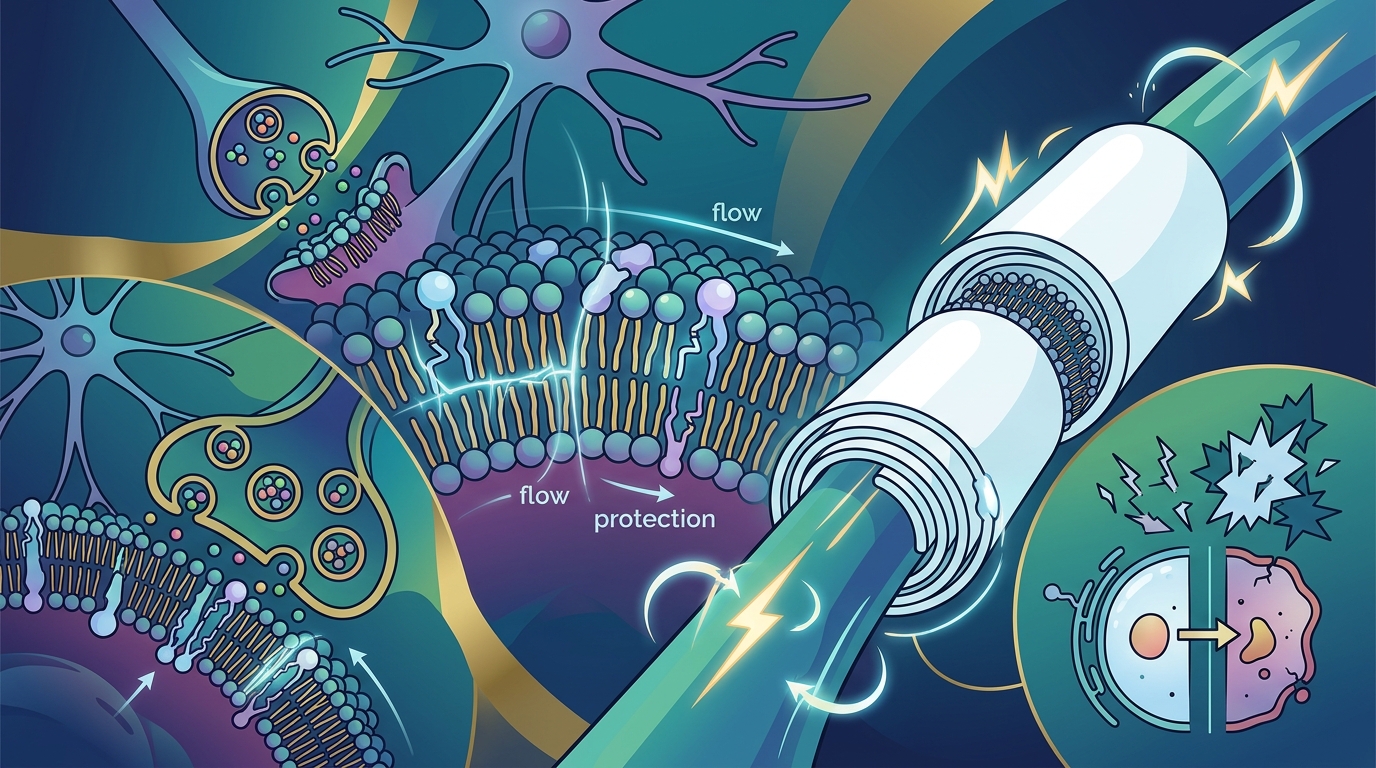
One of the primary functions of plasmalogens is to regulate membrane fluidity. Membrane fluidity refers to the viscosity of the lipid bilayer, which must be balanced to allow for proper protein function and membrane flexibility. If a membrane is too rigid, cellular processes slow down. If it is too fluid, the membrane may lose its integrity. Plasmalogens help maintain this delicate balance, ensuring that cell membranes remain flexible yet stable.
Furthermore, plasmalogens are involved in the formation of lipid rafts, specialized microdomains within the cell membrane that serve as platforms for signaling molecules. These lipid rafts are crucial for immune response, neurotransmitter release, and cell growth. By organizing these signaling platforms, plasmalogens ensure that cellular communication is efficient and precise.
When plasmalogen levels are adequate, cell membranes are more resistant to mechanical stress and chemical damage. This is particularly important in the brain, where neurons are constantly firing and requiring rapid adjustments in membrane structure to support synaptic plasticity.
Myelin and White Matter Protection
Myelin is a fatty substance that forms a sheath around nerve fibers, acting as an insulator to speed up the transmission of electrical impulses. White matter refers to the areas of the central nervous system composed mainly of myelinated axons. The health of myelin is critical for cognitive function, motor control, and sensory processing.
Plasmalogens are highly enriched in myelin sheaths. They constitute a significant portion of the lipids found in white matter, where they contribute to the structural stability and insulation properties of the myelin. Without sufficient plasmalogens, myelin can become fragmented or demyelinated, leading to slowed nerve conduction and impaired brain function.
Research indicates that plasmalogens help protect myelin from oxidative damage. The vinyl-ether bond in plasmalogens can sacrificially react with free radicals, thereby preserving the integrity of the myelin sheath. This protective role is essential for maintaining the speed and efficiency of neural communication.
In conditions where plasmalogen biosynthesis is impaired, such as in certain peroxisomal disorders, severe demyelination and neurological deficits are common. This highlights the direct link between plasmalogen availability and the structural integrity of the nervous system.
Synaptic Communication and Neurotransmission
A synapse is the communication site where one nerve cell passes information to another cell. That receiving cell may be another neuron, a muscle cell, a gland cell, or another specialized target cell. Synapses allow the nervous system to coordinate thought, movement, sensation, memory, reflexes, autonomic control, and communication across the brain and body.
Plasmalogens are concentrated in synaptic vesicles, the small sacs that store and release neurotransmitters. They play a crucial role in the fusion of these vesicles with the presynaptic membrane, a process required for neurotransmitter release. Without adequate plasmalogens, this fusion process can be impaired, leading to reduced neurotransmitter release and weakened synaptic transmission.
Additionally, plasmalogens influence the activity of ion channels and receptors within the synaptic cleft. By modulating the local lipid environment, they can affect how neurotransmitters bind to receptors and how ions flow across the membrane. This modulation is essential for the precision of neural signaling.
Neurotransmission is not just about sending signals; it is about sending them accurately and efficiently. Plasmalogens ensure that the synaptic machinery operates smoothly, supporting learning, memory formation, and cognitive flexibility.
Oxidative Defense and Cellular Resilience
The brain is highly vulnerable to oxidative stress due to its high oxygen consumption and rich lipid content. Free radicals, which are unstable molecules with unpaired electrons, can damage cellular components, including DNA, proteins, and lipids. This damage, known as lipid peroxidation, can lead to cell death and tissue degeneration.
Plasmalogens act as a first line of defense against oxidative stress. The vinyl-ether bond at the sn-1 position is highly susceptible to oxidation, allowing plasmalogens to neutralize free radicals before they can damage other critical cellular components. This sacrificial mechanism protects the rest of the cell from oxidative injury.
By reducing oxidative stress, plasmalogens help preserve mitochondrial function. Mitochondria are the powerhouses of the cell, generating the energy required for all cellular processes. When mitochondria are damaged by oxidative stress, energy production declines, leading to cellular fatigue and dysfunction.
Furthermore, plasmalogens have been shown to modulate inflammatory responses. Chronic inflammation is a key driver of neurodegenerative diseases, and by reducing oxidative stress and regulating immune signaling, plasmalogens help maintain a healthy inflammatory balance in the brain.
Plasmalogen Deficiency and Cognitive Decline
As we age, the body's ability to produce plasmalogens naturally declines. This decline is associated with various age-related conditions, including cognitive impairment, neurodegenerative diseases, and cardiovascular disease. Low plasmalogen levels have been observed in individuals with Alzheimer's disease, Parkinson's disease, and other forms of dementia.
In Alzheimer's disease, for example, studies have shown reduced levels of plasmalogens in the brain, particularly in regions associated with memory and learning. This deficiency may contribute to the accumulation of amyloid-beta plaques and tau tangles, hallmarks of the disease.
Plasmalogen deficiency also affects bone and muscle health. Bones and muscles are deeply affected in certain plasmalogen deficient diseases because the skeletal and muscular systems depend on membrane biology, lipid metabolism, energy production, tissue development, and cellular repair. In severe inherited disorders, plasmalogen deficiency may be present during critical periods of development, affecting skeletal growth and muscle tone.
Understanding the signs of low plasmalogens is important for early intervention. Symptoms may include cognitive fog, memory lapses, fatigue, and reduced physical resilience. Advanced health measurements can help identify these patterns before they become more obvious.
Key Takeaways
- Plasmalogens are specialized ether phospholipids with a unique vinyl-ether bond that provides critical antioxidant protection.
- They are essential for maintaining cell membrane fluidity and the formation of lipid rafts necessary for cellular signaling.
- High concentrations of plasmalogens are found in myelin sheaths, where they protect white matter and ensure rapid nerve conduction.
- Plasmalogens facilitate synaptic vesicle fusion, enabling efficient neurotransmitter release and cognitive function.
- Oxidative stress depletes plasmalogen levels, creating a vicious cycle of cellular damage and inflammation.
- Aging and certain genetic disorders can lead to plasmalogen deficiency, contributing to neurodegeneration and physical decline.
- Advanced health measurements, including lipidomics, can help assess plasmalogen status and guide personalized interventions.
Frequently Asked Questions
What exactly is a plasmalogen?
A plasmalogen is a type of phospholipid that contains a vinyl-ether linkage at the sn-1 position of its glycerol backbone. This unique structure makes it highly effective at neutralizing free radicals and protecting cell membranes from oxidative damage.
How do plasmalogens affect myelin?
Plasmalogens are a major component of myelin sheaths. They provide structural stability and insulation to nerve fibers, ensuring that electrical signals are transmitted quickly and efficiently. They also protect myelin from oxidative degradation.
Why are plasmalogens important for the brain?
The brain is rich in lipids and consumes large amounts of oxygen, making it highly susceptible to oxidative stress. Plasmalogens protect brain cells from this damage, support synaptic communication, and maintain the integrity of neural networks essential for cognition.
Can plasmalogen levels be measured?
Yes, plasmalogen levels can be measured through advanced lipidomics testing. These tests analyze the composition of lipids in the blood or tissues to provide insights into membrane health and oxidative stress status.
What happens when plasmalogen levels are low?
Low plasmalogen levels are associated with increased oxidative stress, inflammation, and impaired cellular function. In the brain, this can lead to cognitive decline, memory loss, and an increased risk of neurodegenerative diseases.
How does aging affect plasmalogens?
As we age, the biosynthesis of plasmalogens declines. This natural decrease contributes to the accumulation of oxidative damage and the onset of age-related diseases, highlighting the importance of maintaining plasmalogen levels.
Are plasmalogens found in other organs?
Yes, plasmalogens are found in high concentrations in the heart and skeletal muscle, in addition to the brain. They play crucial roles in the function of these organs by supporting membrane integrity and energy production.
Explore Advanced Health Measurements
Understanding your plasmalogen status is a critical step in optimizing brain health and longevity. Traditional testing often misses the subtle shifts in lipid biology that precede clinical symptoms. Advanced health measurement looks deeper, examining patterns in metabolism, inflammation, and cellular energy to reveal early biological stress.
At Plasmalogen Science, we provide comprehensive resources and insights into the science of plasmalogens. Our goal is to help you understand how these vital molecules influence your health and what you can do to support their levels. Explore our guide on advanced health measurements to learn more about how lipidomics can provide a precise view of your healthspan.
For more information on how plasmalogens influence cellular energy and aging, visit our homepage and explore our Plasmalogens & Health section. You can also learn about cell membranes and synaptic function in our detailed articles.
Take control of your cognitive health today. Contact us to learn more about our research and how you can apply these insights to your life.