

How Plasmalogens Support Brain Function, Cell Membranes, and Myelin
Plasmalogens are specialized ether phospholipids that serve as critical structural and functional components of cell membranes throughout the body. They are particularly abundant in the brain, heart, and skeletal muscle, where cellular demands for energy production, signal transduction, and oxidative defense are highest. Recent research into lipid biology has highlighted their unique role in maintaining membrane integrity and facilitating rapid cellular communication. Understanding how these molecules operate provides insight into neurological health, cognitive resilience, and the aging process. (How Bones amp Muscle)
What Are Plasmalogens?
Plasmalogens are a distinct class of phospholipids characterized by a unique vinyl-ether linkage at the sn-1 position of the glycerol backbone. This chemical structure differentiates them from standard diacyl phospholipids, which have ester linkages at both positions. This vinyl-ether bond is chemically reactive and serves as a sacrificial target for free radicals, thereby protecting the more vulnerable polyunsaturated fatty acids at the sn-2 position from oxidative damage.
These molecules are synthesized primarily in the peroxisomes of cells before being completed in the endoplasmic reticulum. This biosynthetic pathway is complex and requires specific enzymes and cofactors. When this pathway is disrupted, either through genetic defects or age-related decline, the consequences for cellular health can be significant. The body produces plasmalogens naturally, but levels tend to decrease as we age, a phenomenon linked to various age-related conditions.
Plasmalogens are not merely structural bricks in the cell wall. They are dynamic participants in cellular signaling, immune response, and membrane trafficking. Their presence in high concentrations in neural tissues underscores their importance in maintaining the electrical and chemical environment necessary for brain function.
Cell Membrane Integrity and Fluidity
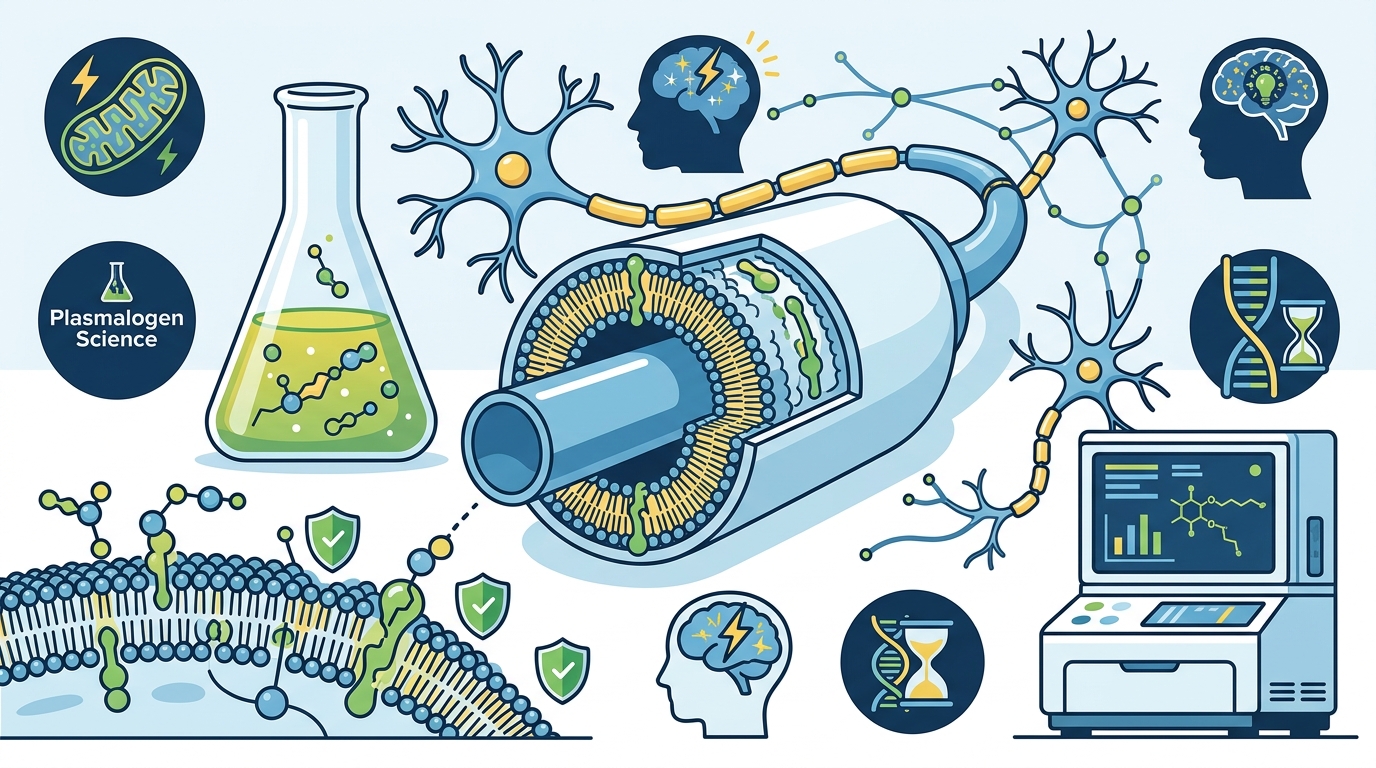
Cell membranes are not static barriers. They are fluid mosaics of lipids, proteins, and carbohydrates that must remain flexible to allow for nutrient transport, waste removal, and cellular communication. Plasmalogens play a pivotal role in maintaining this fluidity.
The unique structure of plasmalogens allows them to influence the packing density of lipid bilayers. By preventing tight packing, they ensure that the membrane remains fluid even at lower temperatures or under stress conditions. This fluidity is essential for the proper function of membrane-bound proteins, including ion channels and receptors. If membranes become too rigid, these proteins cannot function correctly, leading to impaired cellular signaling and metabolic inefficiency.
Furthermore, plasmalogens contribute to the formation of lipid rafts, specialized microdomains within the membrane that serve as platforms for signaling molecules. These rafts are crucial for organizing receptors and enzymes involved in critical cellular processes. Disruption of plasmalogen levels can destabilize these rafts, impairing the cell's ability to respond to external signals effectively.
Myelin and White Matter Function
Myelin is the fatty sheath that wraps around nerve fibers, acting as an electrical insulator. It allows nerve impulses to transmit rapidly and efficiently along the axon. White matter in the brain consists largely of these myelinated axons, which form the communication highways connecting different regions of the brain and the brain to the body.
Plasmalogens are highly enriched in myelin. They constitute a significant portion of the lipid content in the myelin sheath. This high concentration is not accidental. The unique chemical properties of plasmalogens help stabilize the myelin structure, ensuring it remains intact and functional. They protect the myelin from oxidative damage, which can lead to demyelination and subsequent neurological deficits.
Research into plasmalogen deficient diseases has shown that disruptions in plasmalogen synthesis can lead to severe abnormalities in myelin development and maintenance. These conditions often result in delayed motor development, cognitive impairment, and progressive neurological decline. This highlights the critical dependency of white matter integrity on adequate plasmalogen levels.
Synaptic Communication and Neurotransmission
A synapse is the communication site where one nerve cell passes information to another cell. That receiving cell may be another neuron, a muscle cell, a gland cell, or another specialized target cell. Synapses allow the nervous system to coordinate thought, movement, sensation, memory, reflexes, autonomic control, and communication across the brain and body.
The nervous system depends on speed, timing, precision, and adaptability. Synapses make this possible by converting electrical activity into chemical signals, then translating those chemical signals into cellular responses. Plasmalogens are concentrated in the synaptic vesicles and the postsynaptic membrane, where they facilitate the release and reception of neurotransmitters.
They influence the fluidity of the synaptic membrane, which is crucial for the fusion of vesicles with the presynaptic membrane. This fusion is the mechanism by which neurotransmitters are released into the synaptic cleft. Without adequate plasmalogens, this process can be slowed or disrupted, leading to impaired cognitive function, memory formation, and motor control.
Additionally, plasmalogens modulate the activity of neurotransmitter receptors. By influencing the lipid environment surrounding these receptors, they can affect how tightly neurotransmitters bind and how effectively the signal is transmitted. This modulation is essential for maintaining the balance between excitation and inhibition in the brain.
Oxidative Defense and Cellular Protection
Oxidative stress is a major contributor to cellular aging and neurological disease. Free radicals are unstable molecules that can damage DNA, proteins, and lipids. The brain is particularly vulnerable to oxidative stress due to its high oxygen consumption and rich lipid content.
Plasmalogens act as a first line of defense against oxidative damage. The vinyl-ether bond at the sn-1 position is highly susceptible to oxidation. When free radicals encounter a plasmalogen, they preferentially attack this bond, neutralizing the radical before it can damage more critical cellular components. This sacrificial mechanism protects the polyunsaturated fatty acids in the membrane from peroxidation.
When plasmalogens are oxidized, they form stable oxidation products that can be measured and tracked. These products may also have signaling roles, alerting the cell to repair mechanisms or inflammatory responses. However, if the oxidative burden is too high, plasmalogen levels can become depleted, leaving the cell vulnerable to further damage.
This protective role is especially important in the brain, where neuronal cells are post-mitotic and cannot be easily replaced. Protecting these cells from oxidative damage is crucial for maintaining long-term cognitive health and preventing neurodegenerative conditions.
Measurement and Testing
Advanced health measurement is changing how health and longevity are understood. Traditional healthcare often focuses on symptoms, diagnosis, and treatment after problems become obvious. That approach is essential in acute care, but it does not always capture the earlier biological changes that may occur long before a condition is formally identified.
Advanced health measurement looks deeper. It examines patterns in metabolism, inflammation, cellular energy, lipid biology, oxidative stress, cardiovascular function, hormone signaling, nutrient status, immune activity, organ function, and biological aging. The goal is not to collect more numbers for the sake of data. The goal is to understand how the body is functioning across systems, how those systems are changing over time, and where early biological stress may be developing.
Measuring plasmalogen levels directly provides insight into membrane health and oxidative status. Standard lipid panels do not include plasmalogen measurements. Specialized testing is required to assess these specific ether phospholipids. This testing can reveal deficiencies that may not be apparent through routine blood work.
| Testing Method | What It Measures | Clinical Relevance |
|---|---|---|
| Standard Lipid Panel | Cholesterol, Triglycerides | Cardiovascular risk assessment |
| Plasmalogen Biomarker Test | Specific ether phospholipid levels | Membrane integrity and oxidative stress |
| Inflammatory Markers | C-Reactive Protein, Cytokines | Systemic inflammation levels |
| Metabolic Panel | Glucose, Liver/Kidney Function | Organ function and metabolic health |
Key Takeaways
- Plasmalogens are specialized ether phospholipids with a unique vinyl-ether bond that provides oxidative protection.
- They are highly concentrated in the brain, heart, and skeletal muscle, supporting high-demand cellular functions.
- Plasmalogens maintain cell membrane fluidity, which is essential for proper protein function and signal transduction.
- Myelin sheaths rely on plasmalogens for structural stability and protection against demyelination.
- Synaptic communication depends on plasmalogens for neurotransmitter release and receptor modulation.
- Plasmalogen levels naturally decline with age, contributing to increased oxidative stress and cellular vulnerability.
- Advanced lipidomics testing can detect plasmalogen deficiencies before clinical symptoms appear.
Frequently Asked Questions
What is the primary function of plasmalogens in the brain?
Plasmalogens support brain function by maintaining the integrity of cell membranes, facilitating synaptic communication, and protecting neural tissues from oxidative damage.
How do plasmalogens contribute to myelin formation?
Plasmalogens are enriched in myelin sheaths, where they stabilize the lipid structure and protect it from oxidative degradation, ensuring efficient nerve impulse transmission.
Can plasmalogen levels be measured in a standard blood test?
No, standard lipid panels do not measure plasmalogens. Specialized advanced health measurements and lipidomics testing are required to assess plasmalogen levels.
Why are plasmalogens important for cell membrane fluidity?
Plasmalogens prevent tight packing of lipid bilayers, ensuring membranes remain fluid and flexible, which is necessary for the proper function of membrane proteins and receptors.
What happens when plasmalogen levels are low?
Low plasmalogen levels can lead to increased oxidative stress, impaired cellular signaling, reduced membrane integrity, and are associated with various age-related and neurological conditions.
How does oxidative stress affect plasmalogens?
Plasmalogens act as sacrificial antioxidants, neutralizing free radicals through their vinyl-ether bond. This protects other cellular components but can deplete plasmalogen levels if oxidative stress is chronic.
Are plasmalogens synthesized in the body?
Yes, the body produces plasmalogens through a complex biosynthetic pathway involving peroxisomes and the endoplasmic reticulum, requiring specific enzymes and cofactors.
Next Steps
Understanding the role of plasmalogens in brain health, cell membrane integrity, and myelin function provides a deeper insight into neurological resilience and aging. If you are interested in learning more about how these specialized lipids support your health, we invite you to explore our comprehensive resources on Plasmalogen Science. You can also learn more about advanced health measurements to gain a clearer picture of your biological status. For more information on the science behind these molecules, visit our About This Project page. To discuss your specific health goals, please contact us today.