

Plasmalogens are specialized ether phospholipids that serve as critical structural components of cell membranes, particularly in the brain, heart, and immune cells. These unique molecules account for approximately 20% of the total phospholipids in the myelin sheath of nerve cells, making them essential for rapid neural transmission. As research into longevity and cellular health expands, understanding the biological mechanisms behind plasmalogen production has become a priority for those seeking to maintain cognitive function and metabolic resilience over time.
What Are Plasmalogens?
Plasmalogens are a specific class of ether phospholipids characterized by a unique vinyl-ether linkage at the sn-1 position of the glycerol backbone. This structural feature distinguishes them from other phospholipids like phosphatidylcholine, which have an ester linkage. Plasmalogens are specialized ether phospholipids found in cell membranes throughout the body. They are especially important in tissues with high structural, metabolic, and signaling demands.
These molecules play a dual role in cellular health. First, they contribute to the fluidity and integrity of cell membranes, ensuring that cells can maintain their shape and function under various physiological stresses. Second, they act as potent antioxidants, protecting cells from oxidative damage by scavenging free radicals. This antioxidant capacity is particularly vital in the brain, where high oxygen consumption and lipid-rich environments make neurons susceptible to oxidative stress.
Research indicates that plasmalogen levels decline with age, a phenomenon linked to various age-related conditions including neurodegenerative diseases and cardiovascular issues. Understanding how the body naturally produces these molecules and what supports this process is key to maintaining long-term health.
The Biosynthesis Pathway
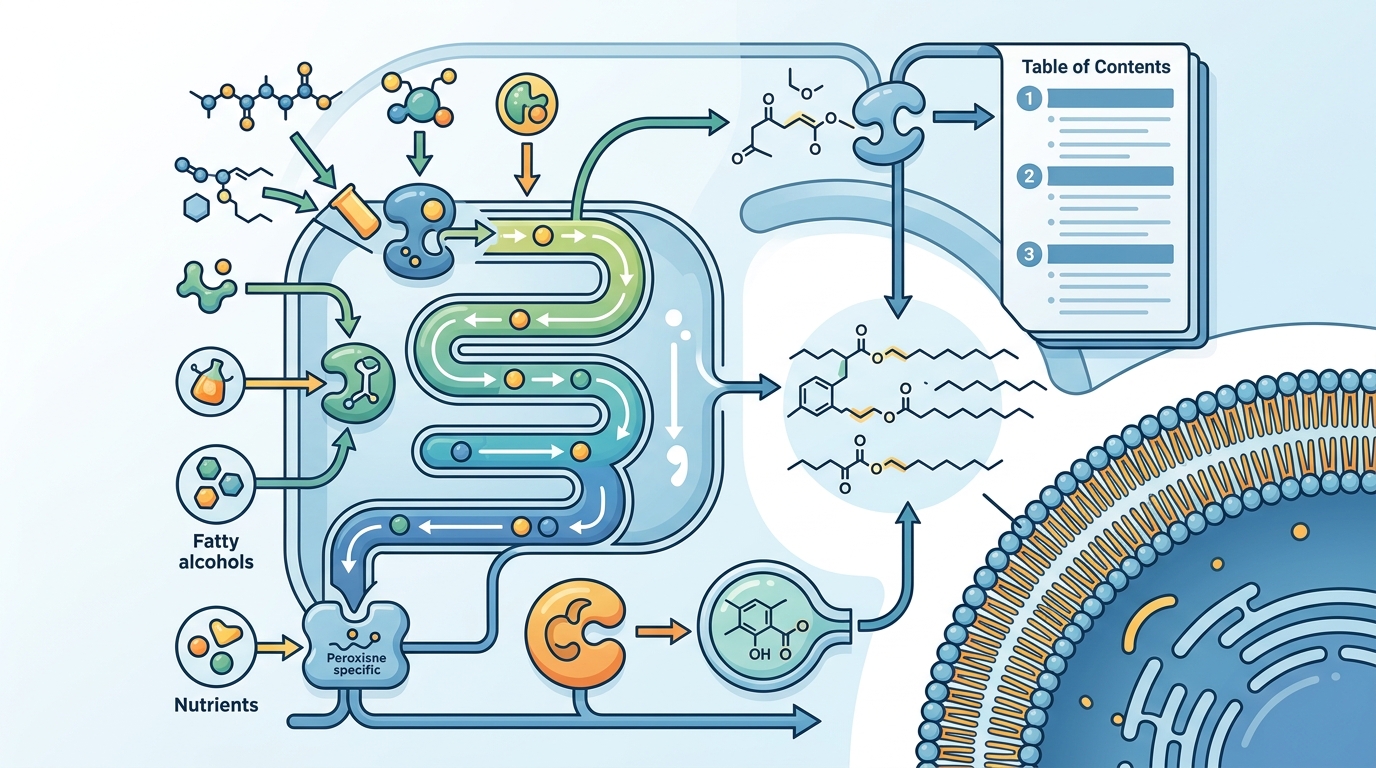
The production of plasmalogens is a complex, multi-step process that occurs primarily in the peroxisomes and the endoplasmic reticulum of cells. This pathway is highly regulated and requires several specific enzymes and cofactors to proceed efficiently.
Step 1: Peroxisomal Initiation
The process begins in the peroxisomes, organelles responsible for breaking down fatty acids and synthesizing ether lipids. The first critical step involves the enzyme alkyl-dihydroxyacetone phosphate synthase (ALKH3DH). This enzyme catalyzes the formation of alkyl-dihydroxyacetone phosphate (alkyl-DHAP) from dihydroxyacetone phosphate (DHAP) and a fatty alcohol. This alkyl-DHAP serves as the backbone for the plasmalogen molecule.
According to recent studies on lipid metabolism, peroxisomal dysfunction can severely impair this initial step, leading to reduced plasmalogen levels and contributing to diseases such as Zellweger syndrome. This highlights the importance of healthy peroxisomal function for overall lipid homeostasis.
Step 2: Elongation and Transfer
Once alkyl-DHAP is formed, it is further processed by alkyl-DHAP synthase to add a long-chain fatty acid, creating an ether lipid precursor. This precursor is then transferred to the endoplasmic reticulum, where the final stages of plasmalogen synthesis occur.
Step 3: Desaturation and Final Assembly
In the endoplasmic reticulum, the ether lipid undergoes desaturation to form the vinyl-ether linkage characteristic of plasmalogens. This step is catalyzed by the enzyme desaturase. The final assembly involves the attachment of head groups such as choline or ethanolamine, resulting in the formation of plasmenylcholine or plasmenylethanolamine, respectively.
This entire pathway is sensitive to nutritional status and cellular health. Deficiencies in key nutrients can bottleneck the process, leading to suboptimal plasmalogen production even if the genetic machinery is intact.
Nutrients That Support Production
While the body can produce plasmalogens endogenously, this process relies heavily on the availability of specific nutrients. Supporting these nutritional needs can help maintain optimal plasmalogen levels, especially as natural production declines with age.
Choline
Choline is a vital nutrient for plasmalogen synthesis because it serves as the precursor for the choline head group found in many plasmalogens. Choline is also essential for the production of acetylcholine, a neurotransmitter critical for memory and muscle control. Foods rich in choline include eggs, liver, and soybeans. Adequate choline intake ensures that the body has the necessary building blocks to complete the final steps of plasmalogen assembly.
Omega-3 Fatty Acids
Omega-3 fatty acids, particularly docosahexaenoic acid (DHA), are crucial for the structural integrity of cell membranes. DHA is often incorporated into plasmalogens, enhancing their fluidity and antioxidant capacity. Studies suggest that higher levels of DHA are associated with better cognitive function and reduced risk of neurodegenerative diseases. Incorporating fatty fish, algae, or high-quality fish oil supplements can help maintain adequate omega-3 levels.
B Vitamins
B vitamins, especially folate, vitamin B12, and vitamin B6, play a supportive role in methylation processes that are essential for lipid metabolism. Methylation is required for the conversion of homocysteine to methionine, which is then converted to S-adenosylmethionine (SAMe). SAMe is a universal methyl donor involved in the synthesis of phospholipids, including plasmalogens. Deficiencies in these vitamins can impair methylation and, consequently, plasmalogen production.
Vitamin E and Antioxidants
Since plasmalogens act as antioxidants, their production and function can be supported by other dietary antioxidants. Vitamin E, in particular, works synergistically with plasmalogens to protect cell membranes from oxidative damage. A diet rich in colorful fruits and vegetables, nuts, and seeds provides a variety of antioxidants that support overall cellular health.
The Impact of Aging on Plasmalogen Levels
One of the most significant factors affecting plasmalogen production is aging. Research shows that plasmalogen levels naturally decline as we age, with some studies indicating a reduction of up to 50% in the brains of elderly individuals compared to younger adults. This decline is linked to reduced peroxisomal function, increased oxidative stress, and changes in dietary intake.
The decline in plasmalogens is not merely a passive consequence of aging but an active contributor to age-related pathologies. Lower plasmalogen levels are associated with increased inflammation, impaired mitochondrial function, and a higher risk of neurodegenerative conditions such as Alzheimer's disease. Understanding this link underscores the importance of supporting plasmalogen production throughout life.
Advanced health measurement is changing how health and longevity are understood. By monitoring biomarkers related to lipid metabolism and oxidative stress, individuals can gain insights into their plasmalogen status and take proactive steps to support their production.
Measurement & Testing
Traditionally, plasmalogen levels have been difficult to measure directly in clinical settings. However, advancements in lipidomics and biomarker analysis are making it possible to assess plasmalogen status more accurately. These tests can provide valuable information about cellular health and potential risks for age-related diseases.
| Measurement Type | What It Assesses | Relevance to Plasmalogens |
|---|---|---|
| Lipidomics Panel | Comprehensive lipid profile | Directly quantifies plasmalogen species |
| Oxidative Stress Markers | Levels of free radicals and antioxidants | Indicates demand on plasmalogen antioxidant capacity |
| Inflammatory Markers | C-reactive protein, cytokines | High inflammation can deplete plasmalogens |
| Peroxisomal Function Tests | Enzyme activity levels | Identifies bottlenecks in biosynthesis |
For more information on how these measurements can provide a deeper understanding of your health, visit our guide on advanced health measurements.
Key Takeaways
- Plasmalogens are specialized ether phospholipids critical for cell membrane integrity and antioxidant defense.
- Biosynthesis occurs in peroxisomes and the endoplasmic reticulum, requiring specific enzymes and cofactors.
- Choline, omega-3 fatty acids, B vitamins, and antioxidants are essential nutrients for supporting plasmalogen production.
- Plasmalogen levels naturally decline with age, contributing to increased risk of neurodegenerative and cardiovascular diseases.
- Advanced lipidomics testing can help assess plasmalogen status and guide personalized nutritional interventions.
- Supporting peroxisomal health is crucial for maintaining efficient plasmalogen biosynthesis.
- Proactive nutritional and lifestyle strategies can help mitigate age-related declines in plasmalogen levels.
Frequently Asked Questions
What exactly are plasmalogens?
Plasmalogens are a specific class of ether phospholipids characterized by a unique vinyl-ether linkage at the sn-1 position of the glycerol backbone. They are essential components of cell membranes, particularly in the brain and heart.
Where in the body are plasmalogens produced?
Plasmalogen biosynthesis begins in the peroxisomes and is completed in the endoplasmic reticulum of cells. These organelles work together to assemble the complex lipid structure.
Can I increase my plasmalogen levels through diet?
While the body produces plasmalogens endogenously, consuming nutrients like choline, omega-3 fatty acids, and B vitamins can support the biosynthesis process. However, direct dietary sources of plasmalogens are limited, so supporting the body's production mechanisms is key.
Why do plasmalogen levels decrease with age?
Aging is associated with reduced peroxisomal function, increased oxidative stress, and changes in metabolic efficiency, all of which can impair the body's ability to produce plasmalogens effectively.
Are there supplements that contain plasmalogens?
Some supplements derived from marine sources or synthesized in laboratories may contain plasmalogens. However, it is important to consult with a healthcare provider before starting any new supplement regimen.
How can I test my plasmalogen levels?
Advanced lipidomics panels and specialized biomarker tests can measure plasmalogen levels. These tests are often part of comprehensive health assessments focused on longevity and cellular health.
What is the role of plasmalogens in brain health?
Plasmalogens are abundant in the myelin sheath of nerve cells, where they help maintain membrane fluidity and protect against oxidative damage. They are also involved in neurotransmitter signaling and neuroinflammation regulation.
Take Action
Understanding how your body produces plasmalogens and what supports this process is a powerful step toward optimizing your long-term health. By focusing on the right nutrients and monitoring your biomarkers, you can help maintain robust cellular function and resilience.
If you are interested in learning more about plasmalogens and their role in health, explore our comprehensive resources on Plasmalogen Science. For personalized guidance on advanced health measurements and nutritional strategies, contact our team today to schedule a consultation.