

What Are Plasmalogens and Why Are They Important for Human Health?
Plasmalogens are specialized ether phospholipids that serve as critical structural components of cell membranes throughout the human body. Unlike standard phospholipids, they possess a unique vinyl-ether bond at the sn-1 position, which provides distinct chemical properties essential for cellular resilience. These molecules are not merely passive building blocks; they actively participate in membrane fluidity, signal transduction, and protection against oxidative stress. Recent research into advanced health measurements highlights their role in longevity, suggesting that maintaining optimal plasmalogen levels is vital for preserving healthspan and preventing age-related decline. (About This Project Plasmalogen)
What Are Plasmalogens?
Plasmalogens are a unique class of phospholipids found in high concentrations in the brain, heart, and immune cells. They are synthesized in the peroxisomes, a cellular organelle responsible for breaking down fatty acids and building complex lipids. This biosynthetic pathway is distinct from other lipid production routes, making plasmalogens particularly sensitive to peroxisomal function.
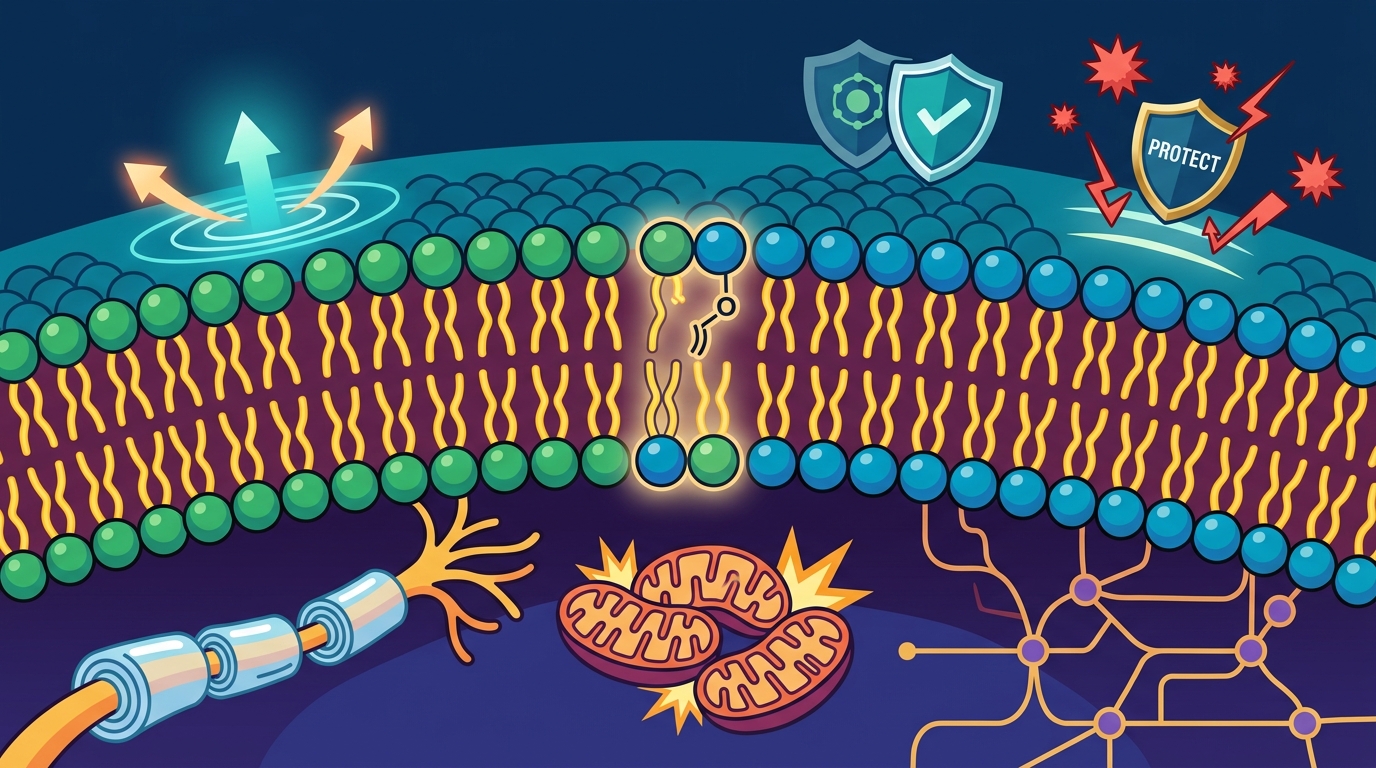
Plasmalogens are defined by their vinyl-ether linkage, a chemical structure that acts as a sacrificial antioxidant. When free radicals attack the body, plasmalogens often take the hit, protecting more critical cellular components like DNA and other membrane lipids from damage. This protective mechanism is crucial for maintaining cellular integrity over time.
Research into advanced health measurements has revealed that plasmalogen levels naturally decline with age. This decline correlates with increased oxidative stress and reduced cellular repair capacity. Understanding what plasmalogens are is the first step in recognizing their importance for long-term health and vitality.
How Plasmalogens Work in the Body
The function of plasmalogens extends far beyond structural support. They play a dynamic role in how cells communicate and respond to their environment. One of their primary mechanisms involves modulating the fluidity of cell membranes. By influencing membrane packing, plasmalogens ensure that receptors and ion channels can function efficiently.
Plasmalogens are essential for the proper functioning of the nervous system. They are heavily concentrated in the myelin sheath, the protective covering of nerve fibers. This sheath allows electrical signals to travel rapidly and accurately throughout the brain and body. Without adequate plasmalogens, nerve conduction can slow down, leading to cognitive and motor impairments.
Furthermore, plasmalogens influence cellular energy production. They interact with mitochondria, the powerhouses of the cell, to support efficient ATP generation. This interaction is vital for tissues with high energy demands, such as the heart and skeletal muscles. For more details on the biological mechanisms, explore how they work at the molecular level.
Plasmalogens and Human Health
The importance of plasmalogens becomes most apparent when their levels are compromised. Low plasmalogen levels are associated with a variety of health conditions, ranging from neurodegenerative diseases to metabolic disorders. This connection underscores why monitoring these lipids is becoming a priority in preventive medicine.
Cognitive and Neurological Health
The brain is one of the most plasmalogen-rich organs in the body. These lipids are critical for synaptic plasticity, which is the brain's ability to form new connections and adapt to new information. Synaptic plasticity is the foundation of learning and memory. When plasmalogen levels drop, the efficiency of these synaptic connections can diminish.
Studies have shown that individuals with cognitive decline often exhibit lower plasmalogen levels compared to healthy controls. This suggests that plasmalogens may play a protective role against neurodegeneration. By supporting brain synapse function, plasmalogens help maintain cognitive sharpness and mental clarity as we age.
Cardiovascular and Immune Function
Plasmalogens are also abundant in the heart. They help protect cardiac tissue from oxidative stress and inflammation, which are key drivers of cardiovascular disease. In the immune system, plasmalogens modulate the inflammatory response, helping to prevent excessive inflammation that can damage healthy tissue.
For those interested in the broader biological context, plasmalogens and health resources detail how these lipids support overall systemic resilience. Maintaining healthy levels may support robust immune responses and cardiovascular stability.
Measurement and Testing
Traditionally, plasmalogens were difficult to measure accurately. However, advances in lipidomics and mass spectrometry have made it possible to quantify plasmalogen levels in blood samples. This breakthrough has opened new avenues for personalized health monitoring.
Measuring plasmalogens provides a snapshot of cellular health and oxidative stress burden. It can reveal early signs of metabolic dysfunction before symptoms appear. This proactive approach aligns with the goals of advanced health measurements in longevity.
Testing for plasmalogens is not yet a standard part of routine blood work. It is typically available through specialized functional medicine practitioners or longevity clinics. Understanding your plasmalogen status can guide dietary and lifestyle interventions aimed at supporting your body's natural production.
Plasmalogen Roles by Tissue
Plasmalogens serve different but equally critical functions depending on the tissue type. The table below summarizes their primary roles in key organs.
| Tissue Type | Primary Plasmalogen Function | Health Implication of Deficiency |
|---|---|---|
| Brain | Myelin integrity and synaptic plasticity | Cognitive decline and neurodegeneration |
| Heart | Oxidative stress protection and energy metabolism | Cardiovascular disease and arrhythmias |
| Skin | Barrier function and UV protection | Premature aging and poor wound healing |
| Immune Cells | Inflammatory modulation and signaling | Chronic inflammation and immune dysregulation |
Key Takeaways
- Plasmalogens are specialized ether phospholipids with a unique vinyl-ether bond that provides antioxidant protection.
- They are synthesized in the peroxisomes, making them sensitive to peroxisomal health and function.
- High concentrations are found in the brain, heart, and immune cells, highlighting their systemic importance.
- Plasmalogen levels naturally decline with age, correlating with increased oxidative stress and cellular damage.
- They are critical for myelin sheath integrity, supporting rapid nerve signal transmission.
- Advanced lipidomics testing can now measure plasmalogen levels to assess cellular health.
- Supporting plasmalogen health may involve dietary choices, lifestyle modifications, and targeted supplementation.
Frequently Asked Questions
What exactly are plasmalogens?
Plasmalogens are a specific type of phospholipid found in cell membranes. They are characterized by a vinyl-ether bond that distinguishes them from other lipids and gives them unique antioxidant properties.
Why are plasmalogens important for the brain?
The brain relies heavily on plasmalogens for the structure of myelin sheaths and the function of synapses. This support is essential for cognitive function, memory, and nerve signal speed.
Do plasmalogen levels decrease with age?
Yes, research indicates that plasmalogen levels tend to decline as we age. This decrease is associated with increased oxidative stress and a higher risk of age-related diseases.
How can I measure my plasmalogen levels?
Plasmalogen levels can be measured through specialized blood tests using lipidomics and mass spectrometry. These tests are often available through functional medicine providers.
Can diet affect plasmalogen levels?
Diet plays a role in plasmalogen health. Nutrients like choline, folate, and specific fatty acids are precursors or cofactors in the biosynthesis pathway. A balanced diet supports natural production.
What are plasmalogen deficient diseases?
Plasmalogen deficient diseases are rare genetic disorders, such as Rhizomelic Chondrodysplasia Punctata, where the body cannot produce plasmalogens due to enzymatic defects. These conditions affect bone, muscle, and neurological development.
Are there supplements that increase plasmalogens?
Some supplements, such as alkyl-GPC, are studied for their potential to support plasmalogen levels. However, it is important to consult with a healthcare provider before starting any new regimen.
Take Action for Your Health
Understanding plasmalogens is key to unlocking better health outcomes. By recognizing their role in cellular protection and neurological function, you can take proactive steps to support your body's resilience. Whether through advanced testing or lifestyle adjustments, prioritizing plasmalogen health is an investment in your longevity.
Ready to explore your health metrics? Visit our contact page to learn more about how we can help you navigate the science of plasmalogens and achieve your health goals.