

What Are Plasmalogens and Why Are They Important for Human Health?
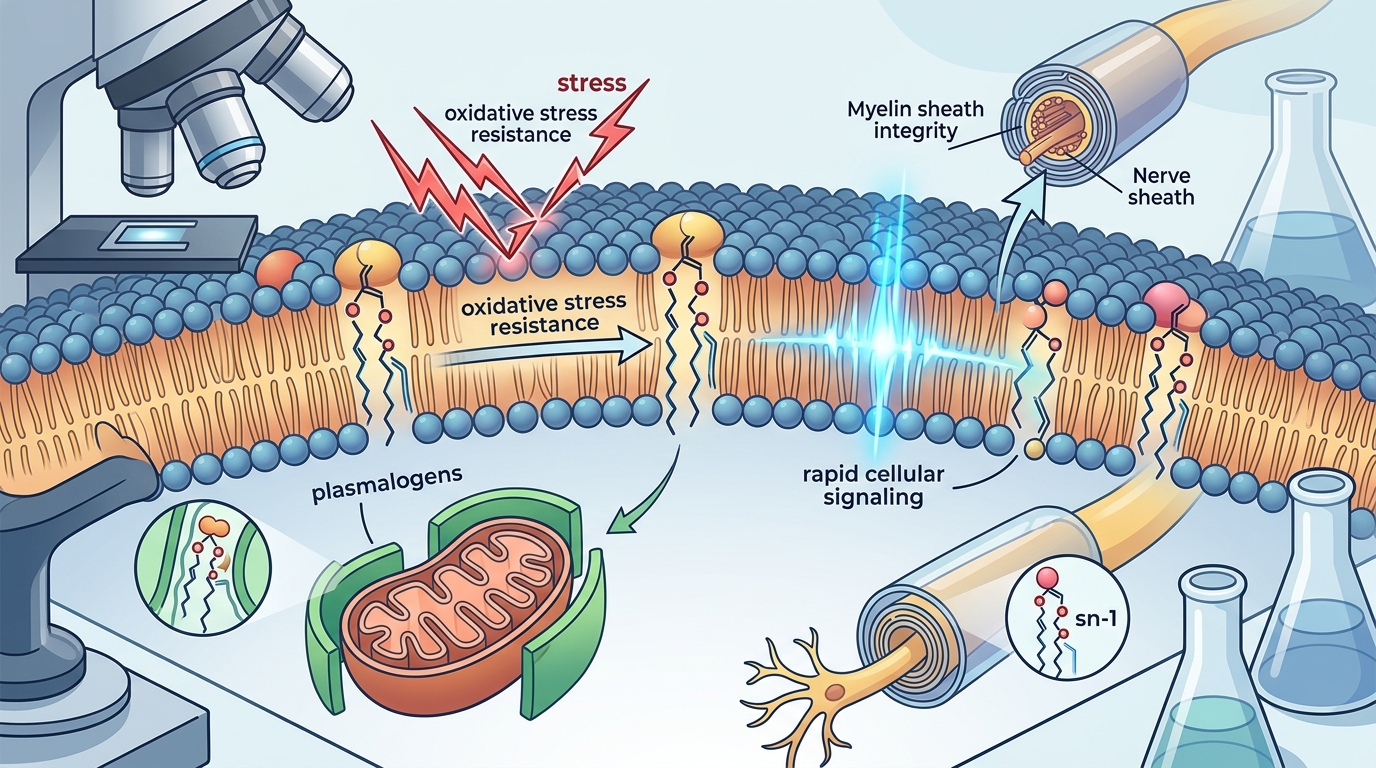
Plasmalogens are specialized ether phospholipids that serve as critical structural components of cell membranes throughout the human body. Unlike standard phospholipids, plasmalogens possess a unique vinyl-ether bond at the sn-1 position, which provides exceptional resistance to oxidative stress and facilitates rapid cellular signaling. These molecules are not merely passive building blocks; they are active participants in maintaining membrane fluidity, protecting mitochondria from damage, and supporting the integrity of the nervous system. As research into longevity and cellular health advances, plasmalogens have emerged as a key biomarker for biological aging and metabolic resilience.
What Are Plasmalogens?
To understand the importance of plasmalogens, one must first define their biological nature. Plasmalogens are specialized ether phospholipids found in high concentrations in the brain, heart, and immune cells. They constitute a significant portion of the phospholipid pool in myelin sheaths, which are the protective coverings around nerve fibers. This structural role is vital for the rapid transmission of electrical signals in the nervous system.
Plasmalogens are synthesized in the peroxisomes, a cellular organelle responsible for breaking down fatty acids and synthesizing complex lipids. The process involves the creation of dihydroxyacetone phosphate, which is then converted into plasmalogen precursors before being fully assembled in the endoplasmic reticulum. This biosynthetic pathway is highly sensitive to genetic defects and environmental stressors, making plasmalogen levels a sensitive indicator of cellular health.
Research into what plasmalogens are reveals that they are present in nearly every cell type but are particularly abundant in tissues with high metabolic demands. The vinyl-ether bond in plasmalogens acts as a sacrificial antioxidant, absorbing free radicals and preventing them from damaging the rest of the cell membrane. This protective mechanism is crucial for longevity, as oxidative damage is a primary driver of aging and chronic disease.
How Plasmalogens Work in the Body
The function of plasmalogens extends beyond structural support. They play a dynamic role in cellular communication and energy production. Plasmalogens are essential for the proper functioning of the synapse, the junction where nerve cells communicate. By maintaining the fluidity and integrity of the synaptic membrane, plasmalogens ensure that neurotransmitters can be released and received efficiently. This is critical for cognitive functions such as memory, learning, and focus.
In the context of how plasmalogens work, these molecules also influence mitochondrial health. Mitochondria are the powerhouses of the cell, generating the energy required for all biological processes. Plasmalogens help protect mitochondrial membranes from oxidative damage, thereby preserving energy production and reducing cellular fatigue. When plasmalogen levels decline, mitochondrial function can become impaired, leading to decreased energy levels and increased susceptibility to metabolic disorders.
Furthermore, plasmalogens are involved in the regulation of inflammation. They interact with immune cells to modulate the inflammatory response, helping to prevent excessive inflammation that can damage tissues. This anti-inflammatory property is particularly important in the brain, where chronic inflammation is linked to neurodegenerative conditions. By supporting immune regulation, plasmalogens contribute to overall systemic health and resilience.
Plasmalogens and Human Health
The importance of plasmalogens in human health is evident in their association with various physiological systems. Plasmalogens are critical for maintaining cognitive function and neurological health. Studies have shown that plasmalogen levels decline with age, and this decline is often accelerated in individuals with neurodegenerative diseases such as Alzheimer's disease. The loss of plasmalogens in the brain is associated with increased oxidative stress, inflammation, and neuronal damage.
Beyond the brain, plasmalogens are vital for cardiovascular health. They help maintain the integrity of blood vessel walls and support healthy lipid metabolism. Low plasmalogen levels have been linked to an increased risk of cardiovascular disease, highlighting the role of these lipids in vascular function. Additionally, plasmalogens are important for bone and muscle health, as they support the structural integrity of tissues and facilitate repair processes.
Recent research into plasmalogens and health suggests that maintaining optimal plasmalogen levels may be a key strategy for promoting longevity. By protecting cells from oxidative damage and supporting mitochondrial function, plasmalogens help preserve biological age and enhance healthspan. This makes them a focal point in the field of advanced health measurement and preventive medicine.
Measuring Plasmalogen Levels
As the importance of plasmalogens becomes clearer, the ability to measure them accurately has become a priority in advanced health testing. Plasmalogen measurement involves specialized lipidomic analysis to quantify specific plasmalogen species in the blood. Traditional lipid panels do not include plasmalogens, so advanced testing methods are required to assess these levels.
Understanding plasmalogen levels provides insight into an individual's oxidative stress burden and cellular health. Low plasmalogen levels may indicate increased oxidative damage, mitochondrial dysfunction, or an increased risk of age-related diseases. By monitoring these levels, healthcare providers can identify individuals who may benefit from interventions aimed at supporting plasmalogen biosynthesis or reducing oxidative stress.
The importance of advanced health measurements lies in their ability to detect early biological changes before symptoms appear. Plasmalogen measurement is part of this proactive approach, offering a window into the underlying health of the body's cells. This data can guide personalized strategies for nutrition, lifestyle, and supplementation to support long-term health.
Signs of Low Plasmalogens
While plasmalogen levels naturally decline with age, certain factors can accelerate this decline. Signs of low plasmalogens often include cognitive decline, fatigue, and increased susceptibility to oxidative stress. Individuals with low levels may experience brain fog, memory issues, and difficulty concentrating. These symptoms are often associated with the aging process but can be exacerbated by poor lifestyle choices, chronic stress, and environmental toxins.
Other signs of low plasmalogens may include muscle weakness, joint pain, and impaired immune function. Since plasmalogens are important for bone and muscle health, a deficiency can lead to reduced physical resilience and slower recovery from injury. In severe cases, genetic disorders that impair plasmalogen biosynthesis can lead to significant developmental and neurological issues.
Recognizing signs of low plasmalogens is the first step toward addressing the underlying causes. By understanding the role of plasmalogens in health, individuals can take proactive measures to support their levels through diet, lifestyle changes, and targeted supplementation. This approach can help mitigate the effects of aging and promote overall well-being.
Key Takeaways
- Definition: Plasmalogens are specialized ether phospholipids with a unique vinyl-ether bond that provides antioxidant protection.
- Location: They are found in high concentrations in the brain, heart, and immune cells, particularly in myelin sheaths.
- Function: Plasmalogens support membrane fluidity, mitochondrial health, and synaptic communication.
- Aging: Plasmalogen levels naturally decline with age, which is associated with increased oxidative stress and cognitive decline.
- Measurement: Advanced lipidomic testing is required to measure plasmalogen levels accurately.
- Health Impact: Low plasmalogen levels are linked to neurodegenerative diseases, cardiovascular issues, and reduced immune function.
- Intervention: Supporting plasmalogen biosynthesis through lifestyle and nutrition may promote longevity and healthspan.
Frequently Asked Questions
What exactly are plasmalogens?
Plasmalogens are a type of phospholipid found in cell membranes that contain a vinyl-ether bond, which gives them unique antioxidant properties.
Why are plasmalogens important for the brain?
Plasmalogens are critical for the structure and function of myelin sheaths, which protect nerve fibers and enable rapid signal transmission in the brain.
How do plasmalogens protect cells?
They act as sacrificial antioxidants, absorbing free radicals and preventing oxidative damage to other cellular components like mitochondria.
Can plasmalogen levels be measured?
Yes, through advanced lipidomic testing that quantifies specific plasmalogen species in the blood, which is not part of standard lipid panels.
What causes low plasmalogen levels?
Low levels can be caused by aging, genetic factors, chronic oxidative stress, and poor nutritional status.
How can I support my plasmalogen levels?
Supporting plasmalogen levels may involve a diet rich in healthy fats, reducing oxidative stress, and potentially targeted supplementation under medical guidance.
Are plasmalogens linked to longevity?
Research suggests that maintaining healthy plasmalogen levels is associated with better healthspan and reduced risk of age-related diseases.
Take the Next Step
Understanding your plasmalogen levels is a powerful step toward optimizing your health and longevity. By gaining insight into your cellular resilience and oxidative stress burden, you can make informed decisions about your wellness journey. Contact Plasmalogen Science today to learn more about advanced health measurements and how we can help you achieve your health goals.