

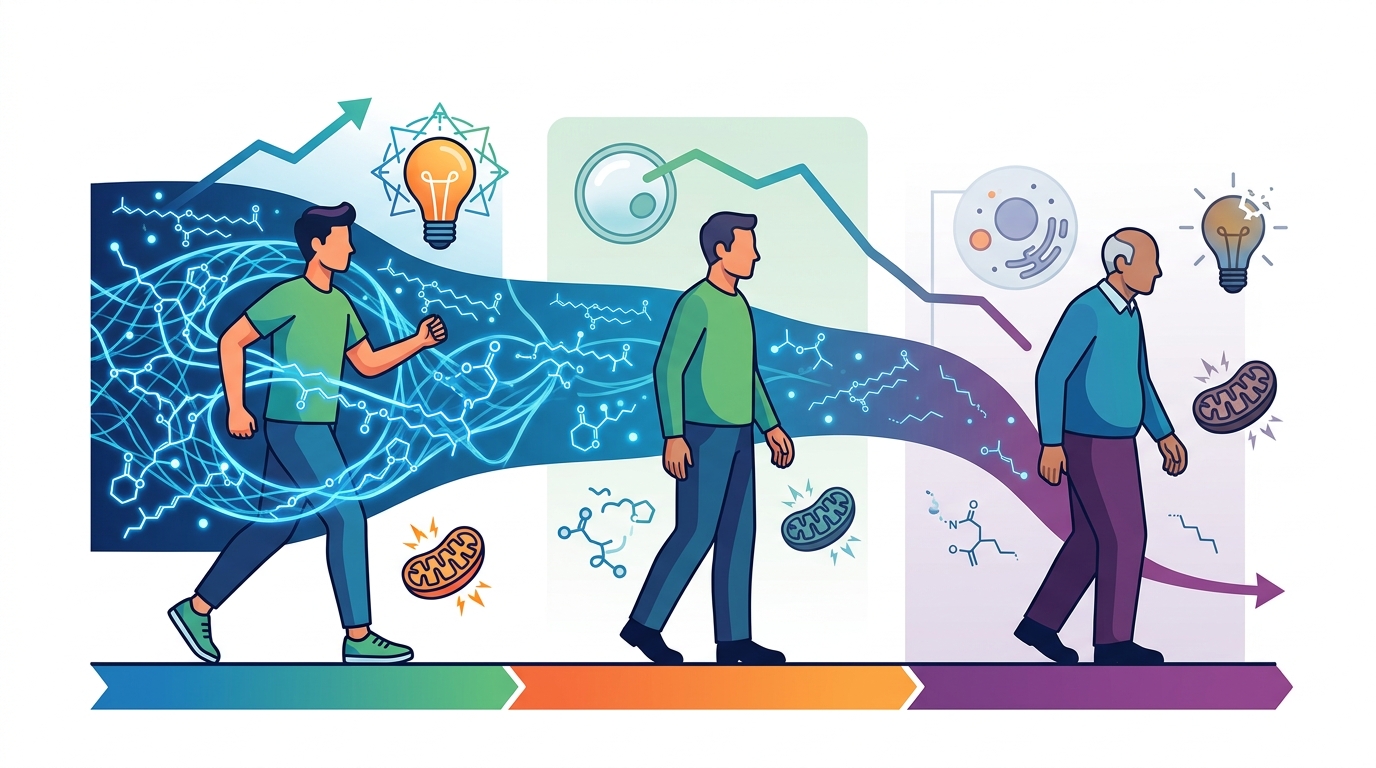
Plasmalogen levels change with age in a predictable and clinically significant pattern that impacts cellular health across the entire body. Research indicates that these specialized ether phospholipids begin to decline steadily after early adulthood, with a notable acceleration in reduction during later decades. This decline is not merely a side effect of aging but a central driver of cellular vulnerability, affecting everything from brain function to muscle integrity. Understanding this trajectory is critical for anyone interested in longevity, cognitive preservation, and metabolic resilience.
What Are Plasmalogens?
To understand how plasmalogen levels change with age, we must first define what these molecules are. Plasmalogens are specialized ether phospholipids found in cell membranes throughout the body. They are especially important in tissues with high structural, metabolic, and signaling demands.
Unlike standard phospholipids, plasmalogens possess a unique vinyl-ether bond at the sn-1 position. This chemical structure gives them distinct properties, particularly their ability to act as potent antioxidants. They protect cell membranes from oxidative damage, which is a primary driver of aging. Without adequate plasmalogen levels, cells become more susceptible to lipid peroxidation, a process that damages membrane integrity and disrupts cellular communication.
Plasmalogens are not just structural components; they are dynamic regulators of cellular function. They influence membrane fluidity, protein function, and signal transduction. Their presence is critical in the brain, heart, and immune system, where oxidative stress is naturally high. When these levels drop, the protective shield around our cells weakens, leading to the biological changes associated with aging.
The Plasmalogen Aging Trajectory
The decline of plasmalogen levels is a consistent finding in aging research. This process is not uniform across all tissues but follows a general downward trend that correlates with biological age.
Early Adulthood and Peak Levels
In early adulthood, plasmalogen levels are typically at their peak. The body efficiently synthesizes these lipids through the peroxisomal pathway. During this period, cellular repair mechanisms are robust, and oxidative damage is effectively neutralized. This is why young individuals often exhibit high energy levels, rapid recovery from physical stress, and sharp cognitive function.
Mid-Life Decline
As individuals move into their 40s and 50s, the efficiency of plasmalogen synthesis begins to wane. This decline is often subtle but measurable. Studies suggest that plasmalogen levels can decrease by approximately 20 to 30 percent in later life compared to young adulthood. This reduction is linked to decreased peroxisomal function and increased oxidative stress, which further inhibits synthesis.
Advanced Age and Critical Deficits
In older adults, particularly those over 70, plasmalogen levels can be significantly lower. This deficit is not just a marker of aging but a contributor to age-related diseases. Low plasmalogen levels are strongly associated with neurodegenerative conditions, cardiovascular decline, and reduced immune function. The body's ability to repair cellular damage diminishes, leading to a cumulative effect of cellular wear and tear.
Cellular Mechanisms of Decline
Why do plasmalogen levels change with age? The answer lies in the complex interplay between genetics, metabolism, and environmental factors.
Peroxisomal Dysfunction
Plasmalogen synthesis occurs primarily in the peroxisomes, specialized organelles within cells. As we age, peroxisomal function often declines due to genetic and epigenetic changes. This dysfunction reduces the body's capacity to produce new plasmalogens. Additionally, the enzymes responsible for the initial steps of plasmalogen synthesis may become less efficient, further contributing to the deficit.
Oxidative Stress and Consumption
Plasmalogens act as sacrificial antioxidants. They absorb oxidative damage to protect other critical cellular components. Over time, this constant exposure to free radicals depletes plasmalogen stores. In aging individuals, the balance between plasmalogen production and consumption shifts heavily toward consumption. The body cannot replace these lipids fast enough to match the rate of oxidative damage.
Inflammation and Metabolic Shifts
Chronic low-grade inflammation, often referred to as "inflammaging," also plays a role. Inflammatory cytokines can interfere with lipid metabolism and plasmalogen synthesis. Furthermore, age-related changes in diet, gut health, and nutrient absorption can limit the availability of precursors needed for plasmalogen production, such as choline and ethanolamine.
Cognitive and Neurological Implications
The brain is one of the most plasmalogen-rich organs in the body. Consequently, changes in plasmalogen levels with age have profound implications for cognitive health.
Myelin Integrity
Plasmalogens are essential components of myelin, the protective sheath around nerve fibers. Myelin ensures rapid and efficient transmission of electrical signals in the brain. As plasmalogen levels decline, myelin integrity can be compromised, leading to slower neural processing and reduced cognitive flexibility. This is a key factor in age-related cognitive decline.
Synaptic Function
Synapses, the junctions between neurons, rely on healthy membrane biology for proper function. Plasmalogens influence synaptic plasticity, which is the brain's ability to adapt and form new connections. Low plasmalogen levels are associated with reduced synaptic density and impaired memory formation. This mechanism is particularly relevant in conditions like Alzheimer's disease, where plasmalogen deficits are often observed.
Neuroinflammation
The brain is highly susceptible to oxidative stress due to its high oxygen consumption and lipid content. Plasmalogens protect neural tissues from this damage. When levels drop, neuroinflammation can increase, further damaging neurons and glial cells. This creates a vicious cycle where inflammation depletes plasmalogens, and low plasmalogen levels exacerbate inflammation.
Musculoskeletal and Physical Health
While the brain often gets the most attention, plasmalogen levels change with age in ways that significantly impact physical health, particularly in bones and muscles.
Muscle Function and Repair
Muscle tissue requires high levels of energy and efficient membrane signaling for contraction and repair. Plasmalogens support mitochondrial function in muscle cells, ensuring adequate energy production. As plasmalogen levels decline, muscle cells may become less efficient, leading to fatigue and reduced strength. This is a contributing factor to sarcopenia, the age-related loss of muscle mass.
Bone Health
Bones are living tissues that depend on cellular metabolism and signaling for maintenance and repair. Plasmalogens play a role in regulating bone cell activity and inflammation. Low plasmalogen levels have been linked to reduced bone density and increased risk of fractures. This connection highlights the systemic nature of plasmalogen deficiency.
Joint and Tissue Resilience
Connective tissues, including tendons and ligaments, also rely on healthy lipid membranes for flexibility and strength. Plasmalogen depletion can lead to increased stiffness and reduced resilience in these tissues, contributing to joint pain and reduced mobility in older adults.
Measurement and Testing
Understanding how plasmalogen levels change with age requires accurate measurement. Traditional health screenings often miss these specific lipid changes.
Advanced Lipidomics
Advanced health measurement techniques, such as lipidomics, allow for the precise quantification of plasmalogen levels in blood and tissues. These methods can distinguish between different types of plasmalogens, such as ethanolamine and choline plasmalogens, providing a detailed picture of an individual's lipid health.
Biomarkers of Aging
Plasmalogen levels are increasingly recognized as biomarkers of biological aging. Monitoring these levels can help identify individuals at risk for age-related diseases before symptoms appear. This early detection allows for proactive interventions to support plasmalogen synthesis and reduce oxidative stress.
Comparative Analysis
| Life Stage | Plasmalogen Status | Primary Health Impact |
|---|---|---|
| Young Adult (20-30) | Peak Levels | Optimal cellular protection and repair |
| Middle Age (40-55) | Moderate Decline | Early signs of oxidative stress accumulation |
| Older Adult (65+) | Significant Deficit | Increased risk of neurodegeneration and muscle loss |
Key Takeaways
- Plasmalogen levels change with age by declining steadily, with a significant drop occurring in later decades.
- Peroxisomal dysfunction is a primary cause of reduced plasmalogen synthesis in aging individuals.
- Oxidative stress consumes plasmalogens faster than they can be replaced, depleting cellular reserves.
- Cognitive decline is closely linked to low plasmalogen levels due to impaired myelin and synaptic function.
- Musculoskeletal health suffers from plasmalogen deficits, leading to reduced muscle efficiency and bone density.
- Advanced lipidomics provides the most accurate method for measuring plasmalogen levels and assessing aging risk.
- Proactive intervention through diet, lifestyle, and potential supplementation may help mitigate age-related plasmalogen decline.
Frequently Asked Questions
Do plasmalogen levels decrease with age?
Yes, plasmalogen levels decrease with age. Research shows a steady decline starting in early adulthood, with a more rapid drop in later life. This decline is linked to reduced synthesis and increased oxidative consumption.
Why do plasmalogen levels drop as we get older?
Plasmalogen levels drop due to a combination of factors, including decreased peroxisomal function, increased oxidative stress, and chronic inflammation. These factors impair the body's ability to produce and maintain these critical lipids.
Can plasmalogen levels be measured?
Yes, plasmalogen levels can be measured using advanced lipidomics techniques. These tests analyze blood or tissue samples to quantify specific plasmalogen types, providing insight into an individual's lipid health and aging status.
How do plasmalogen levels affect brain health?
Plasmalogen levels affect brain health by supporting myelin integrity and synaptic function. Low levels are associated with cognitive decline, neuroinflammation, and an increased risk of neurodegenerative diseases like Alzheimer's.
Are plasmalogen levels important for muscle health?
Yes, plasmalogen levels are important for muscle health. They support mitochondrial energy production and membrane signaling in muscle cells. Low levels can contribute to muscle fatigue, weakness, and sarcopenia.
Can lifestyle changes improve plasmalogen levels?
Lifestyle changes such as a nutrient-rich diet, regular exercise, and stress reduction may help support plasmalogen synthesis and reduce oxidative stress. However, the extent of improvement varies by individual and age.
What is the role of plasmalogens in aging?
Plasmalogens play a crucial role in aging by protecting cells from oxidative damage and supporting cellular repair. Their decline is a key factor in the biological processes of aging and age-related disease.
Take Action for Your Health
Understanding how plasmalogen levels change with age is the first step toward proactive health management. By recognizing the importance of these lipids, you can take steps to support your cellular health and longevity. Explore our comprehensive resources on advanced health measurements to learn more about monitoring your lipid profile. For deeper insights into cellular biology, visit our guide on cell membranes explained. If you are interested in the broader context of this research, read about about this project to understand our mission. To stay updated on the latest findings, check out our article on brain synapse function. Finally, if you have specific questions or need personalized guidance, please contact us today.