

Plasmalogens are specialized ether phospholipids that serve as the primary antioxidant defense in cell membranes, particularly within the brain and heart. Research indicates that plasmalogen levels naturally decline with age, a process closely linked to neurodegenerative conditions and metabolic dysfunction. Understanding these unique lipids is essential for grasping how cellular resilience is maintained and why their deficiency poses significant risks to longevity and cognitive function. (Contact Plasmalogen Science)
What Are Plasmalogens?
Plasmalogens are a unique class of phospholipids found in the cell membranes of nearly all human tissues. Unlike standard phospholipids, they contain a vinyl ether linkage at the sn-1 position, which provides distinct chemical properties. This structure makes them highly susceptible to oxidative damage, allowing them to act as sacrificial antioxidants. (About This Project Plasmalogen)
Plasmalogens are specialized ether phospholipids found in cell membranes throughout the body. They are especially important in tissues with high structural, metabolic, and signaling demands. The body produces these lipids through a complex biosynthetic pathway that occurs in the peroxisomes and the endoplasmic reticulum. This process requires specific enzymes and precursors, including dihydroxyacetone phosphate and fatty alcohols. (How Bones amp Muscle)
The production of plasmalogens is not merely a structural necessity. It is a critical regulatory mechanism for cellular health. When the body cannot produce sufficient plasmalogens, cell membranes become less stable and more vulnerable to oxidative stress. This vulnerability can lead to mitochondrial dysfunction, impaired signal transduction, and increased inflammation. (How The Synapse Works)
Recent scientific literature has highlighted the role of plasmalogens in maintaining the integrity of the myelin sheath. The myelin sheath is the protective covering of nerve fibers that allows for rapid transmission of electrical signals. Without adequate plasmalogens, myelin stability is compromised, potentially leading to neurological deficits.
How Plasmalogens Protect Cellular Integrity
The primary function of plasmalogens is to protect cells from oxidative damage. They achieve this by reacting with reactive oxygen species (ROS) and free radicals before these harmful molecules can damage DNA, proteins, or other lipids. This sacrificial mechanism is vital for preventing cellular aging and dysfunction.
Plasmalogens also play a crucial role in membrane fluidity and protein function. Cell membranes are not static barriers; they are dynamic environments where proteins must move and interact to perform their jobs. The unique structure of plasmalogens helps maintain the optimal fluidity of the membrane, ensuring that receptors, ion channels, and transporters function correctly.
Furthermore, plasmalogens are involved in signal transduction pathways. They help regulate how cells respond to external stimuli, including hormones and growth factors. This signaling capability is essential for immune response, inflammation control, and tissue repair.
In the context of advanced health measurement, understanding these mechanisms is key. Standard lipid panels do not measure plasmalogens. Therefore, individuals may have normal cholesterol levels while still suffering from significant plasmalogen deficiency. This gap in traditional testing highlights the need for more advanced biomarker analysis.
Plasmalogens and Brain Function
The brain is one of the most metabolically active organs in the body, requiring constant energy and protection from oxidative stress. Plasmalogens are highly concentrated in the brain, particularly in the white matter and synapses. This concentration underscores their importance in cognitive health.
A synapse is the communication site where one nerve cell passes information to another cell. Plasmalogens are critical for the formation and maintenance of these synapses. They help regulate the release of neurotransmitters and the responsiveness of receptors. When plasmalogen levels drop, synaptic communication can become less efficient, potentially affecting memory, learning, and mood.
Research has shown a strong correlation between low plasmalogen levels and neurodegenerative diseases. Conditions such as Alzheimer's disease and other forms of dementia are often associated with significant reductions in brain plasmalogens. This decline may precede the onset of clinical symptoms by years, suggesting that plasmalogen measurement could be a valuable early indicator of neurological risk.
Additionally, plasmalogens support the health of the myelin sheath. Myelin is the insulating layer around nerves that speeds up signal transmission. Damage to myelin, known as demyelination, can lead to a variety of neurological symptoms. Adequate plasmalogen levels help maintain myelin integrity, supporting overall nervous system function.
Health Implications of Low Levels
When plasmalogen levels are low, the body's ability to protect cells from oxidative stress is compromised. This can lead to a cascade of health issues, ranging from mild fatigue to severe degenerative conditions. The implications extend beyond the brain to include the heart, muscles, and bones.
In the heart, plasmalogens help protect cardiac tissue from oxidative damage. Low levels have been linked to an increased risk of heart disease and heart failure. The heart's constant workload makes it particularly susceptible to oxidative stress, and plasmalogens provide a critical line of defense.
Muscle and bone health are also affected by plasmalogen deficiency. Bones and muscles are deeply affected in certain plasmalogen deficient diseases because the skeletal and muscular systems depend on membrane biology, lipid metabolism, energy production, tissue development, and cellular repair. In severe cases, this can lead to reduced mobility, muscle tone abnormalities, and joint contractures.
For active individuals and older adults, maintaining plasmalogen levels is essential for preserving physical resilience. As we age, our natural production of plasmalogens declines. This decline may contribute to the loss of muscle mass, decreased bone density, and reduced overall vitality that often accompanies aging.
Understanding the signs of low plasmalogens is important for proactive health management. Symptoms may include cognitive fog, fatigue, muscle weakness, and increased susceptibility to infections. Recognizing these signs early can allow for interventions that support plasmalogen production and cellular health.
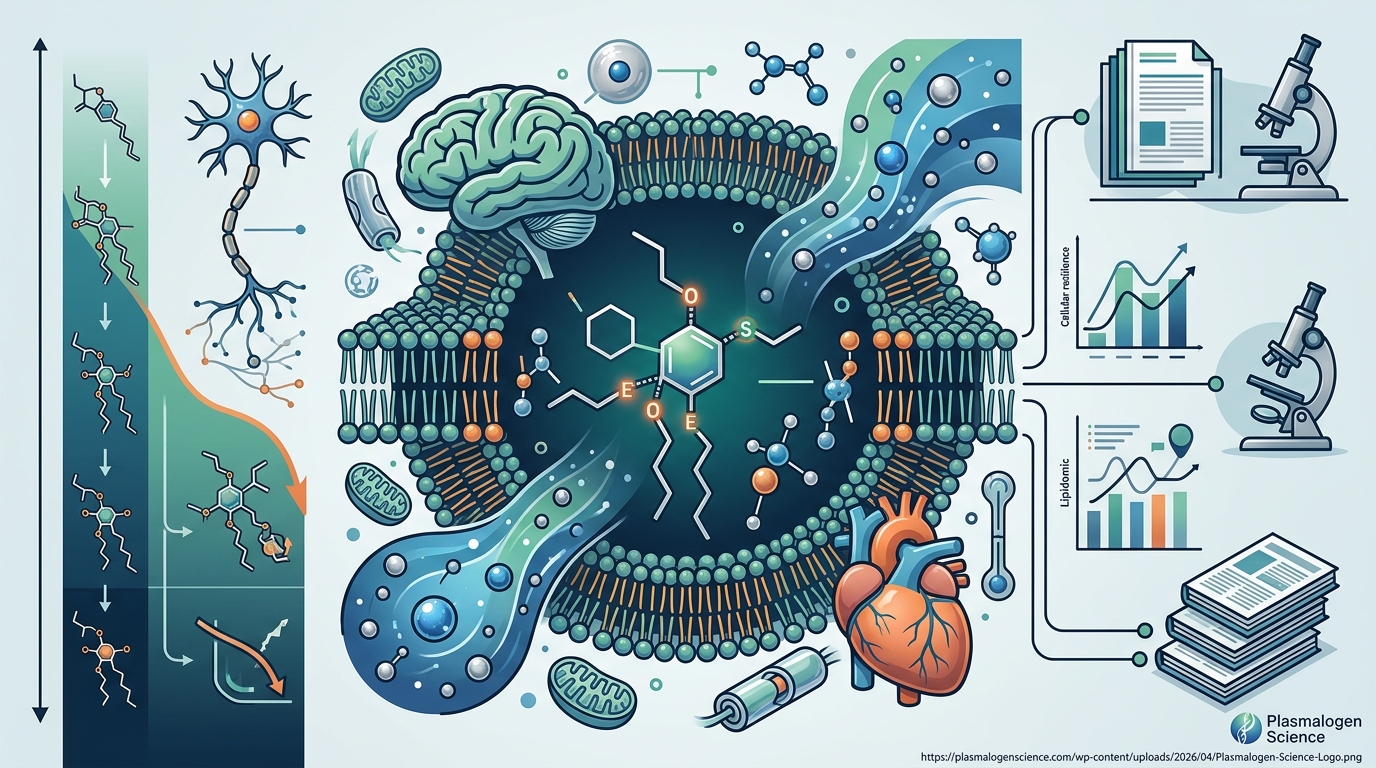
Measurement and Testing
Advanced health measurement is changing how health and longevity are understood. Traditional healthcare often focuses on symptoms, diagnosis, and treatment after problems become obvious. That approach is essential in acute care, but it does not always capture the earlier biological changes that may occur long before a condition is formally identified.
Advanced health measurement looks deeper. It examines patterns in metabolism, inflammation, cellular energy, lipid biology, oxidative stress, cardiovascular function, hormone signaling, nutrient status, immune activity, organ function, and biological aging. The goal is to understand how the body is functioning across systems, how those systems are changing over time, and where early biological stress may be developing.
Standard testing has limits. A complete blood count, metabolic panel, lipid panel, thyroid panel, glucose, A1c, kidney markers, liver markers, and inflammatory markers can provide important clinical information. But standard testing does not show everything. Many routine tests are designed to detect established abnormalities. They may not reveal earlier shifts in cellular function, membrane lipid composition, mitochondrial stress, oxidative burden, or subtle metabolic strain.
Plasmalogen measurement belongs in advanced health testing. By analyzing plasmalogen levels, healthcare providers can gain insight into a patient's oxidative stress burden and membrane health. This information can guide personalized interventions, including dietary changes, supplementation, and lifestyle modifications.
Longitudinal tracking is more powerful than one-time testing. Monitoring plasmalogen levels over time can reveal trends and responses to interventions. This approach allows for dynamic adjustments to health strategies, ensuring that they remain effective as the body changes.
Key Takeaways
- Plasmalogens are specialized ether phospholipids that serve as the primary antioxidant defense in cell membranes.
- They are critical for brain health, particularly in maintaining myelin sheath integrity and synaptic function.
- Levels decline with age, which is linked to increased risk of neurodegenerative and cardiovascular diseases.
- Standard lipid panels do not measure plasmalogens, requiring advanced testing for accurate assessment.
- They support muscle and bone health by facilitating cellular repair and energy production.
- Advanced health measurement is essential for detecting early signs of plasmalogen deficiency before clinical symptoms appear.
- Proactive management through lifestyle and potential supplementation may help mitigate age-related decline.
Frequently Asked Questions
What exactly are plasmalogens?
Plasmalogens are a unique class of phospholipids found in cell membranes that contain a vinyl ether linkage, providing antioxidant protection and supporting membrane structure.
Why are plasmalogens important for the brain?
Plasmalogens are highly concentrated in the brain, where they protect nerve cells from oxidative stress and support the formation of myelin sheaths and synapses.
Can plasmalogen levels be tested?
Yes, plasmalogen levels can be measured through advanced lipidomics testing, which is not part of standard routine blood work.
Do plasmalogen levels decrease with age?
Yes, research indicates that plasmalogen levels naturally decline as we age, which may contribute to age-related health issues.
How do plasmalogens affect heart health?
Plasmalogens protect cardiac tissue from oxidative damage, and low levels have been associated with an increased risk of heart disease.
What are the signs of low plasmalogen levels?
Symptoms may include cognitive fog, fatigue, muscle weakness, and increased susceptibility to oxidative stress-related conditions.
Can I increase my plasmalogen levels?
While the body produces plasmalogens naturally, lifestyle factors and potential supplementation may support their production and maintenance.
What is the difference between plasmalogens and other phospholipids?
Plasmalogens have a unique vinyl ether linkage that makes them effective sacrificial antioxidants, unlike standard phospholipids.
Explore Advanced Health Insights
Understanding plasmalogens is the first step toward optimizing your healthspan. By recognizing their critical role in cellular protection and neurological function, you can take proactive steps to support your body's resilience. Visit Plasmalogen Science to learn more about advanced health measurements and how to protect your cellular integrity.