

How Plasmalogens Link to Neurodegenerative Conditions Like Alzheimer's and Parkinson's
Understanding the cellular architecture of the brain is crucial for grasping the progression of neurodegenerative diseases. Plasmalogens, a class of ether phospholipids found in cell membranes, play a fundamental role in maintaining the integrity and function of these critical structures. Research indicates that disruptions in plasmalogen levels are increasingly being linked to the pathology observed in conditions such as Alzheimer's and Parkinson's disease. For instance, studies examining cellular energy production and membrane stability suggest that imbalances in these lipids can significantly impact neuronal health. According to recent research, the role of these specialized lipids in cellular resilience is a key area of focus in modern neuroscience. This guide explores the intricate relationship between plasmalogens and the mechanisms underlying these debilitating conditions. (Contact Plasmalogen Science)
Introduction to Plasmalogens and Brain Health
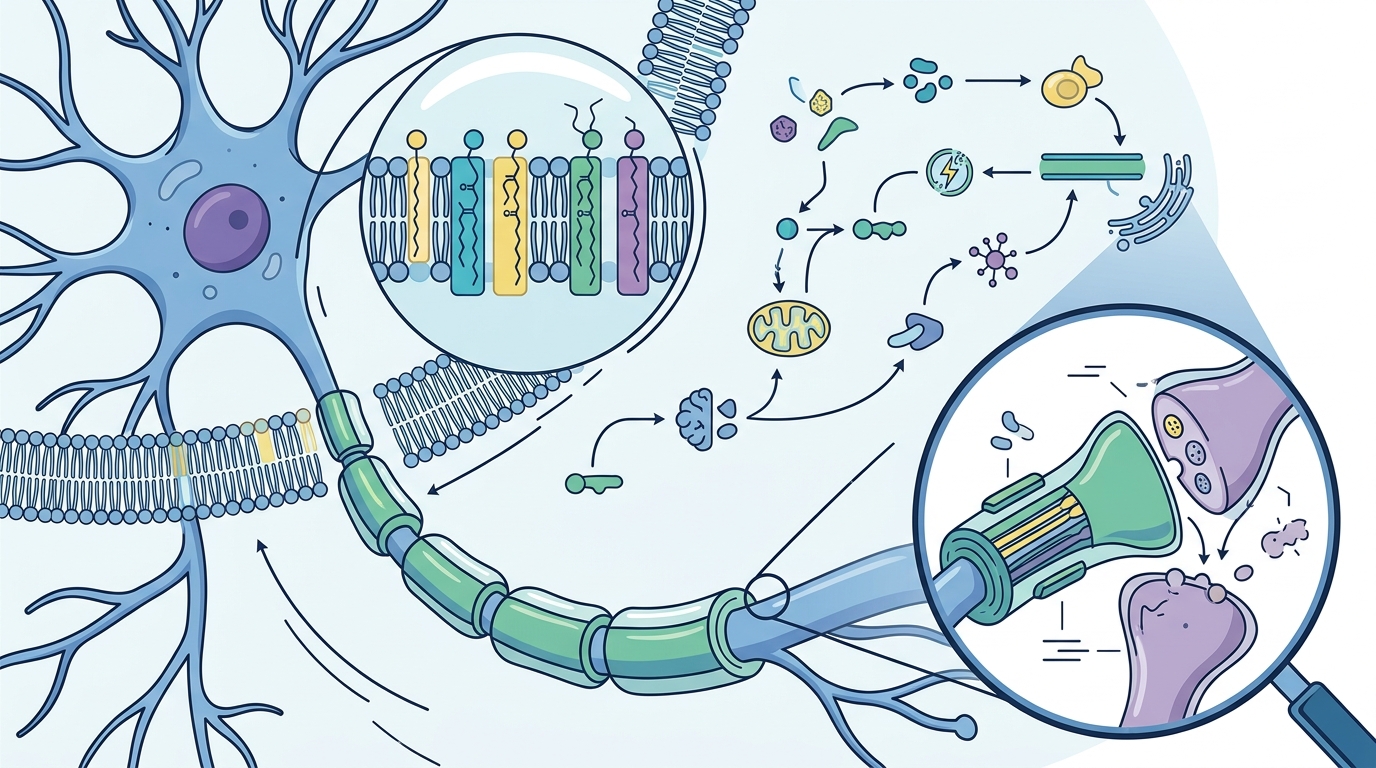
Plasmalogens are not merely structural components of cell membranes; they are dynamic molecules essential for cellular signaling and energy homeostasis. [Plasmalogens] is a class of ether phospholipids that are vital for maintaining membrane fluidity and integrity. These lipids are particularly abundant in the myelin sheath, which insulates nerve fibers, and in the membranes of neurons themselves. This structural importance means that any deficiency or alteration in plasmalogen synthesis can have profound effects on brain function. For example, the process of [How the Body Produces Plasmalogens] involves complex enzymatic pathways that must be tightly regulated to ensure proper cellular function. This regulation is paramount in the highly specialized environment of the central nervous system.
The impact of these lipids extends beyond simple structure. They influence how neurons communicate, how they generate energy, and how they respond to stress. When these systems are compromised, the risk of neurodegenerative decline increases. Data shows that cellular energy production is highly sensitive to lipid composition. For more detailed insights into the biological processes involved, explore the [Cell Membranes Explained] section on our site.
The Critical Role of Plasmalogens in Neuronal Function
The function of a neuron relies on precise membrane dynamics. [Cell Membranes Explained] is the study of the structure and function of cell membranes, and plasmalogens are central to this study. They help regulate the permeability of the membrane, which is essential for the proper transport of ions and neurotransmitters. This precise control is vital for synaptic transmission, the process by which neurons communicate with each other. When plasmalogen levels are suboptimal, this communication can become inefficient or dysregulated. This inefficiency is a hallmark of many neurological disorders.
Maintaining Synaptic Integrity
Synaptic function is the bedrock of cognitive health. The proper formation and maintenance of synapses depend on specific lipid environments. Plasmalogens help create the necessary microenvironment for receptors to function correctly. This is a key area of investigation when studying cognitive decline. Furthermore, the [Brain Synapse Function] page provides deeper context on how these molecular interactions translate into observable neurological symptoms. Understanding this molecular link is vital for developing targeted interventions.
Energy Production and Resilience
Neurons are among the most metabolically demanding cells in the body. They require a constant supply of energy, primarily derived from mitochondrial function. Plasmalogens are integral to the structure of these mitochondria and the surrounding membranes. They influence cellular energy production, acting as a buffer against oxidative stress. When plasmalogen levels are low, the cell's ability to manage energy stress is diminished. This vulnerability is a significant factor in the aging process and disease progression.
Mechanisms Linking Plasmalogens to Alzheimer's Disease
Alzheimer's disease is characterized by the accumulation of amyloid plaques and tau tangles in the brain. The pathology involves widespread cellular dysfunction, including impaired membrane function and increased oxidative stress. Research suggests that plasmalogens are involved in regulating the lipid composition of these pathological structures. Specifically, alterations in membrane integrity can contribute to the formation and spread of toxic aggregates. This is a critical area where advanced health measurement techniques offer new perspectives.
Membrane Fluidity and Amyloid Aggregation
The physical properties of the neuronal membrane dictate how proteins and lipids interact. Plasmalogens help maintain the correct fluidity required for normal synaptic signaling. When this fluidity is disrupted, it can promote the misfolding and aggregation of amyloid-beta proteins. This process is central to the pathology of Alzheimer's disease. Examining these patterns through advanced health measurement can reveal early signs of this structural change. For comprehensive information on how these processes are studied, review the [Advanced Health Measurements] guide.
Oxidative Stress and Lipid Metabolism
Oxidative stress, the imbalance between free radicals and antioxidants, is a major driver of neurodegeneration. Plasmalogens play a protective role by helping to stabilize membranes against lipid peroxidation. A deficiency in plasmalogens can leave neuronal membranes more susceptible to damaging free radicals. This increased susceptibility accelerates cellular damage. Furthermore, the [Plasmalogens & Health] article discusses how these lipids influence cellular energy, providing context for this stress response.
Mechanisms Linking Plasmalogens to Parkinson's Disease
Parkinson's disease is characterized by the progressive loss of dopaminergic neurons in the substantia nigra. The vulnerability of these specific neurons to metabolic stress and oxidative damage is a key feature. Since these neurons have high energy demands, they are particularly sensitive to disruptions in lipid metabolism. Plasmalogens are crucial for the function of the membranes surrounding these dopaminergic cells. Their proper function is necessary for efficient neurotransmitter release and survival.
Dopaminergic Neuron Vulnerability
The survival of dopaminergic neurons is highly dependent on maintaining cellular homeostasis. When plasmalogen levels are low, the energy production pathways become less efficient. This metabolic strain contributes to cellular stress, which can trigger the cascade leading to neuronal death. This mechanism highlights the importance of monitoring lipid profiles in the context of movement disorders. For a broader view of how different tissues are affected, consider the information on [Bones Muscle] and its connection to cellular metabolism.
Inflammation and Membrane Signaling
Chronic, low-grade inflammation is implicated in Parkinson's progression. Plasmalogens participate in the signaling pathways that mediate inflammatory responses. By modulating membrane signaling, they can either promote or suppress inflammatory cascades. An imbalance in this signaling can lead to sustained cellular stress in the substantia nigra. This complex interplay between lipids, inflammation, and neuronal survival is a major focus of current research.
Advanced Health Measurements in Detecting Lipid Imbalances
Traditional diagnostic methods often focus on identifying symptoms after significant biological changes have occurred. Advanced health measurement is shifting the paradigm toward detecting early biological patterns. This approach looks deeper than simple symptom tracking. It examines patterns in metabolism, inflammation, and lipid biology. Advanced measurements can reveal subtle changes in plasmalogen profiles long before clinical symptoms of Alzheimer's or Parkinson's become apparent. This is where the science of [Advanced Health Measurements] becomes indispensable.
Biomarkers Revealing Early Patterns
Biomarkers derived from lipidomics offer a window into cellular health. Lipidomics is the study of lipids, and specific plasmalogen ratios can serve as sensitive indicators of cellular stress. These ratios provide a quantitative measure of the balance between structural integrity and functional capacity. For instance, specific ratios can be correlated with changes in mitochondrial function. This level of detail is essential for personalized risk assessment. For more information on how these biomarkers are utilized, visit the [Measurement & Testing] section.
Why Standard Testing May Miss Deeper Changes
Standard blood tests may not capture the nuanced changes occurring at the level of individual cell membranes. They often measure bulk markers rather than the specific structural components like plasmalogens. This limitation means that early warning signs of neurodegeneration can be missed. Advanced testing allows researchers to pinpoint the exact molecular deficits that precede clinical manifestation. This precision is what drives the development of new preventative strategies.
Current Research and Future Directions
The field is rapidly evolving. Current research is heavily focused on identifying specific genetic variations that affect plasmalogen synthesis pathways. Understanding these genetic predispositions is crucial for risk stratification. Furthermore, studies in animal models, such as those involving [Plasmalogens in Animals], provide insights into how these lipid changes manifest in complex neurological systems. These animal studies help establish preliminary links between lipid deficiency and disease progression.
Future research aims to develop targeted therapies that can restore plasmalogen balance in affected brain regions. This could involve novel nutritional interventions or pharmacological agents designed to support cellular resilience. The goal is to move beyond symptom management toward addressing the fundamental cellular vulnerabilities identified through advanced measurement.
Frequently Asked Questions
What exactly are plasmalogens?
Plasmalogens are specialized ether phospholipids found in cell membranes throughout the body. They are vital for maintaining membrane fluidity and integrity, especially in tissues with high structural and signaling demands, such as neurons.
How do plasmalogens affect brain function?
They are essential for synaptic transmission by regulating membrane permeability and are integral to mitochondrial function, which is necessary for neuronal energy production and communication.
Are low plasmalogen levels linked to neurodegeneration?
Yes, research indicates that disruptions in plasmalogen levels can contribute to the pathology of Alzheimer's and Parkinson's disease by compromising membrane integrity and increasing oxidative stress.
How can advanced measurements help in this research?
Advanced health measurements, particularly lipidomics, allow researchers to detect subtle changes in plasmalogen ratios that precede overt clinical symptoms, offering early biological patterns.
What is the role of plasmalogens in cellular energy?
Plasmalogens influence cellular energy production by being components of mitochondrial membranes, helping to buffer against oxidative stress and ensuring efficient energy transfer.
Are there specific animal studies on this topic?
Yes, research involving plasmalogens in animals provides valuable insights into how these lipid changes manifest in complex neurological systems and disease progression.
Next Steps in Understanding Neurobiology
The link between plasmalogens and neurodegenerative conditions is a frontier in biomedical science. Understanding this relationship requires looking beyond traditional symptom-based care toward molecular diagnostics. If you are interested in exploring how these advanced biomarkers can be applied to personalized health strategies, we encourage you to delve deeper into our comprehensive resources. For detailed information on specific testing protocols and how they apply to neurological health, visit the [Advanced Health Measurements] page. You can also explore our broader range of scientific insights by visiting the [Research & Science] hub.
To begin your journey into understanding the molecular basis of brain health, contact our specialists today to discuss personalized diagnostic pathways. You can reach our team directly via the [Contact] page or explore our full suite of scientific literature at [plasmalogenscience.com].