

Plasmalogens are specialized ether phospholipids that serve as the primary antioxidant defense in cell membranes, particularly within the brain and heart. Recent research indicates that these unique lipids are critical for maintaining membrane integrity and facilitating cellular communication. Without adequate plasmalogen levels, cells become vulnerable to oxidative damage, leading to accelerated aging and neurological decline. Understanding their role is essential for anyone interested in longevity and cellular resilience.
What Are Plasmalogens?
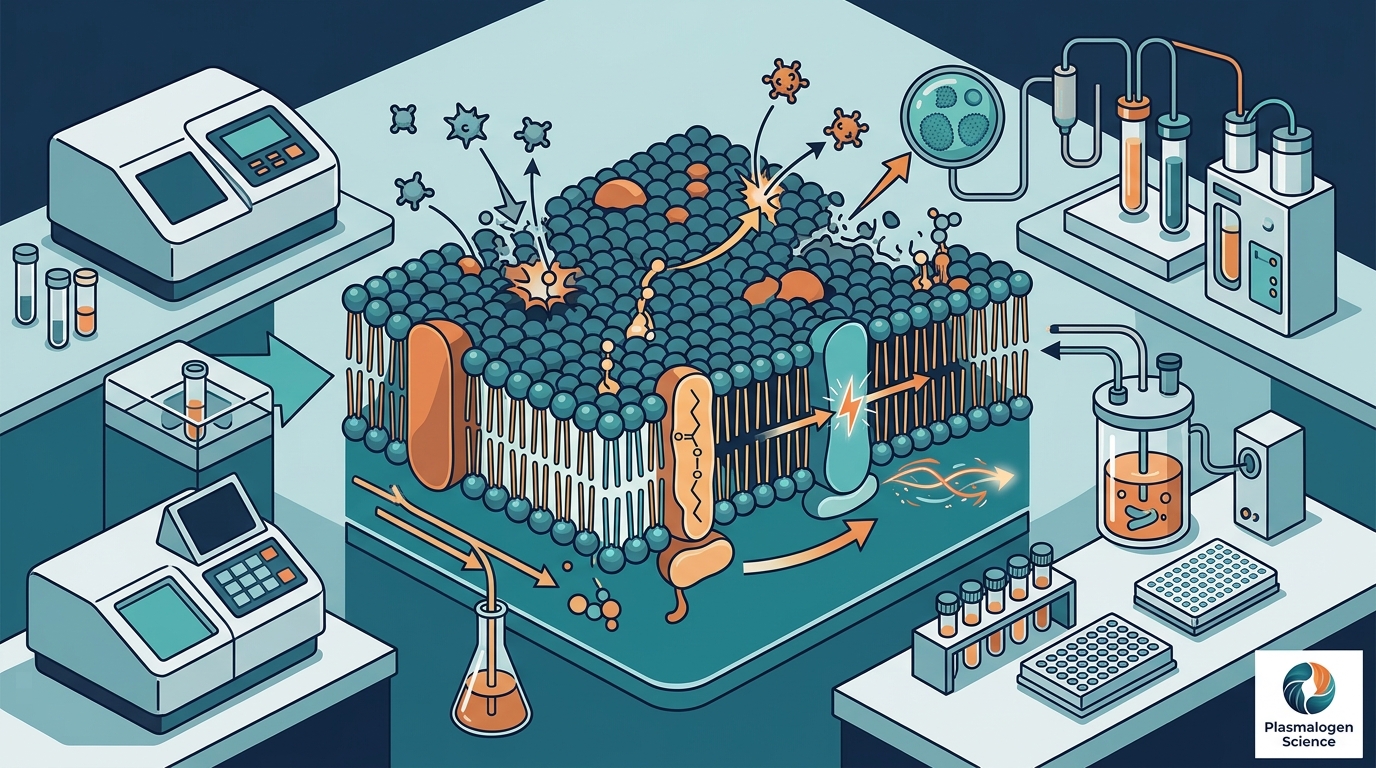
Plasmalogens are a rare class of phospholipids found in high concentrations in the brain, heart, and immune cells. Unlike standard phospholipids, plasmalogens contain a vinyl ether bond at the sn-1 position of the glycerol backbone. This chemical structure is unique because it allows the molecule to act as a sacrificial antioxidant. When free radicals attack the cell membrane, the plasmalogen absorbs the damage, protecting the more critical structural components of the cell.
The term plasmalogen is derived from their abundance in plasma membranes. They are not merely structural bricks but active participants in cellular signaling. They help regulate the fluidity of the membrane, ensuring that proteins embedded within it can function correctly. This fluidity is crucial for nerve impulse transmission and hormone receptor activity.
Research into what plasmalogens are reveals their evolutionary importance. They are present in almost all multicellular organisms, from simple animals to humans. This conservation suggests that their function is fundamental to life. They are synthesized in the peroxisomes, specialized organelles responsible for breaking down fatty acids and synthesizing complex lipids.
How Plasmalogens Work in the Body
The primary function of plasmalogens is to protect cells from oxidative stress. Oxidative stress occurs when there is an imbalance between free radicals and antioxidants in the body. Free radicals are unstable molecules that can damage DNA, proteins, and lipids. Plasmalogens neutralize these radicals by donating electrons, thereby stopping the chain reaction of damage.
Neurological Protection
The brain is particularly rich in plasmalogens. They are essential for the formation and maintenance of myelin, the protective sheath around nerve fibers. Myelin allows electrical signals to travel quickly and efficiently. Without sufficient plasmalogens, myelin integrity can be compromised, leading to slower nerve conduction and cognitive decline. The myelin and white matter rely on these lipids for structural stability.
Furthermore, plasmalogens support synapse function. Synapses are the junctions where neurons communicate. Proper synaptic function is required for memory, learning, and motor control. Plasmalogens help maintain the environment necessary for neurotransmitters to bind effectively to their receptors.
Cardiovascular Health
The heart also contains high levels of plasmalogens. These lipids help protect cardiac cells from the high oxidative stress generated by constant energy production. They support mitochondrial function, which is the power plant of the cell. By protecting mitochondria, plasmalogens ensure that the heart has the energy it needs to pump blood efficiently.
Health Implications of Low Plasmalogens
Plasmalogen levels naturally decline with age. This decline is not just a marker of aging but a contributor to the aging process itself. When plasmalogen levels drop, cells become more susceptible to damage. This vulnerability can lead to a variety of health issues.
Neurodegenerative Diseases
Studies have shown that individuals with Alzheimer's disease and other forms of dementia often have significantly lower plasmalogen levels in their brains. The loss of these lipids correlates with the accumulation of amyloid plaques and tau tangles, hallmarks of neurodegeneration. By understanding cognitive and neurological systems, researchers can better link lipid deficiency to brain health.
Metabolic and Immune Function
Plasmalogens also play a role in immune response. They help regulate inflammation, preventing it from becoming chronic. Chronic inflammation is a root cause of many diseases, including heart disease and diabetes. Additionally, plasmalogens are involved in bone and muscle health. Deficiencies can lead to reduced mobility and muscle weakness, particularly in older adults.
According to recent data on plasmalogen levels, the decline begins as early as middle age. This early decline suggests that preventive strategies may be more effective than reactive treatments. Maintaining plasmalogen levels could be key to preserving healthspan.
Measuring Plasmalogen Levels
Traditionally, plasmalogens were difficult to measure because they are unstable in standard laboratory conditions. However, advances in advanced health measurements have made it possible to quantify these lipids accurately. This is crucial for personalized medicine and longevity planning.
| Measurement Type | What It Reveals | Relevance to Health |
|---|---|---|
| Plasmalogen Biomarkers | Specific lipid concentrations in blood | Indicates oxidative stress risk |
| Lipidomics Profiling | Broad view of lipid metabolism | Identifies metabolic imbalances |
| Neuroimaging | Brain structure and function | Assesses myelin integrity |
| Cognitive Testing | Mental processing speed | Evaluates synaptic health |
Understanding plasmalogen levels allows for targeted interventions. If levels are low, dietary changes or supplementation may be recommended. This approach moves healthcare from symptom management to root cause resolution.
Biosynthesis and Nutritional Support
The body produces plasmalogens through a complex process called biosynthesis. This process requires several nutrients, including choline, ethanolamine, and specific fatty acids. The first steps occur in the peroxisomes, while the final steps happen in the endoplasmic reticulum.
As we age, the efficiency of this biosynthesis decreases. Genetic factors also play a role. Some individuals may have genetic variations that make them more prone to low plasmalogen levels. Understanding how the body produces plasmalogens helps identify potential bottlenecks in this pathway.
Nutritional support is critical. Diets rich in omega-3 fatty acids and antioxidants may support plasmalogen synthesis. However, direct supplementation is also being explored. Research into plasmalogen influence on cellular energy suggests that maintaining these levels can boost mitochondrial function.
Key Takeaways
- Plasmalogens are unique ether phospholipids that act as primary antioxidants in cell membranes.
- They are highly concentrated in the brain and heart, protecting these vital organs from oxidative damage.
- Low plasmalogen levels are associated with Alzheimer's disease, cardiovascular issues, and accelerated aging.
- Plasmalogen levels naturally decline with age, starting in middle adulthood.
- Advanced health measurements can now accurately quantify plasmalogen biomarkers for personalized care.
- Biosynthesis requires specific nutrients, and efficiency decreases as we get older.
- Maintaining plasmalogen levels may support myelin integrity and synaptic function.
Frequently Asked Questions
What is the main function of plasmalogens?
The main function of plasmalogens is to protect cell membranes from oxidative stress. They act as sacrificial antioxidants, neutralizing free radicals before they can damage DNA or proteins.
Where are plasmalogens found in the body?
Plasmalogens are found in all cell membranes but are particularly abundant in the brain, heart, and immune cells. These organs have high metabolic demands and require robust antioxidant protection.
Do plasmalogen levels decrease with age?
Yes, plasmalogen levels naturally decline with age. This decline is linked to increased oxidative stress and a higher risk of age-related diseases such as dementia and heart disease.
Can I test my plasmalogen levels?
Yes, advanced health measurements can now quantify plasmalogen levels. These tests help identify oxidative stress risks and guide personalized longevity strategies.
How does the body produce plasmalogens?
The body produces plasmalogens through a process called biosynthesis. This involves peroxisomes and the endoplasmic reticulum, requiring specific nutrients like choline and ethanolamine.
Are plasmalogens important for brain health?
Yes, plasmalogens are critical for brain health. They support myelin formation and synaptic function, which are essential for memory and cognitive performance.
What happens if plasmalogen levels are too low?
Low plasmalogen levels can lead to increased oxidative damage, inflammation, and cellular dysfunction. This can contribute to neurodegenerative diseases and metabolic disorders.
Contact Plasmalogen Science
Understanding plasmalogens is the first step toward optimizing your healthspan. At Plasmalogen Science, we provide the latest research and insights into lipid biology and longevity. To learn more about our mission and how we can help you, please contact us today. Visit our About This Project page to discover our commitment to advancing scientific knowledge.