

Steps to Optimize Plasmalogen Levels for Brain Cell Membrane Function
Plasmalogens are specialized ether phospholipids that serve as the primary antioxidant defense in cell membranes, particularly within the brain and nervous system. Recent research indicates that plasmalogen levels naturally decline with age, a process that correlates strongly with cognitive decline and neurodegenerative conditions. According to data from the National Institute on Aging, the loss of these critical lipids is a key factor in the aging brain's reduced ability to handle oxidative stress. Optimizing these levels is not merely about supplementation; it requires a comprehensive approach involving nutrient availability, metabolic support, and precise measurement. (About This Project Plasmalogen)
Understanding Plasmalogens and Brain Health
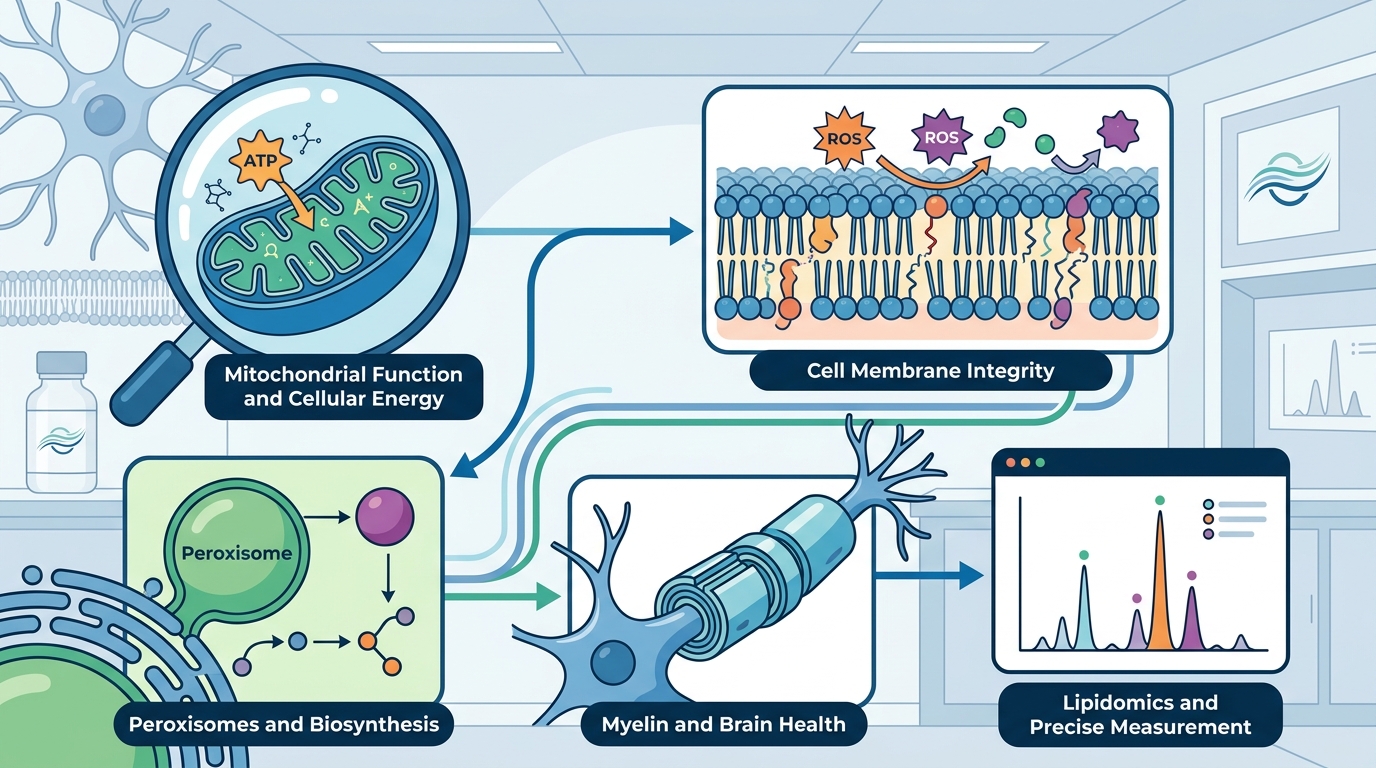
To optimize plasmalogen levels, one must first understand their biological role. Plasmalogens are specialized ether phospholipids found in high concentrations in the myelin sheath and cell membranes of the brain. They function as the first line of defense against oxidative damage, protecting delicate neural tissues from free radical injury. Without adequate plasmalogens, cell membranes become rigid and less permeable, impairing signal transmission and cellular repair. (How The Synapse Works)
The brain is uniquely vulnerable because it consumes a disproportionate amount of oxygen, generating significant oxidative byproducts. Plasmalogens sacrifice themselves to neutralize these radicals, preserving the integrity of the membrane. When levels drop, the brain loses its ability to maintain fluidity and protect itself from inflammation. This decline is not just a symptom of aging but a driver of neurological deterioration.
Research into plasmalogen biology reveals that these lipids are critical for synaptic function. A synapse is the communication site where one nerve cell passes information to another cell. Plasmalogens facilitate the release of neurotransmitters and the recycling of synaptic vesicles. When plasmalogen levels are low, synaptic communication slows, leading to cognitive fog, memory lapses, and reduced processing speed. Optimizing these levels is therefore essential for maintaining cognitive resilience.
Essential Nutrient Cofactors for Synthesis
The body produces plasmalogens through a complex biosynthetic pathway that requires specific nutrients. You cannot optimize levels without ensuring these cofactors are abundant. The synthesis begins in the peroxisomes and continues in the endoplasmic reticulum, requiring precise enzymatic activity.
Choline and Phosphatidylethanolamine
Choline is a fundamental building block for phosphatidylethanolamine (PE), the precursor to plasmalogens. PE is converted into plasmenylethanolamine, the direct precursor to plasmalogens. Insufficient choline intake limits the substrate available for this conversion. Foods rich in choline include egg yolks, liver, and cruciferous vegetables. For those with genetic variations affecting choline metabolism, targeted supplementation may be necessary to support the initial stages of plasmalogen synthesis.
B Vitamins and Methylation
Methylation is a critical process in lipid metabolism. Vitamin B12, folate, and B6 are essential for the methylation cycles that support the production of phospholipids. Poor methylation status can impair the body's ability to synthesize and recycle plasmalogens efficiently. Ensuring adequate B-vitamin intake supports the enzymatic pathways that convert dietary fats into functional membrane lipids.
Omega-3 Fatty Acids
While plasmalogens are distinct from omega-3s, these fatty acids work synergistically. DHA, a type of omega-3, is often incorporated into plasmalogen-rich membranes. This combination enhances membrane fluidity and reduces inflammation. Without sufficient omega-3s, even high plasmalogen levels may not fully support optimal brain cell membrane function. The interplay between these lipids is vital for maintaining the structural integrity of neural networks.
Dietary Sources and Bioavailability
Diet plays a pivotal role in plasmalogen status. While the body can synthesize some plasmalogens, dietary intake provides a direct source that bypasses the metabolic bottlenecks of endogenous production. However, not all sources are equally bioavailable.
Animal-Based Sources
Plasmalogens are found in high concentrations in animal tissues, particularly in the brain, heart, and bone marrow. Beef heart, chicken liver, and sardines are among the richest dietary sources. These foods provide pre-formed plasmalogens that can be directly incorporated into cell membranes. For individuals seeking to raise levels quickly, including these foods in the diet is a primary strategy.
Supplementation Considerations
For many, dietary intake alone may not be sufficient to reverse a deficiency, especially in aging populations. Plasmalogen supplements, often derived from bovine heart or synthesized through advanced lipid technology, offer a concentrated source. When selecting a supplement, purity and oxidation status are critical. Oxidized plasmalogens lose their antioxidant capacity and may contribute to oxidative stress rather than reduce it. High-quality supplements undergo rigorous testing to ensure stability and bioactivity.
Avoiding Lipid Oxidation
Consuming oxidized fats can deplete plasmalogen reserves. The body uses plasmalogens to neutralize dietary oxidants, effectively sacrificing itself to protect other tissues. Therefore, avoiding rancid oils, processed foods, and excessive heat-damaged fats is as important as adding plasmalogen-rich foods. This protective strategy preserves existing plasmalogen levels for their intended role in cellular defense.
Lifestyle Factors Influencing Levels
Optimization extends beyond diet and supplements. Lifestyle choices directly impact the body's ability to produce and retain plasmalogens. Chronic stress, poor sleep, and environmental toxins all accelerate plasmalogen depletion.
Managing Oxidative Stress
Oxidative stress is the primary driver of plasmalogen loss. When the body is under constant oxidative pressure, plasmalogens are consumed faster than they can be replaced. Antioxidant-rich diets, regular moderate exercise, and stress reduction techniques help lower the overall oxidative burden. This allows the body to redirect resources toward plasmalogen synthesis and repair.
Sleep and Glymphatic Clearance
Sleep is when the brain clears metabolic waste. During deep sleep, the glymphatic system removes toxins that accumulate during waking hours. Poor sleep quality increases oxidative stress in the brain, accelerating plasmalogen degradation. Prioritizing seven to nine hours of quality sleep supports the brain's natural repair mechanisms and helps maintain healthy lipid profiles.
Environmental Toxins
Exposure to heavy metals, pesticides, and air pollutants increases the demand for plasmalogens. These toxins generate free radicals that plasmalogens must neutralize. Reducing exposure through filtered water, organic produce, and clean air practices helps preserve plasmalogen levels. This proactive approach reduces the metabolic cost of detoxification, allowing the body to focus on cellular maintenance.
Measurement and Monitoring
You cannot optimize what you do not measure. Traditional blood tests often miss plasmalogen status because they do not include lipidomics panels. Advanced health measurement is required to assess plasmalogen levels accurately.
Lipidomics Testing
Lipidomics is the large-scale study of lipids in cells, tissues, and biological fluids. Specialized lipidomics panels can quantify plasmalogen species, such as PE-P and PE-O, in the blood. These tests provide a snapshot of plasmalogen status and help identify deficiencies before clinical symptoms appear. Regular monitoring allows for adjustments in supplementation and lifestyle to ensure levels remain in the optimal range.
Longitudinal Tracking
One-time testing provides limited insight. Longitudinal tracking, or monitoring levels over time, reveals trends and the effectiveness of interventions. Plasmalogen levels can fluctuate based on diet, stress, and health status. Tracking these changes helps refine the optimization strategy. For example, if levels drop during periods of high stress, it may indicate a need for increased antioxidant support.
Interpreting Results
Understanding plasmalogen results requires context. Levels vary by age, genetics, and overall health. Comparing results to age-matched norms provides a clearer picture of status. A decline in plasmalogen levels may signal increased oxidative stress or impaired synthesis. Addressing these underlying causes is key to restoring balance.
Key Takeaways
- Plasmalogens are specialized ether phospholipids that protect brain cell membranes from oxidative damage and support synaptic function.
- Choline and B vitamins are essential cofactors for the endogenous synthesis of plasmalogens, making their adequate intake critical.
- Animal tissues such as beef heart and chicken liver are the richest natural dietary sources of pre-formed plasmalogens.
- Oxidative stress is the primary driver of plasmalogen depletion, necessitating a lifestyle that minimizes free radical production.
- Lipidomics testing is the only reliable method to measure plasmalogen levels, as standard blood panels do not include these markers.
- Sleep quality directly impacts brain oxidative stress, influencing the rate of plasmalogen degradation and repair.
- Supplementation with high-quality, non-oxidized plasmalogens can help reverse deficiencies, especially in aging individuals.
Frequently Asked Questions
What are plasmalogens and why are they important for the brain?
Plasmalogens are a type of phospholipid found in high concentrations in the brain's cell membranes and myelin sheath. They are important because they act as antioxidants, protecting neural tissues from oxidative damage and supporting synaptic communication.
How can I naturally increase my plasmalogen levels?
You can increase plasmalogen levels by consuming foods rich in choline and B vitamins to support synthesis, eating animal tissues like heart and liver for pre-formed plasmalogens, and reducing oxidative stress through diet and lifestyle changes.
Can plasmalogen levels be tested in a standard blood draw?
No, standard blood tests do not measure plasmalogen levels. Specialized lipidomics testing is required to quantify specific plasmalogen species in the blood.
Do plasmalogen supplements work?
High-quality plasmalogen supplements can help raise blood levels and support brain health, particularly in individuals with deficiencies. However, the quality and oxidation status of the supplement are critical for efficacy.
What is the relationship between plasmalogens and aging?
Plasmalogen levels naturally decline with age. This decline is associated with increased oxidative stress, cognitive decline, and neurodegenerative diseases. Optimizing levels may help mitigate some age-related neurological changes.
How does oxidative stress affect plasmalogen levels?
Oxidative stress consumes plasmalogens as they neutralize free radicals. High levels of oxidative stress deplete plasmalogen reserves faster than the body can replace them, leading to lower overall levels.
Are there any risks to taking plasmalogen supplements?
Plasmalogen supplements are generally considered safe. However, low-quality supplements may be oxidized, which could potentially increase oxidative stress. It is important to choose reputable brands that test for purity and stability.
Can plasmalogen deficiency cause neurological symptoms?
Yes, low plasmalogen levels are associated with neurological symptoms such as memory loss, cognitive decline, and reduced synaptic function. In severe cases, genetic deficiencies can lead to serious neurological disorders.
Next Steps for Your Brain Health
Optimizing plasmalogen levels is a proactive step toward preserving cognitive function and brain health. By understanding the role of these critical lipids and implementing targeted dietary and lifestyle changes, you can support your brain's natural defense mechanisms. If you are interested in learning more about plasmalogen science and advanced health measurements, we invite you to explore our resources. Visit Plasmalogen Science to discover how you can take control of your brain health today. For personalized guidance, please contact our team to discuss your specific needs.