

Plasmalogens are specialized ether phospholipids that serve as critical structural components of cell membranes, particularly in the brain, heart, and immune system. Recent scientific analysis indicates that declining plasmalogen levels are strongly associated with accelerated biological aging and neurodegenerative conditions. According to current lipidomics research, plasmalogen concentrations in the human brain decrease significantly by age 60, creating a biological vulnerability that precedes clinical symptoms. This guide examines the clinical evidence, biological mechanisms, and diagnostic frameworks surrounding plasmalogen deficiency.
What Are Plasmalogens?
Plasmalogens are a unique class of phospholipids characterized by a vinyl-ether linkage at the sn-1 position of the glycerol backbone. This chemical structure distinguishes them from other membrane lipids and grants them specific functional properties. Plasmalogens are essential for maintaining membrane fluidity, protecting cells from oxidative damage, and facilitating cellular signaling.
These molecules are found in high concentrations in the myelin sheaths of nerve cells, the mitochondria of cardiac tissue, and the alveolar lining of the lungs. Their presence is not merely structural; they act as antioxidants, scavenging free radicals before they can damage DNA or protein structures. Without adequate plasmalogen levels, cellular integrity becomes compromised, leading to increased inflammation and reduced metabolic efficiency.
Understanding the fundamental nature of these lipids is the first step in recognizing why their deficiency matters. Plasmalogens are not optional supplements; they are vital biological requirements for long-term healthspan and cellular resilience.
The Biosynthesis Pathway
The production of plasmalogens is a complex, multi-step process that occurs primarily in the peroxisomes and the endoplasmic reticulum. This pathway is highly sensitive to genetic mutations and environmental stressors. When the biosynthesis pathway is disrupted, the body cannot produce sufficient quantities of these critical lipids.
Peroxisomal Function
Peroxisomes are small organelles responsible for breaking down very long-chain fatty acids and synthesizing ether lipids. If peroxisomal function is impaired, the initial steps of plasmalogen synthesis fail. This is evident in severe inherited disorders such as Zellweger spectrum disorders, where plasmalogen levels are virtually absent. These conditions highlight the absolute dependence of the body on peroxisomal health for lipid production.
Enzymatic Requirements
The synthesis requires specific enzymes, including alkyl-dihydroxyacetone phosphate synthase (ALKDH1L1) and plasmalogen synthase. These enzymes rely on adequate nutrient status, particularly choline, ethanolamine, and specific cofactors. As individuals age, the efficiency of these enzymatic pathways naturally declines, contributing to the observed drop in plasmalogen levels in older adults.
Clinical Deficiency States
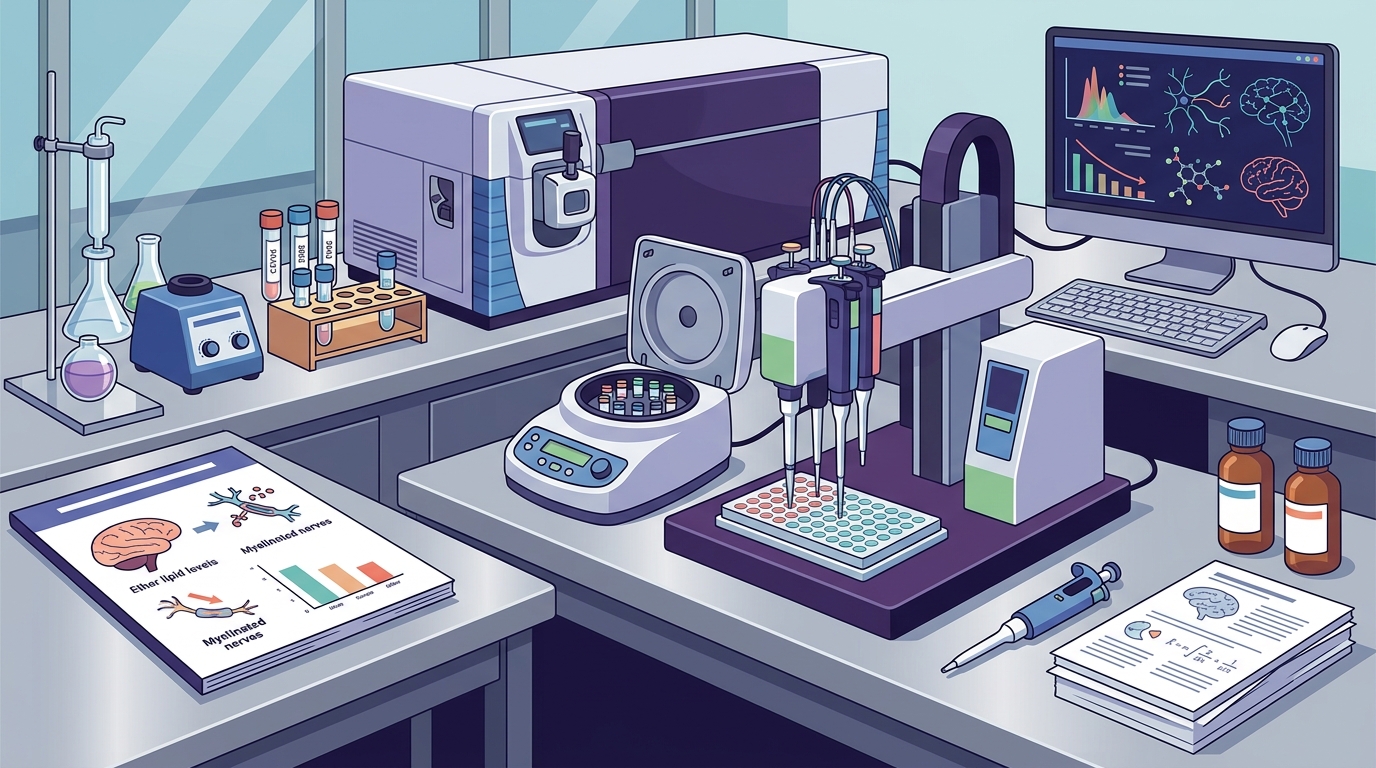
Plasmalogen deficiency is not a single disease but a biological state that manifests differently depending on the underlying cause. It can be genetic, metabolic, or age-related. Recognizing these states is crucial for accurate diagnosis and intervention.
Genetic Disorders
Inherited plasmalogen deficiencies are rare but severe. These conditions often present in infancy or childhood with significant developmental delays, skeletal abnormalities, and neurological decline. The body’s inability to produce plasmalogens leads to widespread cellular dysfunction, particularly in tissues with high energy demands like the brain and muscles.
Age-Related Decline
More common than genetic disorders is the gradual decline of plasmalogen levels due to aging. This decline is linked to increased oxidative stress and reduced peroxisomal activity. As plasmalogen levels drop, the body loses its ability to protect cell membranes from damage. This creates a vicious cycle where oxidative stress further impairs plasmalogen synthesis, accelerating the aging process.
Metabolic Dysfunction
Conditions such as insulin resistance and metabolic syndrome are also associated with altered lipid profiles, including reduced plasmalogen levels. The relationship between metabolic health and lipid biology is bidirectional. Poor metabolic function impairs lipid metabolism, while low plasmalogen levels exacerbate metabolic strain by reducing mitochondrial efficiency.
Neurological & Cognitive Impact
The brain is the most plasmalogen-rich organ in the body. Approximately 20% of the phospholipids in the brain are plasmalogens, with even higher concentrations in the white matter and myelin sheaths. This high concentration is necessary for rapid nerve signal transmission and cognitive function.
Myelin Integrity
Myelin is the protective sheath that surrounds nerve fibers, allowing electrical signals to travel quickly and efficiently. Plasmalogens are critical for the formation and maintenance of myelin. When plasmalogen levels are low, myelin integrity is compromised. This leads to slower nerve conduction, cognitive slowing, and increased susceptibility to neurodegenerative diseases.
Synaptic Function
Synapses are the junctions where nerve cells communicate. Plasmalogens play a direct role in synaptic plasticity, which is the brain’s ability to adapt and form new connections. Reduced plasmalogen levels are associated with impaired synaptic function, which is a hallmark of memory loss and learning difficulties. The brain’s ability to repair and maintain synapses depends heavily on the availability of these specialized lipids.
Neuroinflammation
Low plasmalogen levels are linked to increased neuroinflammation. Without adequate antioxidant protection, the brain becomes vulnerable to inflammatory responses that can damage neurons. Chronic neuroinflammation is a key driver of Alzheimer’s disease and other dementias. Maintaining plasmalogen levels may help mitigate this inflammatory burden.
Skeletal & Muscular Systems
Bones and muscles are often viewed as mechanical structures, but they are living tissues that rely on cellular health. Plasmalogen deficiency affects these systems by impairing cellular repair, energy production, and structural integrity.
Muscle Tone & Strength
In plasmalogen deficient diseases, muscle tone and strength are often compromised. The lack of functional plasmalogens in muscle cell membranes leads to reduced energy production and increased fatigue. This is particularly evident in severe genetic cases, where motor delays and reduced mobility are common symptoms.
Bone Mineralization
Bone health is also influenced by lipid biology. Plasmalogen deficiency can lead to abnormal bone mineralization patterns and reduced bone density. The skeletal system requires constant remodeling, a process that depends on healthy cellular function. When plasmalogen levels are low, bone formation and repair are impaired, leading to weaker bones and increased fracture risk.
Joint Mobility
Joint contractures and reduced mobility are frequent complications in severe plasmalogen deficiency. The connective tissues surrounding joints rely on healthy cell membranes for flexibility and strength. When these membranes are compromised, joints become stiff and less mobile, further reducing physical resilience and quality of life.
Measurement & Biomarkers
Traditional healthcare often focuses on symptoms after they become obvious. Advanced health measurement looks deeper, examining patterns in metabolism, inflammation, and lipid biology before conditions are formally identified. Plasmalogen measurement belongs in this advanced testing framework.
Advanced Lipidomics
Standard lipid panels do not measure plasmalogens. Advanced lipidomics testing is required to quantify specific phospholipid classes. This testing provides a detailed view of membrane health and oxidative stress status. It can reveal early biological changes that standard blood work misses.
Longitudinal Tracking
One-time testing provides a snapshot, but longitudinal tracking shows trends over time. Monitoring plasmalogen levels over months or years can reveal how lifestyle interventions, aging, or disease progression affect lipid biology. This data is crucial for personalized health strategies.
Diagnostic Criteria
There is no single universal cutoff for plasmalogen deficiency, as levels vary by age, tissue type, and individual biology. However, significant deviations from age-adjusted norms are indicative of underlying metabolic or genetic issues. Clinicians use these biomarkers in conjunction with clinical symptoms to form a complete diagnostic picture.
Key Takeaways
- Plasmalogens are specialized ether phospholipids essential for membrane integrity and antioxidant defense.
- Biosynthesis occurs in peroxisomes and the endoplasmic reticulum, requiring specific enzymes and nutrients.
- Severe genetic deficiencies, such as Zellweger spectrum disorders, cause profound plasmalogen absence.
- Age-related decline in plasmalogens is linked to increased oxidative stress and neurodegenerative risk.
- The brain contains high concentrations of plasmalogens, particularly in myelin and synapses.
- Skeletal and muscular systems suffer from reduced repair capacity and energy production in deficiency states.
- Advanced lipidomics testing is required to measure plasmalogen levels accurately.
- Longitudinal tracking of biomarkers provides more insight than single-time testing.
Frequently Asked Questions
What is the primary function of plasmalogens in the brain?
Plasmalogens are critical for maintaining the integrity of myelin sheaths and supporting synaptic plasticity, which are essential for cognitive function and nerve signal transmission.
How are plasmalogens produced in the body?
Plasmalogens are synthesized through a complex pathway involving peroxisomes and the endoplasmic reticulum, requiring specific enzymes and nutrient cofactors.
Can plasmalogen levels be measured in standard blood tests?
No, standard lipid panels do not measure plasmalogens. Advanced lipidomics testing is required to quantify these specific phospholipids.
What are the signs of low plasmalogen levels?
Signs may include cognitive slowing, reduced muscle tone, joint stiffness, and increased susceptibility to oxidative stress and inflammation.
Is plasmalogen deficiency genetic?
Yes, severe deficiency can be caused by genetic mutations affecting peroxisomal function, but levels also decline naturally with age and metabolic stress.
How does plasmalogen deficiency affect bones?
It can lead to abnormal bone mineralization and reduced bone density due to impaired cellular repair and remodeling processes.
What is the role of plasmalogens in muscle health?
Plasmalogens support muscle energy production and structural integrity, with deficiency leading to reduced strength and fatigue.
Why is longitudinal tracking important for plasmalogen health?
Tracking levels over time reveals trends in biological aging and the effectiveness of interventions, providing a more accurate health assessment.
Contact & Resources
Understanding plasmalogen biology is key to unlocking better health outcomes. For more information on how plasmalogens influence cellular energy, aging, and overall health, explore our comprehensive resources. We encourage you to review our detailed guides on advanced health measurements and cognitive neurological health.
If you have specific questions about plasmalogen science or need guidance on interpreting biomarker data, please reach out to our team. You can contact us directly via our contact page or learn more about the about this project initiative.
Stay informed about the latest research on plasmalogen science and how it impacts your long-term healthspan.