

Critical Membrane Function Standards for Plasmalogen-Dependent Brain Cell Health
Plasmalogens are specialized ether phospholipids that serve as the primary antioxidant defense in cell membranes, particularly within the brain and nervous system. Recent research indicates that plasmalogen levels naturally decline with age, a process that correlates with increased oxidative stress and cognitive decline. According to data from the National Institute on Aging, oxidative damage to lipids is a key driver of neurodegenerative diseases, highlighting the critical role of membrane integrity in long-term brain health. Understanding the specific standards for plasmalogen function is essential for anyone seeking to protect cognitive resilience and cellular vitality. (About This Project Plasmalogen)
What Are Plasmalogens and Why Do They Matter?
Plasmalogens are a unique class of phospholipids found in high concentrations in the brain, heart, and immune cells. Unlike standard phospholipids, plasmalogens contain a vinyl ether bond at the sn-1 position of the glycerol backbone. This chemical structure is not just a minor detail; it is the source of their unique biological function. Plasmalogen is defined as a glycerophospholipid containing a vinyl ether linkage at the sn-1 position and an ester linkage at the sn-2 position.
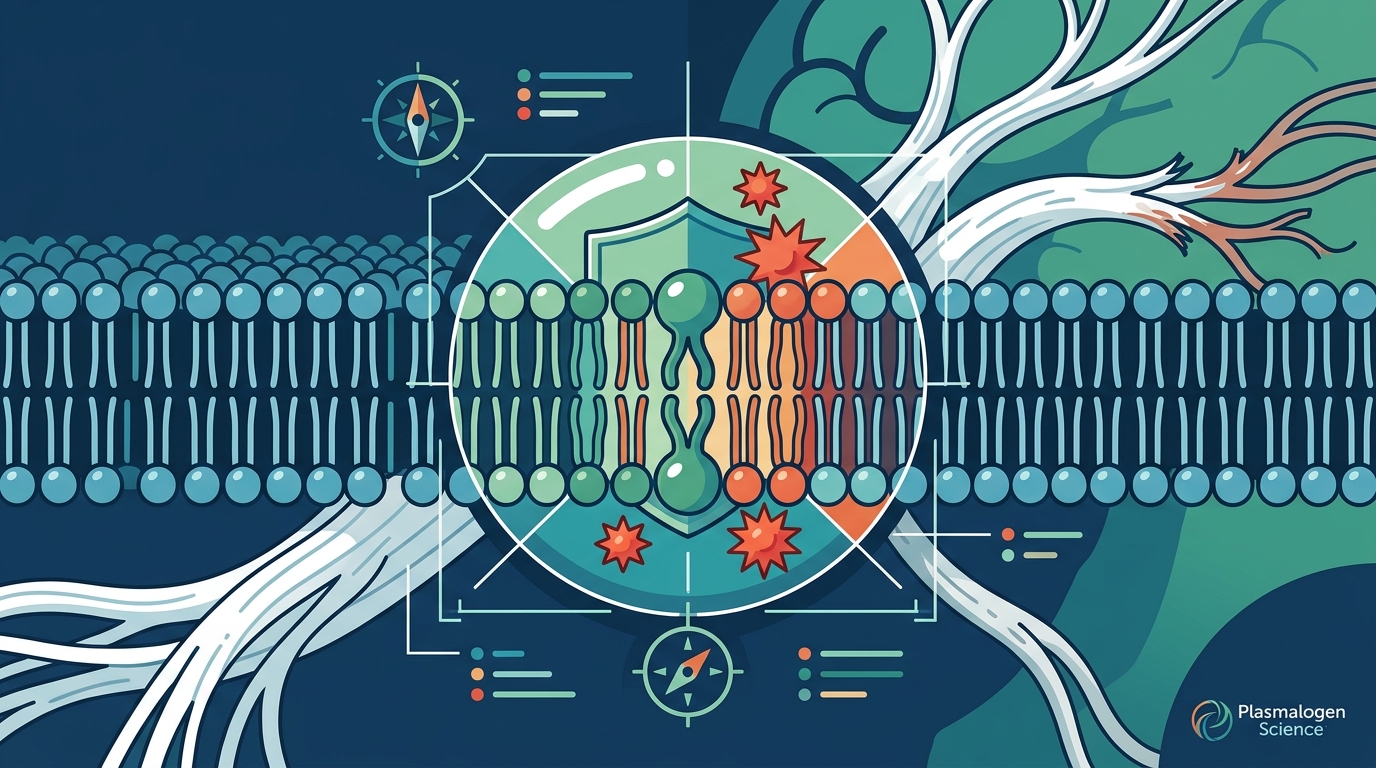
The vinyl ether bond acts as a sacrificial antioxidant. It preferentially reacts with reactive oxygen species (ROS) and free radicals, protecting the more vulnerable polyunsaturated fatty acids at the sn-2 position from oxidation. This mechanism is vital for brain cells, which have high metabolic rates and are constantly exposed to oxidative stress. Without adequate plasmalogens, cell membranes become fragile and prone to damage, leading to impaired cellular function.
The body produces plasmalogens through a complex biosynthetic pathway that involves both peroxisomes and mitochondria. This process requires specific nutrients, including choline, ethanolamine, and fatty acids. When this pathway is disrupted or when demand exceeds production, plasmalogen levels drop. This decline is not merely a symptom of aging but a contributing factor to the aging process itself. Understanding how the body produces plasmalogens is the first step in appreciating their critical role in health.
The Role of Plasmalogens in Membrane Structure
Cell membranes are not static barriers; they are dynamic, fluid structures that regulate what enters and exits the cell. Plasmalogens play a pivotal role in maintaining this fluidity and integrity. They influence membrane curvature, protein function, and signal transduction. A cell membrane is defined as a selectively permeable barrier composed of a lipid bilayer that encloses the cell's contents.
Plasmalogens help maintain the optimal fluidity of the membrane, ensuring that ion channels and receptors can function correctly. They also protect the membrane from oxidative damage, which can lead to lipid peroxidation and membrane rupture. In the brain, where neurons are highly interconnected and sensitive to environmental changes, this protection is non-negotiable. The myelin sheath, which insulates nerve fibers and speeds up signal transmission, is also rich in plasmalogens. How the myelin and white matter work in the brain and body relies heavily on the structural support provided by these specialized lipids.
When plasmalogen levels are low, membrane fluidity decreases, and oxidative damage increases. This can lead to impaired communication between cells, reduced nutrient uptake, and increased inflammation. These changes are often subtle at first but can accumulate over time, leading to significant functional decline. Advanced health measurement can help identify these early changes before they become clinically apparent.
Plasmalogens and Synaptic Communication
The brain is a network of billions of neurons that communicate through synapses. A synapse is the communication site where one nerve cell passes information to another cell. This process is highly dependent on the integrity of the pre-synaptic and post-synaptic membranes. Plasmalogens are concentrated in these synaptic regions, where they facilitate the release and reception of neurotransmitters.
Plasmalogens influence the function of neurotransmitter receptors, such as NMDA and AMPA receptors, which are critical for learning and memory. They also protect these receptors from oxidative damage, ensuring that synaptic signaling remains efficient. How the synapse works in the brain and body involves a complex interplay of electrical and chemical signals, all of which are modulated by the lipid environment. When plasmalogen levels are adequate, synaptic plasticity is maintained, allowing the brain to adapt and learn. When levels are low, synaptic function can become impaired, leading to cognitive deficits.
Research suggests that plasmalogen deficiency is linked to neurodegenerative conditions such as Alzheimer's disease. In these conditions, the loss of plasmalogens contributes to the accumulation of amyloid-beta plaques and tau tangles, which are hallmarks of the disease. By maintaining plasmalogen levels, it may be possible to support synaptic health and delay the onset of cognitive decline. Understanding the metabolic system's role in plasmalogen deficient diseases is crucial for developing effective interventions.
Standards for Measuring Plasmalogen Levels
Traditionally, plasmalogens have been difficult to measure because they are unstable and easily oxidized during sample processing. However, advances in lipidomics have made it possible to accurately quantify plasmalogen levels in blood and other tissues. These measurements provide a window into the body's antioxidant capacity and membrane health.
Standard lipid panels do not include plasmalogen measurements. To assess plasmalogen status, specialized testing is required. This testing typically involves mass spectrometry to identify and quantify specific plasmalogen species. The results can reveal whether an individual has adequate plasmalogen levels or if they are deficient. Understanding plasmalogen levels is essential for personalized health strategies.
Longitudinal tracking of plasmalogen levels can provide valuable insights into how lifestyle interventions, such as diet and supplementation, affect membrane health over time. A single measurement may not tell the whole story, as levels can fluctuate based on recent dietary intake and oxidative stress. Therefore, advanced health measurements should be viewed as part of a broader strategy for monitoring health and longevity.
Impacts of Low Plasmalogen Levels on Brain Health
Low plasmalogen levels are associated with a range of health issues, particularly those affecting the brain and nervous system. These impacts are not limited to neurodegenerative diseases but can also affect mood, energy levels, and overall well-being. How cognitive and neurological systems are affected in plasmalogen deficient diseases can vary depending on the severity and duration of the deficiency.
In severe inherited disorders, such as Rhizomelic Chondrodysplasia Punctata (RCDP), plasmalogen deficiency is present from birth and leads to severe skeletal, muscular, and neurological abnormalities. These conditions highlight the critical importance of plasmalogens in development and function. In more common, age-related decline, the effects are subtler but still significant. Signs of low plasmalogens may include brain fog, fatigue, and increased susceptibility to oxidative stress.
It is important to note that plasmalogen deficiency is not just a result of aging but can be exacerbated by lifestyle factors such as poor diet, chronic stress, and environmental toxins. Addressing these factors can help support plasmalogen production and protect brain health. How bones and muscle are affected in plasmalogen deficient diseases also underscores the systemic nature of this lipid's importance.
Key Takeaways
- Plasmalogens are specialized ether phospholipids that serve as the primary antioxidant defense in cell membranes.
- They are concentrated in the brain, heart, and immune cells, where they protect against oxidative damage.
- Plasmalogen levels naturally decline with age, contributing to increased oxidative stress and cognitive decline.
- Plasmalogens are essential for maintaining membrane fluidity and synaptic communication.
- Standard lipid panels do not measure plasmalogens; specialized lipidomics testing is required.
- Low plasmalogen levels are associated with neurodegenerative diseases and other health issues.
- Advanced health measurement can help identify early signs of plasmalogen deficiency.
Frequently Asked Questions
What are plasmalogens and why are they important?
Plasmalogens are a unique class of phospholipids found in high concentrations in the brain and nervous system. They are important because they serve as the primary antioxidant defense in cell membranes, protecting against oxidative damage and maintaining membrane integrity.
How do plasmalogens support brain health?
Plasmalogens support brain health by protecting synaptic membranes from oxidative damage, facilitating neurotransmitter release, and maintaining membrane fluidity. This ensures efficient communication between neurons and supports cognitive function.
Can plasmalogen levels be measured?
Yes, plasmalogen levels can be measured using specialized lipidomics testing. Standard lipid panels do not include plasmalogen measurements, so advanced testing is required to assess plasmalogen status.
What causes low plasmalogen levels?
Low plasmalogen levels can be caused by aging, genetic factors, poor diet, chronic stress, and environmental toxins. The body's ability to produce plasmalogens declines with age, and lifestyle factors can exacerbate this decline.
How can I support plasmalogen production?
Supporting plasmalogen production involves consuming a diet rich in the necessary precursors, such as choline and ethanolamine, and reducing oxidative stress through lifestyle interventions. Advanced health measurements can help monitor progress.
Are plasmalogens only important for the brain?
No, plasmalogens are important for many organs, including the heart, immune system, and muscles. They play a critical role in maintaining the health and function of cell membranes throughout the body.
What is the link between plasmalogens and Alzheimer's disease?
Research suggests that plasmalogen deficiency is linked to Alzheimer's disease. Low plasmalogen levels contribute to the accumulation of amyloid-beta plaques and tau tangles, which are hallmarks of the disease.
Explore Advanced Health Measurements
Understanding your plasmalogen status is a powerful step toward protecting your brain health and longevity. At Plasmalogen Science, we provide comprehensive resources and advanced health measurements to help you understand and optimize your plasmalogen levels. Explore our advanced health measurement guides to learn more about how you can monitor and support your cellular health. Contact us today to schedule a consultation and take the first step toward a healthier future.