

Plasmalogens are specialized ether phospholipids that serve as critical components of cell membranes throughout the human body. Recent advancements in lipidomics have revealed that these molecules are not merely structural elements but active regulators of cellular resilience, mitochondrial function, and neurological health. As the field of longevity medicine shifts from reactive disease treatment to proactive biological optimization, the measurement of plasmalogen levels has emerged as a pivotal biomarker for assessing healthspan. (Home Plasmalogen Science)
Traditional healthcare models often focus on symptoms that appear only after significant biological damage has occurred. In contrast, advanced health measurement examines the underlying patterns of metabolism, inflammation, and cellular energy long before clinical disease manifests. This guide explores the science of plasmalogens, their role in aging, and how modern testing methodologies are transforming our understanding of human biology. (How Bones amp Muscle)
What Are Plasmalogens?
Plasmalogens are a unique class of phospholipids characterized by a vinyl-ether bond at the sn-1 position of the glycerol backbone. This chemical structure distinguishes them from other common lipids like phosphatidylcholine or phosphatidylethanolamine. They are found in high concentrations in specific tissues, including the brain, heart, and skeletal muscle, where membrane integrity and rapid signaling are essential.
These molecules are synthesized in the peroxisomes and mitochondria of cells. The process involves complex enzymatic pathways that attach ether-linked fatty acids to the glycerol backbone. This biosynthesis is highly sensitive to nutritional status, genetic factors, and age. As we age, the efficiency of this pathway declines, leading to lower plasmalogen levels in many individuals.
Plasmalogens are not just passive building blocks. They play active roles in protecting cells from oxidative stress. The vinyl-ether bond acts as a sacrificial antioxidant, neutralizing reactive oxygen species before they can damage DNA or proteins. This protective function is vital for maintaining the longevity of cells in high-metabolic tissues.
How Plasmalogens Work in the Body
The function of plasmalogens extends far beyond membrane structure. They are integral to the formation of lipid rafts, which are specialized microdomains in the cell membrane that facilitate protein signaling. These rafts are crucial for neurotransmitter release, immune response, and cellular communication.
In the brain, plasmalogens are essential for the formation and maintenance of myelin sheaths. Myelin is the fatty insulation that surrounds nerve fibers, allowing electrical signals to travel quickly and efficiently. Without adequate plasmalogen levels, myelin integrity can be compromised, leading to slower neural transmission and cognitive decline.
Plasmalogens also influence mitochondrial function. Mitochondria are the powerhouses of the cell, generating the energy required for all biological processes. By maintaining membrane fluidity and protecting against oxidative damage, plasmalogens ensure that mitochondria can operate at peak efficiency. This is particularly important for tissues with high energy demands, such as the heart and muscles.
Furthermore, plasmalogens are involved in the regulation of inflammation. They help modulate the immune response, preventing excessive inflammation that can lead to tissue damage. This anti-inflammatory role is critical in the context of aging, where chronic low-grade inflammation, often referred to as inflammaging, is a key driver of age-related diseases.
Plasmalogens and Healthspan
Healthspan refers to the number of years lived in good health, free from chronic disease and disability. Unlike lifespan, which simply measures the duration of life, healthspan focuses on the quality of those years. Plasmalogens are central to extending healthspan because they support the biological systems that maintain vitality.
Research indicates that plasmalogen levels decline with age. This decline is not just a marker of aging but a contributor to the aging process itself. Lower plasmalogen levels are associated with reduced cellular resilience, increased oxidative stress, and impaired mitochondrial function. By maintaining or restoring plasmalogen levels, it may be possible to slow down these age-related declines.
The impact of plasmalogens on cognitive health is particularly significant. Studies have shown that lower plasmalogen levels are linked to an increased risk of neurodegenerative diseases such as Alzheimer's disease. In these conditions, the brain's ability to repair and maintain its membranes is compromised, leading to neuronal loss and cognitive impairment.
Cardiovascular health is another area where plasmalogens play a vital role. The heart relies heavily on membrane integrity for proper electrical signaling and contraction. Plasmalogens help maintain the structural stability of cardiac cell membranes, supporting heart function and reducing the risk of arrhythmias and other cardiac issues.
Measurement and Testing
Understanding plasmalogen levels requires advanced health measurement techniques. Traditional lipid panels do not measure plasmalogens. They typically focus on cholesterol and triglycerides, which are important but do not provide insight into membrane lipid composition or oxidative stress status.
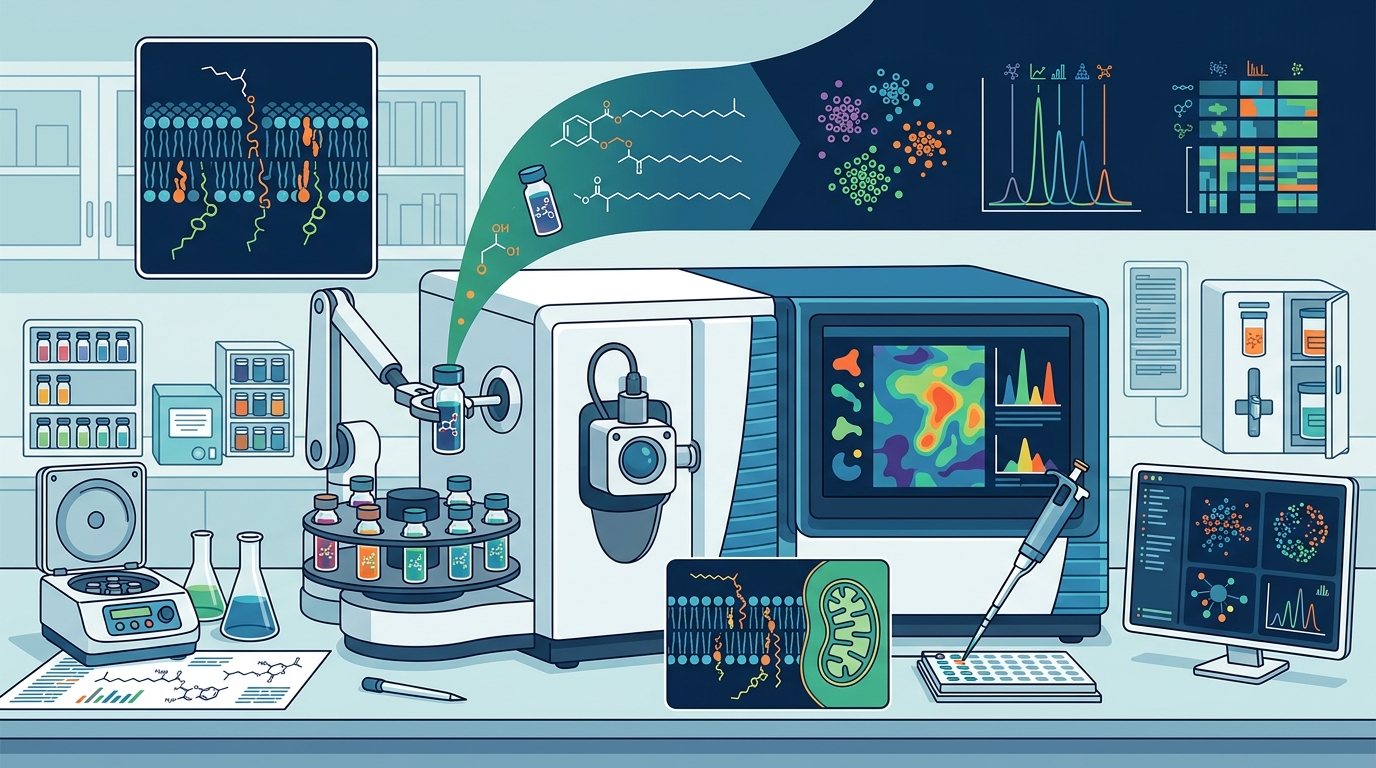
Advanced lipidomics uses mass spectrometry to quantify specific lipid species, including plasmalogens. This method provides a detailed profile of an individual's lipid biology, revealing imbalances that standard tests miss. By measuring plasmalogen levels, clinicians can assess an individual's oxidative stress burden and membrane health.
Longitudinal tracking is more powerful than one-time testing. Monitoring plasmalogen levels over time allows for the observation of trends and the evaluation of interventions. This approach enables personalized health strategies that adapt to the individual's changing biological needs.
Testing for plasmalogens is part of a broader panel of advanced biomarkers. These may include markers of inflammation, metabolic function, and hormonal balance. Together, these markers provide a comprehensive view of health and longevity potential.
Plasmalogens in Health and Disease
Plasmalogen deficiency is not limited to rare genetic disorders. It is increasingly recognized as a factor in common age-related conditions. In plasmalogen deficient diseases, the body's ability to produce these critical lipids is impaired, leading to severe systemic effects.
One such condition is Rhizomelic Chondrodysplasia Punctata (RCDP), a rare genetic disorder that affects bone and muscle development. In RCDP, the deficiency of plasmalogens leads to skeletal abnormalities, joint contractures, and motor delays. This highlights the critical role of plasmalogens in tissue development and repair.
In more common contexts, low plasmalogen levels are associated with cognitive decline, cardiovascular disease, and muscle wasting. These conditions share a common underlying mechanism: the loss of cellular resilience and the accumulation of oxidative damage.
Understanding the link between plasmalogens and disease offers new avenues for prevention and treatment. By identifying individuals with low plasmalogen levels early, interventions can be implemented to support membrane health and reduce disease risk.
Key Takeaways
- Plasmalogens are specialized ether phospholipids essential for cell membrane integrity and function.
- They act as sacrificial antioxidants, protecting cells from oxidative stress and damage.
- Plasmalogen levels naturally decline with age, contributing to reduced cellular resilience.
- Advanced lipidomics testing is required to measure plasmalogen levels accurately.
- Low plasmalogen levels are linked to cognitive decline, cardiovascular issues, and muscle wasting.
- Longitudinal tracking of biomarkers provides a more accurate picture of healthspan than standard testing.
- Supporting plasmalogen biosynthesis is a key strategy in longevity medicine.
Frequently Asked Questions
What is the primary function of plasmalogens?
Plasmalogens are primarily responsible for maintaining cell membrane integrity, facilitating cellular signaling, and protecting cells from oxidative stress through their unique vinyl-ether bond.
How are plasmalogens measured?
Plasmalogens are measured using advanced lipidomics techniques, specifically mass spectrometry, which quantifies specific lipid species in blood or tissue samples.
Why do plasmalogen levels decline with age?
Plasmalogen levels decline due to reduced efficiency in peroxisomal and mitochondrial biosynthesis pathways, increased oxidative stress, and nutritional factors that impair lipid metabolism.
Can plasmalogen levels be restored?
While direct supplementation is complex, supporting the body's biosynthesis through nutrition, lifestyle changes, and targeted interventions may help maintain or improve plasmalogen levels.
What diseases are linked to low plasmalogen levels?
Low plasmalogen levels are associated with neurodegenerative diseases like Alzheimer's, cardiovascular disease, muscle wasting, and rare genetic disorders like Rhizomelic Chondrodysplasia Punctata.
Is standard cholesterol testing sufficient for health assessment?
No, standard cholesterol testing does not measure plasmalogens or membrane lipid composition, which are critical indicators of cellular health and oxidative stress.
What is the difference between lifespan and healthspan?
Lifespan is the total duration of life, while healthspan is the period of life spent in good health, free from chronic disease and disability.
How does oxidative stress affect plasmalogens?
Oxidative stress depletes plasmalogens as they act as sacrificial antioxidants. High oxidative stress can lead to lower plasmalogen levels and reduced cellular protection.
Get Started with Advanced Measurement
Understanding your plasmalogen levels is the first step toward optimizing your healthspan. By leveraging advanced health measurement, you can gain insights into your cellular resilience and take proactive steps to support your long-term vitality.
Explore our comprehensive resources on What Are Plasmalogens to deepen your understanding of this critical biomarker. Learn more about How They Work in the body and the importance of Plasmalogens and Health.
Discover the latest in Measurement and Testing and how it applies to Plasmalogens in Health and Disease. For more information on our mission, visit our About This Project page.
Contact our team today to discuss how advanced plasmalogen science can support your health goals. Visit our Contact page to get started.