

Plasmalogens are specialized ether phospholipids that serve as critical structural and functional components of cell membranes throughout the human body. These unique molecules are found in high concentrations in the brain, heart, and immune system, where they play a vital role in protecting cells from oxidative damage and supporting membrane fluidity. Recent research into advanced health measurements highlights that plasmalogen levels may decline with age, potentially impacting longevity and cellular resilience. Understanding how these lipids function is essential for anyone interested in proactive health optimization and biological aging.
What Are Plasmalogens?
Plasmalogens are a specific class of phospholipids characterized by a unique vinyl-ether linkage at the sn-1 position of the glycerol backbone. This chemical structure distinguishes them from other phospholipids like phosphatidylcholine or phosphatidylethanolamine. Plasmalogens are essential for maintaining the integrity and function of cell membranes. They are synthesized in the peroxisomes, specialized organelles within cells responsible for breaking down very long-chain fatty acids and synthesizing ether lipids.
These molecules are not merely structural; they are dynamic participants in cellular signaling and protection. They are particularly abundant in tissues with high metabolic demands, such as the brain and heart. The brain contains some of the highest concentrations of plasmalogens in the body, reflecting their importance in neural function and cognitive health. Without adequate plasmalogen levels, cell membranes may become less fluid and more susceptible to damage from free radicals.
Research into plasmalogen biology has revealed their role in various physiological processes. They help regulate membrane protein function, influence signal transduction pathways, and protect against oxidative stress. This makes them a key area of interest in the study of aging and age-related diseases. For more detailed information on the chemical structure and biosynthesis of these lipids, you can explore what plasmalogens are on our dedicated science page.
How Plasmalogens Work in the Body
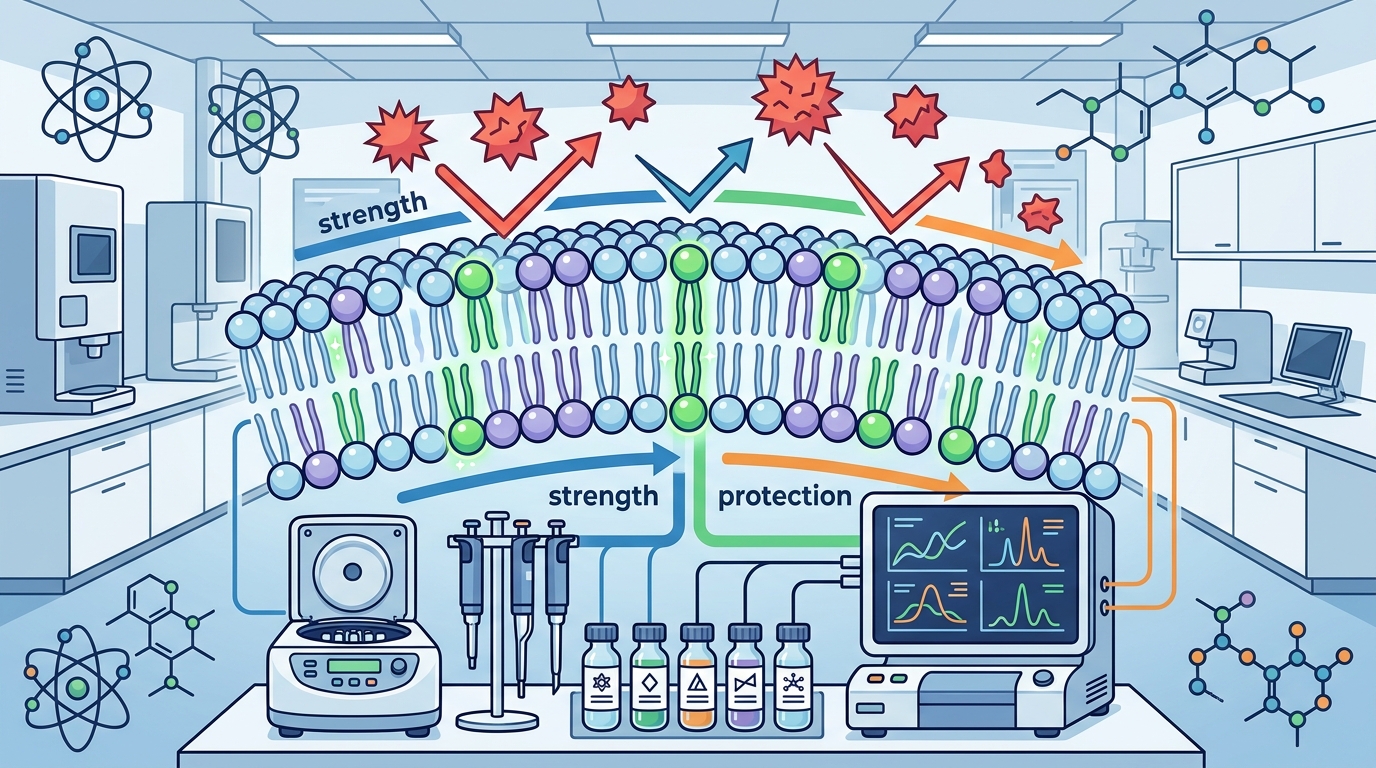
The function of plasmalogens is deeply intertwined with the health of cell membranes. Cell membranes are the protective barriers that surround every cell in the body. They regulate what enters and exits the cell, maintain cellular shape, and facilitate communication between cells. Plasmalogens contribute to this by influencing membrane fluidity, which is crucial for the proper functioning of membrane proteins and receptors.
Protection Against Oxidative Stress
One of the most critical roles of plasmalogens is their ability to act as antioxidants. The vinyl-ether linkage in plasmalogens is highly susceptible to oxidation, meaning they can sacrifice themselves to neutralize free radicals. This protective mechanism helps prevent damage to other essential cellular components, such as DNA and other lipids. By absorbing oxidative stress, plasmalogens help preserve cellular integrity and function.
Supporting Brain Health
The brain is a major consumer of oxygen and a significant producer of free radicals. Plasmalogens are vital in this environment, protecting neurons from oxidative damage. They also play a role in synaptic function, which is essential for memory and learning. How the synapse works in the brain is closely linked to the lipid environment provided by plasmalogens. When plasmalogen levels are optimal, synaptic communication can occur more efficiently, supporting cognitive health.
Immune System Regulation
Plasmalogens are also involved in immune system function. They help regulate inflammation and support the activity of immune cells. By modulating inflammatory responses, plasmalogens may help prevent chronic inflammation, which is a key driver of many age-related diseases. This regulatory role highlights the importance of plasmalogens in maintaining overall health and resilience.
Plasmalogens and Health Implications
Declining plasmalogen levels have been associated with various health conditions, particularly those related to aging. Research suggests that as we age, our bodies may produce fewer plasmalogens, leading to increased vulnerability to oxidative stress and cellular damage. This decline may contribute to the development of neurodegenerative diseases, cardiovascular issues, and immune dysfunction.
Neurological Health
Neurodegenerative diseases such as Alzheimer's disease have been linked to reduced plasmalogen levels in the brain. Studies indicate that plasmalogen deficiency may impair neuronal function and accelerate cognitive decline. By maintaining healthy plasmalogen levels, it may be possible to support brain health and reduce the risk of cognitive impairment. For more insights on cognitive and neurological systems, visit our health resources.
Cardiovascular Function
The heart also relies heavily on plasmalogens for its function. These lipids help protect cardiac cells from oxidative damage and support energy production. Low plasmalogen levels have been observed in patients with heart failure, suggesting a potential link between plasmalogen deficiency and cardiovascular disease. Supporting plasmalogen health may be beneficial for heart health and overall vitality.
Bone and Muscle Health
While less commonly discussed, plasmalogens also play a role in bone and muscle health. They support the function of bone-forming cells and muscle fibers, contributing to structural integrity and repair. In plasmalogen deficient diseases, skeletal and muscular abnormalities can occur, highlighting the importance of these lipids in musculoskeletal health. Learn more about how bones and muscle are affected in our detailed guide.
Measuring Plasmalogen Levels
Understanding your plasmalogen status is becoming an increasingly important aspect of advanced health measurement. Traditional blood tests often do not include plasmalogen levels, so specialized testing is required. Advanced health measurements look deeper into biomarkers that reveal early biological patterns, including lipid profiles and oxidative stress indicators.
Advanced Health Measurements
Advanced health measurement is changing how health and longevity are understood. It examines patterns in metabolism, inflammation, cellular energy, and lipid biology. The importance of advanced health measurements lies in their ability to detect subtle changes before they become clinical issues. Plasmalogen measurement is a key component of this approach, providing insight into membrane health and cellular resilience.
Interpreting Results
When interpreting plasmalogen levels, it is important to consider individual factors such as age, diet, and lifestyle. Low plasmalogen levels may indicate increased oxidative stress or impaired peroxisomal function. However, they are just one piece of the health puzzle. A comprehensive assessment of healthspan requires looking at multiple biomarkers and their interactions. For a deeper dive into plasmalogen levels and what they mean, explore our measurement resources.
Key Takeaways
- Plasmalogens are specialized ether phospholipids found in high concentrations in the brain and heart.
- They protect cell membranes from oxidative stress and support membrane fluidity.
- Declining plasmalogen levels are associated with aging and age-related diseases.
- Advanced health measurements can help detect plasmalogen deficiency early.
- Supporting plasmalogen health may benefit cognitive, cardiovascular, and musculoskeletal health.
- Plasmalogens are synthesized in peroxisomes, making peroxisomal health crucial.
- Regular monitoring of lipid profiles is recommended for proactive health management.
Frequently Asked Questions
What are plasmalogens and why are they important?
Plasmalogens are a type of phospholipid with a unique chemical structure that protects cell membranes from damage. They are important because they support brain health, heart function, and immune system regulation.
How do plasmalogens protect against oxidative stress?
Plasmalogens act as antioxidants by neutralizing free radicals. Their unique vinyl-ether linkage is highly reactive to oxidation, allowing them to sacrifice themselves to protect other cellular components.
Can plasmalogen levels be measured through blood tests?
Yes, plasmalogen levels can be measured through specialized blood tests. These tests are part of advanced health measurements that look at lipid profiles and biomarkers of cellular health.
What happens when plasmalogen levels are low?
Low plasmalogen levels may lead to increased oxidative stress, impaired cellular function, and a higher risk of age-related diseases. They can affect brain, heart, and muscle health.
How does aging affect plasmalogen levels?
As we age, our bodies may produce fewer plasmalogens. This decline can contribute to reduced cellular resilience and increased vulnerability to damage.
Are there dietary ways to support plasmalogen health?
While the body synthesizes plasmalogens, certain nutrients support the process. A balanced diet rich in healthy fats and antioxidants may help maintain plasmalogen levels.
What is the link between plasmalogens and longevity?
Plasmalogens support cellular health and resilience, which are key components of healthspan. Maintaining healthy plasmalogen levels may contribute to a longer, healthier life.
Take Control of Your Cellular Health
Understanding plasmalogens is the first step toward building resilience and supporting your long-term health. By exploring advanced health measurements and learning about the science of cellular function, you can make informed decisions about your well-being. Visit Plasmalogen Science to discover more about how these vital lipids impact your health and how you can optimize your biological aging process.