

Plasmalogens are specialized ether phospholipids that serve as the primary antioxidant defense in cell membranes, particularly within the brain and heart. Recent clinical observations indicate that declining plasmalogen levels are not merely a symptom of aging but a driver of cellular dysfunction. According to data from advanced lipidomics research, individuals with neurodegenerative conditions often exhibit plasmalogen levels that are significantly lower than age-matched controls. This guide examines the biological case for plasmalogen deficiency, detailing how membrane integrity fails and how targeted intervention supports recovery. (About This Project Plasmalogen)
What Are Plasmalogens?
Plasmalogens are a unique class of phospholipids characterized by a vinyl-ether bond at the sn-1 position of the glycerol backbone. This chemical structure is critical because it allows the molecule to act as a sacrificial antioxidant, absorbing free radicals to protect the more vulnerable polyunsaturated fatty acids at the sn-2 position. Without this protection, cell membranes become rigid, leaky, and prone to oxidative damage. (How Bones amp Muscle)
These molecules are most abundant in tissues with high metabolic rates and electrical activity. The brain relies on plasmalogens for synaptic plasticity and myelin sheath stability. The heart depends on them for electrical conduction and contractile efficiency. When plasmalogen synthesis declines, these tissues suffer first. Understanding the biological foundation is essential before analyzing specific deficiency cases.
Cellular Mechanisms of Deficiency
To understand the case of plasmalogen deficiency, one must look at the cell membrane. A cell membrane is a dynamic lipid bilayer that regulates what enters and exits the cell. It is not a static wall but a fluid environment where proteins float and signals are transmitted. Plasmalogens maintain the fluidity and structural integrity of this bilayer.
Oxidative Stress and Membrane Integrity
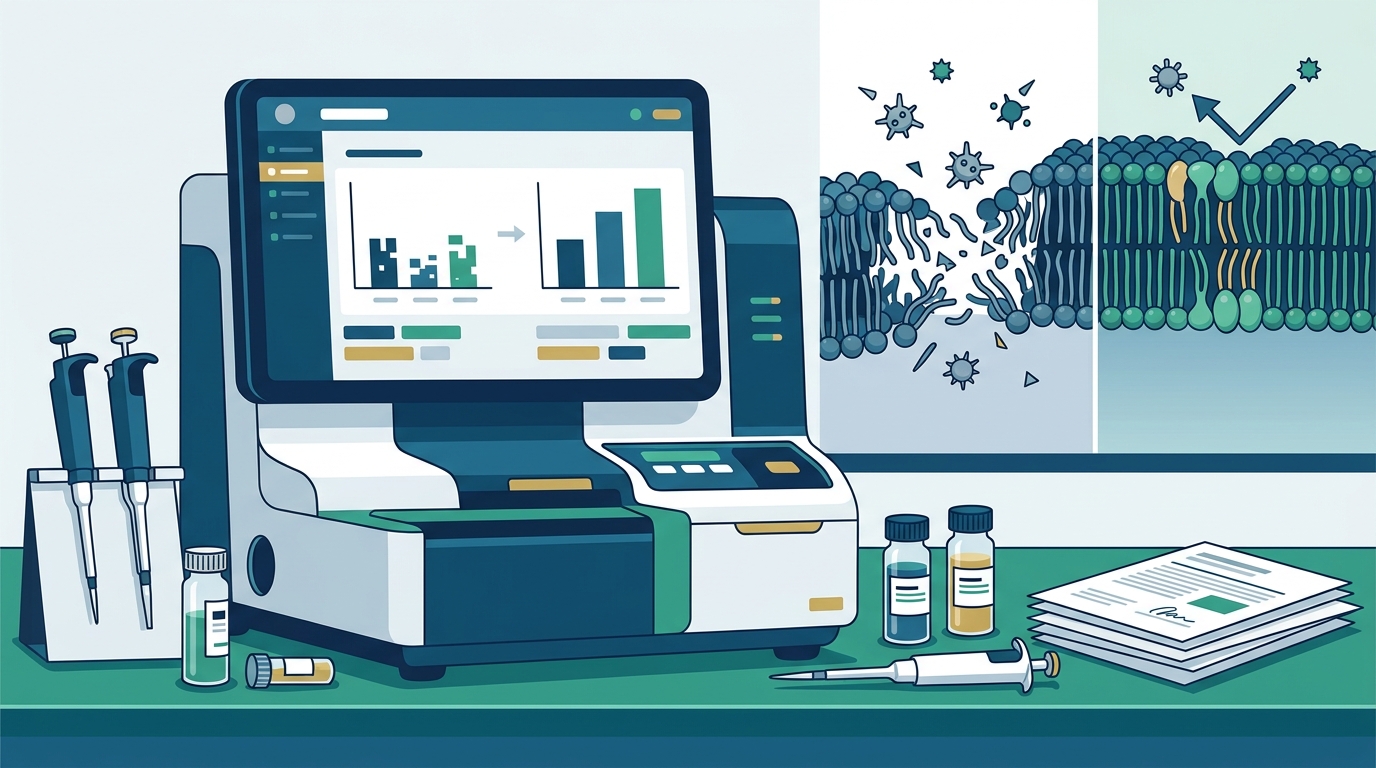
When plasmalogen levels drop, the cell loses its primary line of defense against oxidative stress. Reactive oxygen species (ROS) begin to attack the polyunsaturated fatty acids in the membrane. This process, known as lipid peroxidation, creates toxic byproducts that further damage cellular components. The membrane becomes less flexible, impairing nutrient transport and waste removal. This cellular stress accumulates over time, leading to functional decline in organs.
Myelin and White Matter Health
The myelin sheath is a fatty layer that insulates nerve fibers, allowing electrical signals to travel quickly and efficiently. Plasmalogens are a major component of this sheath. When plasmalogen synthesis is impaired, myelin integrity is compromised. This leads to slowed nerve conduction and disrupted communication between the brain and the body. Research into white matter health shows that plasmalogen levels correlate strongly with cognitive processing speed and neurological resilience.
Clinical Presentations & Case Profiles
Plasmalogen deficiency manifests differently depending on the underlying cause. It can be genetic, metabolic, or age-related. Below are three distinct case profiles that illustrate the spectrum of plasmalogen deficiency.
Case Profile 1: Genetic Ether Lipid Disorders
Severe plasmalogen deficiency often stems from genetic mutations affecting peroxisomal function. These conditions, such as Rhizomelic Chondrodysplasia Punctata (RCDP), disrupt the initial steps of plasmalogen biosynthesis. Patients with these disorders present with skeletal abnormalities, including shortened long bones and joint contractures. Muscle tone is often abnormal, and motor development is significantly delayed. These cases highlight the critical role of plasmalogens in early developmental biology and tissue formation.
Case Profile 2: Age-Related Cognitive Decline
In aging populations, plasmalogen levels naturally decline. However, in individuals with mild cognitive impairment or early-stage Alzheimer's disease, this decline is accelerated. Studies show that plasmalogen levels in the brain are significantly lower in patients with Alzheimer's compared to healthy controls. This deficiency is linked to increased amyloid-beta deposition and tau tangle formation. The loss of plasmalogens reduces the brain's ability to clear toxic proteins, accelerating neurodegeneration.
Case Profile 3: Metabolic and Inflammatory Stress
Chronic inflammation and metabolic syndrome also deplete plasmalogens. In these cases, the body's demand for antioxidants outpaces production. The liver, which is central to lipid metabolism, may struggle to maintain plasmalogen synthesis due to oxidative burden. This leads to a vicious cycle where inflammation drives deficiency, and deficiency worsens inflammation. Patients often report fatigue, brain fog, and reduced physical resilience. Addressing the underlying metabolic stress is crucial for restoring plasmalogen levels.
Measurement & Biomarkers
Traditional blood tests often miss plasmalogen deficiency because standard lipid panels do not measure ether phospholipids. Advanced health measurement is required to assess plasmalogen status accurately. This involves specialized lipidomics testing that can quantify specific plasmalogen species in the blood.
Advanced health measurement looks deeper than standard markers. It examines patterns in metabolism, inflammation, cellular energy, and lipid biology. By tracking plasmalogen levels over time, clinicians can identify early biological stress before it manifests as clinical disease. Longitudinal tracking is more powerful than one-time testing because it reveals trends in cellular health.
Key Biomarkers to Monitor
- Plasmalogen Levels: Direct measurement of PE-P and PC-P plasmalogens in plasma.
- Inflammatory Markers: C-reactive protein (CRP) and interleukin-6 (IL-6) to assess oxidative burden.
- Oxidative Stress Indicators: Lipid peroxidation products such as F2-isoprostanes.
- Metabolic Markers: Glucose, insulin, and A1c to evaluate metabolic flexibility.
Recovery & Intervention Strategies
Recovery from plasmalogen deficiency involves both dietary intervention and lifestyle modification. The goal is to support the body's natural biosynthesis pathways and reduce the oxidative burden that depletes these critical lipids.
Dietary Sources and Precursors
The body synthesizes plasmalogens from specific precursors. Choline and ethanolamine are essential building blocks. Foods rich in these nutrients include eggs, liver, and certain seafood. Additionally, omega-3 fatty acids support membrane fluidity and reduce inflammation, creating a favorable environment for plasmalogen synthesis. However, dietary intake alone may not be sufficient for those with significant deficiency or genetic impairments.
Supplementation and Support
Targeted supplementation can help restore plasmalogen levels. Phosphatidylcholine and phosphatidylethanolamine supplements provide the necessary precursors for biosynthesis. Some protocols also include antioxidants such as vitamin E and coenzyme Q10 to protect existing plasmalogens from oxidation. It is important to approach supplementation with guidance from a healthcare professional to ensure appropriate dosing and monitoring.
Lifestyle Factors
Reducing oxidative stress is key to recovery. This includes managing stress, ensuring adequate sleep, and engaging in regular physical activity. Exercise improves mitochondrial function and reduces systemic inflammation, both of which support plasmalogen synthesis. Avoiding environmental toxins and processed foods also helps preserve cellular health.
Key Takeaways
- Plasmalogens are specialized ether phospholipids that protect cell membranes from oxidative damage.
- Deficiency is linked to severe genetic disorders, age-related cognitive decline, and metabolic stress.
- Standard blood tests do not measure plasmalogens; advanced lipidomics is required for accurate assessment.
- Plasmalogen levels in the brain are significantly lower in patients with Alzheimer's disease.
- Recovery involves providing precursors like choline and ethanolamine through diet or supplementation.
- Reducing oxidative stress through lifestyle changes supports natural plasmalogen biosynthesis.
- Longitudinal tracking of plasmalogen levels provides insight into long-term cellular health.
Frequently Asked Questions
What is the primary function of plasmalogens in the body?
Plasmalogens serve as the primary antioxidant defense in cell membranes, protecting lipids from oxidative damage and maintaining membrane fluidity.
How are plasmalogens measured in clinical settings?
Plasmalogens are measured using advanced lipidomics testing, which quantifies specific ether phospholipid species in plasma samples.
Can plasmalogen deficiency be reversed?
While severe genetic deficiencies cannot be cured, age-related and metabolic deficiencies can often be improved through targeted supplementation and lifestyle changes.
What nutrients are needed to synthesize plasmalogens?
The body requires choline, ethanolamine, and specific fatty acids to synthesize plasmalogens. These are found in foods like eggs, liver, and seafood.
Why are plasmalogens important for brain health?
Plasmalogens are crucial for myelin sheath integrity and synaptic function, supporting cognitive processing and neurological resilience.
What are the signs of low plasmalogen levels?
Signs may include cognitive decline, fatigue, reduced physical resilience, and increased susceptibility to oxidative stress.
How does aging affect plasmalogen levels?
Plasmalogen levels naturally decline with age, but this decline is accelerated in individuals with neurodegenerative conditions or metabolic syndrome.
Next Steps
Understanding your plasmalogen status is the first step toward optimizing cellular health. If you are interested in learning more about advanced health measurements or exploring how plasmalogens support longevity, we invite you to explore our resources. Visit our Advanced Health Measurements page to learn about testing options. For a deeper dive into the science, read our guide on How the Body Produces Plasmalogens. To discuss your specific health goals, please Contact Us today.