

Critical Nutrients and Standards for Optimal Plasmalogen Synthesis
Plasmalogens are specialized ether phospholipids that serve as the first line of defense for cellular membranes against oxidative damage. Research indicates that plasmalogen levels naturally decline with age, a process linked to increased vulnerability in neurological and metabolic health. Understanding the specific nutritional requirements and biochemical standards for their synthesis is essential for maintaining cellular resilience and supporting healthy aging. This guide details the precise cofactors, dietary sources, and measurement standards necessary to support this critical biological process. (About This Project Plasmalogen)
What Are Plasmalogens and Why Do They Matter?
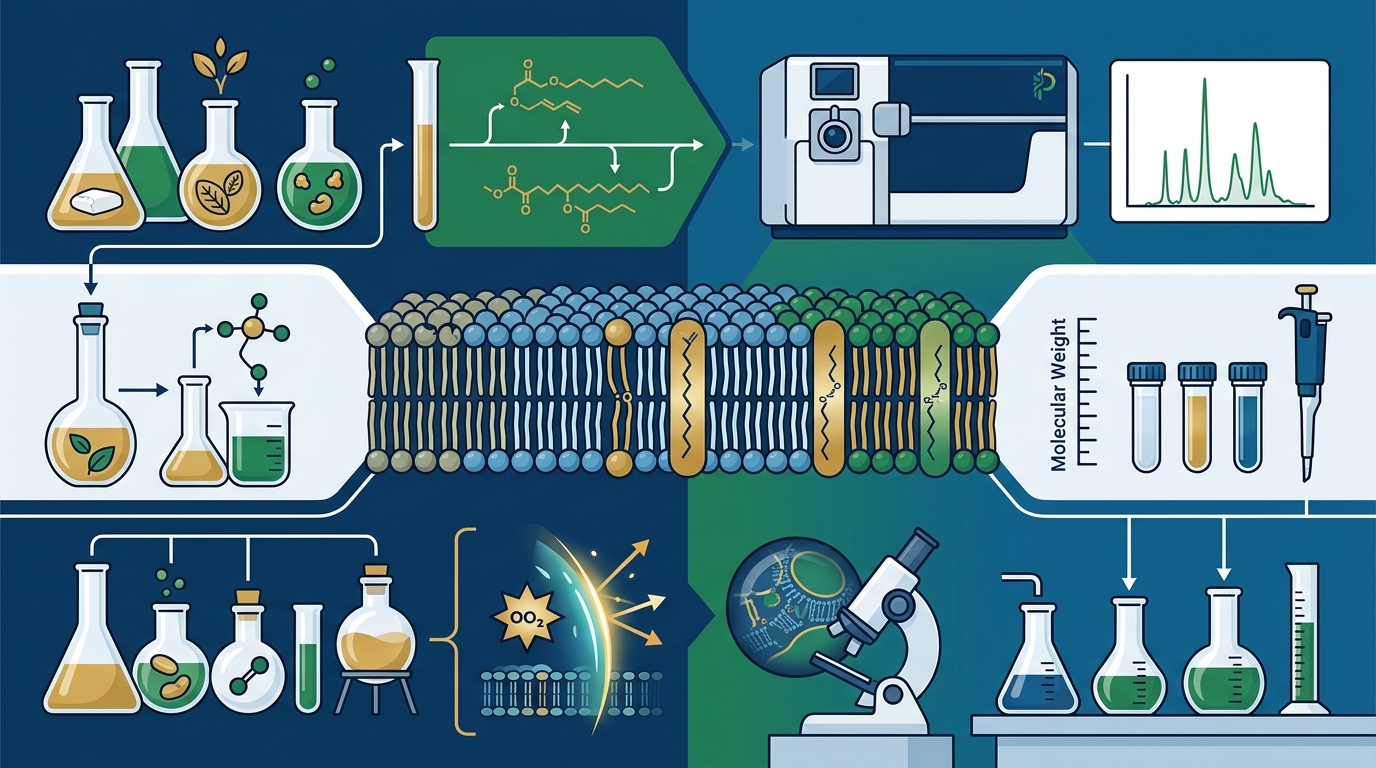
Plasmalogens are a unique class of phospholipids characterized by a vinyl-ether bond at the sn-1 position of the glycerol backbone. Plasmalogens are distinct from other phospholipids because this ether bond acts as a sacrificial antioxidant, protecting the polyunsaturated fatty acids at the sn-2 position from oxidative damage. This structural feature makes them vital for the integrity of cell membranes, particularly in the brain, heart, and immune system.
The importance of plasmalogens extends beyond simple membrane structure. They play a crucial role in signal transduction, protein function, and the regulation of inflammation. When plasmalogen levels are optimal, cells maintain flexibility, communicate effectively, and resist oxidative stress. However, when levels drop, cellular function can become impaired, leading to increased vulnerability to age-related diseases.
According to recent studies on lipid biology, plasmalogens constitute a significant portion of the phospholipids in the brain, where they are essential for myelin sheath integrity and synaptic function. The decline in these lipids is not merely a symptom of aging but a contributing factor to the loss of cognitive and physical resilience over time.
The Biosynthesis Pathway and Nutrient Cofactors
The production of plasmalogens is a complex, multi-step process that occurs primarily in the peroxisomes and the endoplasmic reticulum of cells. This pathway is highly sensitive to nutrient availability and genetic factors. Disruptions at any step can lead to reduced plasmalogen synthesis and subsequent cellular dysfunction.
The first step in plasmalogen biosynthesis involves the conversion of dihydroxyacetone phosphate (DHAP) to alkyl-dihydroxyacetone phosphate (alkyl-DHAP). This reaction is catalyzed by the enzyme alkyl-DHAP synthase (ALDHAT1). This step requires specific cofactors to proceed efficiently, including magnesium and ATP. The subsequent reduction of alkyl-DHAP to alkylglycerol phosphate is mediated by alkylglycerone phosphate synthase (AGPS).
The second major phase involves the elongation and desaturation of the alkyl chain, followed by the attachment of the phosphoethanolamine or phosphocholine head group. This process relies heavily on the availability of specific amino acids and fatty acids. The final steps involve the insertion of the vinyl-ether bond, a reaction that is critical for the unique antioxidant properties of plasmalogens.
Understanding this pathway is key to identifying which nutrients are most critical. If any cofactor is deficient, the entire synthesis process can slow down, leading to a bottleneck in plasmalogen production. This is why a holistic approach to nutrition is necessary, rather than focusing on a single nutrient in isolation.
Critical Nutrients for Plasmalogen Production
Optimal plasmalogen synthesis requires a precise balance of several key nutrients. These nutrients act as cofactors for the enzymes involved in the biosynthetic pathway or as building blocks for the final lipid structure. Deficiencies in any of these can impair the body's ability to produce plasmalogens effectively.
1. Choline and Phosphatidylethanolamine
Choline is a vital nutrient for the synthesis of the head group of plasmalogens. It is converted into phosphatidylethanolamine (PE), which is then attached to the alkyl chain. Choline is essential for maintaining the structural integrity of cell membranes and supporting liver function. Without adequate choline, the body cannot produce enough PE to support plasmalogen synthesis.
Phosphatidylethanolamine is not just a precursor; it is also a regulator of cellular metabolism. It plays a role in the formation of autophagosomes, which are involved in cellular cleanup and repair. Ensuring sufficient choline intake is therefore critical for both plasmalogen production and overall cellular health.
2. Methionine and S-Adenosylmethionine (SAMe)
Methionine is an essential amino acid that serves as the primary source of methyl groups in the body. These methyl groups are transferred to phosphatidylethanolamine to form phosphatidylcholine, a process that is also relevant to plasmalogen metabolism. Methionine is converted into S-adenosylmethionine (SAMe), the universal methyl donor.
SAMe is involved in numerous methylation reactions, including those that regulate gene expression and detoxification pathways. Adequate methionine intake supports the methylation cycle, which is crucial for maintaining healthy homocysteine levels and supporting the biosynthesis of various lipids, including plasmalogens.
3. B Vitamins (B6, B12, and Folate)
The B vitamins, particularly B6, B12, and folate, are essential cofactors in the methylation cycle. They help convert homocysteine back into methionine, ensuring a continuous supply of methyl groups for SAMe production. A deficiency in these vitamins can disrupt the methylation cycle, leading to elevated homocysteine levels and impaired lipid metabolism.
Folate is also involved in the synthesis of nucleotides, which are necessary for cell division and repair. B12 is critical for the proper functioning of the nervous system and the maintenance of myelin sheaths, which are rich in plasmalogens. Together, these vitamins support the biochemical environment necessary for optimal plasmalogen synthesis.
4. Magnesium and Zinc
Magnesium is a cofactor for over 300 enzymatic reactions in the body, including those involved in energy production and lipid metabolism. It is required for the activity of alkyl-DHAP synthase, the first enzyme in the plasmalogen biosynthetic pathway. Zinc is also involved in numerous enzymatic reactions and plays a role in maintaining the structure of cell membranes.
Both minerals are essential for the proper functioning of the peroxisomes, where the initial steps of plasmalogen synthesis occur. Ensuring adequate intake of magnesium and zinc is therefore critical for supporting the cellular machinery responsible for plasmalogen production.
5. Antioxidants (Vitamin E and CoQ10)
While plasmalogens themselves are powerful antioxidants, their synthesis and function are supported by other antioxidants. Vitamin E (tocopherol) and Coenzyme Q10 (CoQ10) work synergistically to protect cell membranes from oxidative damage. They help regenerate plasmalogens after they have acted as sacrificial antioxidants, ensuring that the membrane remains protected.
CoQ10 is also essential for mitochondrial energy production, which provides the ATP required for the energy-intensive process of plasmalogen synthesis. Vitamin E protects the polyunsaturated fatty acids in the membrane from peroxidation, preserving the integrity of the lipid bilayer.
Dietary Sources and Bioavailability
Obtaining the necessary nutrients for plasmalogen synthesis through diet is the most effective way to support the body's natural production processes. However, bioavailability and the quality of food sources play a significant role in how well these nutrients are absorbed and utilized.
Choline-Rich Foods
Choline is found in high concentrations in animal products, particularly liver, eggs, and meat. Egg yolks are one of the most accessible and bioavailable sources of choline. Other good sources include chicken, beef, and fish. For those following a plant-based diet, sources like soybeans, quinoa, and broccoli provide choline, though in lower concentrations.
Methionine-Rich Foods
Methionine is an essential amino acid found in protein-rich foods. Animal proteins, such as beef, pork, fish, and poultry, are excellent sources of methionine. Plant-based sources include Brazil nuts, sesame seeds, and whole grains. Combining different plant proteins can help ensure adequate methionine intake.
B Vitamin Sources
B vitamins are widely available in a variety of foods. B12 is primarily found in animal products, including meat, fish, poultry, eggs, and dairy. Folate is abundant in leafy green vegetables, legumes, and citrus fruits. B6 is found in poultry, fish, potatoes, and non-citrus fruits like bananas.
Mineral Sources
Magnesium is found in nuts, seeds, whole grains, and leafy green vegetables. Zinc is abundant in oysters, beef, pumpkin seeds, and chickpeas. Ensuring a diverse diet that includes these foods can help meet the body's mineral requirements for plasmalogen synthesis.
Antioxidant Sources
Vitamin E is found in nuts, seeds, and vegetable oils. CoQ10 is found in small amounts in meat, fish, and nuts, but the body also produces it naturally. Supporting the body's natural production of CoQ10 through adequate nutrient intake is often more effective than relying solely on dietary sources.
Measurement Standards and Biomarkers
Monitoring plasmalogen levels is essential for assessing the effectiveness of nutritional interventions and understanding an individual's risk for age-related decline. Advanced health measurement techniques provide insights into these lipid levels that standard testing cannot offer.
Plasmalogen Biomarkers
Plasmalogens can be measured in plasma using mass spectrometry. The most common biomarkers include PE-P (phosphatidylethanolamine plasmalogen) and PC-P (phosphatidylcholine plasmalogen). These biomarkers provide a snapshot of the body's plasmalogen status and can be used to track changes over time.
According to research in lipidomics, the ratio of plasmalogens to other phospholipids can provide additional insight into membrane health and oxidative stress levels. A lower ratio may indicate increased oxidative damage or impaired synthesis.
Advanced Health Measurements
Advanced health measurement goes beyond simple biomarker levels. It includes the assessment of inflammation, oxidative stress, and metabolic function. These factors are closely linked to plasmalogen synthesis and function. For example, chronic inflammation can impair the activity of enzymes involved in plasmalogen biosynthesis.
Longitudinal tracking of plasmalogen levels is more powerful than one-time testing. It allows for the identification of trends and the evaluation of the impact of lifestyle and nutritional interventions. Regular monitoring can help individuals make informed decisions about their health and take proactive steps to support their cellular resilience.
Standard Testing Limitations
Standard lipid panels do not measure plasmalogens. They focus on cholesterol and triglycerides, which are important but do not provide information about membrane lipid composition. Advanced testing is necessary to assess plasmalogen status and understand its implications for health and longevity.
Key Takeaways
- Plasmalogens are specialized ether phospholipids that protect cell membranes from oxidative damage and are critical for brain and heart health.
- Choline and methionine are essential precursors for plasmalogen synthesis, acting as building blocks for the lipid structure and supporting the methylation cycle.
- B vitamins (B6, B12, folate) are critical cofactors that support the methylation cycle and ensure the availability of methyl groups for lipid metabolism.
- Magnesium and zinc are required for enzymatic activity in the peroxisomes, where the initial steps of plasmalogen biosynthesis occur.
- Antioxidants like Vitamin E and CoQ10 protect plasmalogens and support mitochondrial energy production, which fuels the synthesis process.
- Advanced health measurement using mass spectrometry is necessary to accurately assess plasmalogen levels, as standard lipid panels do not include these biomarkers.
- Longitudinal tracking of plasmalogen levels provides valuable insights into the effectiveness of nutritional interventions and overall cellular health trends.
Frequently Asked Questions
What are plasmalogens and why are they important?
Plasmalogens are a unique class of phospholipids with a vinyl-ether bond that acts as a sacrificial antioxidant. They are essential for the integrity of cell membranes, particularly in the brain and heart, and play a key role in protecting cells from oxidative damage.
Which nutrients are most critical for plasmalogen synthesis?
The most critical nutrients include choline, methionine, B vitamins (B6, B12, folate), magnesium, zinc, and antioxidants like Vitamin E and CoQ10. These nutrients serve as cofactors, precursors, or protectants in the biosynthetic pathway.
Can diet alone support optimal plasmalogen levels?
A diet rich in choline, methionine, B vitamins, and antioxidants can support the body's natural plasmalogen synthesis. However, age-related declines in enzyme activity may require additional support through targeted supplementation or advanced health monitoring.
How are plasmalogen levels measured?
Plasmalogen levels are measured in plasma using mass spectrometry. Biomarkers such as PE-P and PC-P provide insights into plasmalogen status. Advanced health measurement also includes the assessment of inflammation and oxidative stress.
Do standard lipid panels measure plasmalogens?
No, standard lipid panels measure cholesterol and triglycerides. They do not provide information about plasmalogen levels or membrane lipid composition. Advanced testing is required to assess plasmalogen status.
How does aging affect plasmalogen levels?
Plasmalogen levels naturally decline with age. This decline is linked to increased vulnerability to oxidative stress and age-related diseases in the brain and other organs. Supporting plasmalogen synthesis through nutrition and lifestyle can help mitigate this decline.
What is the role of the methylation cycle in plasmalogen synthesis?
The methylation cycle provides the methyl groups necessary for the conversion of phosphatidylethanolamine to phosphatidylcholine. This process is supported by B vitamins and methionine and is essential for maintaining healthy lipid metabolism and plasmalogen function.
Take Action for Cellular Health
Understanding and supporting plasmalogen synthesis is a powerful step toward maintaining cellular resilience and healthy aging. By focusing on the critical nutrients and standards outlined in this guide, you can take proactive control of your long-term health.
For more information on how plasmalogens influence cellular energy and aging, explore our Plasmalogens & Health resources. To learn about the importance of advanced health measurements, visit our Advanced Health Measurements page. If you have questions about your specific health needs, please contact us to speak with a specialist.