

Plasmalogens are among the most abundant phospholipids in the human body, yet most people have never heard of them. These ether lipids sit within every cell membrane and serve as antioxidant shields, membrane-fluidity regulators, and signaling facilitators. When their levels fall, the consequences touch the brain, heart, immune system, and beyond. This ultimate guide explores the observable signs that plasmalogen concentrations may be declining and the biological mechanisms that drive that decline.
The Role Plasmalogens Play in Cell Membranes
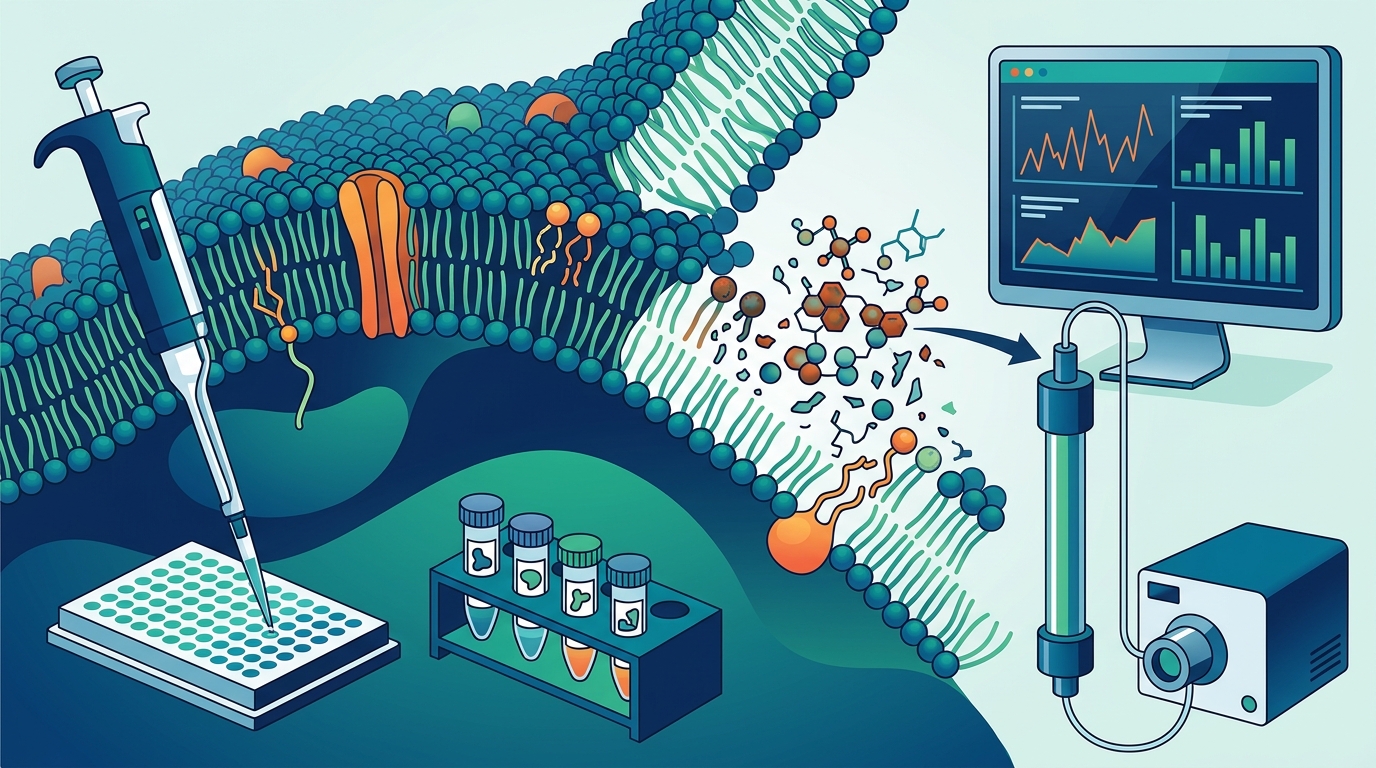
Plasmalogens are a subclass of phospholipids distinguished by a vinyl-ether bond at the sn-1 position of the glycerol backbone. This bond gives them unique chemical properties that ordinary ester-linked phospholipids lack. They comprise roughly 5–20 percent of total phospholipids in most mammalian cell membranes and are especially enriched in specialized domains such as myelin sheaths and lipid rafts.
Their three primary functions include:
- Antioxidant defense: The vinyl-ether bond can scavenge reactive oxygen species (ROS), acting as a sacrificial shield that protects neighboring lipids, proteins, and DNA from oxidative damage.
- Membrane architecture: Plasmalogens influence membrane curvature, thickness, and fluidity — properties essential for vesicle fusion, ion-channel gating, and receptor signaling.
- Neurotransmitter trafficking: In neurons, appropriate membrane fluidity is required for vesicle transport and neurotransmitter release. Animal studies demonstrate that low plasmalogen levels cause reduced neurotransmitter release due to decreased vesicle transport.
Neurological and Cognitive Signs of Deficiency
Because plasmalogens are so heavily concentrated in brain tissue — particularly in white-matter myelin — the central nervous system is often the first place where low levels manifest clinically.
1. Declining Cognitive Speed and Brain Fog
When plasmalogen availability drops, cell membranes become less flexible and more vulnerable to oxidative damage. In the brain, this can show up as subtle changes in cognitive speed, increased brain fog, or challenges with memory and focus. Over time, reduced plasmalogen availability may affect how well neurons communicate and how effectively the brain maintains its structure.
2. Memory Impairment Disproportionate to Age
Research has established a strong link between low serum plasmalogen ethanolamine (PlsEtn) levels and cognitive dysfunction. Low serum levels of PlsEtn containing arachidonic acid or DHA have been associated with increased severity of cognitive dysfunction, according to studies reviewed in the Alzheimer's Disease Neuroimaging Initiative data. The severity of dementia in Alzheimer's patients also correlates with ethanolamine plasmalogen content in the cortex and hippocampus.
3. Elevated Alzheimer's and Parkinson's Risk Markers
Plasmalogens are depleted in both the brains and blood of individuals with Alzheimer's disease (AD), and this decline can begin years before clinical symptoms emerge. Reduced plasmalogen levels have also been documented in Parkinson's disease patients. In addition, decreased plasmalogen levels have been correlated with increased levels of tau protein in the brain, a hallmark marker of AD pathology.
Systemic Signs Beyond the Brain
4. Chronic Low-Grade Inflammation (Inflammaging)
Low plasmalogen levels are associated with chronic, low-grade inflammation often referred to as inflammaging — a persistent inflammatory state that gradually damages tissues. Plasmalogens help modulate the inflammatory response; when they are insufficient, the body struggles to resolve inflammation efficiently.
5. Fatigue and Post-Exertional Malaise
Recent research has identified significant reductions in plasmalogen content, biosynthesis, and metabolism in myalgic encephalomyelitis/chronic fatigue syndrome (ME/CFS) and acute COVID-19, with a strong association to symptom severity. Several pathobiological mechanisms proposed for ME/CFS — including redox imbalance, systemic inflammation, and mitochondrial dysfunction — converge on plasmalogen biology.
6. Cardiovascular Vulnerability
Beyond the brain, plasmalogens help regulate lipid efflux and reduce oxidative stress, potentially lowering the risk of atherosclerosis and other heart conditions. When levels drop, the nervous system and cardiovascular system face greater stress and reduced repair capacity.
7. Impaired Cellular Repair and Accelerated Aging
When plasmalogens are low, other cellular components absorb more oxidative damage. This accelerates aging and impairs the body's regenerative capacity, contributing to visible and functional signs of premature aging at the tissue level.
Five Biological Drivers of Plasmalogen Decline
Understanding why plasmalogen levels fall is essential for any strategy aimed at preserving them. Research points to five interconnected causes.
Driver 1: Age-Related Biosynthetic Slowdown
Plasmalogen levels change as a function of human age. They increase dramatically during early development — about 8-fold in brain white matter during the first year of life — then continue increasing linearly until roughly age 30–40. After that, a significant linear decrease begins. The level of plasmalogen in the brain decreases by approximately 40 percent from age 40 to 70.
Aging causes lower plasmalogen levels by either impairing biosynthesis and/or increasing degradation, though the precise molecular mechanisms are not fully understood. One known factor is reduced synthesis of DHA and decreased incorporation of DHA into ethanolamine plasmalogen as people age. Another is increased production of the enzyme that breaks down ethanolamine plasmalogens.
Driver 2: Oxidative Stress and ROS Accumulation
Oxidative stress associated with inflammation can accelerate plasmalogen degradation by cleaving the vinyl-ether bond, further reducing the anti-inflammatory and antioxidative capacity of the tissues and initiating a damaging feedback loop. Cytochrome-c–mediated degradation of plasmalogens due to increased oxidative stress has been proposed as a specific mechanism responsible for their decrease. As an antioxidant, plasmalogen is consumed and degraded by high levels of ROS or chronic oxidative stress in the brain.
Driver 3: Peroxisomal Dysfunction
Plasmalogen biosynthesis begins in peroxisomes — small organelles responsible for fatty-acid processing and detoxification. Damaged peroxisomal function, as well as elevated levels of hydrogen peroxide (H₂O₂), can cause permanent plasmalogen deficiency that leads to membrane changes, signaling abnormalities, neurotransmission deficits, and lowered antioxidant defenses. Genetic disorders such as Zellweger syndrome and Rhizomelic Chondrodysplasia Punctata (RCDP) illustrate the consequences of severe peroxisomal dysfunction. Peroxisome activity is also reduced by exposure to environmental toxins.
Driver 4: Mitochondrial Dysfunction
Mitochondrial dysfunction causes a decrease in plasmalogen levels, and cytochrome c can directly break plasmalogens apart. As one ages, mitochondrial function decreases and oxidative stress increases, creating conditions that both reduce plasmalogen synthesis and accelerate their degradation. Recent Drosophila research has shown that age-dependent plasmalogen decline destabilizes membranes, increases oxidative vulnerability, and directly contributes to impaired mitochondrial fission — a process essential for organelle quality control.
Driver 5: Chronic Inflammation and Neuroinflammation
Chronic inflammation and glial pathological reactivity are common hallmarks of several neurodegenerative and neuropsychiatric disorders and have been consistently associated with reduced central and peripheral levels of plasmalogens. Neuroinflammatory disorders such as multiple sclerosis and autism spectrum conditions can cause local deficiencies and systemic plasmalogen imbalances. The inflammatory process itself generates ROS, which further degrade existing plasmalogens.
The Vicious Cycle: Why Decline Accelerates
One of the most important concepts in plasmalogen biology is the self-reinforcing nature of decline. Because plasmalogens serve as antioxidants, losing them increases oxidative stress. Increased oxidative stress in turn degrades more plasmalogens. This cycle — described in the literature as an "irrevocable vicious cycle" — means that once plasmalogen levels begin to drop meaningfully, the decline can accelerate unless something intervenes to break the loop.
At the same time, each of the five drivers above feeds into the others. Aging leads to mitochondrial dysfunction, which raises ROS, which damages peroxisomes, which slows biosynthesis, which lowers plasmalogen levels, which worsens inflammation — and the cycle continues. Recognizing these interconnections is essential for understanding why proactive measurement and early intervention matter.
How Plasmalogen Levels Are Measured
Clinicians and researchers use lipidomics — mass-spectrometry-based analysis of lipid profiles — to quantify plasmalogen concentrations in serum or plasma. Key measurements include:
- Serum PlsEtn (plasmalogen ethanolamine): The most commonly reported biomarker in Alzheimer's and cognitive decline research. Serum PlsEtn levels are associated with cognitive function in AD patients.
- DHA- and EPA-containing plasmalogens: Omega-3 fatty acid–containing plasmalogen species offer additional specificity, with lower values associated with a higher likelihood of Alzheimer's disease.
- Very-long-chain fatty acid ratios: Severity-dependent increases in C24:0 and C26:0 fatty acids can indicate peroxisomal dysfunction and by extension impaired plasmalogen biosynthesis.
These tests are increasingly available through specialty laboratories and functional-medicine practitioners, although they have not yet entered routine clinical panels.
Key Takeaways
- Plasmalogens are critical ether phospholipids that protect cell membranes, support neurotransmission, and defend against oxidative stress.
- Cognitive signs of low levels include brain fog, memory difficulties, and slowed processing speed — often appearing before a formal neurological diagnosis.
- Systemic signs include chronic inflammation, fatigue, cardiovascular vulnerability, and accelerated aging.
- The five primary drivers of decline are aging, oxidative stress, peroxisomal dysfunction, mitochondrial dysfunction, and chronic inflammation.
- Plasmalogen decline is self-reinforcing: losing them raises oxidative stress, which destroys more plasmalogens.
- Brain plasmalogen levels can drop by roughly 40 percent between ages 40 and 70.
- Lipidomics-based serum testing can quantify plasmalogen levels and guide early intervention strategies.
Frequently Asked Questions
What are the main signs of low plasmalogen levels?
Common signs include declining cognitive speed and brain fog, memory problems disproportionate to age, chronic low-grade inflammation, persistent fatigue, increased cardiovascular risk markers, and signs of accelerated cellular aging. These symptoms often appear gradually and may precede formal diagnosis of neurodegenerative disease by years.
Why do plasmalogen levels decline with age?
Aging reduces plasmalogen levels through a combination of impaired biosynthesis and increased degradation. Contributing factors include declining peroxisomal and mitochondrial function, rising oxidative stress, reduced DHA synthesis, and increased activity of enzymes that break down ethanolamine plasmalogens. Brain levels can fall by approximately 40 percent between age 40 and 70.
Can oxidative stress cause plasmalogen deficiency?
Yes. Reactive oxygen species cleave the vinyl-ether bond that defines plasmalogen structure, destroying the molecule. Because plasmalogens also serve as antioxidants, their loss further increases oxidative stress, creating a self-reinforcing cycle of decline that can accelerate tissue damage and aging.
How are plasmalogen levels tested?
Plasmalogen levels are typically measured through mass-spectrometry-based lipidomics on a serum or plasma sample. Key biomarkers include plasmalogen ethanolamine (PlsEtn) levels and the concentration of DHA- or EPA-containing plasmalogen species. These tests are available through specialty and functional-medicine laboratories.
Are low plasmalogen levels linked to Alzheimer's disease?
Multiple studies have found that plasmalogens are depleted in both the brains and blood of Alzheimer's patients, with the decline starting years before clinical symptoms appear. Lower serum plasmalogen levels have been associated with a higher likelihood of Alzheimer's disease and correlated with increased tau protein in the brain.