

What Are Plasmalogens and Why Are They Important for Human Health?
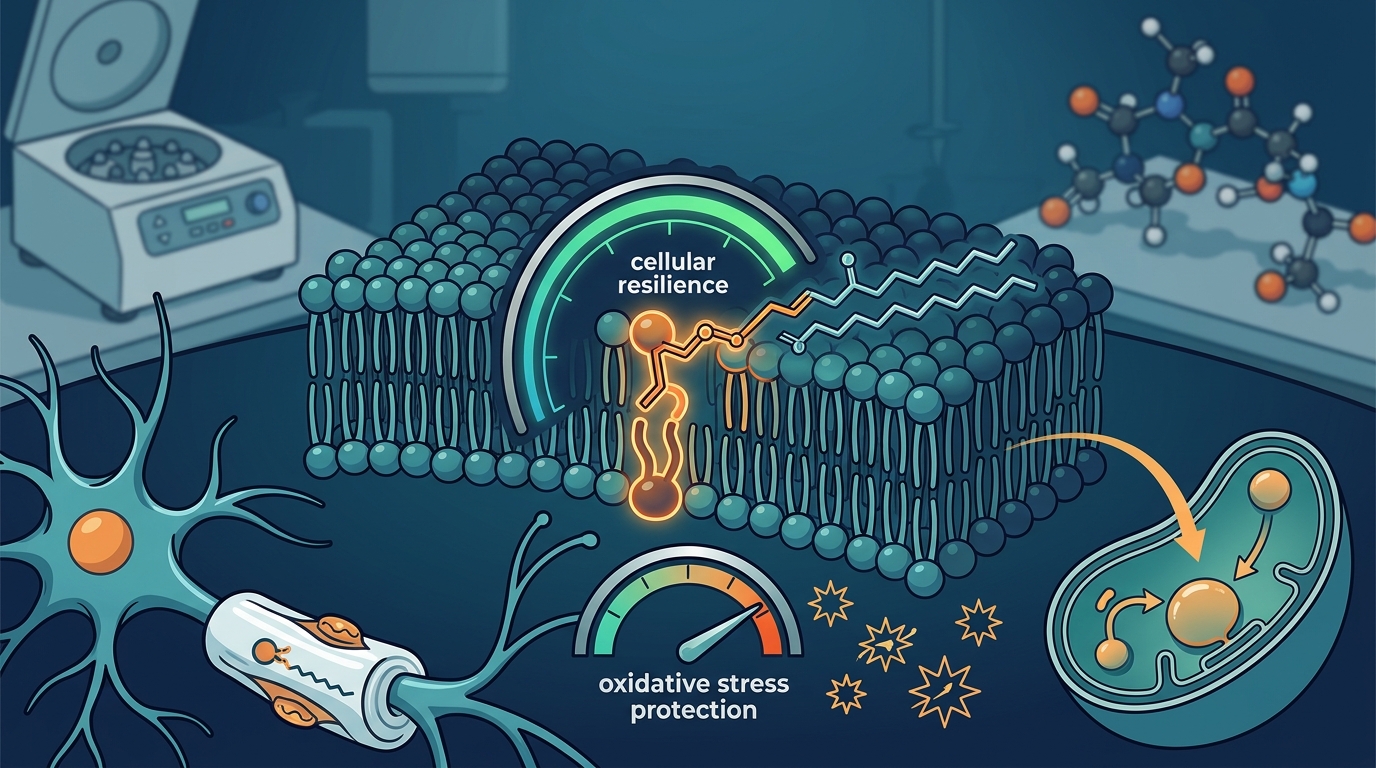
Plasmalogens are specialized ether phospholipids that serve as critical structural and functional components of cell membranes throughout the human body. Unlike standard phospholipids, plasmalogens possess a unique vinyl-ether bond at the sn-1 position, which grants them distinct antioxidant and signaling capabilities. This molecular structure allows them to protect cellular integrity against oxidative stress, a primary driver of aging and chronic disease. Recent research into advanced health measurements highlights that plasmalogen levels are not merely a biomarker but a fundamental determinant of cellular resilience, metabolic flexibility, and neurological health. As we age, the body's natural production of these vital lipids declines, leading to a cascade of functional impairments in the brain, heart, and immune system.
What Are Plasmalogens?
To understand why plasmalogens are important for human health, we must first define their biological role. Plasmalogens are specialized ether phospholipids found in high concentrations in the brain, heart, and immune cells. They are synthesized in the peroxisomes, specialized organelles within cells responsible for breaking down fatty acids and building complex lipids. This synthesis process is distinct from other lipid pathways, making plasmalogens unique in their ability to withstand oxidative damage.
These molecules are not passive structural elements. They actively participate in cell signaling, membrane fluidity, and the regulation of inflammation. When plasmalogen levels are optimal, cells can communicate effectively, maintain their shape under stress, and repair damage efficiently. However, when levels drop, cellular function becomes compromised. This decline is often linked to the aging process, where the body's ability to produce these lipids naturally diminishes.
Research into what plasmalogens are reveals their presence in nearly every tissue type, but their density varies significantly. The brain, for instance, contains some of the highest concentrations, particularly in the white matter and synapses. This distribution underscores their critical role in neural communication and protection. Without adequate plasmalogens, the structural integrity of these tissues is at risk, leading to functional decline.
How Plasmalogens Work in the Body
The mechanism by which plasmalogens support health is multifaceted. They operate at the intersection of lipid biology, energy production, and cellular defense. One of their primary functions is to act as a sacrificial antioxidant. The vinyl-ether bond in plasmalogens is highly susceptible to oxidation, meaning they absorb free radicals before these reactive molecules can damage DNA, proteins, or other essential lipids. This protective role is vital in organs with high metabolic rates, such as the heart and brain.
Furthermore, plasmalogens influence how plasmalogens influence cellular energy. They are essential for the proper function of mitochondria, the powerhouses of the cell. By maintaining membrane integrity, they ensure that energy production remains efficient. When plasmalogen levels are low, mitochondrial function can become impaired, leading to reduced energy output and increased oxidative stress. This creates a vicious cycle where energy deficiency leads to more damage, which further depletes plasmalogen reserves.
Another critical function is their role in cell signaling. Plasmalogens are involved in the release of inflammatory mediators and the regulation of immune responses. They help modulate the activity of receptors on the cell surface, ensuring that the body responds appropriately to threats without overreacting. This balance is crucial for preventing chronic inflammation, a key driver of many age-related diseases.
Impact on Cellular Health and Membranes
Cell membranes are the boundaries that define every cell in the body. They control what enters and exits, maintain internal pressure, and facilitate communication with neighboring cells. Plasmalogens are essential for maintaining the fluidity and stability of these membranes. They prevent membranes from becoming too rigid or too fluid, ensuring that they remain functional under varying conditions.
When plasmalogen levels are low, membranes can become less flexible. This rigidity can impair the function of ion channels and transporters, disrupting the flow of nutrients and waste. It can also affect the ability of cells to respond to hormones and other signaling molecules. Over time, this loss of membrane integrity can lead to cellular dysfunction and death.
The impact on cell membranes extends to the immune system as well. Immune cells rely on membrane fluidity to move through tissues, engulf pathogens, and communicate with other immune cells. Low plasmalogen levels can impair these functions, leading to a weakened immune response. This is particularly concerning in older adults, who are already at risk for immune decline.
Additionally, plasmalogens play a role in the repair of damaged tissues. They are involved in the remodeling of cell membranes after injury, helping to restore function and integrity. This repair process is essential for maintaining tissue health and preventing chronic damage. Without adequate plasmalogens, the body's ability to heal and recover is compromised.
Neurological Health and Cognitive Function
The brain is one of the most plasmalogen-rich organs in the body. These lipids are critical for the development and maintenance of the nervous system. They are found in high concentrations in the myelin sheath, the protective covering around nerve fibers that allows for rapid signal transmission. Plasmalogens are vital for the structural integrity of myelin and the function of synapses.
Synapses are the junctions where nerve cells communicate. The efficiency of these connections depends on the health of the surrounding membranes and the availability of signaling molecules. Plasmalogens support synaptic function by maintaining membrane fluidity and protecting against oxidative damage. When plasmalogen levels are low, synaptic communication can become impaired, leading to cognitive decline.
Research into how the synapse works shows that plasmalogens are involved in the release and reuptake of neurotransmitters. They help regulate the balance of excitatory and inhibitory signals, which is essential for normal brain function. Disruptions in this balance can lead to neurological disorders, including Alzheimer's disease and other forms of dementia.
Furthermore, plasmalogens protect the brain from neuroinflammation. Chronic inflammation in the brain is a hallmark of many neurodegenerative diseases. By reducing oxidative stress and modulating immune responses, plasmalogens help prevent this inflammation. This protective role is crucial for maintaining cognitive health as we age.
Measuring Plasmalogen Levels
Understanding plasmalogen levels is becoming increasingly important in the field of longevity and preventive medicine. Traditional health screenings often do not include plasmalogen testing, leaving a gap in our understanding of cellular health. Advanced health measurements are changing this by providing deeper insights into lipid biology and membrane integrity.
Measuring plasmalogens typically involves specialized lipidomics tests that can quantify specific lipid species in the blood. These tests can reveal not only the total level of plasmalogens but also the ratio of different types, such as PE-P and PC-P plasmalogens. This detailed information can help identify early signs of metabolic dysfunction or oxidative stress.
Tracking plasmalogen levels over time can provide valuable information about the effectiveness of interventions. For example, dietary changes, supplements, or lifestyle modifications may help support plasmalogen production or preservation. Regular monitoring allows for adjustments to be made based on individual response.
It is important to note that plasmalogen levels can be influenced by various factors, including age, genetics, diet, and overall health status. Understanding these influences is key to interpreting test results accurately. For more information on understanding plasmalogen levels, consult specialized resources on lipid biomarkers.
Key Takeaways
- Definition: Plasmalogens are specialized ether phospholipids with a unique vinyl-ether bond that provides antioxidant protection.
- Synthesis: They are produced in the peroxisomes, making peroxisomal health critical for plasmalogen availability.
- Brain Health: High concentrations in the brain support myelin integrity and synaptic function, crucial for cognitive health.
- Cellular Defense: They act as sacrificial antioxidants, protecting cell membranes from oxidative damage.
- Aging Link: Plasmalogen levels naturally decline with age, contributing to cellular dysfunction and increased disease risk.
- Measurement: Advanced lipidomics testing is required to accurately assess plasmalogen status, as it is not part of standard panels.
- Intervention: Supporting plasmalogen levels through diet and lifestyle may help mitigate age-related decline.
Frequently Asked Questions
What exactly are plasmalogens?
Plasmalogens are a type of phospholipid found in cell membranes, characterized by a vinyl-ether bond that distinguishes them from other lipids and provides unique antioxidant properties.
Why are plasmalogens important for the brain?
They are essential for the structure of myelin sheaths and the function of synapses, supporting rapid nerve transmission and protecting neural tissue from oxidative stress.
How do plasmalogens protect cells?
They act as sacrificial antioxidants, absorbing free radicals and preventing them from damaging DNA, proteins, and other critical cellular components.
Can plasmalogen levels be measured?
Yes, through specialized lipidomics testing that quantifies specific plasmalogen species in the blood, providing insights into cellular health and membrane integrity.
Do plasmalogen levels decrease with age?
Yes, natural production declines with age, which is associated with increased oxidative stress, reduced cellular resilience, and higher risk of age-related diseases.
What is the role of plasmalogens in the immune system?
They help regulate immune responses and maintain the fluidity of immune cell membranes, which is necessary for effective movement and communication within the body.
How can I support my plasmalogen levels?
Supporting plasmalogen levels may involve dietary choices rich in precursors, managing oxidative stress, and ensuring proper peroxisomal function through overall metabolic health.
Are plasmalogens only found in humans?
No, plasmalogens are found in many animals, including horses and pets, where they play similar roles in health, mobility, and cellular resilience.
Take Action for Your Health
Understanding plasmalogens is the first step toward optimizing your cellular health and longevity. By recognizing their critical role in protecting your brain, heart, and immune system, you can take proactive steps to support their levels. Whether through advanced testing, dietary adjustments, or lifestyle changes, prioritizing plasmalogen health is an investment in your future well-being. Contact Plasmalogen Science today to learn more about how you can integrate these insights into your health strategy.