

Plasmalogens are specialized ether phospholipids that serve as critical structural components of cell membranes, particularly in the brain, heart, and immune system. Recent research indicates that declining plasmalogen levels are a hallmark of aging and neurodegenerative conditions, with some studies suggesting that these lipids decrease significantly in the brains of individuals with Alzheimer's disease. Understanding the specific signs of low plasmalogen levels and the underlying causes of their decline is essential for proactive health management and longevity.
What Are Plasmalogens?
Plasmalogens are a unique class of phospholipids characterized by a vinyl-ether bond at the sn-1 position of the glycerol backbone. Plasmalogens are specialized ether phospholipids found in cell membranes throughout the body. Unlike standard phospholipids, they play a vital role in protecting cells from oxidative stress and maintaining membrane fluidity.
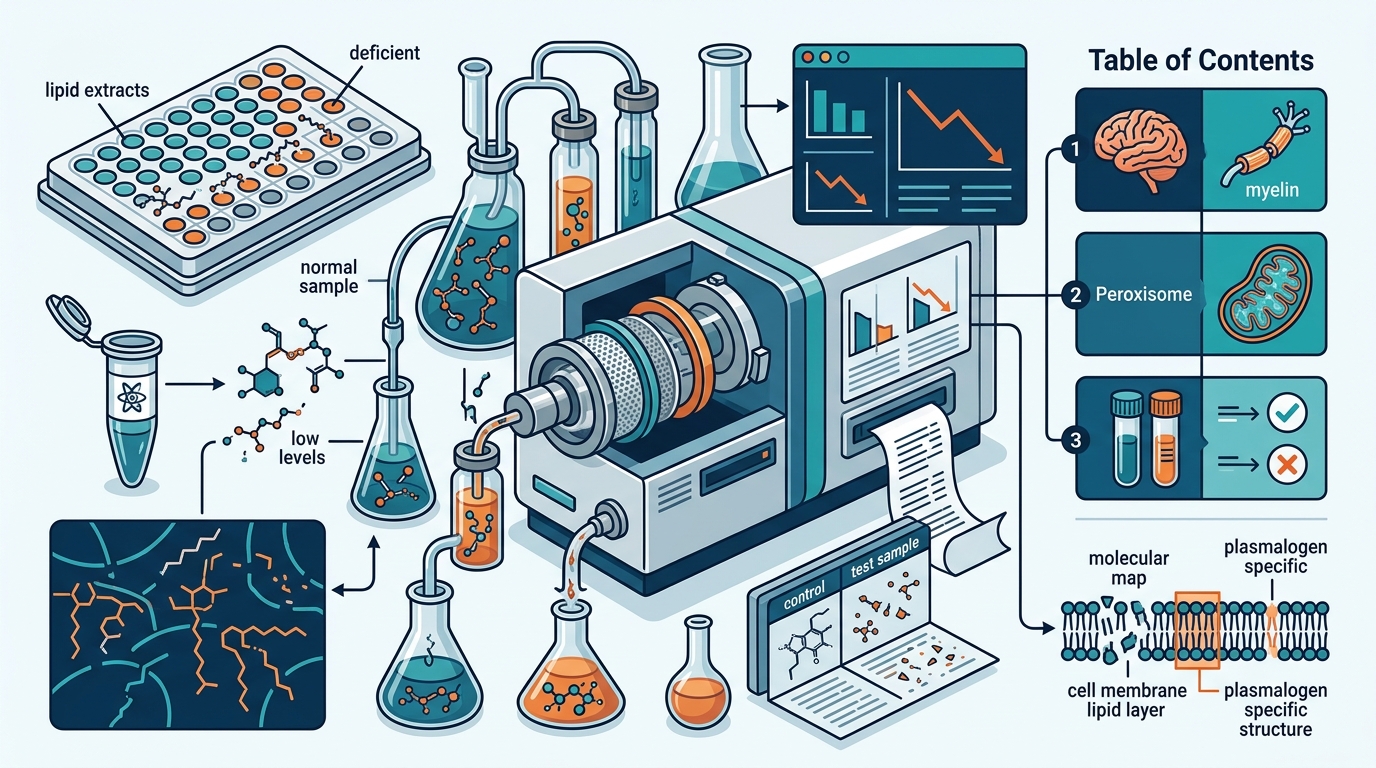
These molecules are abundant in the myelin sheaths of nerve cells, which are essential for rapid signal transmission. They are also concentrated in the mitochondria, where they help protect cellular energy production from damage. Because of their unique chemical structure, plasmalogens act as sacrificial antioxidants, neutralizing free radicals before they can damage critical cellular components.
For more details on their biological role, explore What Are Plasmalogens and How They Work.
Signs of Low Plasmalogen Levels
When plasmalogen levels drop, the body's ability to maintain membrane integrity and combat oxidative stress is compromised. This decline often manifests in cognitive, physical, and metabolic symptoms. Recognizing these signs early can facilitate timely intervention.
Cognitive & Neurological Signs
The brain is one of the first organs to show signs of plasmalogen deficiency due to its high lipid content and metabolic demand. Plasmalogens are critical for synaptic function and myelin integrity. When levels decline, individuals may experience:
- Memory lapses: Difficulty recalling recent events or learning new information.
- Brain fog: Reduced mental clarity, focus, and processing speed.
- Mood changes: Increased susceptibility to anxiety or depression, linked to altered neurotransmitter signaling.
Research into Cognitive & Neurological Systems highlights how these deficits correlate with reduced membrane fluidity in neural tissues.
Physical & Musculoskeletal Signs
Plasmalogens are also vital for muscle and bone health. A deficiency can lead to:
- Muscle weakness: Reduced energy production in muscle cells due to mitochondrial dysfunction.
- Joint stiffness: Increased inflammation and reduced tissue repair capacity.
- Fatigue: Persistent tiredness that does not resolve with rest, stemming from impaired cellular energy metabolism.
For insights into how these systems are affected, review How Bones & Muscle are Affected.
Metabolic & Immune Signs
Beyond the brain and muscles, low plasmalogen levels can impact overall metabolic health. This includes:
- Increased inflammation: Higher levels of systemic inflammatory markers.
- Slower wound healing: Impaired cellular repair mechanisms.
- Immune dysregulation: Increased susceptibility to infections due to compromised immune cell membrane function.
Causes of Plasmalogen Decline
Understanding why plasmalogen levels drop is key to addressing the root cause. The decline is rarely due to a single factor but rather a combination of biological, environmental, and lifestyle influences.
Aging and Biological Decline
The most significant cause of plasmalogen deficiency is natural aging. As we age, the body's ability to synthesize plasmalogens decreases. Plasmalogen biosynthesis is a complex process involving peroxisomes and mitochondria. Over time, the efficiency of these organelles declines, leading to reduced production of these critical lipids.
According to studies on How the Body Produces Plasmalogens, this decline is a natural part of the aging process but can be accelerated by other factors.
Genetic Factors
Certain genetic conditions, such as peroxisomal biogenesis disorders, directly impair the body's ability to produce plasmalogens. These are rare but severe conditions that highlight the importance of genetic health in lipid metabolism.
Environmental & Lifestyle Factors
External factors also play a significant role in depleting plasmalogen levels:
- Oxidative Stress: Exposure to toxins, pollution, and UV radiation increases the demand for plasmalogens as antioxidants, depleting their stores.
- Inflammation: Chronic inflammatory conditions accelerate the breakdown of plasmalogens.
- Dietary Deficiencies: Lack of essential precursors, such as DHA and choline, can limit the body's ability to synthesize new plasmalogens.
- Alcohol Consumption: Excessive alcohol intake can damage peroxisomes, the organelles responsible for plasmalogen synthesis.
For more on the impact of lifestyle, see Plasmalogens In Health & Disease.
Measurement & Testing
Because plasmalogen deficiency often occurs silently, advanced testing is crucial for accurate diagnosis. Standard blood panels may not detect subtle changes in lipid composition.
Advanced Health Measurements
Advanced health measurement looks deeper than traditional markers. It examines patterns in metabolism, inflammation, and lipid biology. Advanced health measurement helps reveal early biological stress before it becomes a clinical condition.
Plasmalogen Biomarkers
Specific biomarkers, such as plasmenyl-ethanolamine and plasmenyl-choline, can be measured in blood plasma. These levels provide a direct indicator of plasmalogen status. Understanding Plasmalogen Levels involves tracking these biomarkers over time to assess trends.
Longitudinal Tracking
One-time testing may not provide a complete picture. Longitudinal tracking allows for the monitoring of changes over time, offering a more precise view of healthspan and biological aging.
Key Takeaways
- Plasmalogens are specialized ether phospholipids that protect cell membranes from oxidative stress.
- Signs of low levels include cognitive decline, muscle weakness, and increased inflammation.
- Aging is the primary cause of plasmalogen decline due to reduced biosynthesis efficiency.
- Genetic disorders like peroxisomal biogenesis diseases can severely impair production.
- Advanced testing is required to detect plasmalogen levels accurately.
- Oxidative stress depletes plasmalogen stores faster than the body can replace them.
- Early intervention through lifestyle and potential supplementation may help mitigate decline.
Frequently Asked Questions
What is the primary function of plasmalogens?
Plasmalogens are specialized ether phospholipids that serve as critical structural components of cell membranes and act as powerful antioxidants to protect cells from oxidative damage.
How do I know if my plasmalogen levels are low?
Symptoms may include memory lapses, brain fog, muscle weakness, and increased inflammation. However, accurate diagnosis requires advanced health measurement and specific biomarker testing.
Can plasmalogen levels be restored?
While the body naturally produces plasmalogens, this ability declines with age. Lifestyle changes, reducing oxidative stress, and potentially targeted supplementation may help support levels.
What causes plasmalogen deficiency?
Causes include natural aging, genetic disorders affecting peroxisomes, chronic inflammation, oxidative stress, and dietary deficiencies in essential precursors.
Why are plasmalogens important for brain health?
Plasmalogens are abundant in the myelin sheaths of nerve cells, which are essential for rapid signal transmission and cognitive function.
How is plasmalogen deficiency diagnosed?
Diagnosis involves advanced health measurements that analyze specific lipid biomarkers in blood plasma, rather than standard routine blood tests.
What is the role of peroxisomes in plasmalogen synthesis?
Peroxisomes are organelles where the initial steps of plasmalogen biosynthesis occur. Damage to peroxisomes can severely impair the body's ability to produce these lipids.
Take Control of Your Longevity
Understanding the signs of low plasmalogen levels and their causes is the first step toward proactive health management. By leveraging advanced health measurements and lifestyle interventions, you can support your body's resilience and longevity.
For personalized guidance and to learn more about our research, contact us today or explore our Learning Hub.